
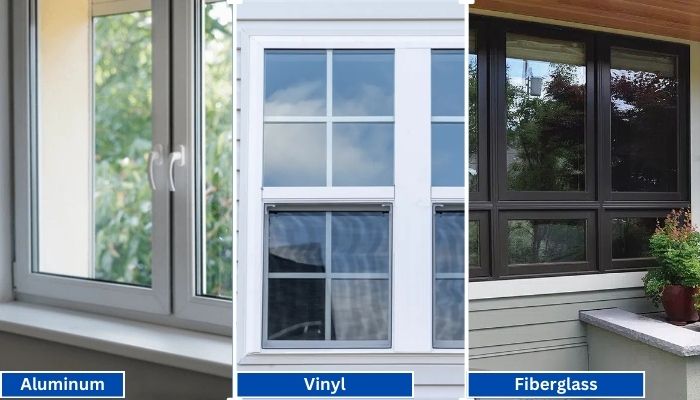
Vinyl generally has the shortest lead times because it is widely produced in standard configurations. Fiberglass is mid-range, especially for factory-painted colors.
Read More
PROUDLY CANADIAN COMPANY OWNED & OPERATED IN TORONTO SINCE 1989!
Vinyl generally has the shortest lead times because it is widely produced in standard configurations. Fiberglass is mid-range, especially for factory-painted colors.
Read More
Vinyl windows have become the go-to choice for homeowners in Toronto, thanks to their durability, energy efficiency, and low maintenance requirements. Whether you're upgrading your home for better insulation or enhancing
Read More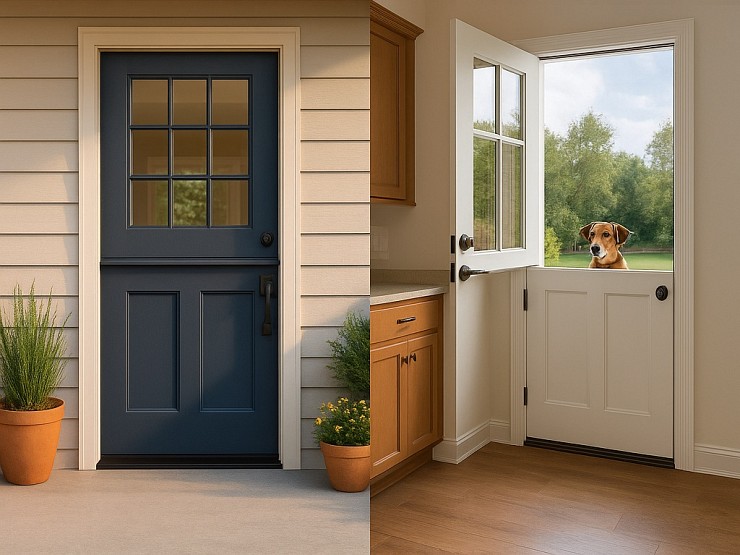
Thinking about changing your front door? A fiberglass Dutch door might have caught your eye. It’s not just a door. It’s part style statement, part smart functionality.
Read More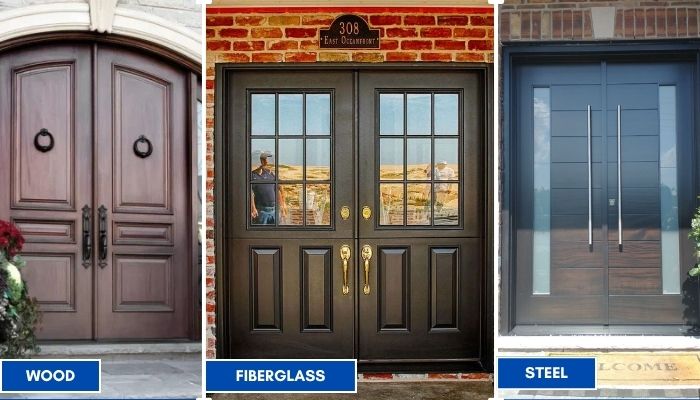
Thinking about replacing your front doors? Double doors are a bold upgrade. They look great, let in more light, and make moving big stuff easier. But the material you choose makes all the difference; especially here in Toronto.
Read More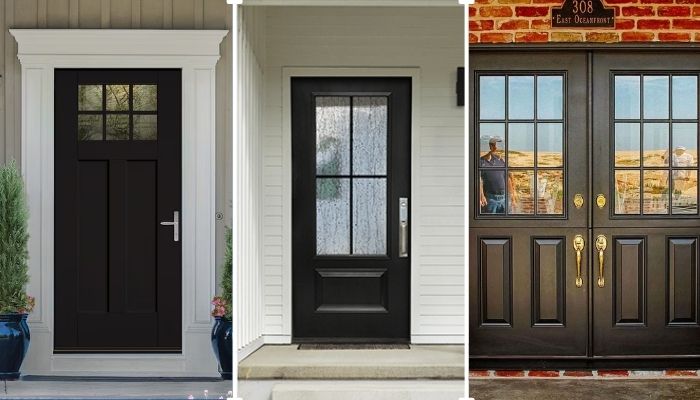
Thinking of giving your home that cozy, farmhouse charm? Let’s talk doors. Specifically, the fiberglass front doors in farmhouse style. You get the rustic look, without the rot, warping, or constant upkeep that comes with wood.
Read More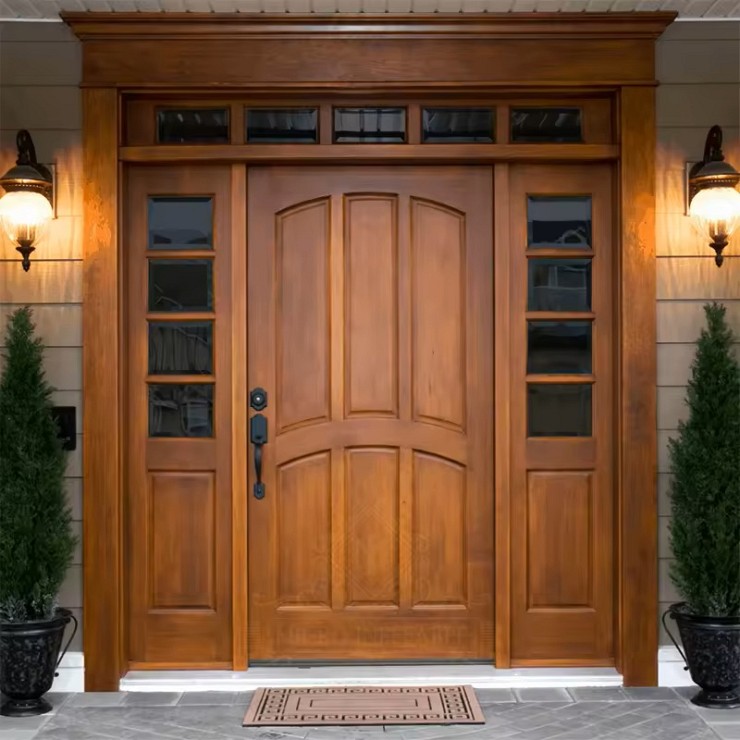
You want something that looks great, lasts long, and doesn’t stress you out with maintenance. You’re not alone. That’s exactly why more and more Toronto homeowners are choosing...
Read More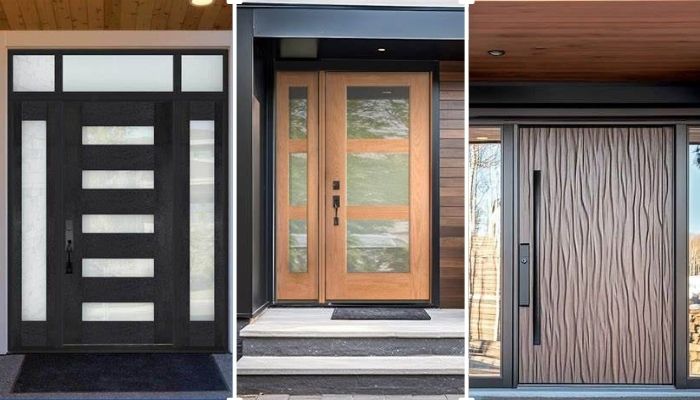
Thinking about replacing your front door? Let’s talk fiberglass. It's one of the smartest upgrades you can make, especially if you're living in Toronto. Whether your current door is drafty, outdated, or just plain boring.
Read More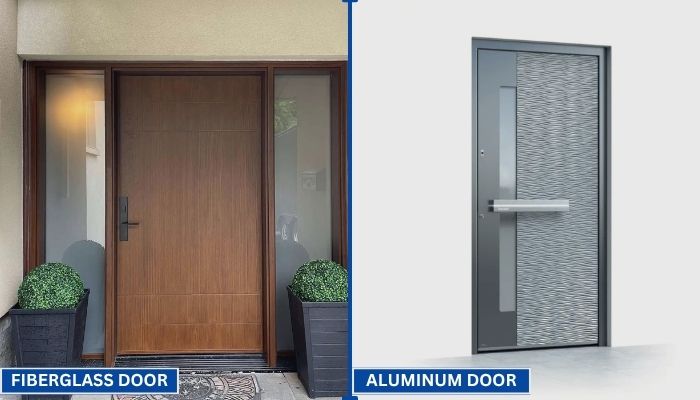
Your front door does more than just open and close. It protects your home, adds curb appeal, and helps control indoor temperature. That’s why picking the right door material matters.
Read More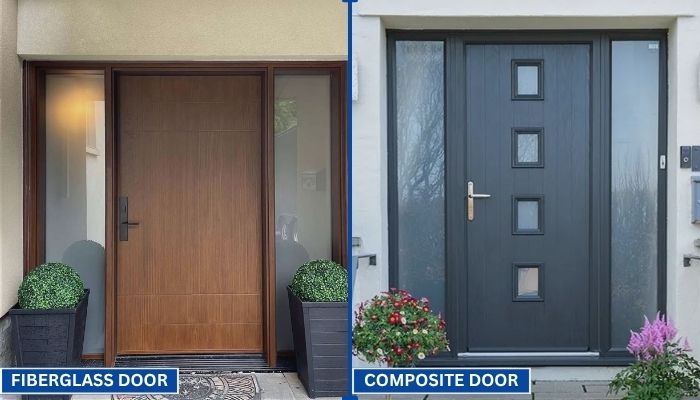
Choosing the right door can be confusing. You want something that looks good, lasts long, and keeps your home secure. Two of the most popular options today are fiberglass and composite doors.
Read More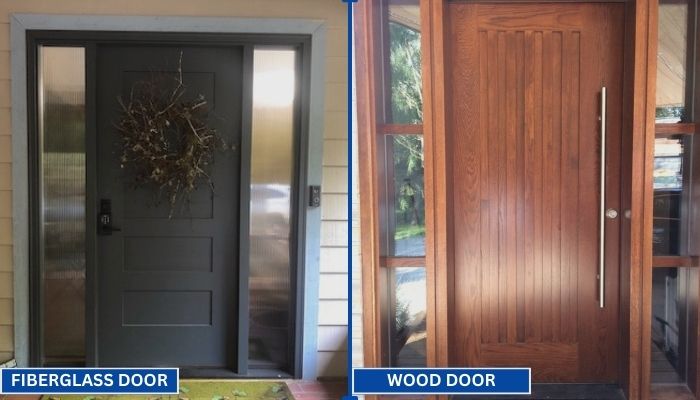
Replacing your front door is a big decision. Wood and fiberglass are two of the most popular materials for entry doors. Each has its own strengths in terms of style, durability, and maintenance. To help you choose the right one for your home, we have to go through a clear comparison.
Read MoreRound Counter Stools bring together comfort, compact design, and everyday durability. They appear at kitchen islands, breakfast bars, cafés, and hospitality projects. Their simple shape can hide important differences. Seat height, footrest placement, frame strength, and finish all affect daily use.
The market context is significant. Grand View Research estimated the global furniture market at USD 736.68 billion in 2023. Its report forecast a 5.0% compound annual growth rate from 2024 to 2030. This broad market figure is not a stool-specific sales estimate. Still, it reflects a large, competitive furniture sector where buyers expect design choice and dependable production.
China is an important sourcing destination, but a factory’s location alone proves little. Buyers should compare product specifications, materials, customization options, quality controls, and export experience. Ask whether listed dimensions refer to the seat or total height. Small details matter. A footrest placed too low can make a stylish stool uncomfortable.
This guide to the Top 10 Round Counter Stool Manufacturers in China offers a practical starting point, not a substitute for supplier checks. Manufacturer capabilities can change, and product photos rarely reveal construction quality. That is worth remembering. We focus on visible strengths and useful comparison points, while recognizing that no single supplier will suit every project. Verify current specifications and request samples before making a final decision.
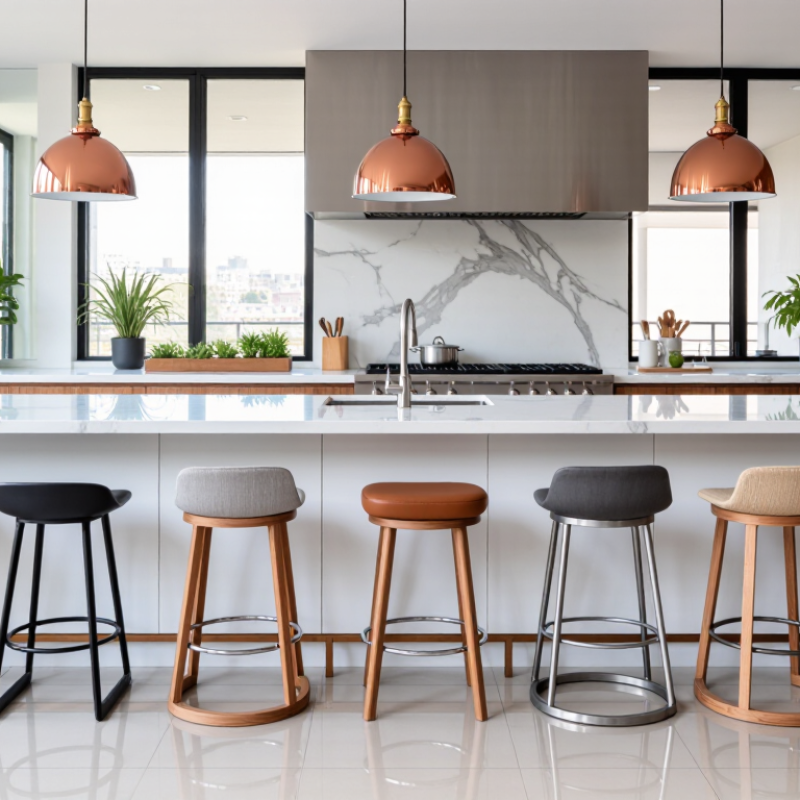
A round counter stool has a circular seat and a height suited to a kitchen island or counter. It is not simply a bar stool with a different name: typical counter-height seats measure about 24 to 27 inches from the floor, while many bar counters need taller seating. Measure the counter before choosing; a gap of roughly 9 to 12 inches between seat and counter edge usually feels comfortable. Small details matter.
Round seats allow people to turn and sit from different angles, which can help in compact kitchens and casual dining areas. Backless models tuck neatly beneath an island, while stools with backs offer more support during longer meals. A stable base, a reachable footrest, and a wipe-clean surface are practical features for busy homes. In cafés, breakfast nooks, and shared workspaces, these stools create informal seating without taking up much floor space. They are not perfect for every room: a small round seat may feel cramped, and a swivel base can shift on uneven flooring. Check the stool’s dimensions and weight capacity against the intended users and space.
We’ll Come To You!
Quality New Windows & Doors. Competitively Priced!
Christine R.
Please, enter a valid value