
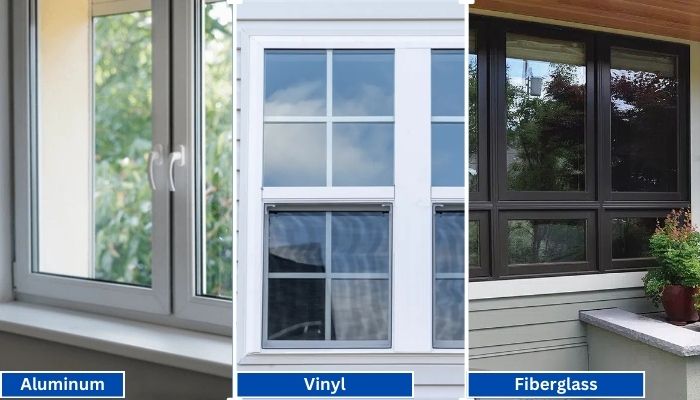
Vinyl generally has the shortest lead times because it is widely produced in standard configurations. Fiberglass is mid-range, especially for factory-painted colors.
Read More
PROUDLY CANADIAN COMPANY OWNED & OPERATED IN TORONTO SINCE 1989!
Vinyl generally has the shortest lead times because it is widely produced in standard configurations. Fiberglass is mid-range, especially for factory-painted colors.
Read More
Vinyl windows have become the go-to choice for homeowners in Toronto, thanks to their durability, energy efficiency, and low maintenance requirements. Whether you're upgrading your home for better insulation or enhancing
Read More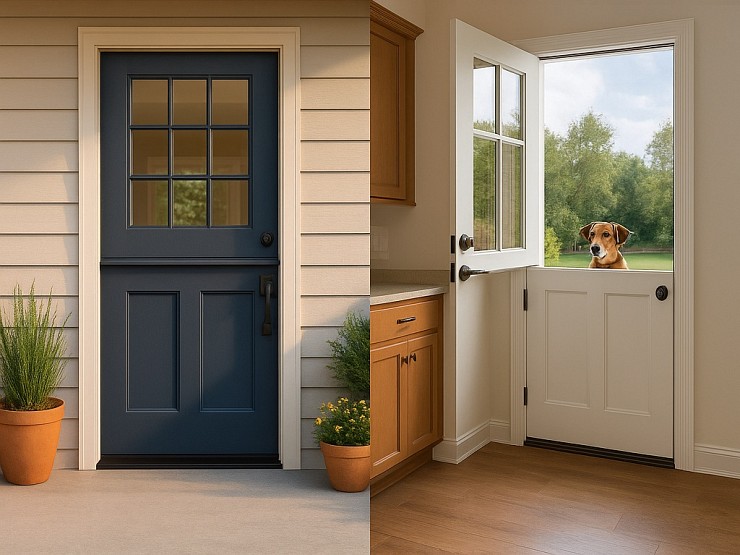
Thinking about changing your front door? A fiberglass Dutch door might have caught your eye. It’s not just a door. It’s part style statement, part smart functionality.
Read More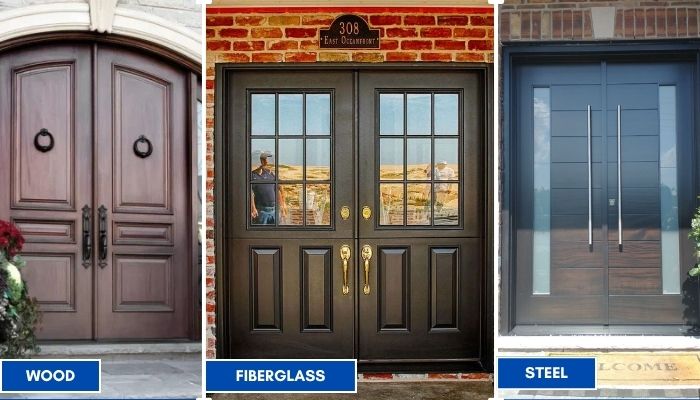
Thinking about replacing your front doors? Double doors are a bold upgrade. They look great, let in more light, and make moving big stuff easier. But the material you choose makes all the difference; especially here in Toronto.
Read More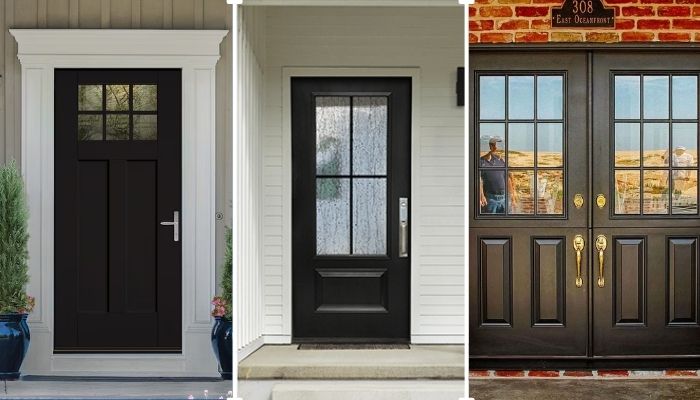
Thinking of giving your home that cozy, farmhouse charm? Let’s talk doors. Specifically, the fiberglass front doors in farmhouse style. You get the rustic look, without the rot, warping, or constant upkeep that comes with wood.
Read More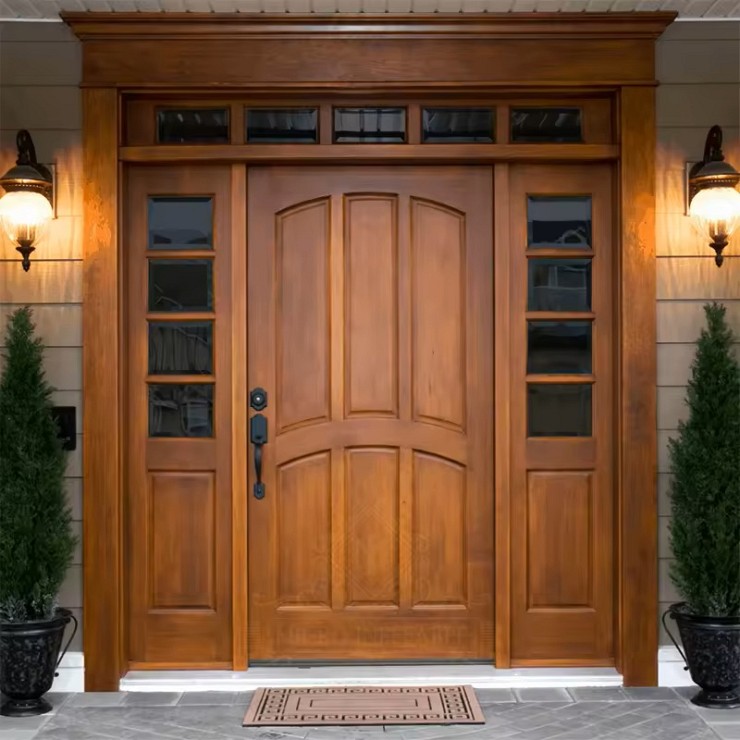
You want something that looks great, lasts long, and doesn’t stress you out with maintenance. You’re not alone. That’s exactly why more and more Toronto homeowners are choosing...
Read More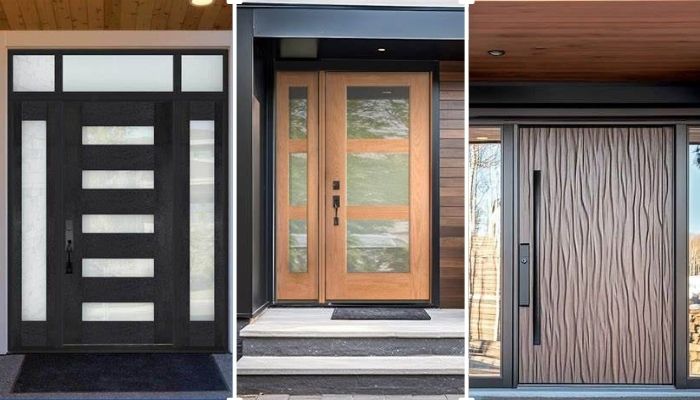
Thinking about replacing your front door? Let’s talk fiberglass. It's one of the smartest upgrades you can make, especially if you're living in Toronto. Whether your current door is drafty, outdated, or just plain boring.
Read More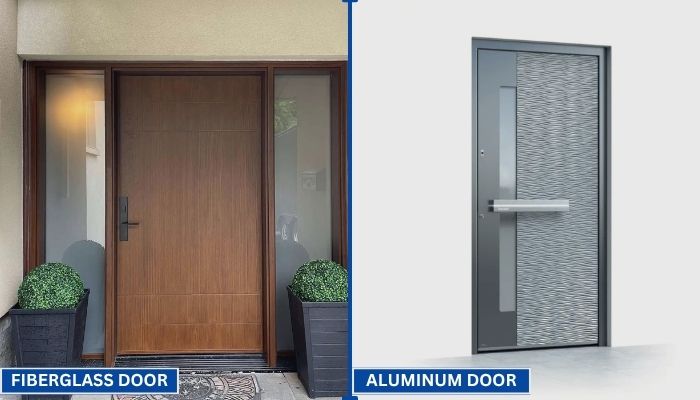
Your front door does more than just open and close. It protects your home, adds curb appeal, and helps control indoor temperature. That’s why picking the right door material matters.
Read More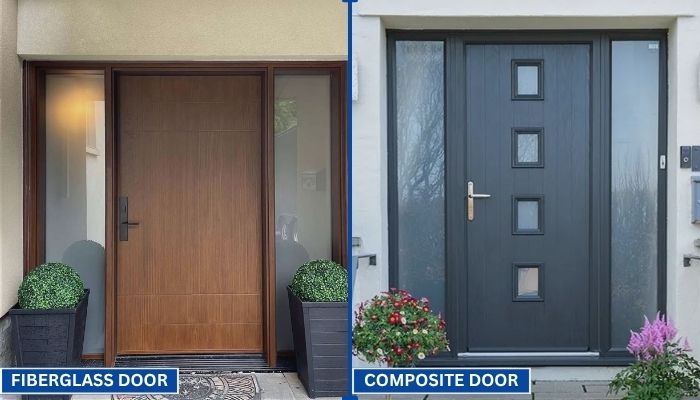
Choosing the right door can be confusing. You want something that looks good, lasts long, and keeps your home secure. Two of the most popular options today are fiberglass and composite doors.
Read More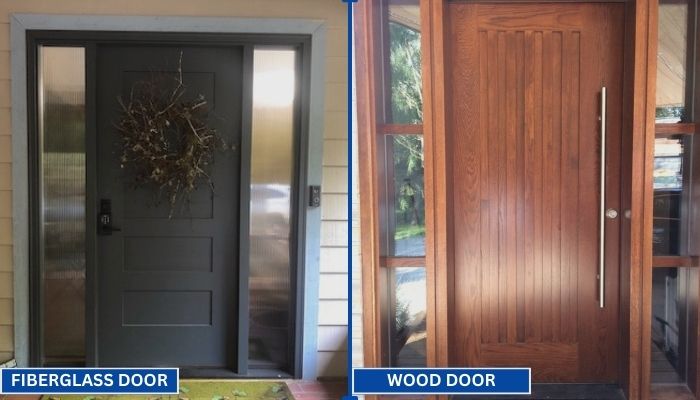
Replacing your front door is a big decision. Wood and fiberglass are two of the most popular materials for entry doors. Each has its own strengths in terms of style, durability, and maintenance. To help you choose the right one for your home, we have to go through a clear comparison.
Read MoreChoosing the right Food Display Stands in 2026 requires more than comparing photos and prices. Global buyers need practical evidence, dependable suppliers, and designs that perform under daily commercial pressure. A polished display may attract attention, but weak joints, unstable trays, or difficult cleaning can quickly damage its value.
This guide examines food display solutions for bakeries, cafés, supermarkets, hotels, catering teams, and international retail projects. It considers stainless steel, tempered glass, acrylic, wood, and mixed-material constructions. Each material affects durability, hygiene routines, appearance, packing weight, and long-term maintenance. Details decide. A stand with rounded edges is easier to wipe. A removable tray simplifies service. A reinforced base reduces movement on busy counters.
Shipping also deserves careful attention. Dimensions, assembly methods, protective packaging, and replacement parts can influence the final purchasing cost. Buyers should request product drawings, load information, surface specifications, sample photos, and clear quality records before approving an order. Supplier communication matters, especially when requirements cross languages, climates, and retail standards.
No ranking is perfect. A low-cost stand may suit a short campaign but disappoint in permanent use. A premium model may offer excellent finish while exceeding a smaller shop’s budget. This guide therefore compares practical strengths and limitations, rather than presenting one universal winner. The best choice depends on food type, customer flow, cleaning frequency, branding goals, and local operating conditions. Careful evaluation remains more reliable than attractive promises.
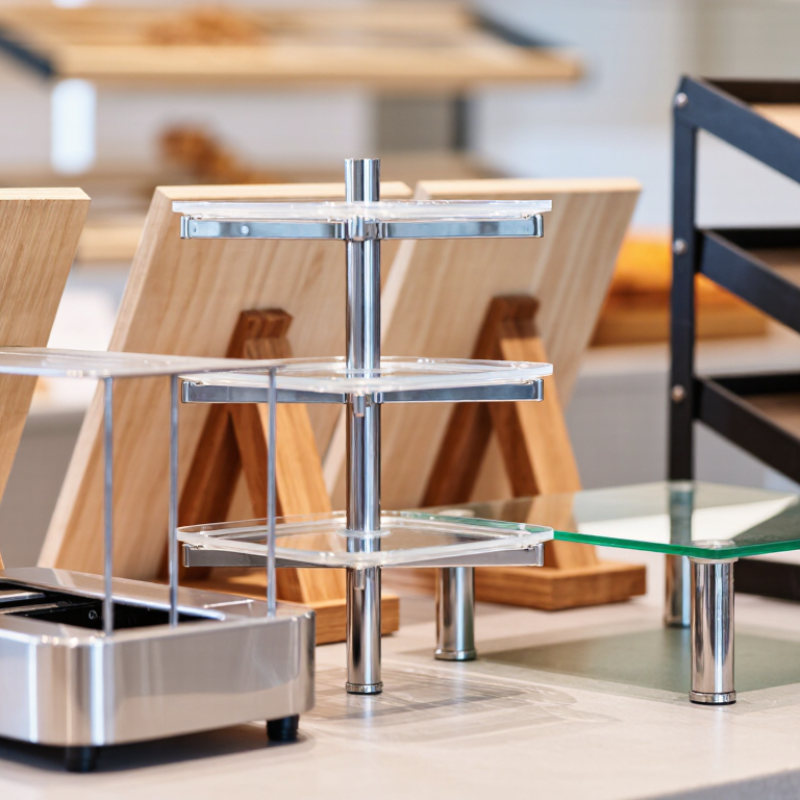
Food display stands in 2026 will be judged by format, user, and measurable buying value. That scope is wider than a simple shelf. Countertop units suit cafés, bakeries, and compact service counters. Floor-standing models support larger product ranges and stronger customer visibility. Refrigerated and heated formats protect food quality during busy selling periods. Modular designs help retailers adjust layouts when products change. Small details matter.
User needs change the specification. Bakery operators often prioritize clear visibility, easy cleaning, and stable trays. Hotels need elegant presentation, flexible capacity, and reliable service during breakfast hours. Supermarkets may request strong lighting, temperature control, and fast restocking access. Mobile caterers usually value low weight, compact storage, and quick assembly. Public-facing venues also need safe edges, stable bases, and materials that tolerate frequent sanitation. Do not treat every buyer alike.
Buying data should connect product features with operating costs. Track footprint, usable capacity, energy demand, and expected daily service hours. Record temperature stability where chilled or heated food is displayed. Compare minimum order quantities, lead times, packaging size, and landed cost before approval. Ask for cleaning instructions and replacement-part availability. Pilot testing is useful. Place one unit near a busy counter, then measure queue movement, restocking time, and product waste. Forecasts are not promises. Weather, rent, staffing, and local habits can change demand quickly. One weakness in many purchasing plans is relying on attractive photos instead of measured workplace performance.
We’ll Come To You!
Quality New Windows & Doors. Competitively Priced!
Christine R.
Please, enter a valid value