
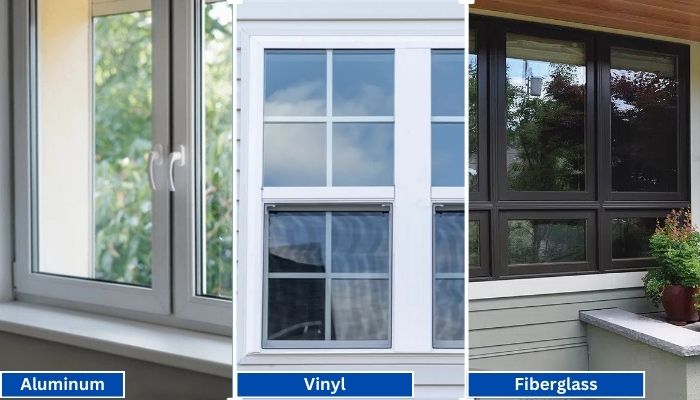
Vinyl generally has the shortest lead times because it is widely produced in standard configurations. Fiberglass is mid-range, especially for factory-painted colors.
Read More
PROUDLY CANADIAN COMPANY OWNED & OPERATED IN TORONTO SINCE 1989!
Vinyl generally has the shortest lead times because it is widely produced in standard configurations. Fiberglass is mid-range, especially for factory-painted colors.
Read More
Vinyl windows have become the go-to choice for homeowners in Toronto, thanks to their durability, energy efficiency, and low maintenance requirements. Whether you're upgrading your home for better insulation or enhancing
Read More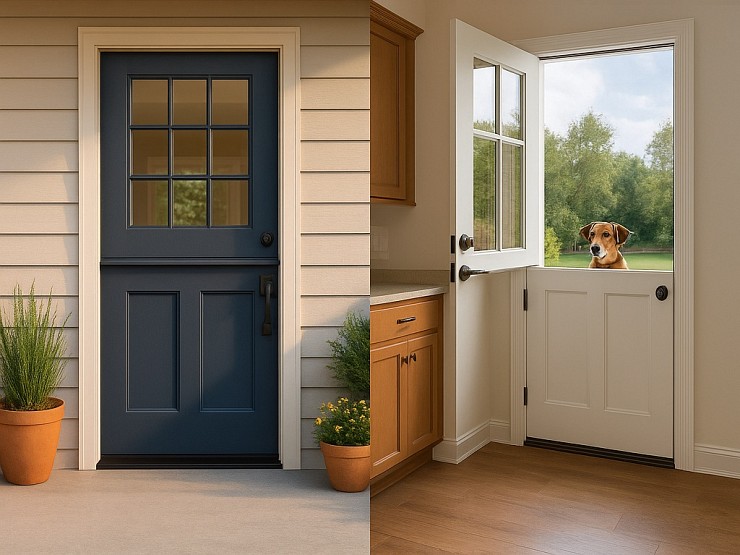
Thinking about changing your front door? A fiberglass Dutch door might have caught your eye. It’s not just a door. It’s part style statement, part smart functionality.
Read More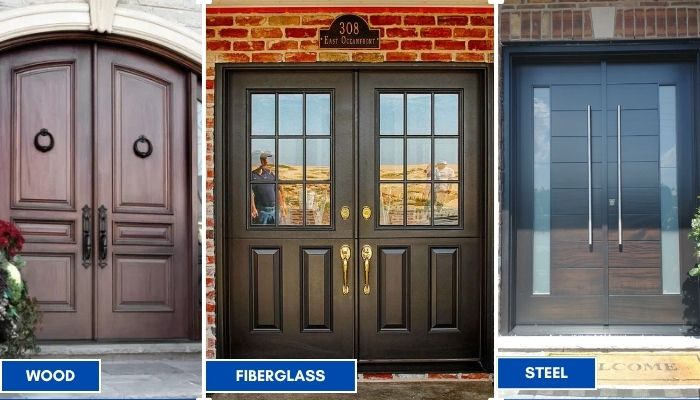
Thinking about replacing your front doors? Double doors are a bold upgrade. They look great, let in more light, and make moving big stuff easier. But the material you choose makes all the difference; especially here in Toronto.
Read More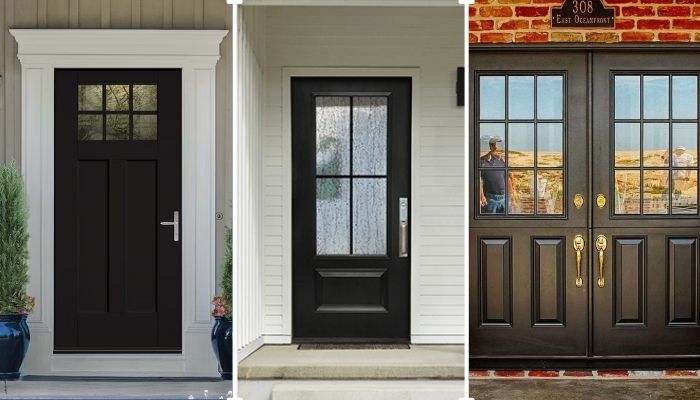
Thinking of giving your home that cozy, farmhouse charm? Let’s talk doors. Specifically, the fiberglass front doors in farmhouse style. You get the rustic look, without the rot, warping, or constant upkeep that comes with wood.
Read More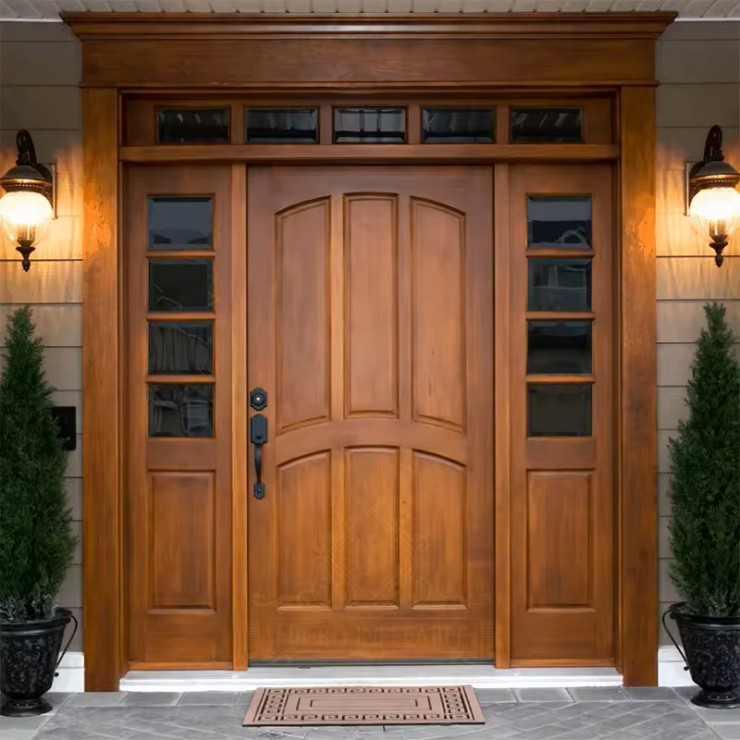
You want something that looks great, lasts long, and doesn’t stress you out with maintenance. You’re not alone. That’s exactly why more and more Toronto homeowners are choosing...
Read More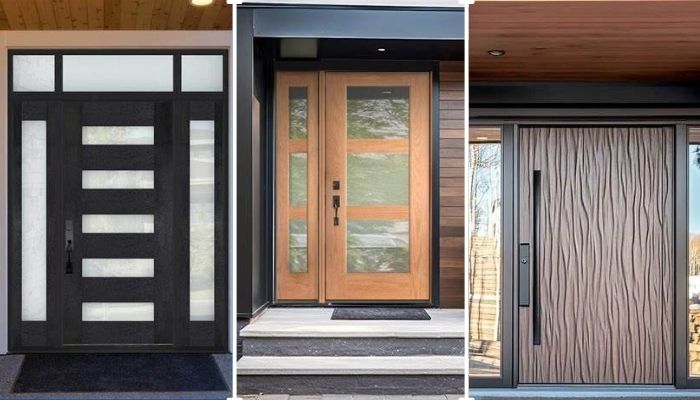
Thinking about replacing your front door? Let’s talk fiberglass. It's one of the smartest upgrades you can make, especially if you're living in Toronto. Whether your current door is drafty, outdated, or just plain boring.
Read More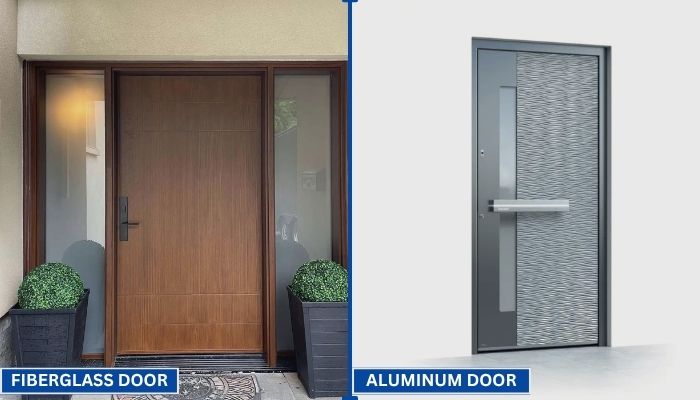
Your front door does more than just open and close. It protects your home, adds curb appeal, and helps control indoor temperature. That’s why picking the right door material matters.
Read More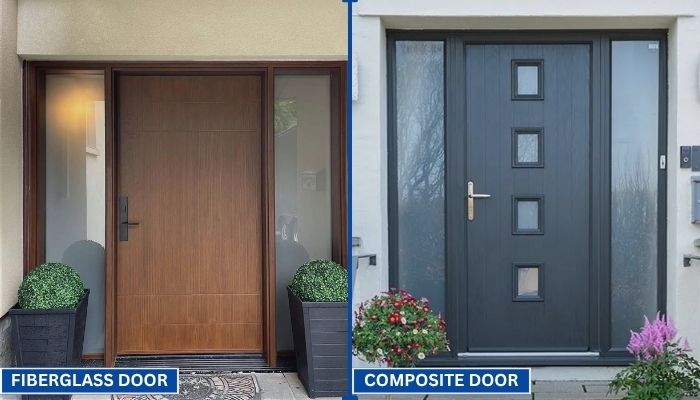
Choosing the right door can be confusing. You want something that looks good, lasts long, and keeps your home secure. Two of the most popular options today are fiberglass and composite doors.
Read More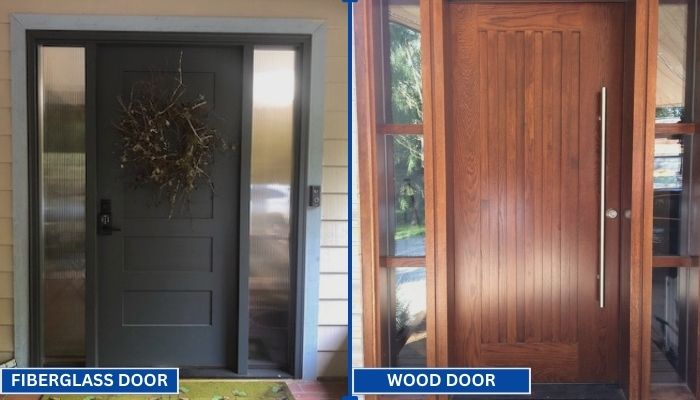
Replacing your front door is a big decision. Wood and fiberglass are two of the most popular materials for entry doors. Each has its own strengths in terms of style, durability, and maintenance. To help you choose the right one for your home, we have to go through a clear comparison.
Read MoreChoosing the right jewelry display cases in 2026 requires more than attractive glass and polished hardware. Global buyers must evaluate visibility, security, lighting, shipping durability, and daily maintenance. A beautiful case can still fail if fingerprints remain visible or hinges loosen after repeated use.
“Good jewelry display begins with controlled attention: the case should support the piece, not compete with it,” says Dr. Sarah Whitmore, an independent jewelry exhibition consultant. Her point is practical. A diamond ring needs focused, neutral lighting, while pearls require softer illumination and careful material choices. Reflections can hide fine details. Excessive brightness can also make valuable pieces look flat.
This guide examines jewelry display cases for retailers, trade-show exhibitors, designers, and international buyers. It considers tempered glass, lock quality, LED color temperature, modular sizing, packaging, and replacement parts. It also compares countertop cases, tower units, wall-mounted systems, and custom-built showcases. Small details matter. A 10-millimeter height difference may change viewing comfort. A poorly positioned cable can damage an otherwise refined presentation.
No case is perfect. Budget, store layout, climate, and product value will influence every decision. Some recommendations may suit a boutique but disappoint a large showroom. That limitation deserves attention. Buyers should request material samples, lighting demonstrations, warranty terms, and shipping photographs before ordering. The strongest choice is not always the most expensive one. It is the case that protects jewelry, supports clear viewing, and remains dependable after the opening display loses its freshness.
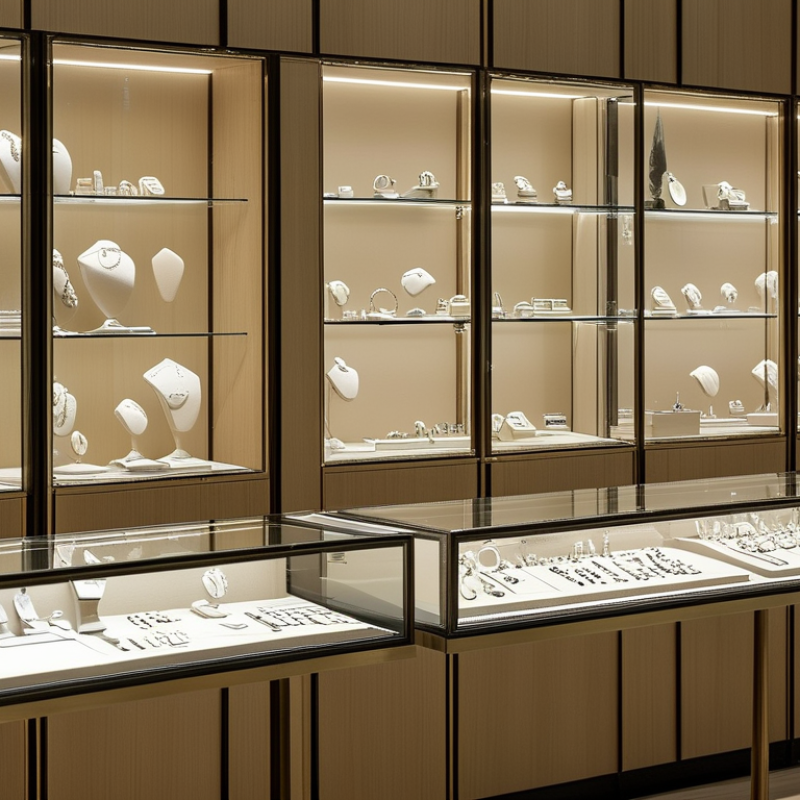
For 2026, jewelry display cases should match the retail environment, not simply follow fashion. Grand View Research estimates the global jewelry market reached USD 353.26 billion in 2023. This scale increases pressure on retailers to present small, high-value items clearly and securely. A glass counter suits compact boutiques, where adjustable LED lighting can highlight rings without creating harsh reflections. Keep the sightline open. Staff need to monitor every tray.
Department stores require modular glass showcases with removable trays and lockable sliding doors. These cases support frequent product changes and seasonal collections. The National Retail Federation’s 2024 National Retail Security Survey reported an average retail shrink rate of 1.44% of sales in 2023. That figure does not prove a case prevents loss, but it supports stronger locks, controlled access, and careful staff positioning. Security should not make customers feel suspected.
Shopping malls benefit from taller tower cases near entrances. They attract attention while using limited floor space. Countertop cases work better beside payment areas for small accessories and gift purchases. In open-plan stores, low cases improve visual flow, yet they offer less protection. This trade-off deserves honest review. I have seen displays look luxurious but become difficult to clean, causing fingerprints and dust to weaken the presentation. Choose tempered glass, replaceable lighting, stable hinges, and trays that can be lifted quickly during daily stock checks. Practical details matter.
We’ll Come To You!
Quality New Windows & Doors. Competitively Priced!
Christine R.
Please, enter a valid value