
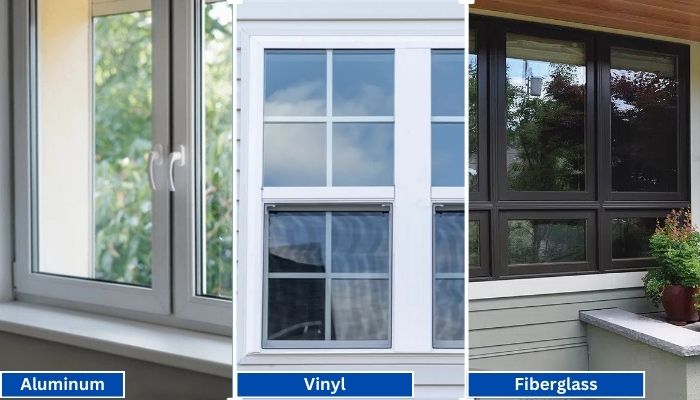
Vinyl generally has the shortest lead times because it is widely produced in standard configurations. Fiberglass is mid-range, especially for factory-painted colors.
Read More
PROUDLY CANADIAN COMPANY OWNED & OPERATED IN TORONTO SINCE 1989!
Vinyl generally has the shortest lead times because it is widely produced in standard configurations. Fiberglass is mid-range, especially for factory-painted colors.
Read More
Vinyl windows have become the go-to choice for homeowners in Toronto, thanks to their durability, energy efficiency, and low maintenance requirements. Whether you're upgrading your home for better insulation or enhancing
Read More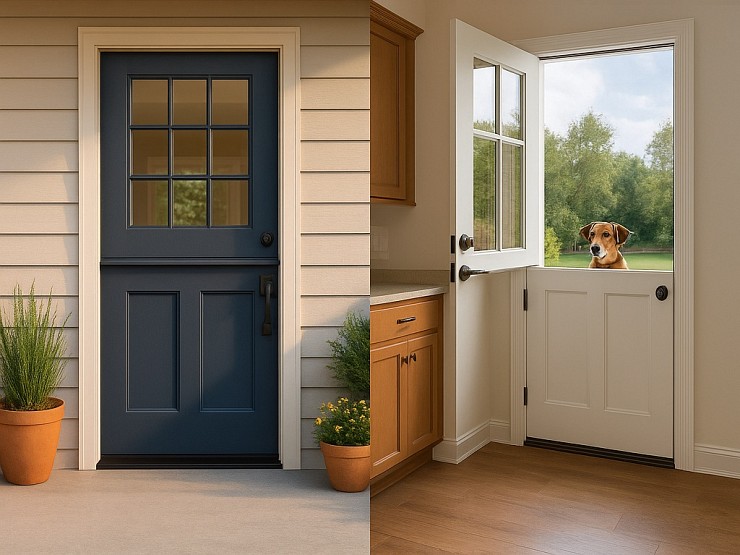
Thinking about changing your front door? A fiberglass Dutch door might have caught your eye. It’s not just a door. It’s part style statement, part smart functionality.
Read More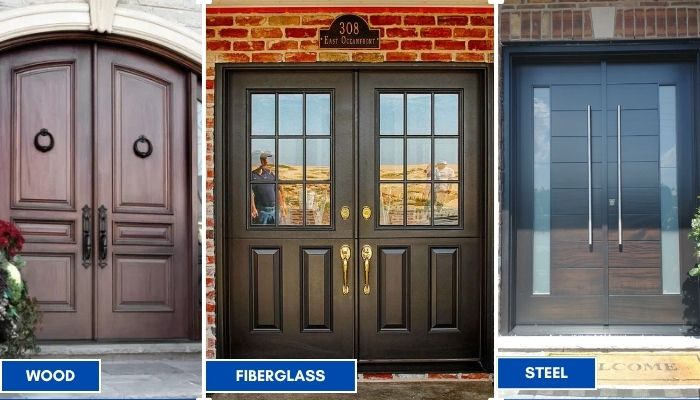
Thinking about replacing your front doors? Double doors are a bold upgrade. They look great, let in more light, and make moving big stuff easier. But the material you choose makes all the difference; especially here in Toronto.
Read More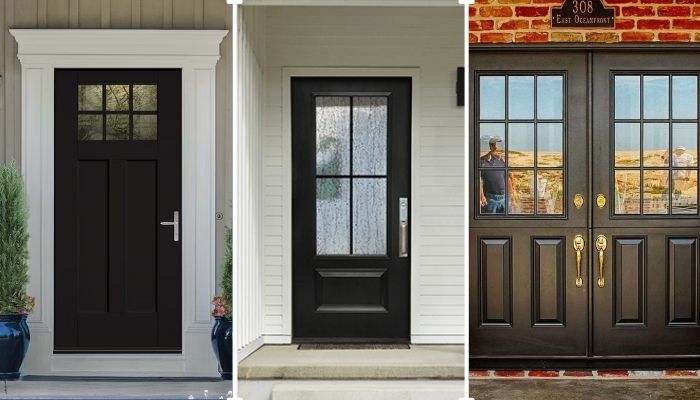
Thinking of giving your home that cozy, farmhouse charm? Let’s talk doors. Specifically, the fiberglass front doors in farmhouse style. You get the rustic look, without the rot, warping, or constant upkeep that comes with wood.
Read More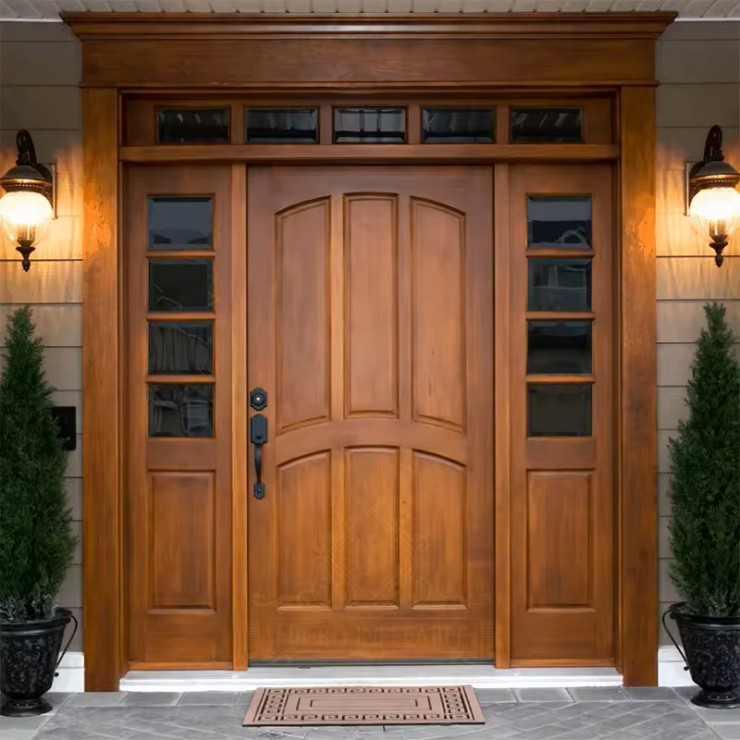
You want something that looks great, lasts long, and doesn’t stress you out with maintenance. You’re not alone. That’s exactly why more and more Toronto homeowners are choosing...
Read More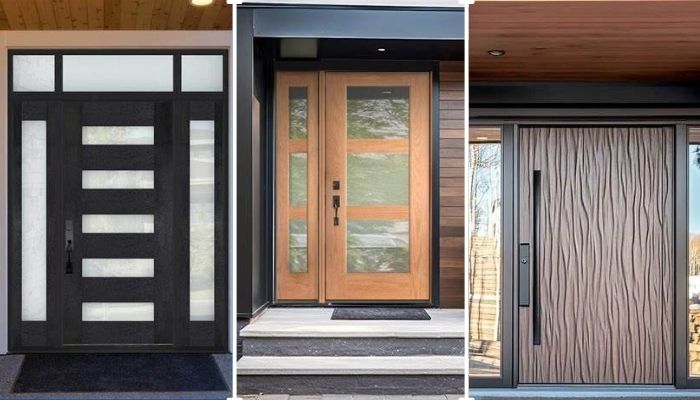
Thinking about replacing your front door? Let’s talk fiberglass. It's one of the smartest upgrades you can make, especially if you're living in Toronto. Whether your current door is drafty, outdated, or just plain boring.
Read More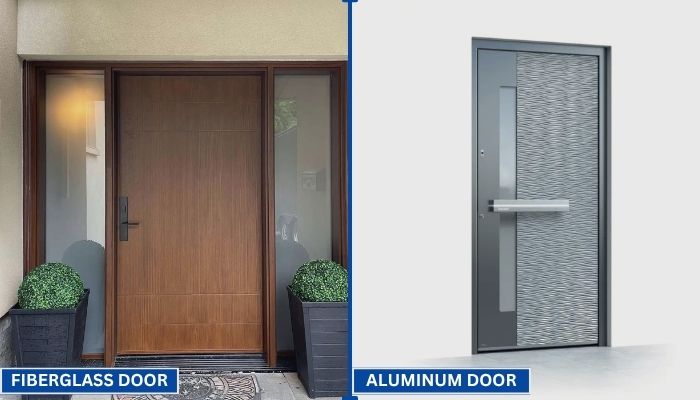
Your front door does more than just open and close. It protects your home, adds curb appeal, and helps control indoor temperature. That’s why picking the right door material matters.
Read More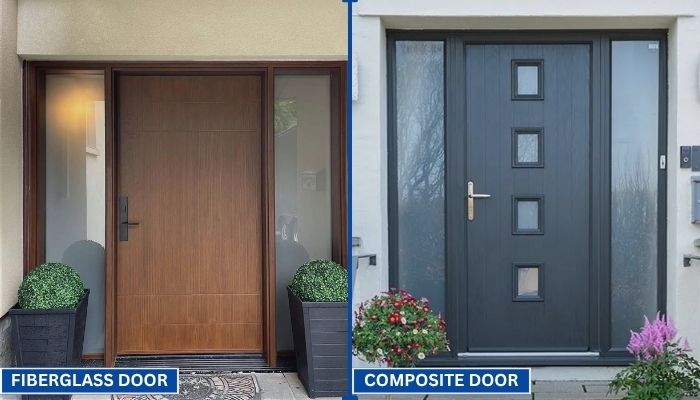
Choosing the right door can be confusing. You want something that looks good, lasts long, and keeps your home secure. Two of the most popular options today are fiberglass and composite doors.
Read More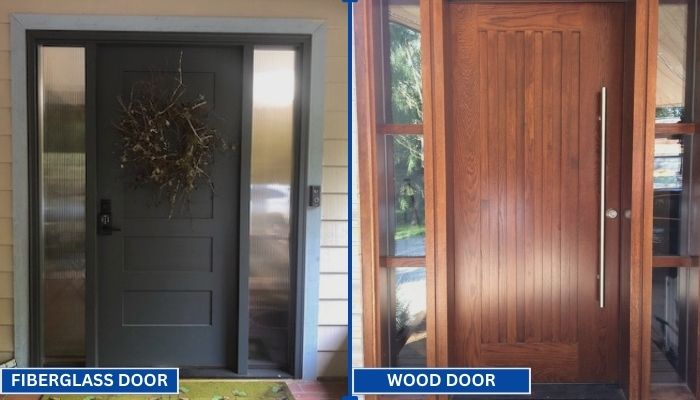
Replacing your front door is a big decision. Wood and fiberglass are two of the most popular materials for entry doors. Each has its own strengths in terms of style, durability, and maintenance. To help you choose the right one for your home, we have to go through a clear comparison.
Read MoreChoosing the right steel structure supplier in 2026 requires more than comparing prices and attractive project photos. A reliable decision begins with evidence. Review the supplier’s completed buildings, fabrication capacity, engineering team, and quality records. Ask for mill certificates, welding procedures, inspection reports, and clear material traceability. These documents should connect each steel beam to its origin and inspection history.
Structural engineer Fazlur Rahman Khan once said, “The technical man must be interested in the social implications of his work.” His words remain relevant when evaluating a steel structure supplier. A responsible supplier protects workers, occupants, communities, and the environment through sound engineering decisions. Look for practical details: certified welders, calibrated testing equipment, corrosion protection, accurate connection design, and realistic delivery schedules. A factory visit can reveal more than a polished website. Observe storage conditions, cutting accuracy, weld inspection, and how workers handle damaged materials.
No checklist is perfect. Even experienced buyers can overlook communication problems, weak subcontractor control, or vague warranty terms. That is why supplier selection should include technical interviews, reference checks, contract reviews, and independent quality verification. Ask how the company manages design changes after fabrication begins. Ask what happens when shipments are delayed. Honest answers matter.
The strongest supplier is not always the cheapest. It is the partner that combines engineering competence, manufacturing discipline, transparent communication, and dependable after-sales support. In 2026, buyers should also examine digital coordination, carbon reporting, recycling plans, and supply-chain resilience. A steel structure may stand for decades. The supplier’s decisions will remain inside it.
Choosing the Right Steel Structure Supplier in 2026
Before comparing prices, define the project loads and governing design code. Record dead loads, live loads, wind pressure, snow, seismic effects, crane loads, and temperature movement. A warehouse near the coast may need stronger wind resistance and corrosion protection than a similar inland building.
Select the code required by the project location and approval authority. AISC 360 uses US-based limit states and references related loading standards. Eurocode 3 works with European design rules and national parameters. GB 50017 follows China’s steel structure design framework. These systems are not interchangeable. Ask each supplier to confirm load combinations, material grades, connection design, deflection limits, and fire requirements in writing.
Demand practical evidence, not polished promises. Request sample calculations, shop drawings, welding procedures, inspection records, and material traceability documents. Check whether the supplier has handled similar spans, roof systems, and site conditions. A reliable technical team should identify missing information before fabrication begins. Small errors matter. A misplaced opening or underestimated crane impact can create expensive site changes. No checklist is perfect. I have seen projects slow down because the design code was named, but its national annex or local approval requirement was ignored. Require a clear responsibility matrix between the supplier, structural engineer, and installer. This makes technical gaps visible before steel reaches the site.
Technical data matrix for defining design conditions, selecting the applicable structural code, and evaluating supplier capability before quotation.
| Data Dimension | Project Information to Define | Typical Design Data or Classification | Relevant Code Framework | Supplier Deliverable to Request | Selection Check |
|---|---|---|---|---|---|
| Design basis | Project location, building use, service life, importance category, governing authority, and design responsibility. | Industrial building, warehouse, commercial building, platform, pipe rack, or multi-storey frame; intended design service life stated in the project brief. | AISC 360 EN 1990 GB 50017 | Written design-basis document identifying the adopted code edition, load combinations, material standards, analysis method, and design assumptions. | Must be confirmed before pricing. |
| Dead loads | Self-weight of steel, slabs, decking, roofing, cladding, finishes, ceilings, permanent equipment, piping, and fixed services. | Use measured or specified component weights. Include allowance for permanent attachments and account for the structural model’s self-weight calculation method. | AISC 360 EN 1991-1-1 GB 50009 | Load take-off, member self-weight settings, permanent-load schedule, and calculation assumptions. | Check that equipment and non-structural permanent loads are not omitted. |
| Imposed and occupancy loads | Occupancy type, floor access, storage arrangement, maintenance zones, partition loads, and concentrated loads. | Loads depend on use and national annex or local requirements; storage and industrial areas commonly require higher or special load cases than ordinary office areas. | ASCE 7 with AISC 360 EN 1991-1-1 GB 50009 | Floor-load plan, distributed and concentrated load cases, and explanation of load categories used in combinations. | Verify use-specific loads with the project engineer. |
| Roof loads | Roof access, maintenance loading, roof-mounted equipment, drainage arrangement, finishes, and suspended services. | Separate permanent roof weight, maintenance or access load, snow load, ponding or water accumulation risk, and equipment reactions. | ASCE 7 / AISC 360 EN 1991-1-3 GB 50009 | Roof load map, local equipment reactions, ponding assessment where applicable, and design combinations. | Confirm whether the roof is accessible and whether snow drift zones apply. |
| Snow and ice | Ground snow data, roof shape, exposure, thermal condition, drifting geometry, parapets, and adjacent higher structures. | Snow actions may include uniform snow, asymmetric snow, drifted snow, and exceptional snow where required by the governing standard. | ASCE 7 EN 1991-1-3 GB 50009 | Source of climatic data, roof snow diagrams, drift cases, and governing snow combination. | Do not use a generic snow value without location and roof geometry. |
| Wind actions | Basic wind data, terrain category, topography, building height, enclosure classification, openings, internal pressure, and façade zones. | Check external pressure, internal pressure, local cladding pressures, overall frame effects, uplift, and serviceability drift. | ASCE 7 with AISC 360 EN 1991-1-4 GB 50009 | Wind criteria, pressure coefficients, wind load cases, façade-zone pressures, and drift results. | Confirm local wind parameters and enclosure assumptions. |
| Seismic actions | Seismic hazard, site class, importance, response spectrum, structural system, ductility level, irregularities, and non-structural restraints. | Define base-shear method, modal analysis requirements, accidental torsion, drift limits, diaphragm behavior, and connection ductility requirements. | ASCE 7 / AISC 341 EN 1998-1 GB 50011 / GB 50017 | Seismic design category or equivalent, response spectrum, system classification, drift checks, and connection design basis. | AISC 360 alone does not replace seismic provisions where AISC 341 is required. |
| Temperature effects | Building length, temperature range, solar exposure, restraint conditions, expansion joints, and connection detailing. | Consider expansion, contraction, thermal gradients, restraint forces, and temperature-sensitive equipment or façades. | AISC 360 EN 1991-1-5 GB 50009 | Temperature load cases, movement calculations, expansion-joint locations, and sliding or fixed support strategy. | Check compatibility between steel movement and cladding or services. |
| Crane and material-handling loads | Crane capacity, wheel loads, trolley position, impact factors, lateral surge, longitudinal forces, duty class, and fatigue cycles. | Include vertical wheel loads, transverse surge, longitudinal traction or braking, accidental skewing where applicable, and fatigue effects. | AISC 360 EN 1991-3 GB 50017 | Crane data sheet, runway-beam reactions, wheel-load envelopes, fatigue assessment, and rail alignment tolerances. | Supplier must demonstrate experience with dynamic and fatigue design. |
| Operational and equipment loads | Machine reactions, vibration, rotating equipment, pressure vessels, silos, tanks, pipes, cable trays, and maintenance operations. | Static reactions may need to be supplemented by dynamic amplification, harmonic forces, vibration limits, or accidental operating cases. | Project specifications AISC 360 EN 1993 GB 50017 | Equipment interface schedule, support reactions, vibration criteria, load envelopes, and coordination drawings. | Require certified equipment reactions rather than preliminary estimates where possible. |
| Accidental and robustness actions | Vehicle impact, blast basis if applicable, dropped objects, fire scenario, progressive-collapse strategy, and abnormal operating events. | Project-specific accidental actions may govern local members, ties, connections, barriers, or alternate-load-path checks. | ASCE 7 / AISC 360 EN 1991-1-7 GB 50009 / GB 50017 | Accidental-load register, robustness concept, fire design interface, and local protection requirements. | Confirm these requirements before selecting member sizes or connection types. |
| Load combinations | Strength, stability, serviceability, fatigue, fire, seismic, and accidental combinations applicable to the project. | Use combinations from the adopted jurisdictional framework; do not mix factors from different standards without engineering justification. | AISC 360 LRFD / ASD EN 1990 GB 50009 / GB 50017 | Complete combination table, governing combinations by limit state, and software load-combination export. | The supplier must identify the governing case for each critical member and connection. |
| Code selection: AISC route | Projects using United States-based or contractually specified American design provisions. | AISC 360 provides general requirements for structural steel buildings and includes both LRFD and ASD design methods. Seismic design may also require AISC 341 and AISC 358. | AISC 360 ASCE 7 AISC 341 AISC 358 | Design calculations, specification references, member and connection checks, and clearly stated LRFD or ASD basis. | Confirm engineer licensing, contract jurisdiction, and required material specifications. |
| Code selection: Eurocode route | Projects adopting European structural design standards or a national Eurocode implementation. | EN 1993 covers steel structures and is used with EN 1990 for basis of design, EN 1991 for actions, and EN 1998 where seismic design applies. National Annex parameters can modify design values. | EN 1990 EN 1991 EN 1993 EN 1998 | National Annex register, design situations, partial factors, buckling curves, connection checks, and execution-class assumptions. | The applicable National Annex must be identified, not assumed. |
| Code selection: China route | Projects designed, approved, or constructed under Mainland China requirements. | GB 50017 is the primary steel-structure design standard and is used with action, seismic, foundation, fire, and construction standards as applicable. | GB 50017 GB 50009 GB 50011 GB 50205 | Chinese-code calculation package, material and welding requirements, seismic assumptions, fabrication tolerances, and inspection plan. | Confirm the current mandatory edition and local approval requirements with the authority having jurisdiction. |
| Materials and traceability | Steel grade, plate and section availability, toughness, weldability, coating system, fastener grade, and delivery condition. | Typical specifications may include ASTM, EN, or GB material standards; the selected grade must match strength, toughness, welding, and temperature requirements. | AISC 360 Chapter A EN 10025 GB/T 1591 | Mill certificates, heat-number traceability, material substitution procedure, welding procedure specifications, and inspection records. | Reject undocumented substitutions or incomplete mill certification. |
| Connections and fabrication | Bolt type, weld category, slip-critical requirements, erection sequence, access, tolerances, and site-welding limitations. | Connection design must address strength, stiffness, ductility, fatigue where relevant, erection forces, and inspection requirements. | AISC 360 / RCSC EN 1993-1-8 GB 50017 / GB 50661 | Shop drawings, connection calculations, weld procedures, bolt installation method, NDT plan, and erection method statement. | Evaluate engineering and fabrication as one coordinated capability. |
| Serviceability and durability | Deflection limits, vibration criteria, drift limits, corrosion environment, fire rating, drainage, and maintenance access. | Serviceability limits are project- and use-dependent; corrosion protection and fire protection must be compatible with the exposure and required rating. | AISC 360 EN 1993-1-1 / EN 1993-1-2 GB 50017 | Deflection and vibration report, corrosion category or exposure basis, coating specification, fire-protection design, and maintenance plan. | Do not compare suppliers using steel tonnage alone; compare whole-life performance. |
| Supplier evaluation evidence | Engineering competence, software capability, quality system, production capacity, inspection resources, schedule, and site support. | Evidence should cover calculation review, BIM or detailing workflow, welding qualifications, dimensional control, coating inspection, packing, and erection support. | Project specification Applicable code Quality plan | Anonymous capability matrix, sample calculation index, inspection and test plan, fabrication schedule, nonconformance process, and references to comparable project types without disclosing confidential company data. | Select based on verified technical evidence, not only quoted price. |
We’ll Come To You!
Quality New Windows & Doors. Competitively Priced!
Christine R.
Please, enter a valid value