
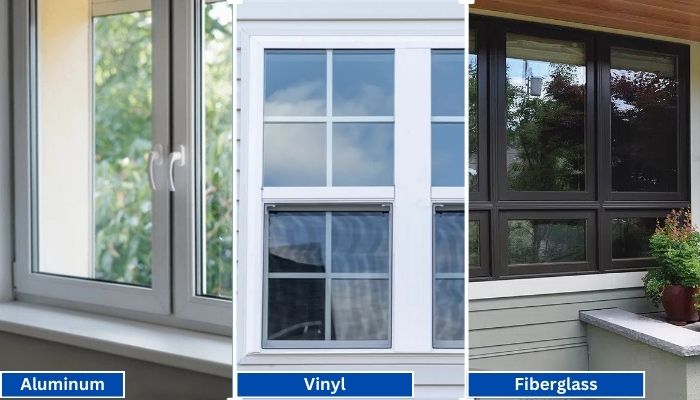
Vinyl generally has the shortest lead times because it is widely produced in standard configurations. Fiberglass is mid-range, especially for factory-painted colors.
Read More
PROUDLY CANADIAN COMPANY OWNED & OPERATED IN TORONTO SINCE 1989!
Vinyl generally has the shortest lead times because it is widely produced in standard configurations. Fiberglass is mid-range, especially for factory-painted colors.
Read More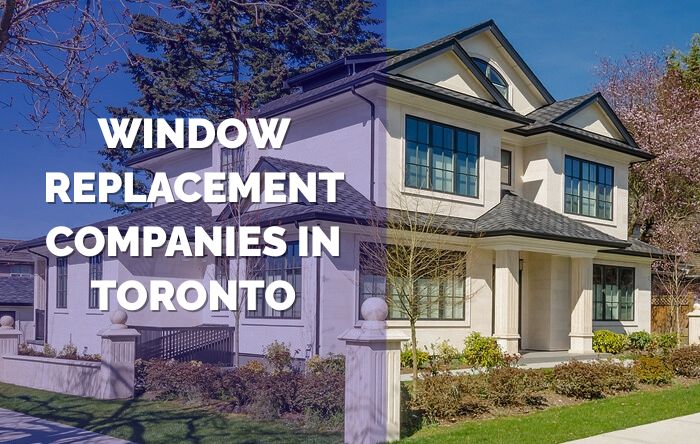
Vinyl windows have become the go-to choice for homeowners in Toronto, thanks to their durability, energy efficiency, and low maintenance requirements. Whether you're upgrading your home for better insulation or enhancing
Read More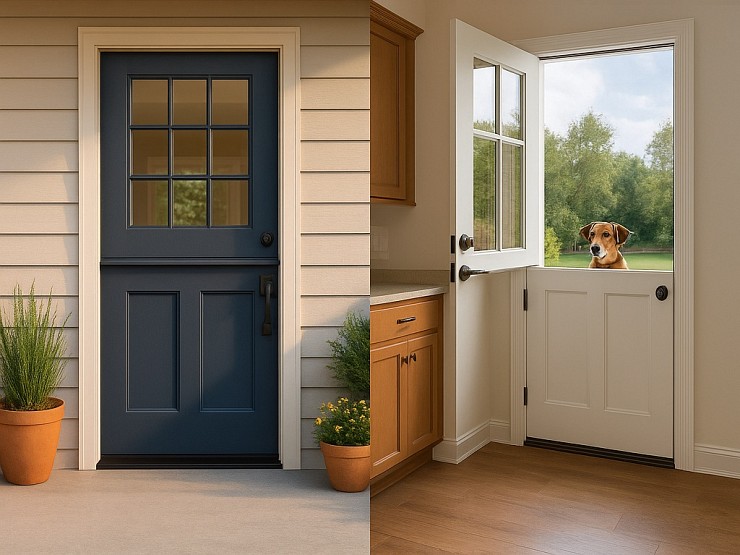
Thinking about changing your front door? A fiberglass Dutch door might have caught your eye. It’s not just a door. It’s part style statement, part smart functionality.
Read More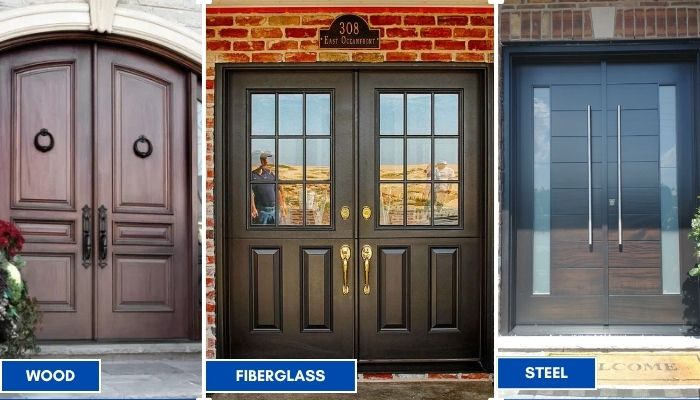
Thinking about replacing your front doors? Double doors are a bold upgrade. They look great, let in more light, and make moving big stuff easier. But the material you choose makes all the difference; especially here in Toronto.
Read More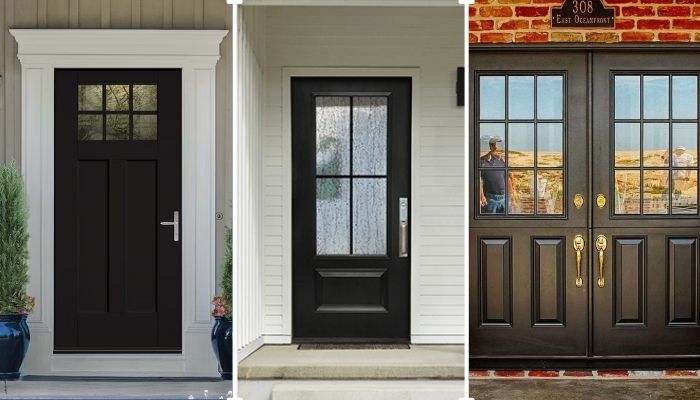
Thinking of giving your home that cozy, farmhouse charm? Let’s talk doors. Specifically, the fiberglass front doors in farmhouse style. You get the rustic look, without the rot, warping, or constant upkeep that comes with wood.
Read More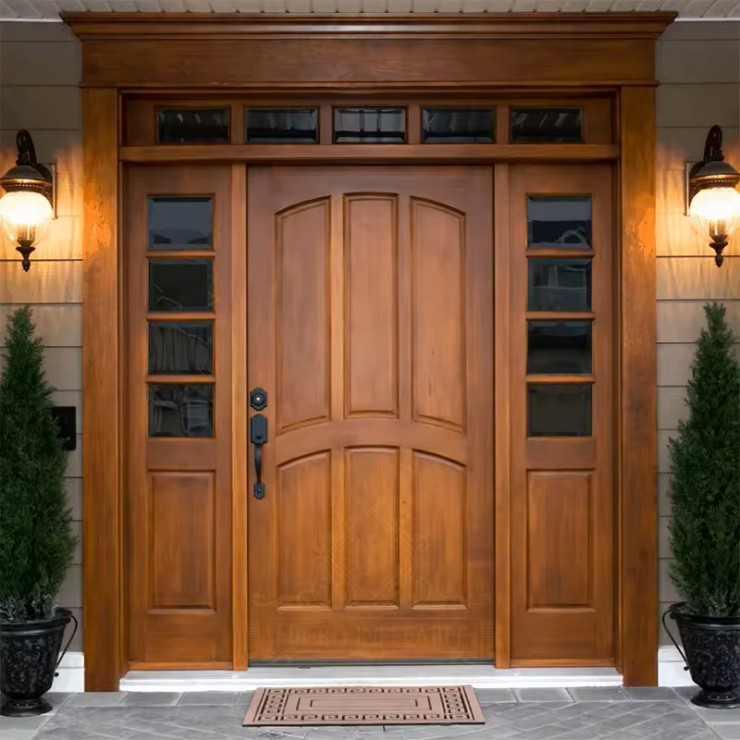
You want something that looks great, lasts long, and doesn’t stress you out with maintenance. You’re not alone. That’s exactly why more and more Toronto homeowners are choosing...
Read More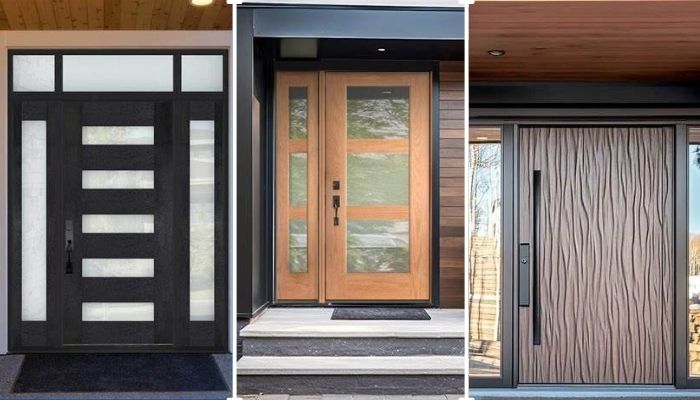
Thinking about replacing your front door? Let’s talk fiberglass. It's one of the smartest upgrades you can make, especially if you're living in Toronto. Whether your current door is drafty, outdated, or just plain boring.
Read More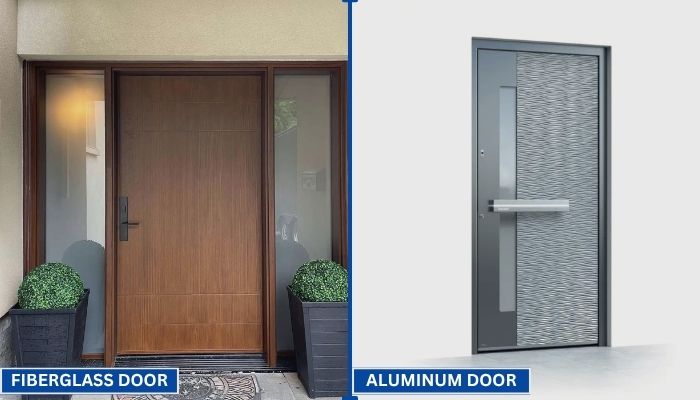
Your front door does more than just open and close. It protects your home, adds curb appeal, and helps control indoor temperature. That’s why picking the right door material matters.
Read More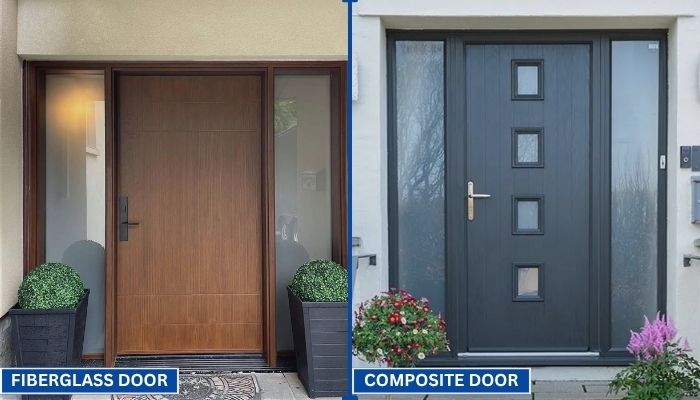
Choosing the right door can be confusing. You want something that looks good, lasts long, and keeps your home secure. Two of the most popular options today are fiberglass and composite doors.
Read More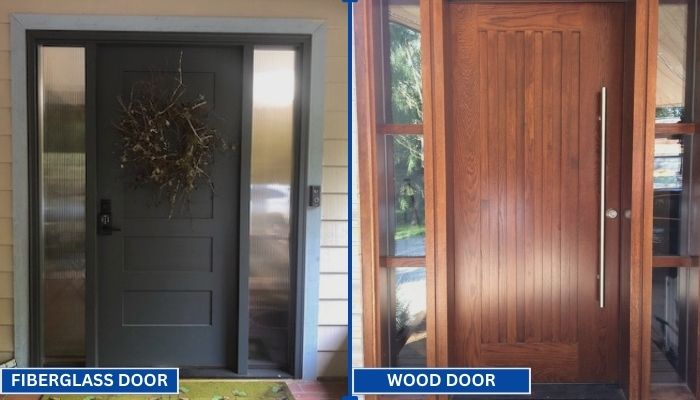
Replacing your front door is a big decision. Wood and fiberglass are two of the most popular materials for entry doors. Each has its own strengths in terms of style, durability, and maintenance. To help you choose the right one for your home, we have to go through a clear comparison.
Read MoreThe China Prefabricated Buildings Market is witnessing a significant transformation. With urbanization accelerating at a remarkable pace, the demand for efficient construction solutions is growing. Prefabricated buildings are emerging as a viable alternative, promising faster construction timelines and lower costs. However, challenges remain in quality control and integration with traditional building methods.
Experts highlight that innovation is key to success in this market. Companies are exploring advanced materials and technologies to enhance the durability and aesthetic appeal of prefabricated structures. These developments present opportunities, but they also require careful evaluation of environmental impacts. The industry's future will depend on balancing efficiency with sustainability.
As stakeholders analyze the potential of the China Prefabricated Buildings Market, they must consider both the opportunities and risks involved. Understanding market dynamics will be crucial for those looking to enter or expand their presence. The coming years will likely see heightened competition and ongoing shifts in consumer preferences. This evolving landscape invites a closer look at how these factors will shape the future of construction in China.
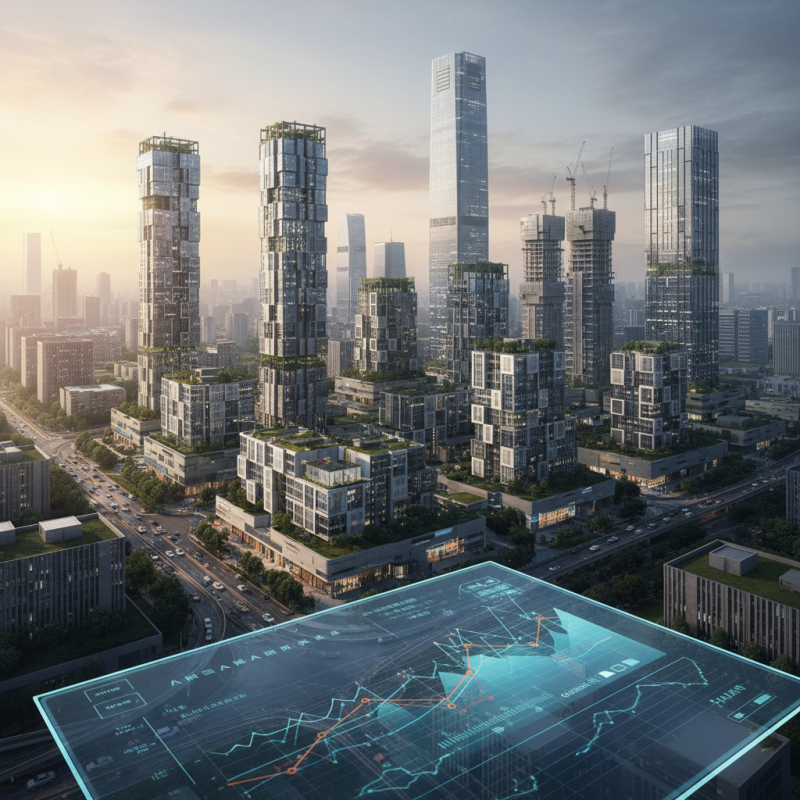
The China prefabricated buildings market is experiencing notable growth. In 2026, the market is projected to reach approximately $80 billion. This surge can be attributed to rapid urbanization and a focus on sustainable construction practices. According to a recent industry report, the demand for prefabricated structures will grow by over 15% annually.
Several factors contribute to this expansion. Cost-effectiveness and reduced construction time are key benefits. Prefabricated buildings minimize waste, aligning with global sustainability efforts. Increased investment in infrastructure, particularly in urban areas, further fuels this trend. However, challenges remain. There can be inconsistencies in quality control, and some stakeholders are hesitant to adopt new technologies.
Additionally, the market faces regulatory hurdles. Adapting building codes to accommodate prefabricated designs is crucial. As more companies enter the sector, the landscape will become increasingly competitive. Insightful data from industry analyses indicates that collaboration between manufacturers and architects is essential for overcoming these barriers. The future of China's prefabricated building market holds significant promise, yet it requires careful navigation of these ongoing issues.
We’ll Come To You!
Quality New Windows & Doors. Competitively Priced!
Christine R.
Please, enter a valid value