
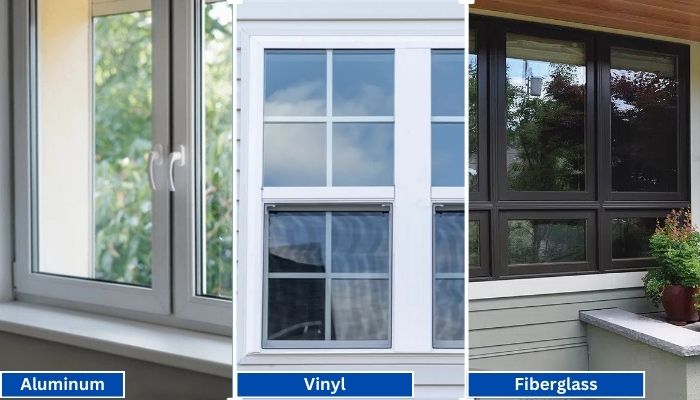
Vinyl generally has the shortest lead times because it is widely produced in standard configurations. Fiberglass is mid-range, especially for factory-painted colors.
Read More
PROUDLY CANADIAN COMPANY OWNED & OPERATED IN TORONTO SINCE 1989!
Vinyl generally has the shortest lead times because it is widely produced in standard configurations. Fiberglass is mid-range, especially for factory-painted colors.
Read More
Vinyl windows have become the go-to choice for homeowners in Toronto, thanks to their durability, energy efficiency, and low maintenance requirements. Whether you're upgrading your home for better insulation or enhancing
Read More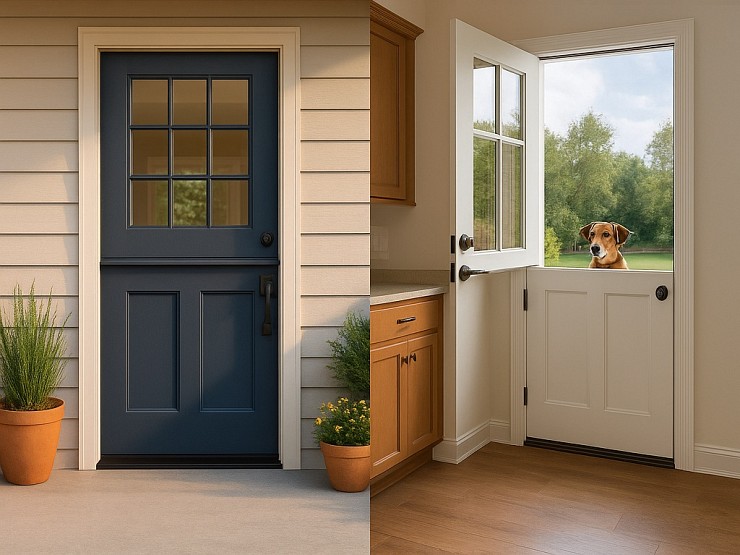
Thinking about changing your front door? A fiberglass Dutch door might have caught your eye. It’s not just a door. It’s part style statement, part smart functionality.
Read More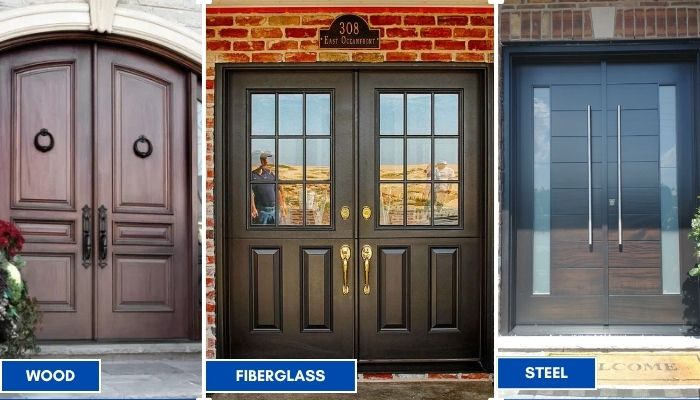
Thinking about replacing your front doors? Double doors are a bold upgrade. They look great, let in more light, and make moving big stuff easier. But the material you choose makes all the difference; especially here in Toronto.
Read More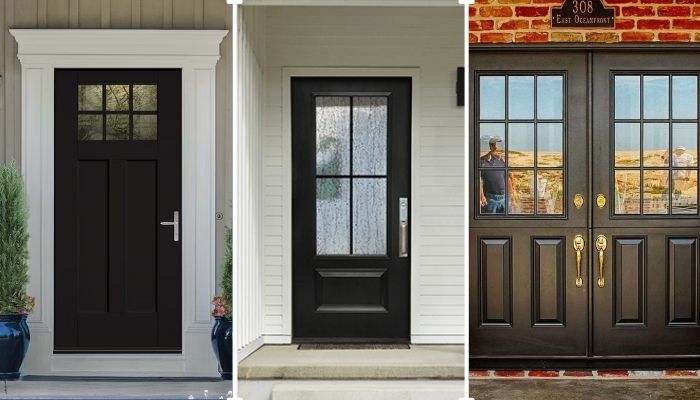
Thinking of giving your home that cozy, farmhouse charm? Let’s talk doors. Specifically, the fiberglass front doors in farmhouse style. You get the rustic look, without the rot, warping, or constant upkeep that comes with wood.
Read More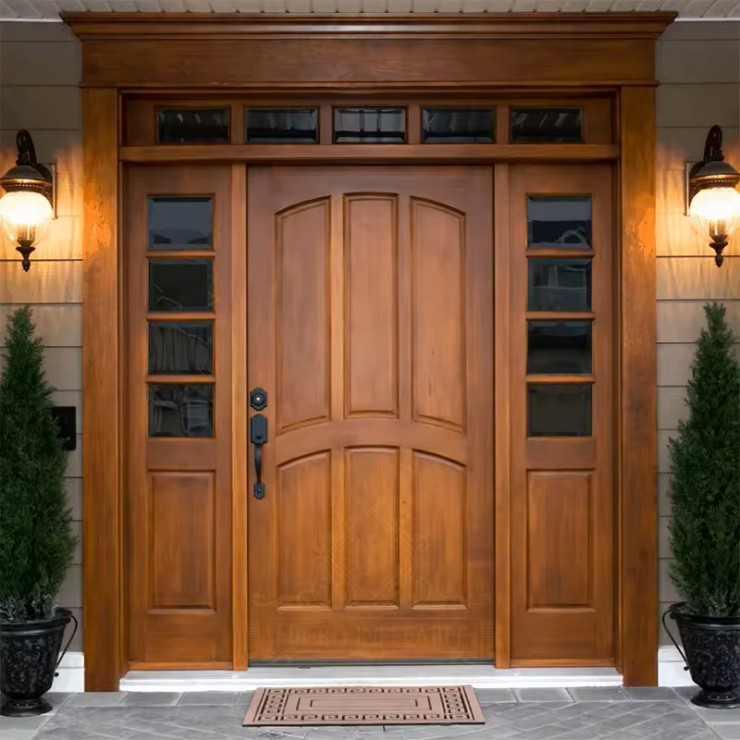
You want something that looks great, lasts long, and doesn’t stress you out with maintenance. You’re not alone. That’s exactly why more and more Toronto homeowners are choosing...
Read More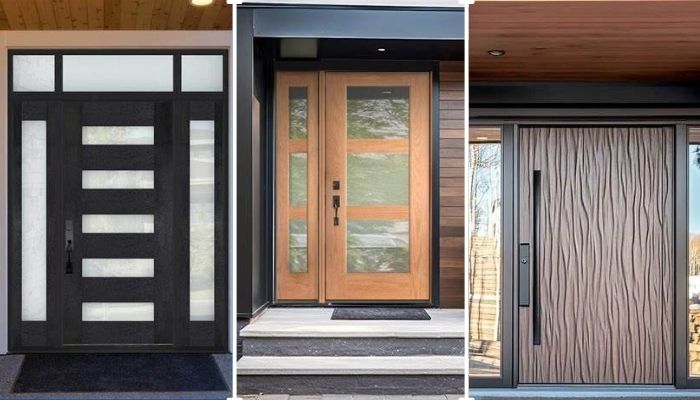
Thinking about replacing your front door? Let’s talk fiberglass. It's one of the smartest upgrades you can make, especially if you're living in Toronto. Whether your current door is drafty, outdated, or just plain boring.
Read More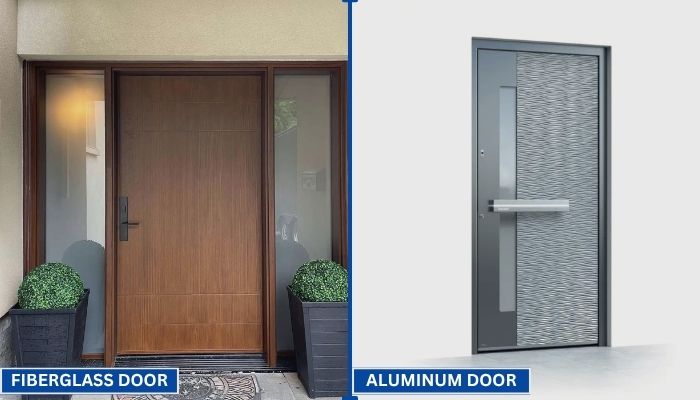
Your front door does more than just open and close. It protects your home, adds curb appeal, and helps control indoor temperature. That’s why picking the right door material matters.
Read More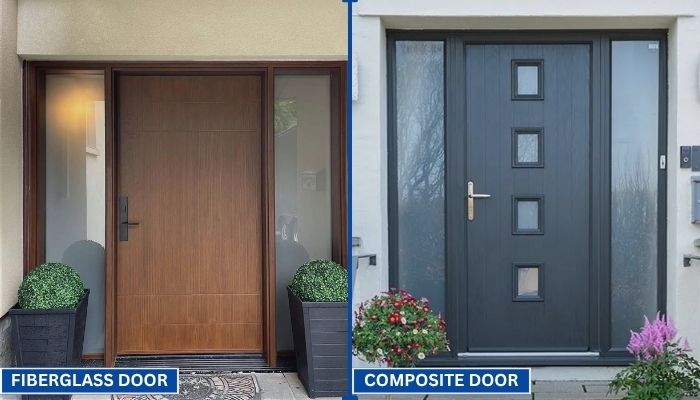
Choosing the right door can be confusing. You want something that looks good, lasts long, and keeps your home secure. Two of the most popular options today are fiberglass and composite doors.
Read More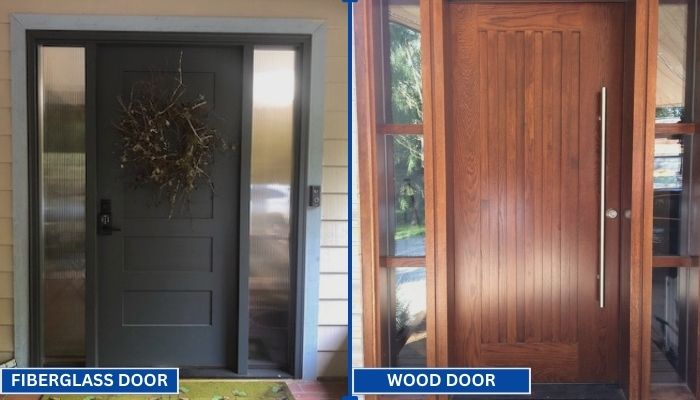
Replacing your front door is a big decision. Wood and fiberglass are two of the most popular materials for entry doors. Each has its own strengths in terms of style, durability, and maintenance. To help you choose the right one for your home, we have to go through a clear comparison.
Read MoreThe 2026 global building market demands panels that balance appearance, safety, durability, and cost. Aluminum composite panels remain popular for façades, signage, interiors, and transport applications. However, product quality can vary significantly between suppliers.
This guide examines leading Aluminum Composite Panel Manufacturers worldwide through practical purchasing criteria. These criteria include core composition, coating performance, fire classification, flatness, weather resistance, and production consistency. It also considers factory capacity, certification records, export experience, technical support, and after-sales service. A reliable Aluminum Composite Panel Manufacturer should provide traceable specifications, clear test documentation, and samples that match mass production.
Real projects often reveal details that brochures omit. Panel edges may show uneven bonding. Colors can shift under strong sunlight. Protective films may leave residue after long storage. These issues matter on a busy façade installation site. Buyers should compare verified samples, production records, and independent test results before signing contracts.
The ranking is not absolute. Market conditions change. Some manufacturers disclose limited information, while regional strengths remain difficult to compare fairly. That limitation deserves attention. A lower-ranked company may still suit a specific climate, budget, or project scale. Conversely, a well-known brand may not fit every application. This introduction supports careful evaluation rather than automatic selection. Readers should confirm current certifications, local compliance requirements, lead times, and warranty terms directly with each manufacturer. Reliable decisions come from evidence, site experience, and honest questions.
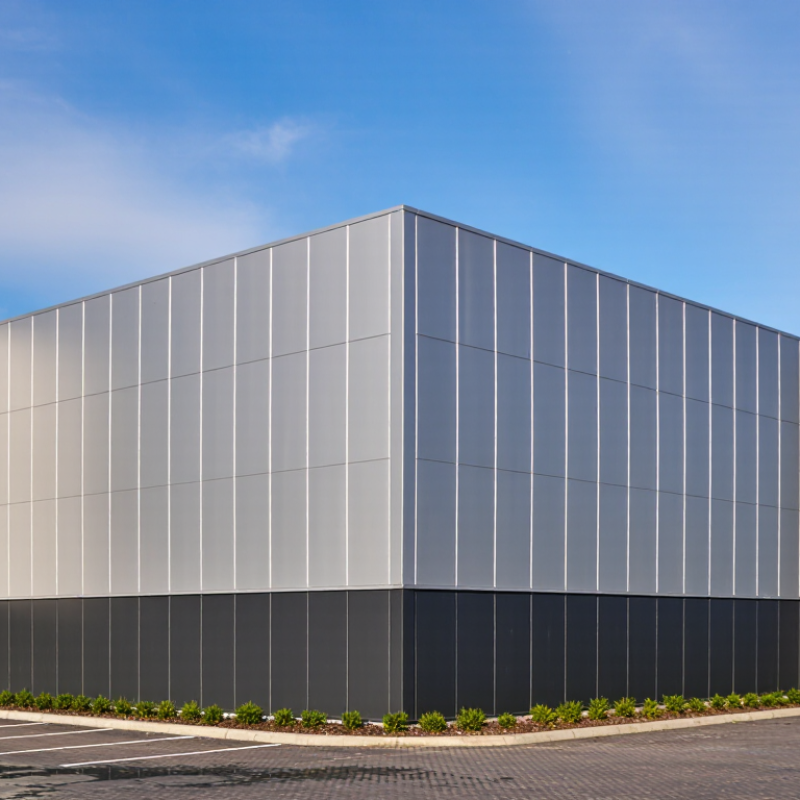
2026 Top Aluminum Composite Panel Manufacturers Worldwide
Aluminum composite panels are flat building materials with two thin aluminum skins bonded to a lightweight core. They combine low weight, surface stability, and flexible design options. The panel is not solid aluminum. That distinction matters during specification, fabrication, and fire-risk assessment.
Their role extends beyond appearance. ACP systems can protect façades from rain, ultraviolet exposure, and moderate impact. They also reduce dead load on supporting structures. Global Market Insights estimated the aluminum composite panels market at over USD 6 billion in 2023, with continued growth expected through 2032. Construction renovation and energy-conscious façades are major demand drivers.
Performance depends on more than the panel sheet. Core composition, joint design, cavity barriers, coating quality, and installation workmanship all affect safety. A glossy surface may look excellent under showroom lighting, yet hide weak detailing around windows. The International Aluminium Institute reports that recycled aluminum requires about 5% of the energy used for primary production. That supports circular design, although recycling the complete bonded panel remains technically difficult. The data is useful, but not flawless. Project teams should verify test certificates, local code compliance, and full-system performance instead of trusting isolated marketing claims.
We’ll Come To You!
Quality New Windows & Doors. Competitively Priced!
Christine R.
Please, enter a valid value