
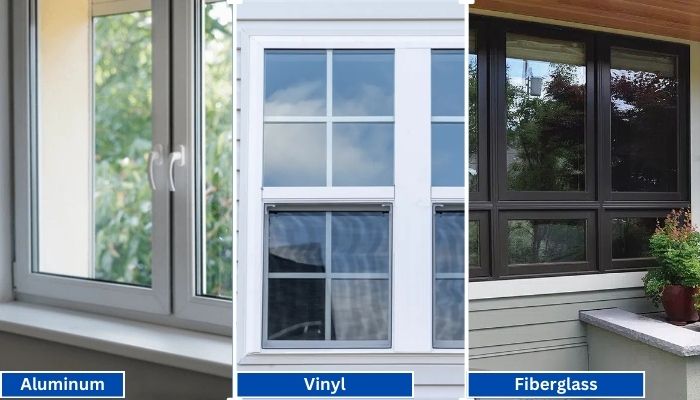
Vinyl generally has the shortest lead times because it is widely produced in standard configurations. Fiberglass is mid-range, especially for factory-painted colors.
Read More
PROUDLY CANADIAN COMPANY OWNED & OPERATED IN TORONTO SINCE 1989!
Vinyl generally has the shortest lead times because it is widely produced in standard configurations. Fiberglass is mid-range, especially for factory-painted colors.
Read More
Vinyl windows have become the go-to choice for homeowners in Toronto, thanks to their durability, energy efficiency, and low maintenance requirements. Whether you're upgrading your home for better insulation or enhancing
Read More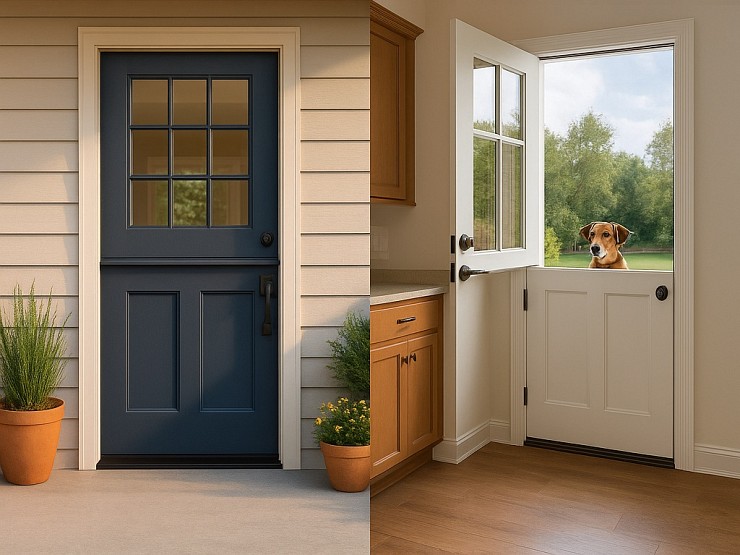
Thinking about changing your front door? A fiberglass Dutch door might have caught your eye. It’s not just a door. It’s part style statement, part smart functionality.
Read More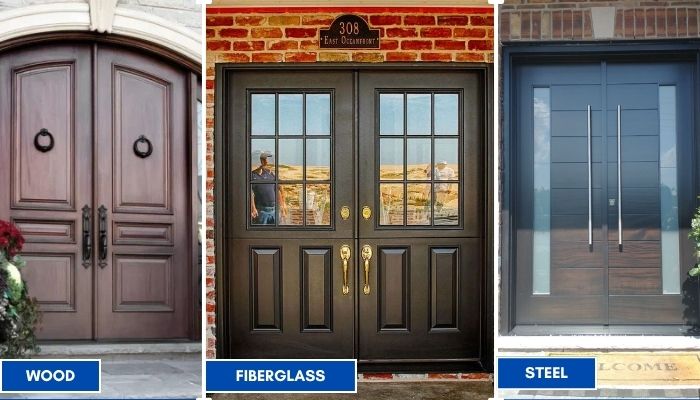
Thinking about replacing your front doors? Double doors are a bold upgrade. They look great, let in more light, and make moving big stuff easier. But the material you choose makes all the difference; especially here in Toronto.
Read More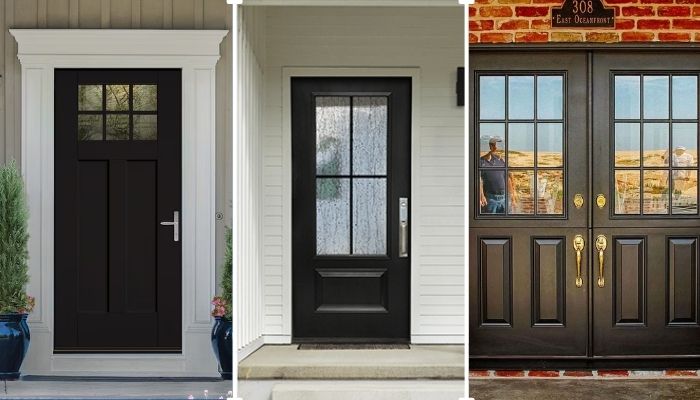
Thinking of giving your home that cozy, farmhouse charm? Let’s talk doors. Specifically, the fiberglass front doors in farmhouse style. You get the rustic look, without the rot, warping, or constant upkeep that comes with wood.
Read More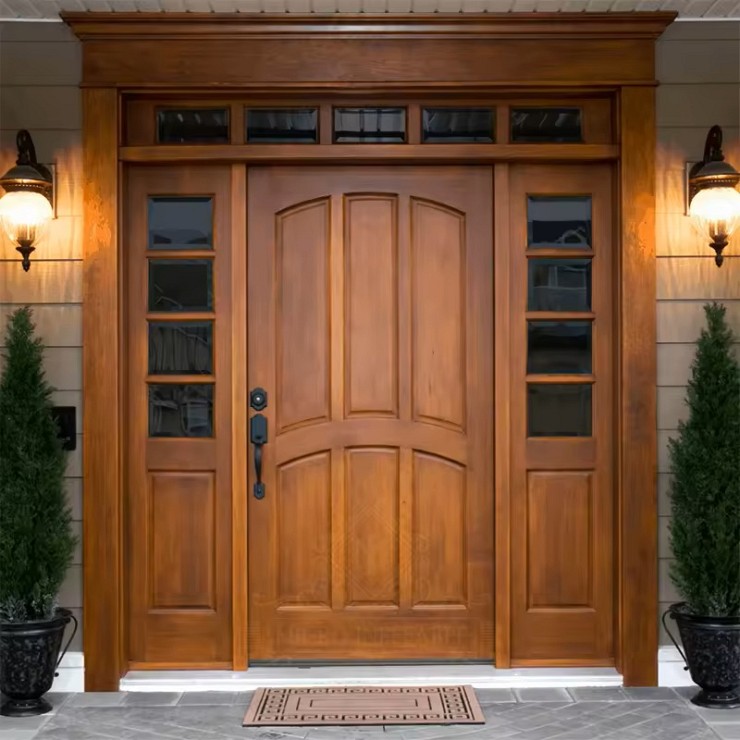
You want something that looks great, lasts long, and doesn’t stress you out with maintenance. You’re not alone. That’s exactly why more and more Toronto homeowners are choosing...
Read More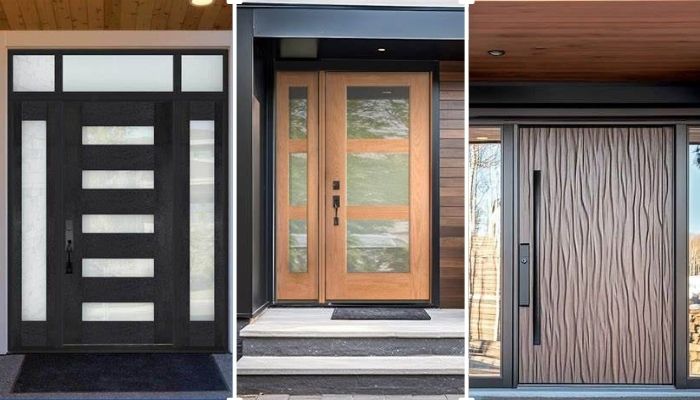
Thinking about replacing your front door? Let’s talk fiberglass. It's one of the smartest upgrades you can make, especially if you're living in Toronto. Whether your current door is drafty, outdated, or just plain boring.
Read More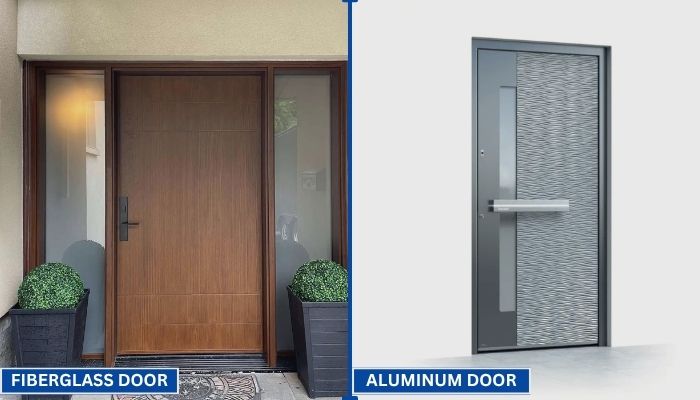
Your front door does more than just open and close. It protects your home, adds curb appeal, and helps control indoor temperature. That’s why picking the right door material matters.
Read More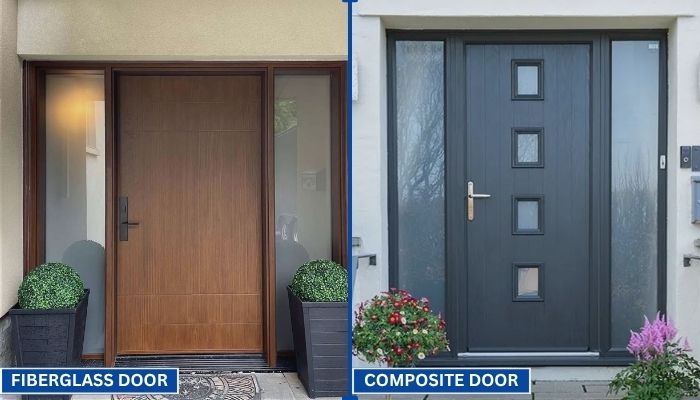
Choosing the right door can be confusing. You want something that looks good, lasts long, and keeps your home secure. Two of the most popular options today are fiberglass and composite doors.
Read More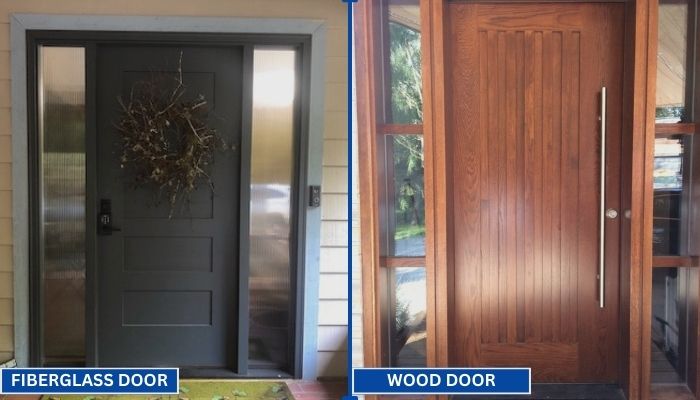
Replacing your front door is a big decision. Wood and fiberglass are two of the most popular materials for entry doors. Each has its own strengths in terms of style, durability, and maintenance. To help you choose the right one for your home, we have to go through a clear comparison.
Read MoreGlobal countertop buyers are entering 2026 with broader choices, stricter expectations, and less room for purchasing mistakes. A Solid Surface Counter Top can create seamless islands, integrated sinks, curved edges, and hygienic wall panels. Yet appearance alone cannot define a reliable specification.
David Rockwell, an architect known for using advanced surface materials, once said, “Good design should feel inevitable.” That idea matters here. The best countertop should support daily work quietly, without fragile joints or distracting maintenance demands. This guide examines acrylic solid surface, polyester blends, translucent panels, recycled-content options, and newer hybrid formulations. Each type has a different balance of repairability, color depth, heat resistance, fabrication cost, and shipping risk.
Details become practical at the loading dock. A pale matte slab may hide fingerprints beautifully, but dark colors can reveal fine scratches under showroom lighting. A seamless sink looks refined, yet poor bonding can create visible discoloration. Long-distance buyers must also check sheet dimensions, packaging strength, fabrication training, replacement availability, and regional compliance requirements.
No material wins every project. That is worth admitting.
I still question broad claims about “zero maintenance.” Every surface needs sensible care, especially near cooktops and commercial sinks. Some specifications may look perfect on paper but fail during installation because local fabricators lack experience. The following overview connects product type with real-world application, helping global buyers compare beauty, performance, and supply reliability more honestly.
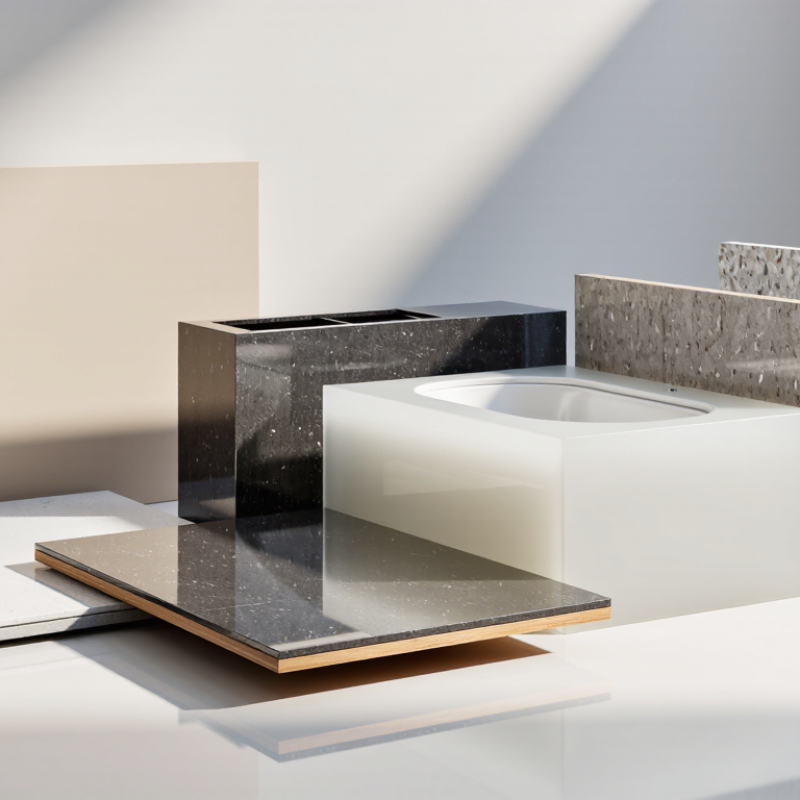
2026 Top Solid Surface Countertop Types for Global Buyers
A solid surface countertop is an engineered sheet made from mineral fillers and acrylic or polyester resin. Unlike natural stone, its color runs through the material. This allows sanding, polishing, and discreet repairs after minor scratches. Sealed joints can also create a smooth, continuous worktop around sinks and backsplashes. This matters in busy kitchens, clinics, hotels, and retail interiors where dirt can collect in seams.
For global buyers, solid surface is valuable because it balances hygiene, design freedom, and practical maintenance. Its nonporous surface resists moisture absorption, but it is not indestructible. Hot cookware, sharp tools, and abrasive cleaners can still cause damage. A heat pad remains sensible. Humid coastal climates also require accurate installation and proper support beneath the slab. Small fitting errors may become visible when temperatures change.
Common types include acrylic solid surface, polyester solid surface, and blended formulations. Acrylic usually offers better thermoforming and repair potential, while polyester can provide strong color depth and cost flexibility. Performance varies by formulation. Buyers should request technical data, fire-test documents, thickness details, and care instructions before placing an order. Sample checks are equally important. White may look warm under one light and cold under another. Shipping protection also deserves attention, because a flawless sheet is useless if its edges arrive chipped. Some specifications are easy to overlook. That is where projects often become expensive.
| Solid Surface Type | Typical Composition | Key Performance Characteristics | Appearance and Fabrication | Heat and UV Considerations | Repairability and Maintenance | Common Global Applications | Buyer Selection Priorities |
|---|---|---|---|---|---|---|---|
| Acrylic Solid Surface | Acrylic resin combined with mineral fillers and pigments; formulations vary by manufacturer. | Nonporous, stain resistant, homogeneous throughout the sheet, and suitable for seamless jointing. Generally offers good impact resistance and color stability. | Available in solid colors, patterns, stone-inspired designs, translucent finishes, and matte or satin surfaces. Can be routed, sanded, polished, and thermoformed into selected curved shapes. | Not heatproof. Hot cookware should be placed on a trivet. Outdoor or high-UV use requires confirmation of the specific formulation, color, and warranty requirements. | Minor scratches and many superficial burns can often be sanded and refinished. Routine cleaning usually requires mild soap and water; abrasive products may change the finish. | Kitchens, bathroom vanities, healthcare interiors, laboratories, hospitality counters, reception desks, and public washrooms. | Best general-purpose option when seamless appearance, repairability, design flexibility, and consistent color are important. |
| Polyester Solid Surface | Polyester resin combined with mineral fillers and pigments; exact filler and resin ratios vary. | Nonporous and generally hard wearing, with good resistance to everyday stains and chemicals when properly maintained. Typically less thermoformable than acrylic. | Supports many colors and patterns. It can be cut, routed, sanded, and polished, although fabrication behavior differs between product lines. | Use trivets for hot pans and appliances. Prolonged sunlight exposure can affect some colors or formulations, so exterior use should be verified with technical documentation. | Surface scratches and light damage can commonly be refinished by sanding. Cleaning should follow the supplier’s care instructions, especially for glossy surfaces. | Residential countertops, retail fixtures, office interiors, bathroom surfaces, and cost-sensitive commercial projects. | Often considered where initial material cost, color availability, and standard interior applications are more important than extensive thermoforming. |
| Acrylic-Polyester Hybrid | A blended or layered system using both acrylic and polyester resin technologies with mineral fillers. | Designed to balance appearance, fabrication performance, durability, and cost. Actual properties depend strongly on the resin ratio and manufacturing process. | Usually available in decorative colors and patterns. Fabrication may include CNC cutting, edge profiling, jointing, and limited thermoforming according to the technical sheet. | Not a heat-resistant stone substitute. Avoid direct contact with hot cookware and confirm color stability requirements for areas with strong sunlight. | Nonporous surfaces are generally easy to clean. Repair options are usually available for minor surface damage, but the refinishing result depends on texture and color pattern. | Large residential developments, hospitality projects, healthcare facilities, commercial washrooms, and standardized interior programs. | Useful for projects seeking a middle ground between acrylic fabrication flexibility and polyester-based cost control. |
| Recycled-Content Solid Surface | Solid surface made with a stated proportion of recycled mineral, glass, acrylic, polyester, or other pre-consumer or post-consumer content. | Performance can be comparable to conventional solid surface when the recycled content is engineered into a certified product. Properties are formulation-specific rather than defined by recycled content alone. | May feature terrazzo-like particles, flecks, or varied visual effects. Some designs can be fabricated with standard solid-surface tools and adhesives. | Heat, UV, and chemical performance must be checked for the exact product because recycled constituents can influence color and technical behavior. | Many products remain nonporous and repairable, but aggressive sanding can alter the distribution or appearance of decorative particles. | Green-building projects, public buildings, retail interiors, offices, educational facilities, and hospitality spaces. | Check the percentage and type of recycled content, environmental documentation, indoor-air certifications, take-back options, and end-of-life guidance. |
| Translucent Solid Surface | Resin and mineral-filled solid surface engineered to transmit or diffuse light. | Provides the same general nonporous surface concept as other solid-surface products while enabling illuminated decorative elements. Load and impact performance remain product-specific. | Can be backlit, routed, engraved, layered, or used for feature panels and custom edges. Light transmission varies by thickness, color, and pattern. | LED lighting systems should be designed to control heat and prevent hot spots. Confirm UV suitability when used near windows or in semi-exterior locations. | Minor surface marks may be refinished, but deep damage or uneven sanding can be more visible when the panel is illuminated. | Hotel bars, reception desks, retail displays, restaurants, wall panels, signage, and architectural feature installations. | Select when visual impact and lighting effects justify higher design, fabrication, installation, and maintenance coordination. |
| Deep-Color and Dark-Pattern Solid Surface | Acrylic, polyester, or hybrid solid surface manufactured in dark colors or high-contrast decorative patterns. | Retains the nonporous characteristics of the underlying resin system, but scratches, dust, water marks, and edge imperfections may be more visible. | Creates a contemporary appearance and can be fabricated with integrated sinks, coved backsplashes, and bonded seams. Finish consistency is especially important. | Use trivets and avoid prolonged direct heat. Sunlight testing is recommended because some dark colors can show temperature-related movement or fading more readily. | Repairable in principle, although spot repairs and sanding marks may be easier to see than on light, low-contrast colors. Regular wiping helps maintain appearance. | Premium kitchens, hotel bathrooms, retail counters, executive offices, restaurants, and feature installations. | Request physical samples, inspect batch-to-batch color consistency, and confirm the recommended finish and maintenance method before purchasing. |
| Compact or Thin-Profile Solid Surface | Solid-surface sheet produced in a reduced thickness or engineered for lightweight applications; construction details vary. | Can reduce weight and material use, but support, span, edge strength, and fixing methods require careful design. It should not automatically be treated as equivalent to a standard-thickness countertop. | Suitable for wall cladding, furniture components, cabinet fronts, and selected countertop applications. Edge build-ups may be needed to create a thicker visual profile. | Thermal movement and substrate stability are important. Protect from direct heat and follow installation clearances specified for the product. | Surface repair may be possible, but limited thickness can reduce the amount of material available for deep sanding or re-profiling. | Wall panels, furniture, prefabricated washroom units, retail fixtures, compact kitchens, and weight-sensitive projects. | Confirm minimum support spacing, allowable overhang, adhesive compatibility, edge treatment, packaging method, and installation tolerances. |
Buyer note: Solid surface is a nonporous, repairable sheet material made primarily from resin, mineral fillers, and pigments. Technical performance, thickness, color stability, fire behavior, chemical resistance, certifications, and warranty conditions vary by product. Global buyers should request the current technical data sheet, safety documentation, sample approval, packing specifications, and destination-market compliance information before placing an order.
We’ll Come To You!
Quality New Windows & Doors. Competitively Priced!
Christine R.
Please, enter a valid value