
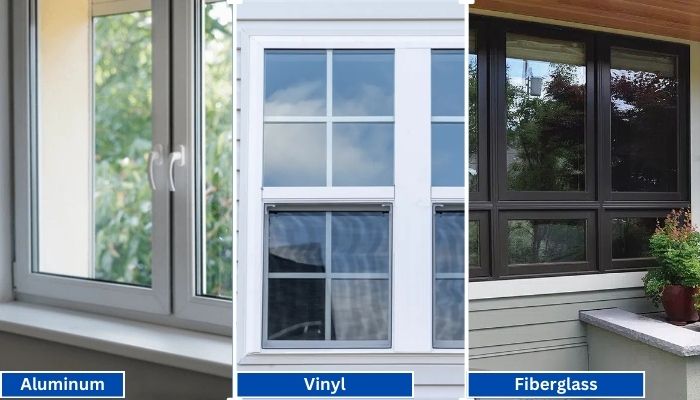
Vinyl generally has the shortest lead times because it is widely produced in standard configurations. Fiberglass is mid-range, especially for factory-painted colors.
Read More
PROUDLY CANADIAN COMPANY OWNED & OPERATED IN TORONTO SINCE 1989!
Vinyl generally has the shortest lead times because it is widely produced in standard configurations. Fiberglass is mid-range, especially for factory-painted colors.
Read More
Vinyl windows have become the go-to choice for homeowners in Toronto, thanks to their durability, energy efficiency, and low maintenance requirements. Whether you're upgrading your home for better insulation or enhancing
Read More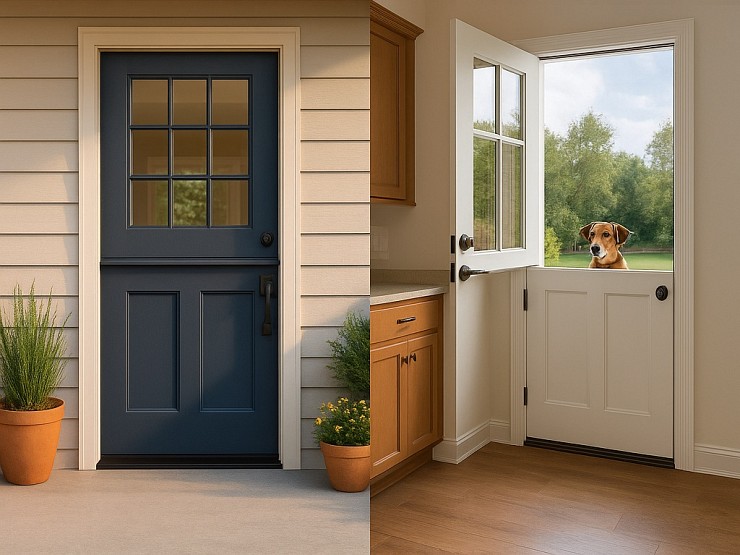
Thinking about changing your front door? A fiberglass Dutch door might have caught your eye. It’s not just a door. It’s part style statement, part smart functionality.
Read More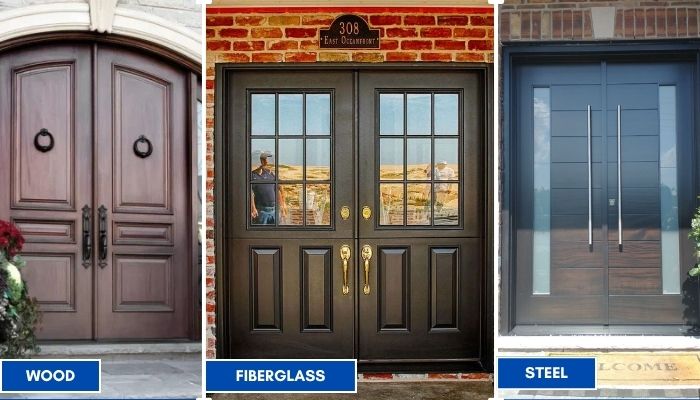
Thinking about replacing your front doors? Double doors are a bold upgrade. They look great, let in more light, and make moving big stuff easier. But the material you choose makes all the difference; especially here in Toronto.
Read More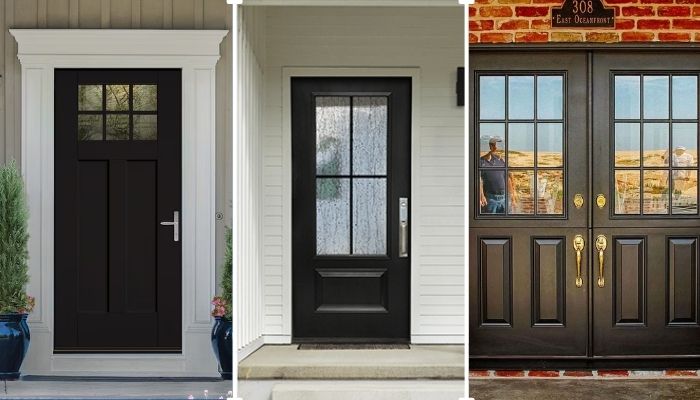
Thinking of giving your home that cozy, farmhouse charm? Let’s talk doors. Specifically, the fiberglass front doors in farmhouse style. You get the rustic look, without the rot, warping, or constant upkeep that comes with wood.
Read More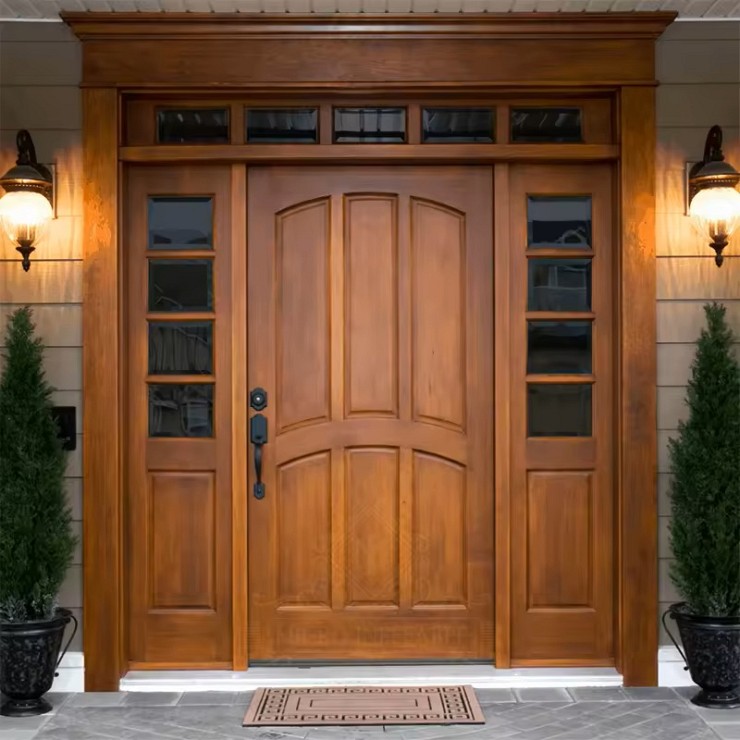
You want something that looks great, lasts long, and doesn’t stress you out with maintenance. You’re not alone. That’s exactly why more and more Toronto homeowners are choosing...
Read More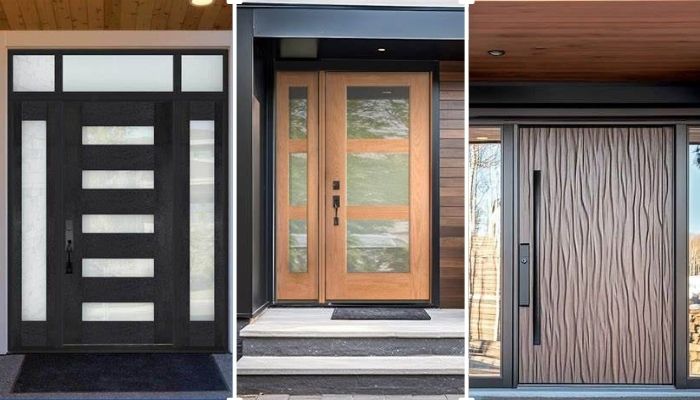
Thinking about replacing your front door? Let’s talk fiberglass. It's one of the smartest upgrades you can make, especially if you're living in Toronto. Whether your current door is drafty, outdated, or just plain boring.
Read More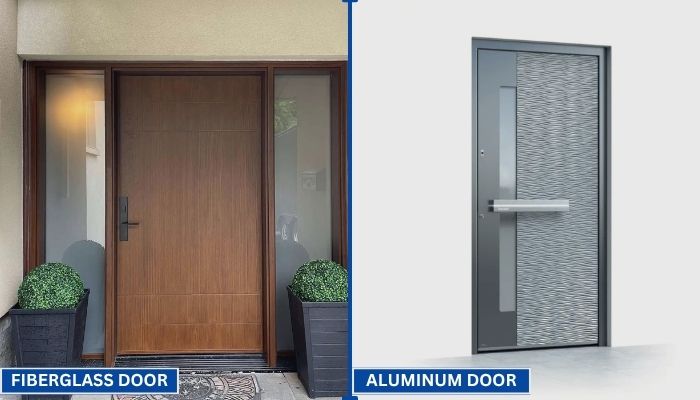
Your front door does more than just open and close. It protects your home, adds curb appeal, and helps control indoor temperature. That’s why picking the right door material matters.
Read More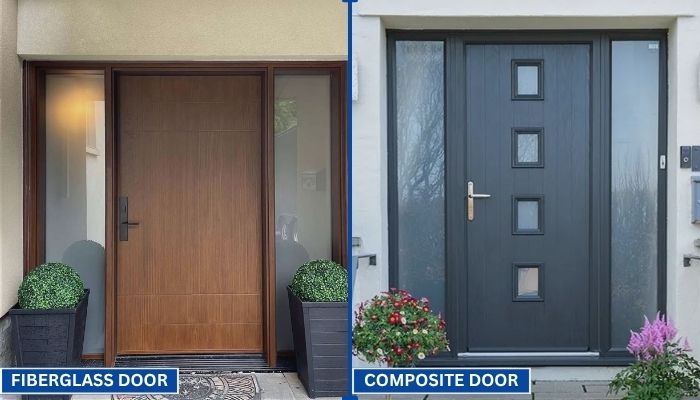
Choosing the right door can be confusing. You want something that looks good, lasts long, and keeps your home secure. Two of the most popular options today are fiberglass and composite doors.
Read More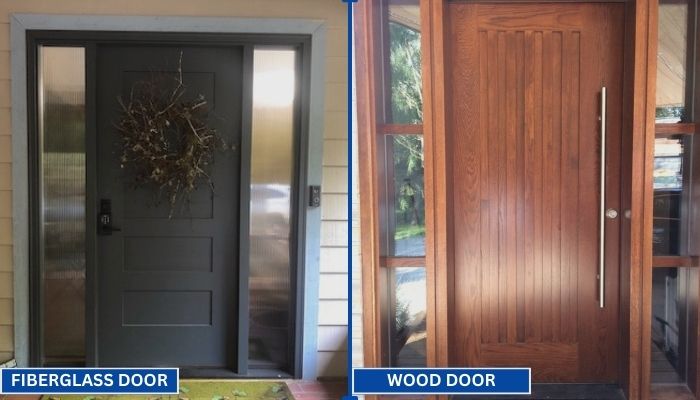
Replacing your front door is a big decision. Wood and fiberglass are two of the most popular materials for entry doors. Each has its own strengths in terms of style, durability, and maintenance. To help you choose the right one for your home, we have to go through a clear comparison.
Read MoreChoosing the right Custom Steel Plate in 2026 requires more than comparing thickness and price. Global buyers must match steel performance with actual service conditions, fabrication methods, and delivery requirements. A plate used for a bridge deck faces different stresses from one used in a pressure vessel or mining bucket.
This guide examines leading custom plate types, including carbon steel, high-strength low-alloy steel, weathering steel, boiler and pressure-vessel plate, marine plate, stainless steel, and abrasion-resistant plate. Each option offers a different balance of strength, weldability, corrosion resistance, toughness, and cost. A 20-millimeter abrasion-resistant plate may protect a quarry hopper, while a certified pressure-vessel plate must withstand heat and internal pressure safely. Small details matter.
Real purchasing decisions also depend on standards and documentation. Buyers may request ASTM, EN, JIS, or other recognized specifications. Mill test certificates, heat numbers, chemical analysis, impact results, ultrasonic testing, and surface inspection help verify consistency. Traceability matters.
So does supplier experience.
A reliable producer should clarify tolerances, cutting methods, heat treatment, edge conditions, packaging, and shipping protection before production. Yet no universal ranking can fit every market. A lower-cost grade may create higher welding or maintenance expenses later. Even well-prepared specifications can miss changing project conditions. This overview therefore focuses on practical comparisons, not perfect promises, helping engineers, fabricators, and distributors evaluate Custom Steel Plate options with greater confidence in 2026.
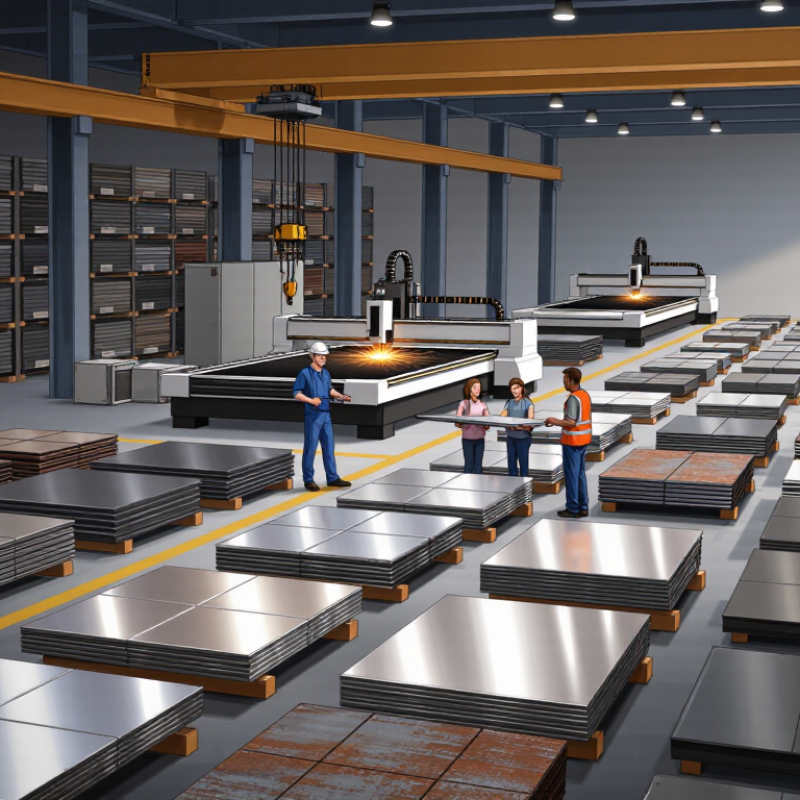
Steel plate selection starts with the working environment, not the price list. Carbon steel plates suit general fabrication, while low-alloy grades offer improved strength and wear resistance. Stainless plates help in corrosive or hygienic settings. Weathering grades can reduce coating needs, but climate exposure still matters. A grade is not a complete specification.
Thickness, width, and length affect cutting, welding, transport, and final weight. Common plate thicknesses range from a few millimeters to several hundred millimeters. Custom dimensions can reduce waste, especially for bridge parts, machine bases, and pressure-related structures. However, oversized plates may require special lifting equipment and route planning. Small details matter.
Mechanical properties should match the design temperature and load. Buyers should review yield strength, tensile strength, impact performance, and chemical composition. Mill test certificates provide traceable evidence, but documents must match the actual heat number and plate markings. I have seen projects delayed by mismatched paperwork. It was preventable.
Customization may include normalized treatment, shot blasting, primer coating, edge preparation, drilling, bending, or ultrasonic testing. Welding needs extra attention. Higher-strength grades can demand controlled preheating and qualified procedures. These requirements vary by thickness and carbon equivalent. A practical specification should state the applicable standard, tolerances, inspection level, and delivery condition. Leaving these points vague often creates expensive revisions later.
We’ll Come To You!
Quality New Windows & Doors. Competitively Priced!
Christine R.
Please, enter a valid value