
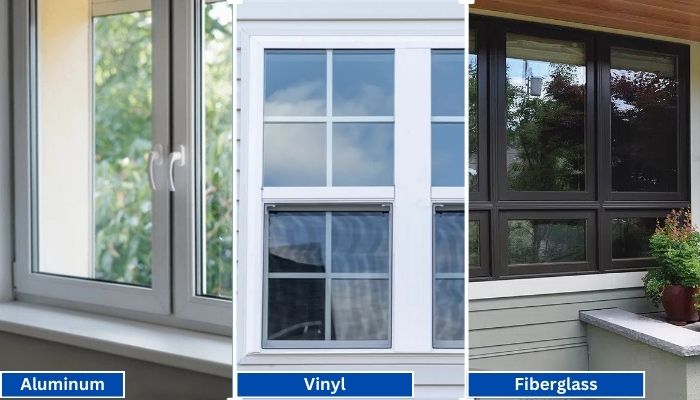
Vinyl generally has the shortest lead times because it is widely produced in standard configurations. Fiberglass is mid-range, especially for factory-painted colors.
Read More
PROUDLY CANADIAN COMPANY OWNED & OPERATED IN TORONTO SINCE 1989!
Vinyl generally has the shortest lead times because it is widely produced in standard configurations. Fiberglass is mid-range, especially for factory-painted colors.
Read More
Vinyl windows have become the go-to choice for homeowners in Toronto, thanks to their durability, energy efficiency, and low maintenance requirements. Whether you're upgrading your home for better insulation or enhancing
Read More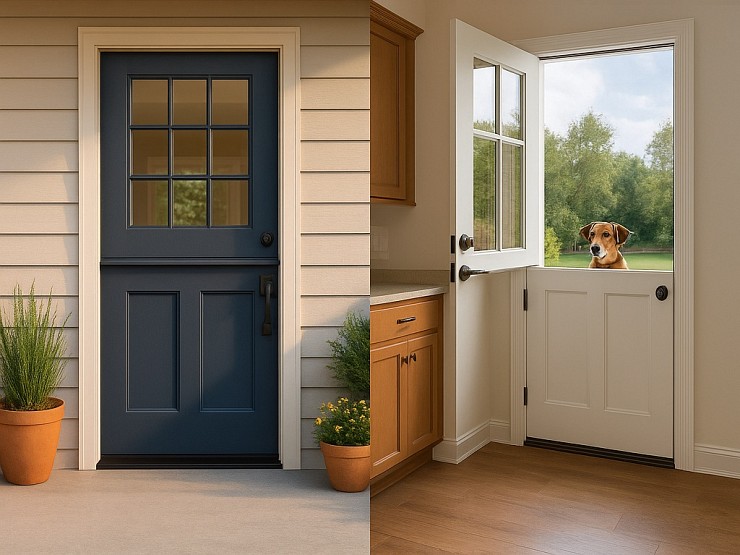
Thinking about changing your front door? A fiberglass Dutch door might have caught your eye. It’s not just a door. It’s part style statement, part smart functionality.
Read More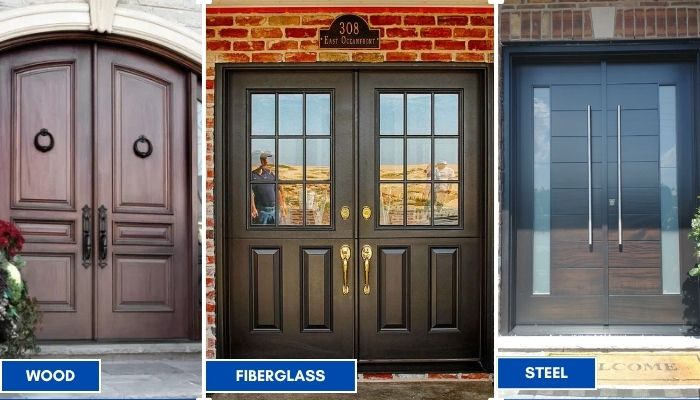
Thinking about replacing your front doors? Double doors are a bold upgrade. They look great, let in more light, and make moving big stuff easier. But the material you choose makes all the difference; especially here in Toronto.
Read More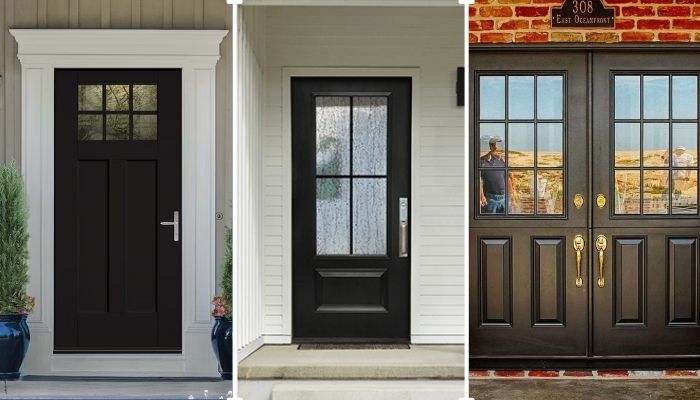
Thinking of giving your home that cozy, farmhouse charm? Let’s talk doors. Specifically, the fiberglass front doors in farmhouse style. You get the rustic look, without the rot, warping, or constant upkeep that comes with wood.
Read More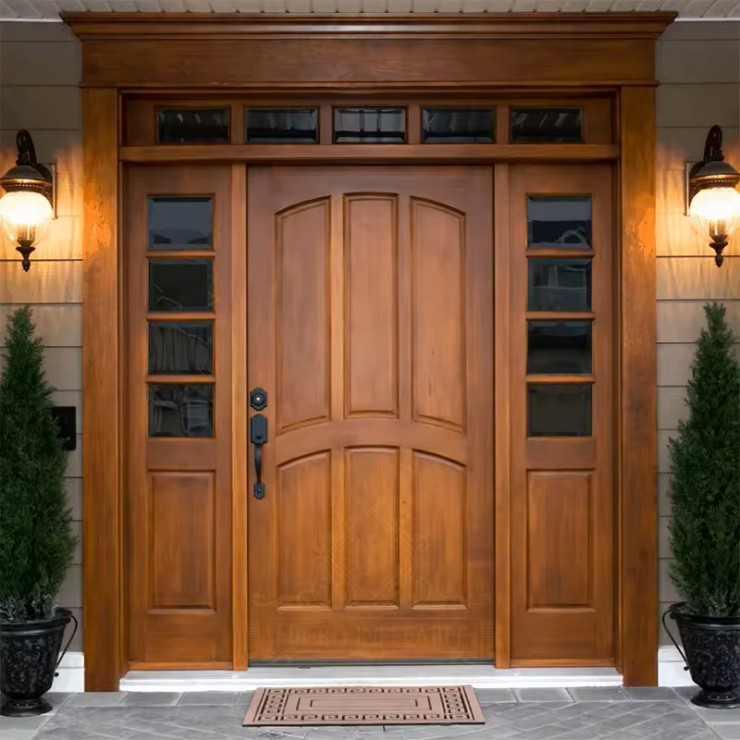
You want something that looks great, lasts long, and doesn’t stress you out with maintenance. You’re not alone. That’s exactly why more and more Toronto homeowners are choosing...
Read More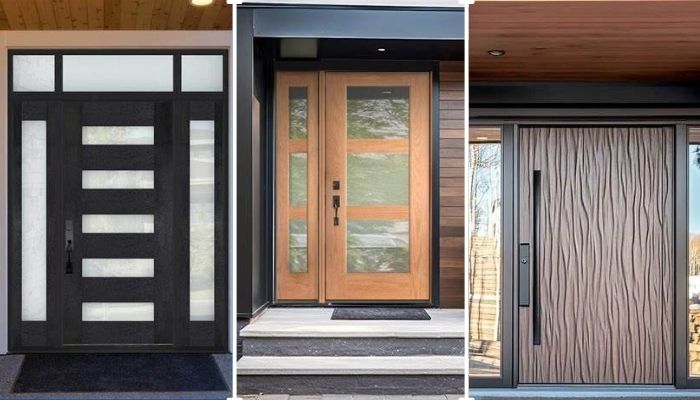
Thinking about replacing your front door? Let’s talk fiberglass. It's one of the smartest upgrades you can make, especially if you're living in Toronto. Whether your current door is drafty, outdated, or just plain boring.
Read More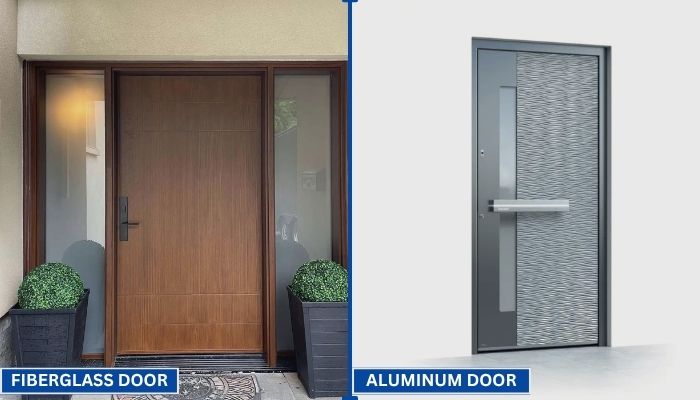
Your front door does more than just open and close. It protects your home, adds curb appeal, and helps control indoor temperature. That’s why picking the right door material matters.
Read More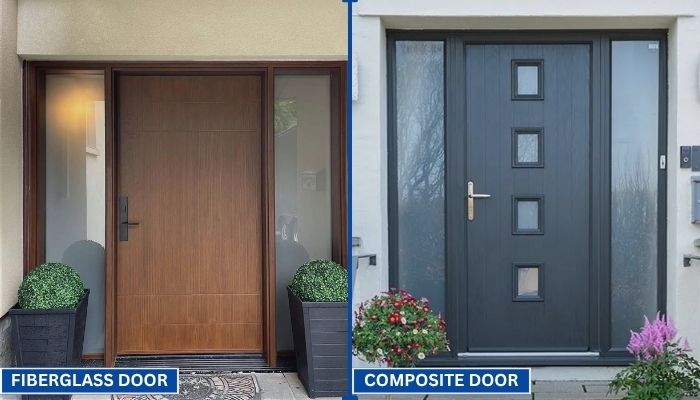
Choosing the right door can be confusing. You want something that looks good, lasts long, and keeps your home secure. Two of the most popular options today are fiberglass and composite doors.
Read More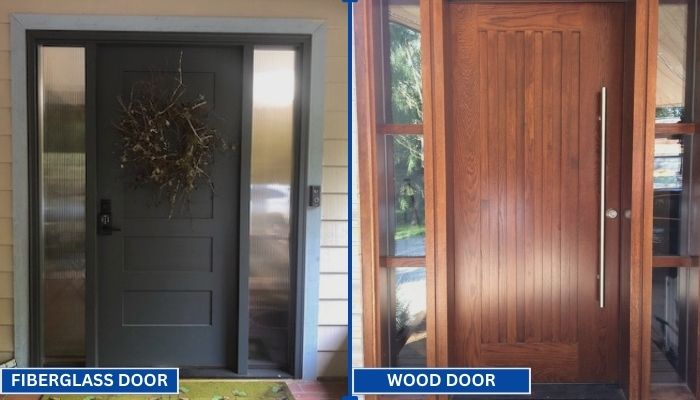
Replacing your front door is a big decision. Wood and fiberglass are two of the most popular materials for entry doors. Each has its own strengths in terms of style, durability, and maintenance. To help you choose the right one for your home, we have to go through a clear comparison.
Read MoreAn Acrylic Led Sign Board combines a clear acrylic face with energy-efficient LED lighting. It creates bright, readable displays for shops, offices, reception areas, and indoor events. Unlike ordinary printed signs, it can glow evenly after sunset. The acrylic surface also supports polished edges, layered lettering, and custom colors. These details help a storefront look more distinctive without making the message difficult to read.
A reliable sign begins with suitable materials and careful design. Opt for UV-resistant acrylic when the board will face sunlight. Check LED brightness, color temperature, power consumption, and heat management before ordering. A shallow sign may look elegant, but it can limit internal spacing and ventilation. This is an easy detail to overlook. Experienced sign makers usually test letter visibility from the pavement, not only from a design screen. They also protect wiring, seal outdoor joints, and provide accessible power controls. Installation should follow local electrical and building requirements. Qualified technicians can reduce risks involving mounting strength, moisture, and cable routing. Regular cleaning with a soft cloth preserves clarity. Harsh solvents may damage the acrylic finish.
The best choice depends on viewing distance, brand style, budget, and location. A premium appearance is not always the most practical option. Some designs appear impressive but lose readability under strong daylight. This guide explains construction, lighting methods, advantages, limitations, maintenance, and purchasing considerations. It aims to offer practical information for making a dependable decision, while recognizing that every site presents different challenges.
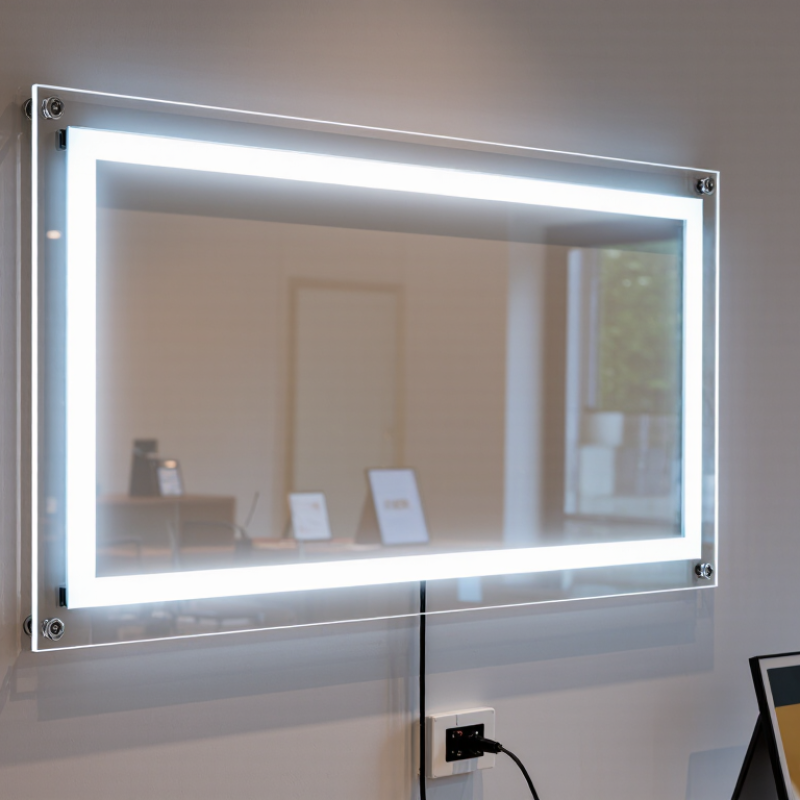
An acrylic LED sign board is a lighted display built from a transparent or translucent acrylic panel. The panel carries printed graphics, cut letters, or engraved details. LEDs illuminate the surface from the edge or behind it. The result is a bright, slim sign for shops, reception areas, exhibitions, and public interiors.
Its core components work as one system. The acrylic face provides shape, color, and light diffusion. LED modules or strips create the illumination. A constant-voltage driver converts incoming power safely for the LEDs. The enclosure, often aluminum, supports the panel and helps release heat. Wiring, connectors, mounting hardware, and a diffuser complete the assembly.
A poorly matched diffuser can create bright spots. It happens more often than installers admit.
The U.S. Department of Energy’s 2023 Solid-State Lighting R&D Opportunities report identifies efficacy, thermal management, and controls as continuing development priorities. These concerns apply directly to sign boards. A cooler LED system usually maintains brightness longer. The International Energy Agency reported that LED lamps reached about 50% of global lighting sales in 2022, showing strong market acceptance of solid-state lighting. However, sign performance depends on more than LED quantity. Excessive brightness can cause glare, while weak power supplies create flicker or uneven illumination. In practical installation work, measuring panel thickness, viewing distance, and ambient light before fabrication prevents expensive revisions. Acrylic also scratches easily. Careful cleaning matters.
We’ll Come To You!
Quality New Windows & Doors. Competitively Priced!
Christine R.
Please, enter a valid value