
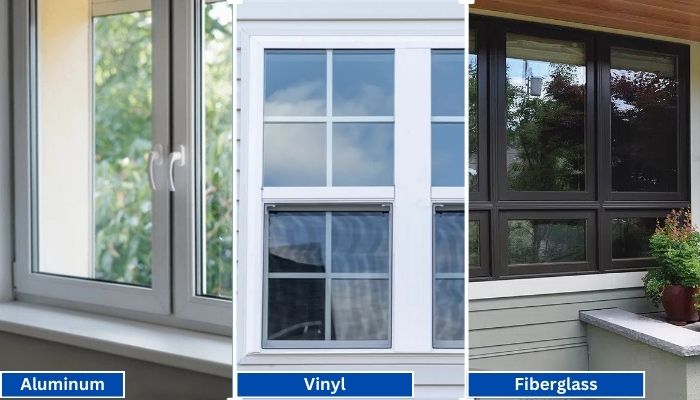
Vinyl generally has the shortest lead times because it is widely produced in standard configurations. Fiberglass is mid-range, especially for factory-painted colors.
Read More
PROUDLY CANADIAN COMPANY OWNED & OPERATED IN TORONTO SINCE 1989!
Vinyl generally has the shortest lead times because it is widely produced in standard configurations. Fiberglass is mid-range, especially for factory-painted colors.
Read More
Vinyl windows have become the go-to choice for homeowners in Toronto, thanks to their durability, energy efficiency, and low maintenance requirements. Whether you're upgrading your home for better insulation or enhancing
Read More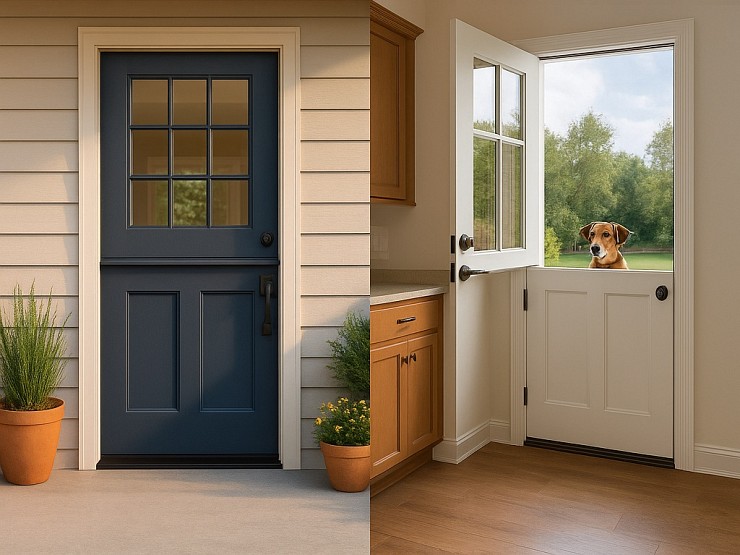
Thinking about changing your front door? A fiberglass Dutch door might have caught your eye. It’s not just a door. It’s part style statement, part smart functionality.
Read More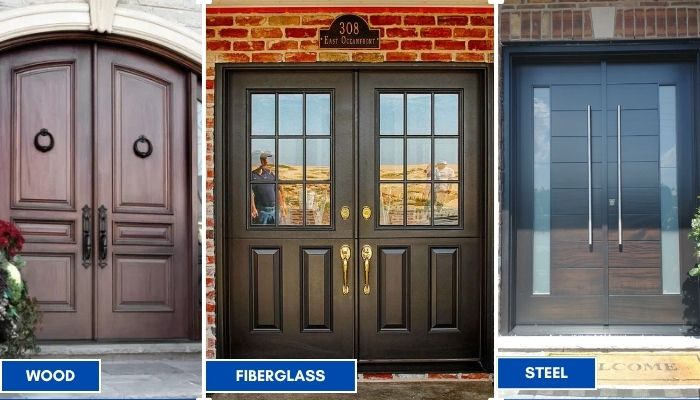
Thinking about replacing your front doors? Double doors are a bold upgrade. They look great, let in more light, and make moving big stuff easier. But the material you choose makes all the difference; especially here in Toronto.
Read More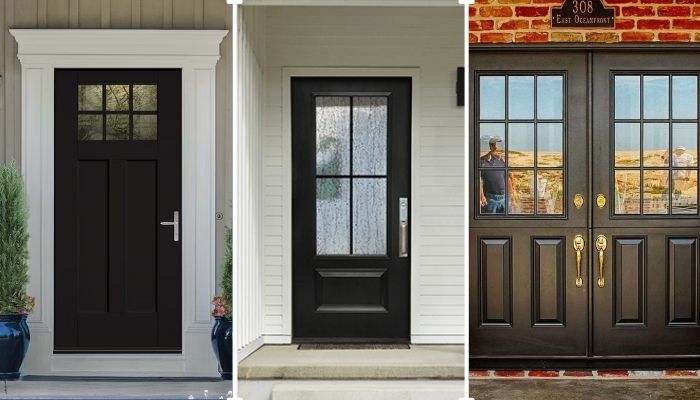
Thinking of giving your home that cozy, farmhouse charm? Let’s talk doors. Specifically, the fiberglass front doors in farmhouse style. You get the rustic look, without the rot, warping, or constant upkeep that comes with wood.
Read More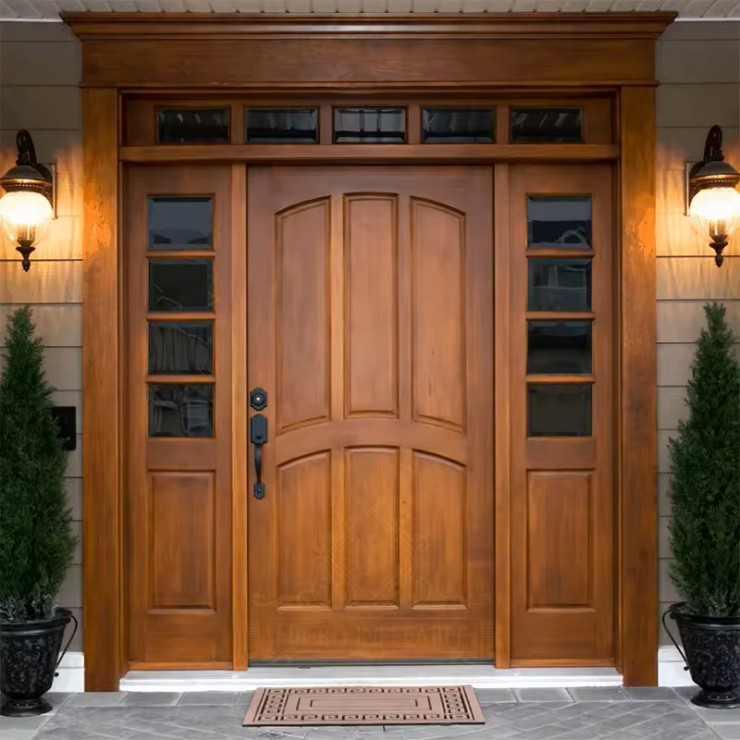
You want something that looks great, lasts long, and doesn’t stress you out with maintenance. You’re not alone. That’s exactly why more and more Toronto homeowners are choosing...
Read More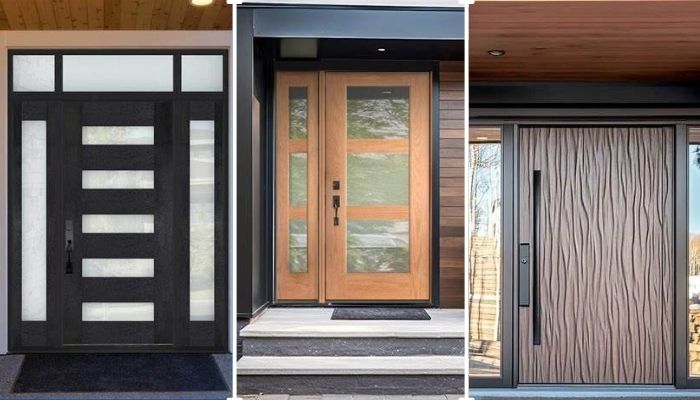
Thinking about replacing your front door? Let’s talk fiberglass. It's one of the smartest upgrades you can make, especially if you're living in Toronto. Whether your current door is drafty, outdated, or just plain boring.
Read More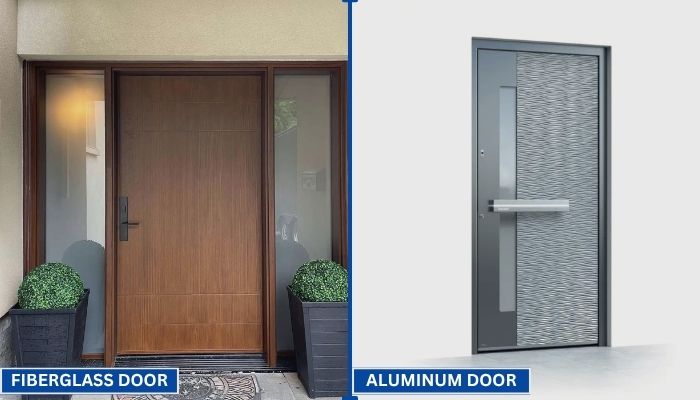
Your front door does more than just open and close. It protects your home, adds curb appeal, and helps control indoor temperature. That’s why picking the right door material matters.
Read More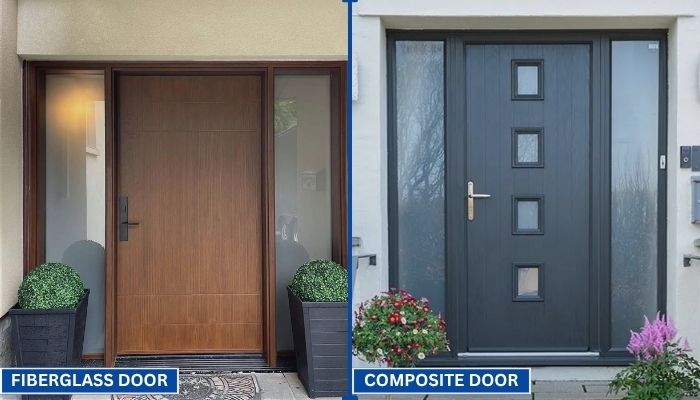
Choosing the right door can be confusing. You want something that looks good, lasts long, and keeps your home secure. Two of the most popular options today are fiberglass and composite doors.
Read More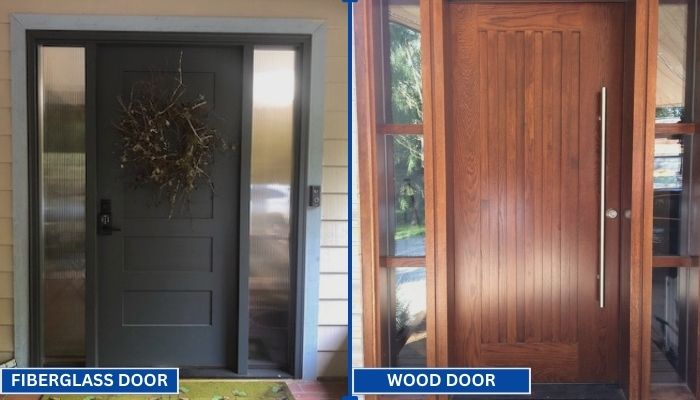
Replacing your front door is a big decision. Wood and fiberglass are two of the most popular materials for entry doors. Each has its own strengths in terms of style, durability, and maintenance. To help you choose the right one for your home, we have to go through a clear comparison.
Read MoreWPC Classic Decking has gained popularity among global buyers for its durability and aesthetic appeal. Renowned decking expert, John Harris, emphasizes, "WPC Classic Decking combines beauty with longevity." This innovative material stands out in the market, offering numerous benefits for homeowners and contractors alike.
One major advantage is its low maintenance requirement. Unlike traditional wood, WPC Classic Decking resists fading, staining, and warping. Buyers find it easy to clean, which saves time and effort. Additionally, it is eco-friendly, made from recycled materials, appealing to environmentally-conscious consumers.
However, potential buyers should consider their specific needs. While WPC Classic Decking is robust, it may not suit every climate or installation type. Understanding its limitations and strengths is crucial. Overall, WPC Classic Decking presents a compelling option, balancing style and practicality.
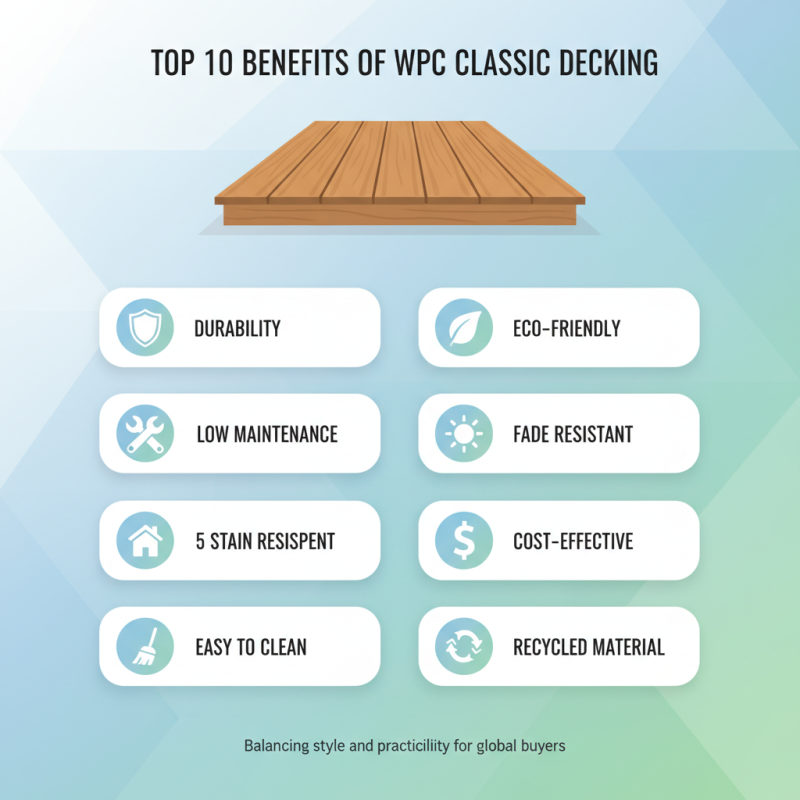
WPC classic decking offers significant durability advantages that appeal to global buyers. One of the key benefits is its resistance to the elements. According to a 2022 industry report, WPC decking can withstand extreme temperatures and harsh weather conditions better than traditional wood. This means less warping, splintering, and fading over time, ensuring that decks maintain their appearance and functionality.
Moreover, WPC decking combines wood fibers and recycled plastic materials. This blend creates a robust material resistant to mold, mildew, and insects. A study from the National Association of Home Builders highlighted that WPC materials show a 25% increase in longevity compared to traditional alternatives. For buyers, this translates to reduced maintenance costs and fewer replacements, which can be financially advantageous in the long term.
While WPC classic decking has clear durability benefits, it's essential to consider some challenges. Initial costs may be higher compared to traditional wood options. Some users report concerns regarding the material's heat retention under direct sunlight. Thus, buyers should weigh these factors carefully. Ultimately, understanding both the advantages and limitations of WPC decking is crucial for making informed decisions.
We’ll Come To You!
Quality New Windows & Doors. Competitively Priced!
Christine R.
Please, enter a valid value