
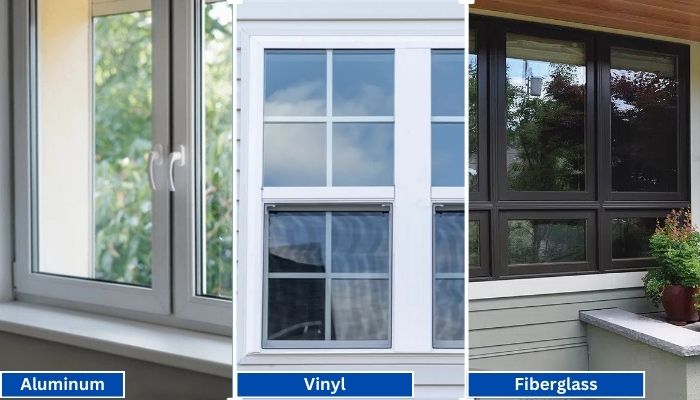
Vinyl generally has the shortest lead times because it is widely produced in standard configurations. Fiberglass is mid-range, especially for factory-painted colors.
Read More
PROUDLY CANADIAN COMPANY OWNED & OPERATED IN TORONTO SINCE 1989!
Vinyl generally has the shortest lead times because it is widely produced in standard configurations. Fiberglass is mid-range, especially for factory-painted colors.
Read More
Vinyl windows have become the go-to choice for homeowners in Toronto, thanks to their durability, energy efficiency, and low maintenance requirements. Whether you're upgrading your home for better insulation or enhancing
Read More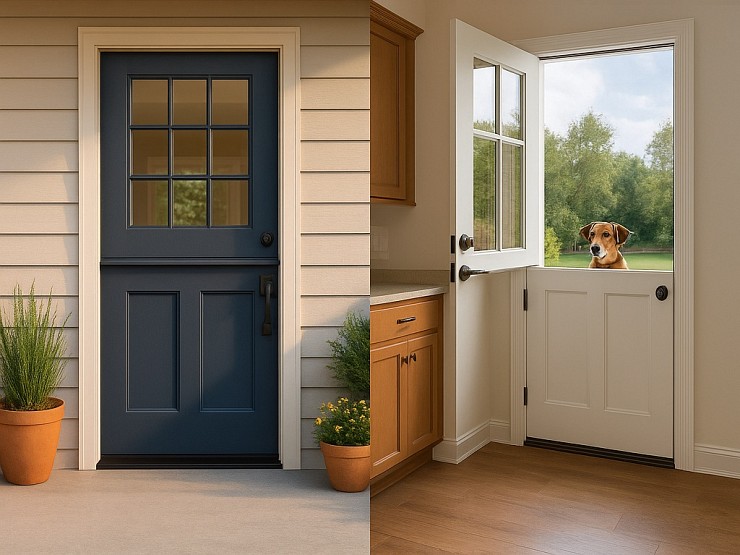
Thinking about changing your front door? A fiberglass Dutch door might have caught your eye. It’s not just a door. It’s part style statement, part smart functionality.
Read More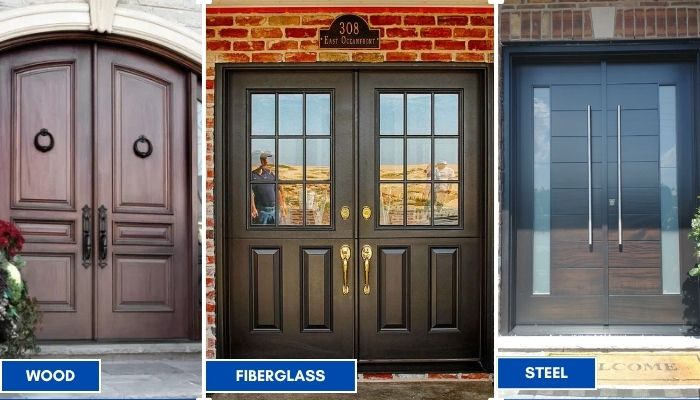
Thinking about replacing your front doors? Double doors are a bold upgrade. They look great, let in more light, and make moving big stuff easier. But the material you choose makes all the difference; especially here in Toronto.
Read More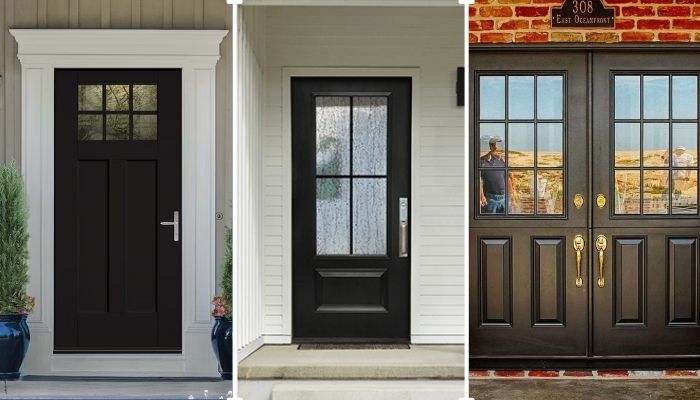
Thinking of giving your home that cozy, farmhouse charm? Let’s talk doors. Specifically, the fiberglass front doors in farmhouse style. You get the rustic look, without the rot, warping, or constant upkeep that comes with wood.
Read More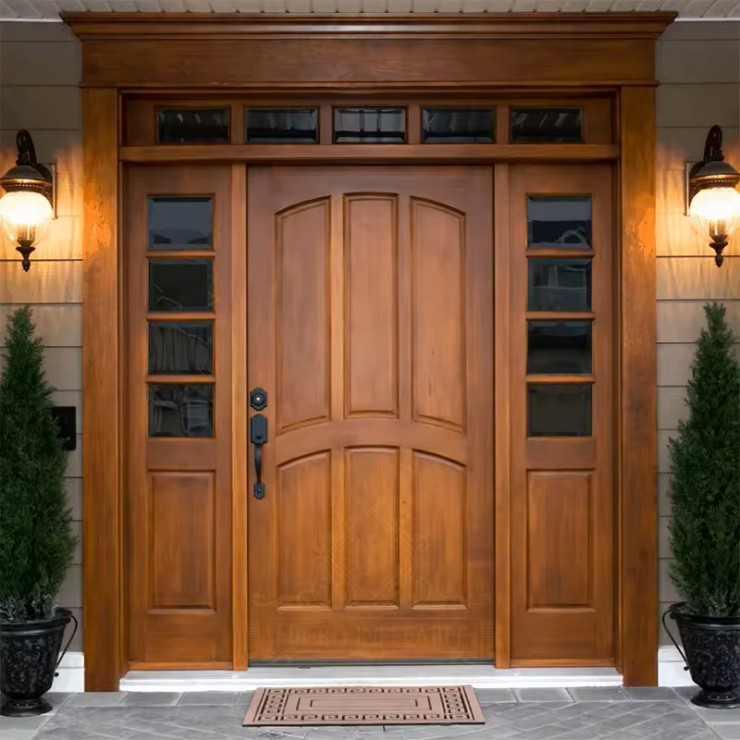
You want something that looks great, lasts long, and doesn’t stress you out with maintenance. You’re not alone. That’s exactly why more and more Toronto homeowners are choosing...
Read More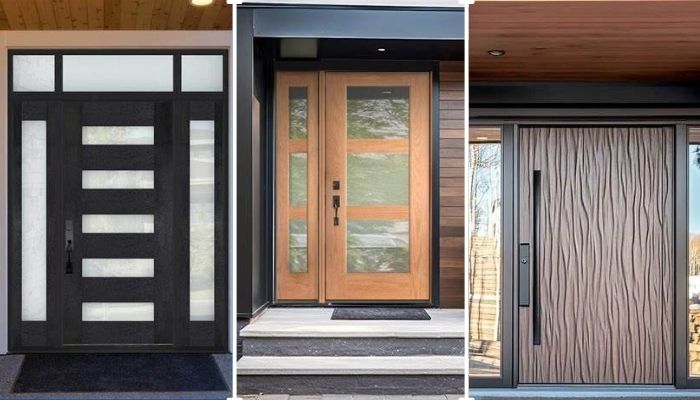
Thinking about replacing your front door? Let’s talk fiberglass. It's one of the smartest upgrades you can make, especially if you're living in Toronto. Whether your current door is drafty, outdated, or just plain boring.
Read More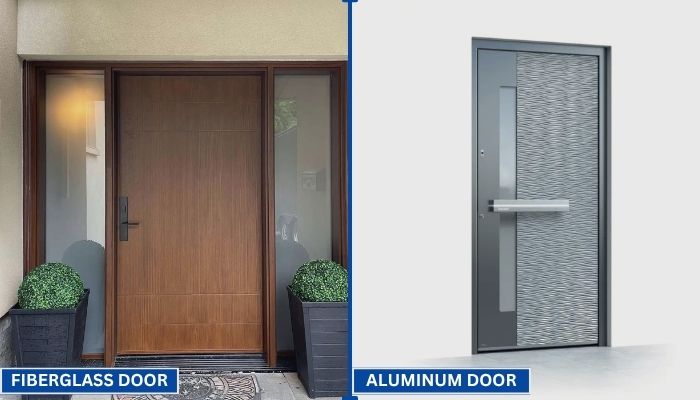
Your front door does more than just open and close. It protects your home, adds curb appeal, and helps control indoor temperature. That’s why picking the right door material matters.
Read More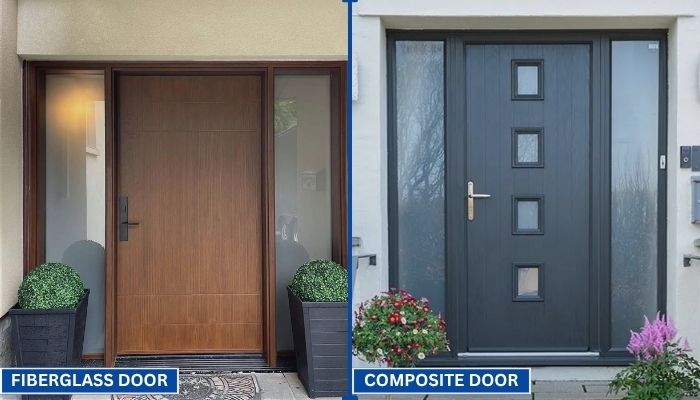
Choosing the right door can be confusing. You want something that looks good, lasts long, and keeps your home secure. Two of the most popular options today are fiberglass and composite doors.
Read More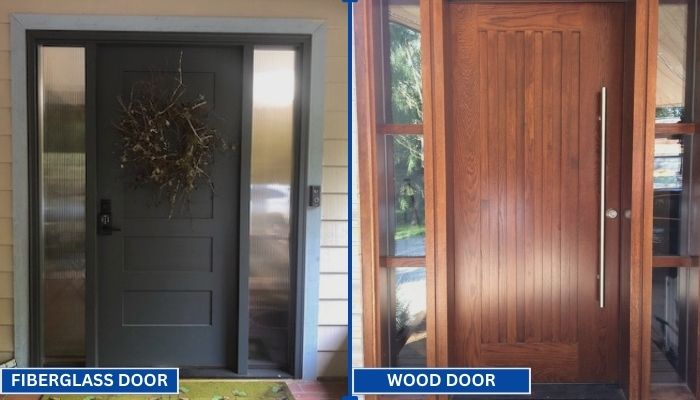
Replacing your front door is a big decision. Wood and fiberglass are two of the most popular materials for entry doors. Each has its own strengths in terms of style, durability, and maintenance. To help you choose the right one for your home, we have to go through a clear comparison.
Read MoreChoosing the best China Non Touch Faucets requires more than comparing catalog prices. Global buyers need reliable performance, clear specifications, and suppliers who understand different commercial environments. A faucet that works well in a hotel lobby may not suit a busy airport restroom or a healthcare facility.
This guide examines practical details that influence purchasing decisions. These include infrared sensor accuracy, water flow control, response time, battery or electrical power, finish quality, and maintenance access. We also consider brass or stainless-steel construction, cartridge durability, packaging protection, and replacement parts. In real projects, small details matter. A difficult battery compartment can increase service time. Poor sensor positioning may cause false activation beside a washbasin. These problems are easy to overlook in product photos.
Reliable sourcing also depends on supplier evaluation. Buyers should review factory experience, quality-control procedures, testing records, and export support. Relevant product certifications may be necessary, depending on the destination market and installation environment. Requirements can vary widely. Confirm them independently before placing an order. Factory audits, sample testing, and written inspection standards provide stronger evidence than sales promises alone.
No single model is perfect. A low-cost faucet may offer attractive margins but require more frequent maintenance. A premium model may provide better materials, yet its spare parts could be expensive or difficult to obtain. This guide compares those trade-offs for distributors, contractors, hospitality groups, and facility managers. The goal is practical judgment, not exaggerated claims. Buyers can then choose Non Touch Faucets with greater confidence and fewer costly surprises.
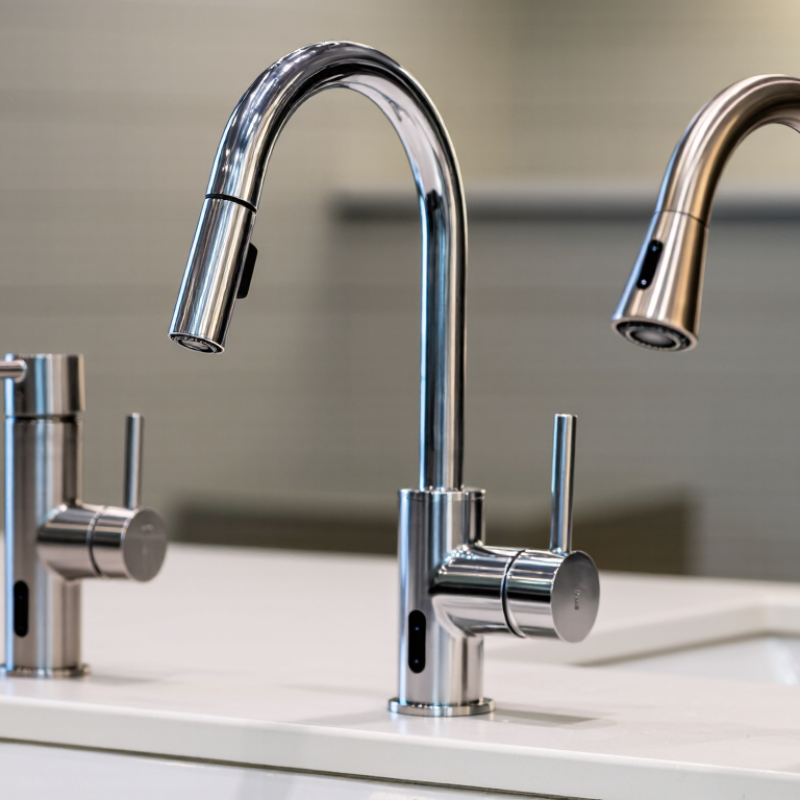
A non-touch faucet uses a sensor to detect hand movement without a handle. Most models use infrared light, while a few use other proximity technologies. When hands enter the sensing range, the sensor sends a signal to a solenoid valve. The valve opens, allowing water to flow through the spout. When hands move away, the valve closes automatically.
This design reduces contact with the faucet surface. It can support better hygiene in bathrooms, kitchens, healthcare spaces, and commercial buildings. Many units use batteries, low-voltage adapters, or both. Buyers should check battery life, sensor distance, flow rate, inlet size, and the availability of replacement parts. A useful installation test is simple: place a hand beneath the spout, then remove it slowly. Water should start and stop without noticeable delay.
The technology is practical, but not flawless. Bright sunlight, reflective sinks, dirt on the sensor window, or incorrect positioning may affect detection. Water pressure also influences performance. A professional installer should flush the pipes before connection and inspect every joint for leaks. From a buyer’s perspective, service access matters as much as appearance. A sleek faucet is less useful when its valve cannot be reached. I would also question unusually low prices, because hidden costs may appear in sensors, cartridges, or shipping. Small details often decide long-term reliability.
We’ll Come To You!
Quality New Windows & Doors. Competitively Priced!
Christine R.
Please, enter a valid value