
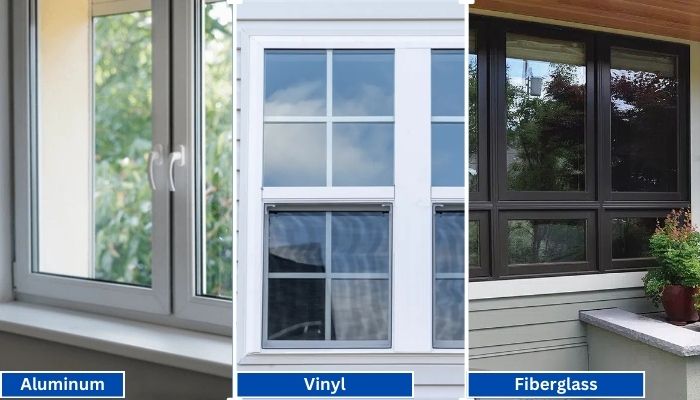
Vinyl generally has the shortest lead times because it is widely produced in standard configurations. Fiberglass is mid-range, especially for factory-painted colors.
Read More
PROUDLY CANADIAN COMPANY OWNED & OPERATED IN TORONTO SINCE 1989!
Vinyl generally has the shortest lead times because it is widely produced in standard configurations. Fiberglass is mid-range, especially for factory-painted colors.
Read More
Vinyl windows have become the go-to choice for homeowners in Toronto, thanks to their durability, energy efficiency, and low maintenance requirements. Whether you're upgrading your home for better insulation or enhancing
Read More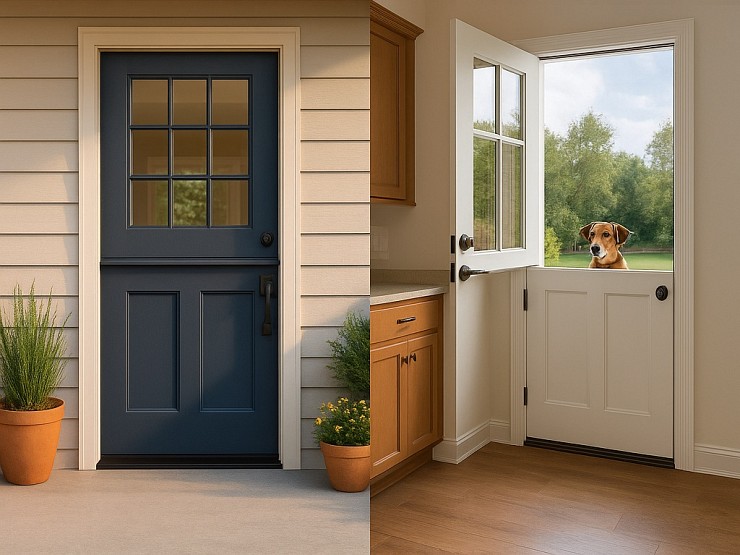
Thinking about changing your front door? A fiberglass Dutch door might have caught your eye. It’s not just a door. It’s part style statement, part smart functionality.
Read More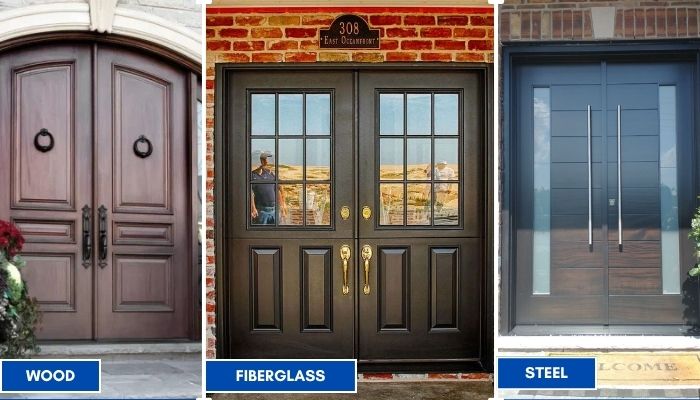
Thinking about replacing your front doors? Double doors are a bold upgrade. They look great, let in more light, and make moving big stuff easier. But the material you choose makes all the difference; especially here in Toronto.
Read More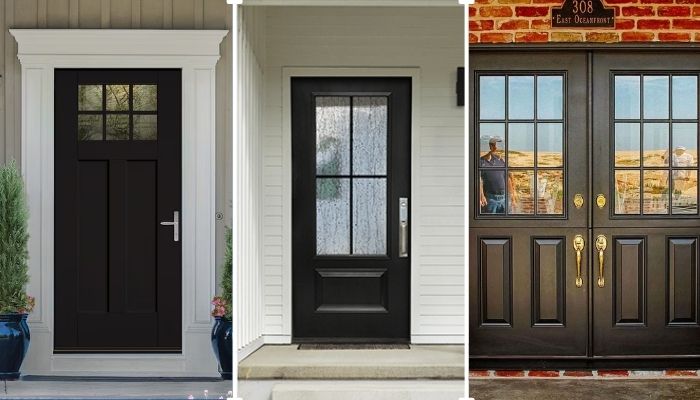
Thinking of giving your home that cozy, farmhouse charm? Let’s talk doors. Specifically, the fiberglass front doors in farmhouse style. You get the rustic look, without the rot, warping, or constant upkeep that comes with wood.
Read More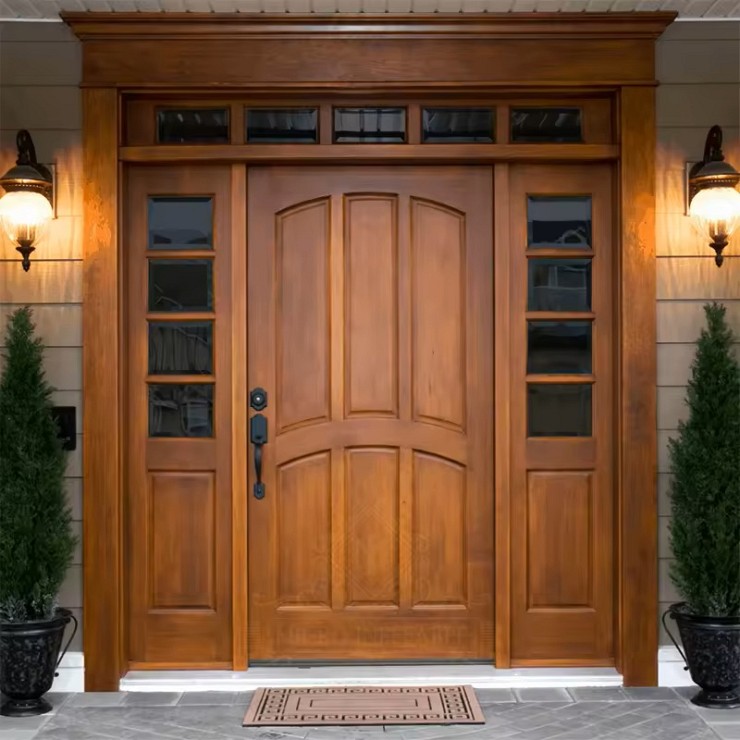
You want something that looks great, lasts long, and doesn’t stress you out with maintenance. You’re not alone. That’s exactly why more and more Toronto homeowners are choosing...
Read More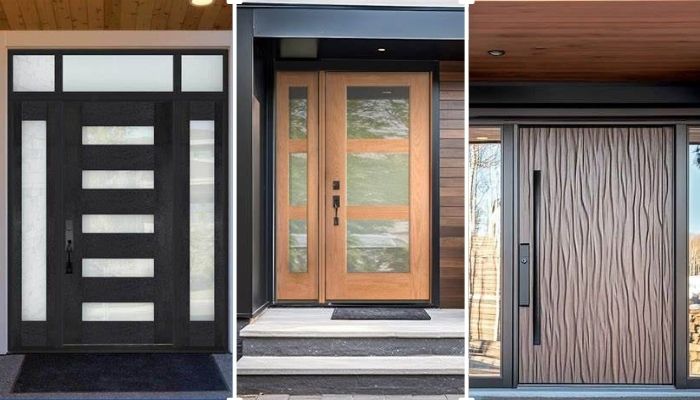
Thinking about replacing your front door? Let’s talk fiberglass. It's one of the smartest upgrades you can make, especially if you're living in Toronto. Whether your current door is drafty, outdated, or just plain boring.
Read More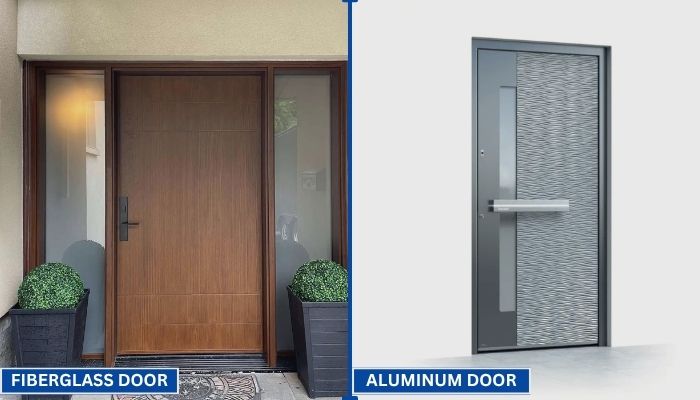
Your front door does more than just open and close. It protects your home, adds curb appeal, and helps control indoor temperature. That’s why picking the right door material matters.
Read More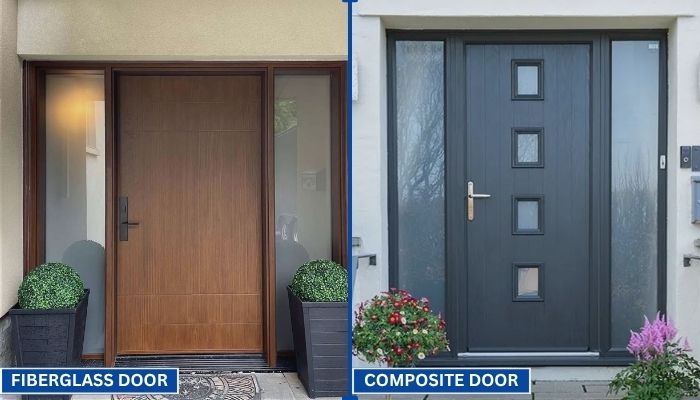
Choosing the right door can be confusing. You want something that looks good, lasts long, and keeps your home secure. Two of the most popular options today are fiberglass and composite doors.
Read More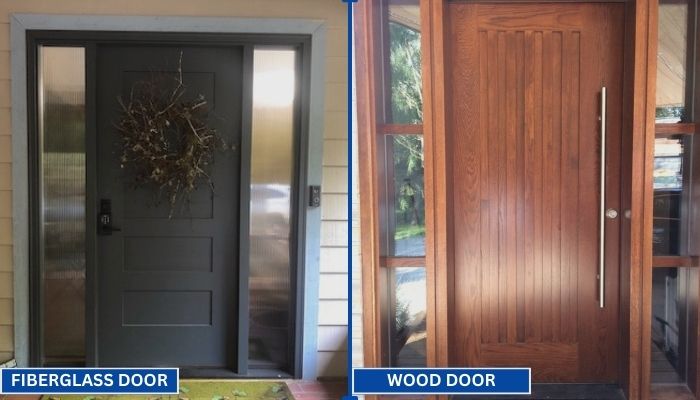
Replacing your front door is a big decision. Wood and fiberglass are two of the most popular materials for entry doors. Each has its own strengths in terms of style, durability, and maintenance. To help you choose the right one for your home, we have to go through a clear comparison.
Read MoreAn Epoxy Resin Kitchen Table is more than a striking centerpiece. It combines a natural wood slab with a cured polymer surface, creating a practical statement piece for dining, preparation, and daily conversation. For global buyers, the best choices must balance visual character, structural performance, maintenance, and responsible sourcing. A deep blue resin river may look impressive online, yet its quality depends on accurate curing, stable timber, and careful finishing.
Market data supports continued interest in resin-based products. Grand View Research valued the global epoxy resin market at approximately USD 12.4 billion in 2022 and forecast continued growth through 2030. Its analysis connects demand with construction, furniture, coatings, and industrial applications. The Freedonia Group also identifies customization and premium interior design as important drivers in furniture purchasing. These reports do not prove that every resin table is durable. They show why buyers need stronger evaluation standards.
This guide reviews ten leading Epoxy Resin Kitchen Table options for international customers. Each selection considers tabletop dimensions, wood species, resin clarity, heat resistance, edge treatment, packaging, and after-sales support. Certifications and documented production methods matter, especially when shipping across climates. A table made in a humid workshop may behave differently after arriving in a dry home. That detail is easy to miss.
Some judgments remain subjective. Color preference, knot patterns, and acceptable surface variation differ widely between buyers. We also recognize that product descriptions can exaggerate performance. Therefore, this guide favors verifiable specifications, realistic care instructions, and transparent seller communication over dramatic photographs. A beautiful table still deserves careful questions before purchase.
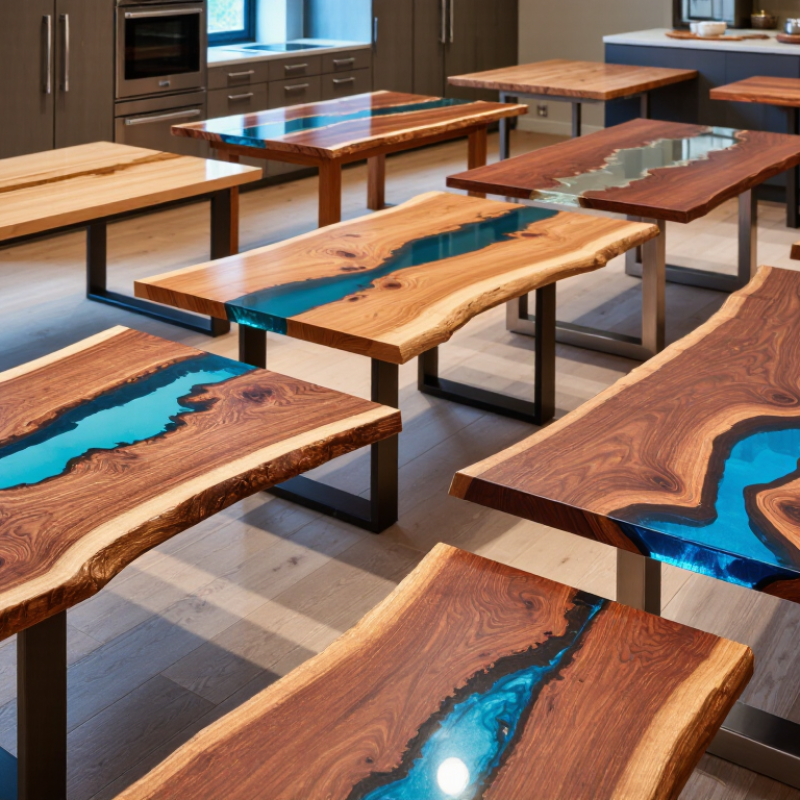
Epoxy resin kitchen tables suit global buyers because they combine practical strength with distinctive visual character. A clear resin surface can preserve natural wood grain, stone textures, or small decorative details. Each table looks different. That individuality helps homeowners, restaurants, and interior designers create memorable dining spaces.
Experienced buyers should examine more than appearance. A well-made table needs properly dried wood, an evenly cured resin layer, and a stable support frame. These details reduce cracking, warping, and surface movement during international transport. Buyers in humid regions should ask about moisture control and protective coatings. In sunny climates, UV-resistant finishing may help slow color changes. Still, resin can gradually yellow or scratch. It is not maintenance-free.
Global suitability also depends on usable design. Custom dimensions can fit compact apartments in Tokyo or large dining rooms in Toronto. Cable openings, rounded edges, adjustable feet, and different height options improve everyday comfort. Packaging deserves attention too. Thick corner protection, moisture barriers, and shock-absorbing materials can reduce shipping damage. I have found that clear specifications prevent more problems than attractive photographs. Buyers should request finish samples, weight details, care instructions, and quality inspection images before ordering. Small differences matter. A table may look perfect online, yet feel too glossy, too heavy, or slightly uneven in person.
| Rank | Table Type | Typical Size (L × W × H) | Wood Species | Epoxy Finish | Top Thickness | Seating Capacity | Estimated Weight | Estimated Price Range (USD) | Global Buyer Suitability |
|---|---|---|---|---|---|---|---|---|---|
| 1 | Live-Edge River Table | 180 × 90 × 76 cm | Walnut | Clear or lightly tinted, UV-stabilized | 40–50 mm | 6–8 people | 55–75 kg | $1,200–$3,500 | Iconic appearance, customizable dimensions, and strong appeal for international hospitality and residential projects. |
| 2 | Rectangular Dining Table | 160 × 80 × 76 cm | Oak | Clear satin or matte finish | 35–45 mm | 4–6 people | 45–65 kg | $900–$2,400 | A familiar dining format that fits apartments, family kitchens, and standard international furniture layouts. |
| 3 | Round Kitchen Table | 120 cm diameter × 76 cm | Ash | Transparent resin with natural grain | 35–45 mm | 4 people | 35–50 kg | $750–$1,900 | Space-efficient design with no sharp corners, making it suitable for compact kitchens and varied household layouts. |
| 4 | Waterfall-Edge Table | 180 × 90 × 76 cm | American elm | Gloss or satin clear coat | 40–50 mm | 6 people | 60–80 kg | $1,400–$3,800 | Distinctive sculptural styling supports premium interior projects and can be adapted to different leg systems. |
| 5 | Compact Breakfast Table | 120 × 70 × 76 cm | Beech | Clear resin with subtle color pigment | 30–40 mm | 2–4 people | 28–40 kg | $550–$1,400 | Lower material use and smaller dimensions can reduce shipping volume and suit urban homes or small dining areas. |
| 6 | Live-Edge Bar-Height Table | 160 × 65 × 91 cm | Acacia | Clear, amber, or dark-tinted resin | 35–45 mm | 4 people | 45–60 kg | $850–$2,200 | Works well in open-plan kitchens, cafés, and breakfast areas where a higher surface is preferred. |
| 7 | Reclaimed-Wood Resin Table | 180 × 85 × 76 cm | Reclaimed mixed hardwood | Low-VOC clear or tinted resin | 40–50 mm | 6 people | 50–75 kg | $1,000–$2,800 | Reuses existing timber, provides a unique surface, and supports sustainability-focused purchasing decisions. |
| 8 | Minimalist Slab Table | 200 × 90 × 76 cm | Maple | Clear, low-sheen protective coat | 35–45 mm | 6–8 people | 55–75 kg | $1,100–$3,000 | Neutral styling and a broad tabletop make it easier to coordinate with different interior trends and dining chairs. |
| 9 | Oval Family Table | 180 × 95 × 76 cm | Chestnut | Clear resin with satin topcoat | 40–50 mm | 6–8 people | 55–75 kg | $1,250–$3,200 | Rounded ends improve movement around the table and provide a comfortable option for family-oriented kitchens. |
| 10 | Extendable Resin Dining Table | 160–220 × 85 × 76 cm | Oak and walnut combination | Scratch-resistant clear resin coating | 35–45 mm | 4–8 people | 60–85 kg | $1,300–$3,600 | Flexible seating capacity is practical for homes and commercial spaces with changing dining requirements. |
Note: Dimensions, weight, and prices are typical market estimates for custom epoxy resin kitchen tables. Actual specifications may vary according to wood moisture, metal base design, resin volume, finishing method, packaging, and destination.
We’ll Come To You!
Quality New Windows & Doors. Competitively Priced!
Christine R.
Please, enter a valid value