
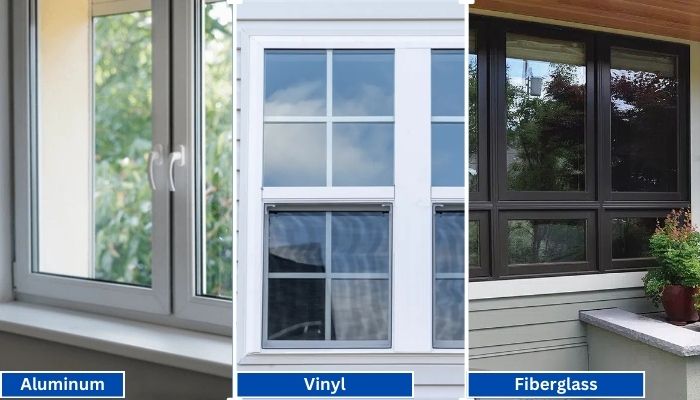
Vinyl generally has the shortest lead times because it is widely produced in standard configurations. Fiberglass is mid-range, especially for factory-painted colors.
Read More
PROUDLY CANADIAN COMPANY OWNED & OPERATED IN TORONTO SINCE 1989!
Vinyl generally has the shortest lead times because it is widely produced in standard configurations. Fiberglass is mid-range, especially for factory-painted colors.
Read More
Vinyl windows have become the go-to choice for homeowners in Toronto, thanks to their durability, energy efficiency, and low maintenance requirements. Whether you're upgrading your home for better insulation or enhancing
Read More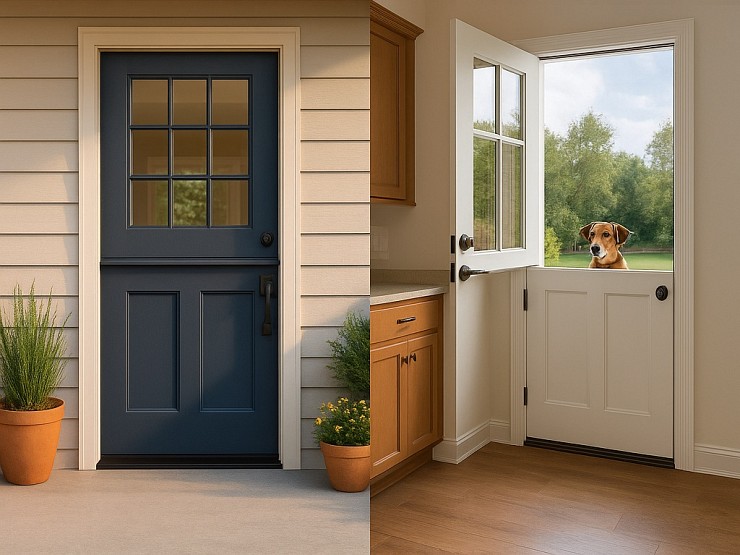
Thinking about changing your front door? A fiberglass Dutch door might have caught your eye. It’s not just a door. It’s part style statement, part smart functionality.
Read More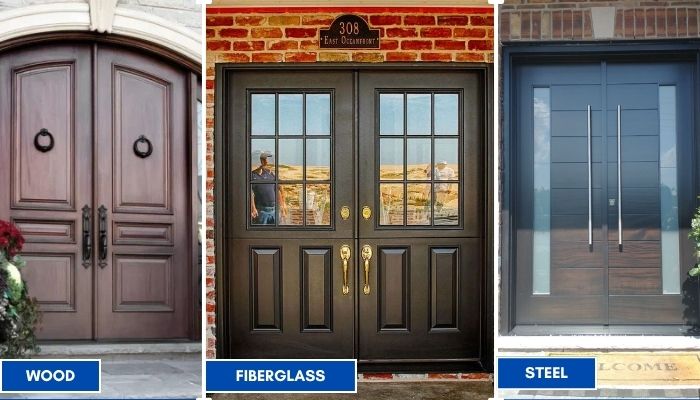
Thinking about replacing your front doors? Double doors are a bold upgrade. They look great, let in more light, and make moving big stuff easier. But the material you choose makes all the difference; especially here in Toronto.
Read More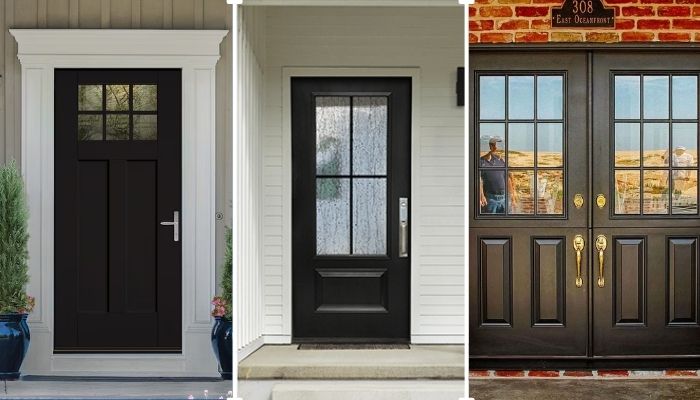
Thinking of giving your home that cozy, farmhouse charm? Let’s talk doors. Specifically, the fiberglass front doors in farmhouse style. You get the rustic look, without the rot, warping, or constant upkeep that comes with wood.
Read More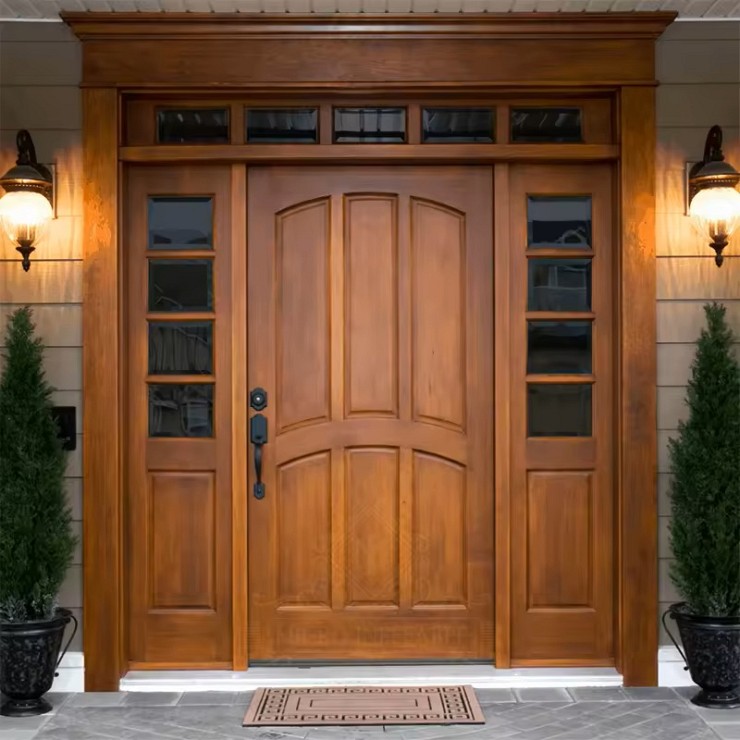
You want something that looks great, lasts long, and doesn’t stress you out with maintenance. You’re not alone. That’s exactly why more and more Toronto homeowners are choosing...
Read More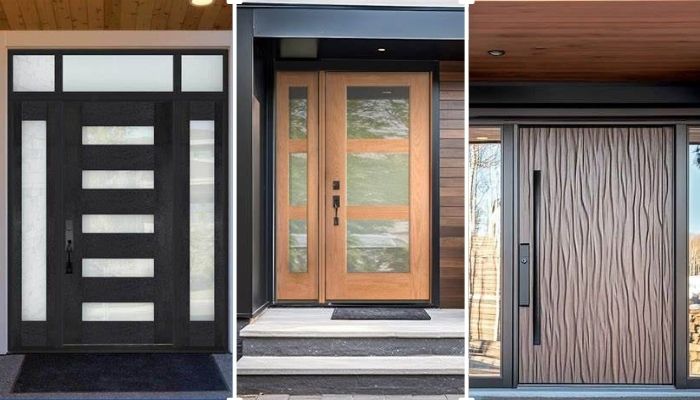
Thinking about replacing your front door? Let’s talk fiberglass. It's one of the smartest upgrades you can make, especially if you're living in Toronto. Whether your current door is drafty, outdated, or just plain boring.
Read More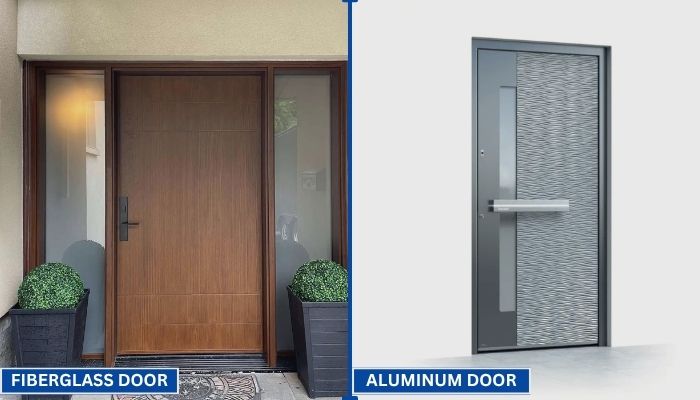
Your front door does more than just open and close. It protects your home, adds curb appeal, and helps control indoor temperature. That’s why picking the right door material matters.
Read More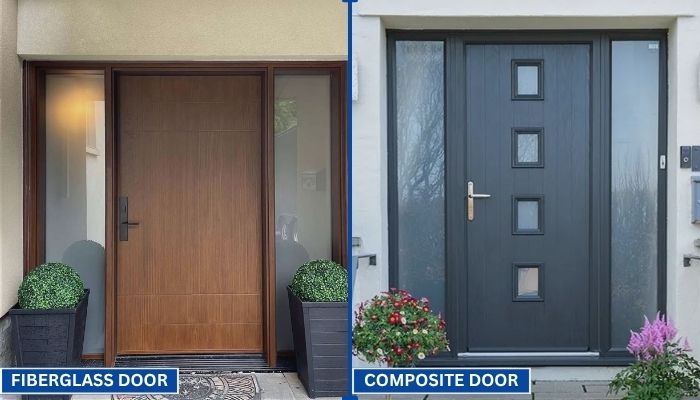
Choosing the right door can be confusing. You want something that looks good, lasts long, and keeps your home secure. Two of the most popular options today are fiberglass and composite doors.
Read More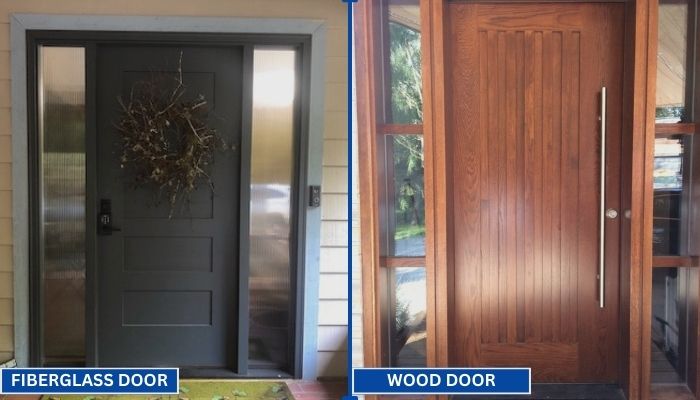
Replacing your front door is a big decision. Wood and fiberglass are two of the most popular materials for entry doors. Each has its own strengths in terms of style, durability, and maintenance. To help you choose the right one for your home, we have to go through a clear comparison.
Read MoreFolding Glass Doors are changing how homes, hotels, restaurants, and commercial spaces connect with the outdoors. Their wide openings bring daylight, airflow, and flexible circulation into daily use. Yet attractive frames alone do not guarantee performance.
The International Energy Agency reports that buildings consume about 30% of global final energy. It also attributes roughly 26% of energy-related emissions to building operations. These figures make thermal performance a serious buying factor, not a technical footnote. The U.S. Department of Energy notes that windows can represent 25–30% of residential heating and cooling energy use. Poorly specified glass doors may create similar comfort losses around large openings.
This guide reviews 10 Best Folding Glass Doors for Global Buyers? It compares frame materials, glass configurations, thermal breaks, air sealing, water resistance, hardware quality, and installation support. It also considers regional climate conditions, including coastal humidity, strong sunlight, cold winters, and heavy rainfall. NFRC ratings can help buyers compare U-factor and solar heat gain, while ASTM testing offers useful performance benchmarks. Certification details still require verification.
Real projects reveal small but costly weaknesses. Rollers may collect grit. Tracks may hold rainwater. Large panels can become difficult to operate after minor settlement. No list is perfect. Product availability, local installers, replacement parts, and building codes can change the final choice. Readers should request tested specifications, warranty terms, and installation references before ordering. The best Folding Glass Doors balance clear views with dependable daily performance.
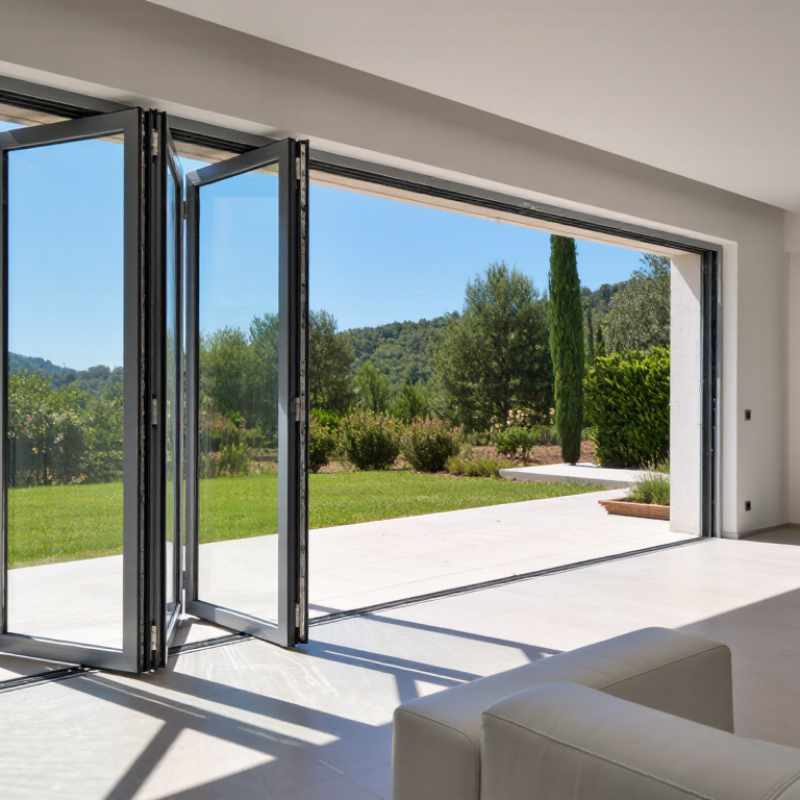
Folding glass doors use several hinged panels that collapse along a track. They open like an accordion, creating a wide passage with fewer fixed barriers. Each panel carries rollers, hinges, seals, and a glass frame. When you pull the handle, the first panel moves and guides the others into a compact stack.
The upper track carries much of the door’s weight, while the lower guide keeps panels aligned. A properly adjusted system should open smoothly, without scraping or sudden resistance. However, installation quality matters more than many buyers expect. Uneven floors, weak anchors, or poor drainage can shorten service life. The weak point is often the seal.
The U.S. Department of Energy reports that windows can cause 25% to 30% of residential heating and cooling energy use. Therefore, buyers should compare glass coatings, U-factor, and solar heat gain coefficient, not frame appearance alone. The International Energy Agency also reports that buildings use about 30% of global final energy. This makes thermal performance a practical purchasing issue.
Low-emissivity glass can reduce unwanted heat transfer, while laminated glass improves safety and sound control. Yet no folding door performs equally in every climate. Coastal air, strong sunlight, and frequent operation demand different specifications. NFRC-rated performance data offers a more reliable comparison than showroom claims. A beautiful door can still be inefficient. That deserves honest scrutiny.
We’ll Come To You!
Quality New Windows & Doors. Competitively Priced!
Christine R.
Please, enter a valid value