
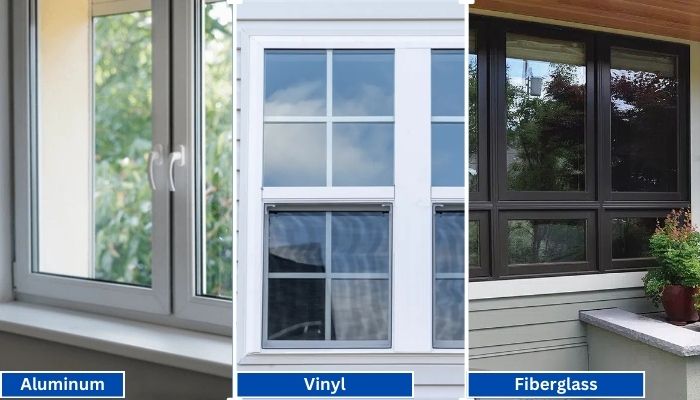
Vinyl generally has the shortest lead times because it is widely produced in standard configurations. Fiberglass is mid-range, especially for factory-painted colors.
Read More
PROUDLY CANADIAN COMPANY OWNED & OPERATED IN TORONTO SINCE 1989!
Vinyl generally has the shortest lead times because it is widely produced in standard configurations. Fiberglass is mid-range, especially for factory-painted colors.
Read More
Vinyl windows have become the go-to choice for homeowners in Toronto, thanks to their durability, energy efficiency, and low maintenance requirements. Whether you're upgrading your home for better insulation or enhancing
Read More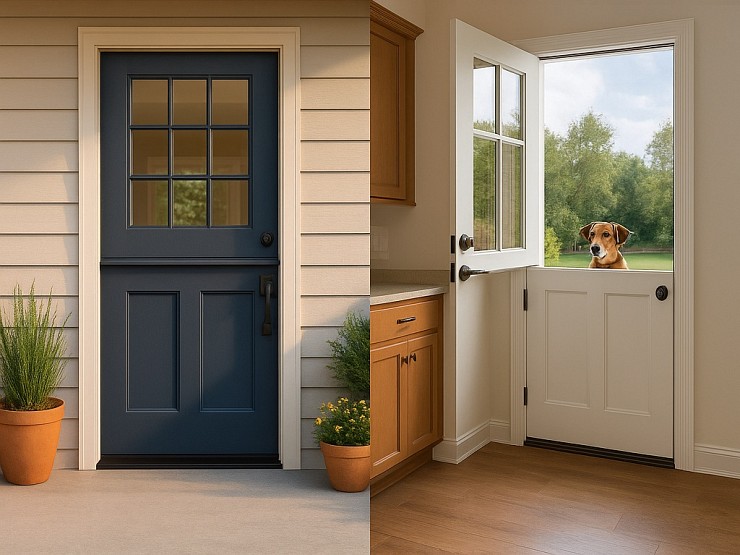
Thinking about changing your front door? A fiberglass Dutch door might have caught your eye. It’s not just a door. It’s part style statement, part smart functionality.
Read More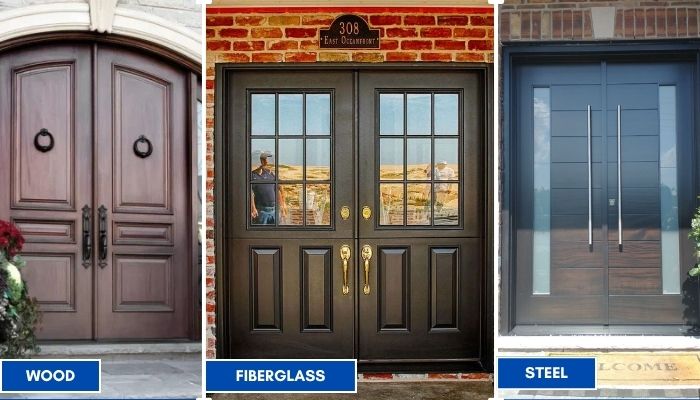
Thinking about replacing your front doors? Double doors are a bold upgrade. They look great, let in more light, and make moving big stuff easier. But the material you choose makes all the difference; especially here in Toronto.
Read More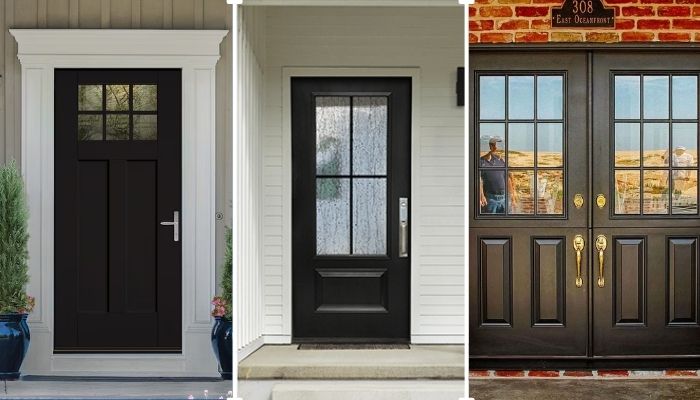
Thinking of giving your home that cozy, farmhouse charm? Let’s talk doors. Specifically, the fiberglass front doors in farmhouse style. You get the rustic look, without the rot, warping, or constant upkeep that comes with wood.
Read More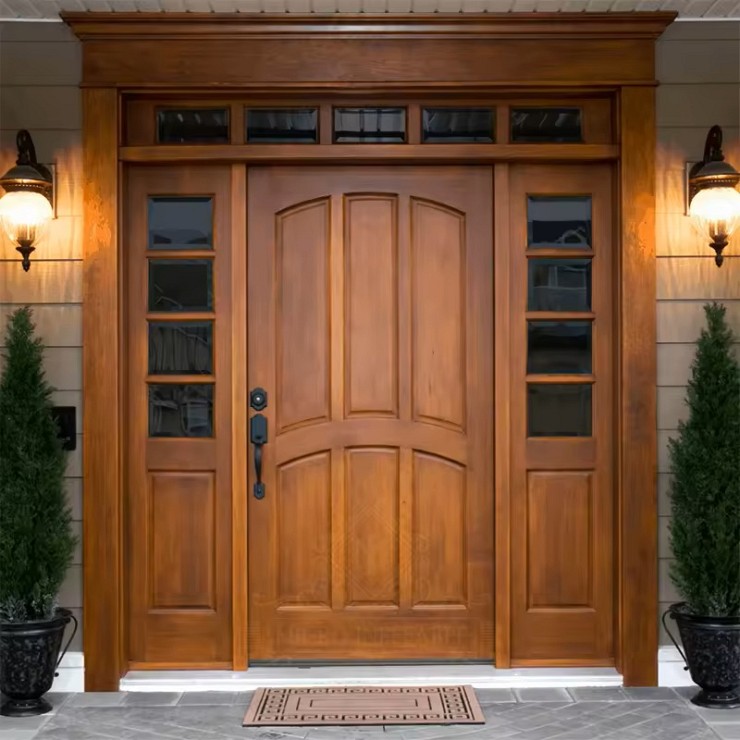
You want something that looks great, lasts long, and doesn’t stress you out with maintenance. You’re not alone. That’s exactly why more and more Toronto homeowners are choosing...
Read More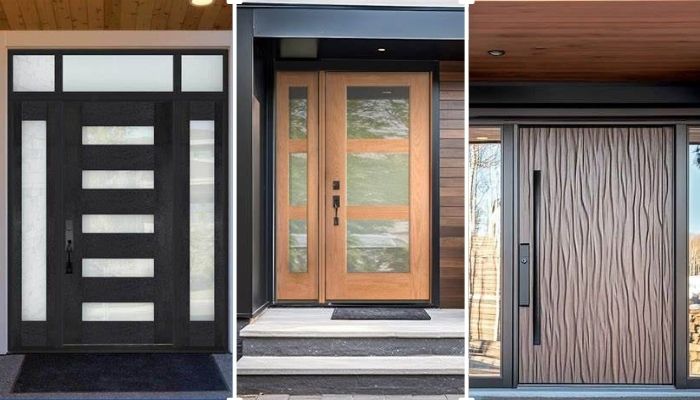
Thinking about replacing your front door? Let’s talk fiberglass. It's one of the smartest upgrades you can make, especially if you're living in Toronto. Whether your current door is drafty, outdated, or just plain boring.
Read More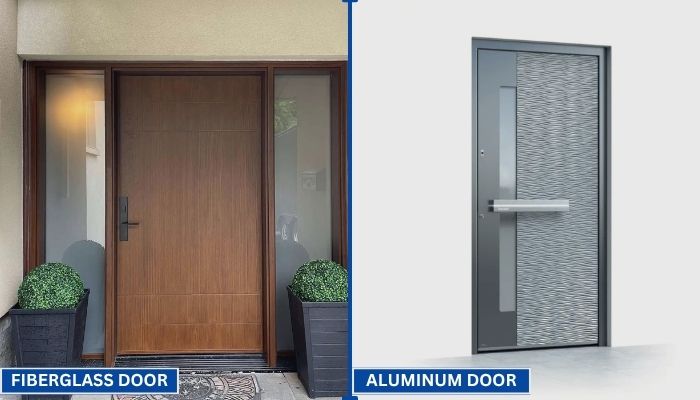
Your front door does more than just open and close. It protects your home, adds curb appeal, and helps control indoor temperature. That’s why picking the right door material matters.
Read More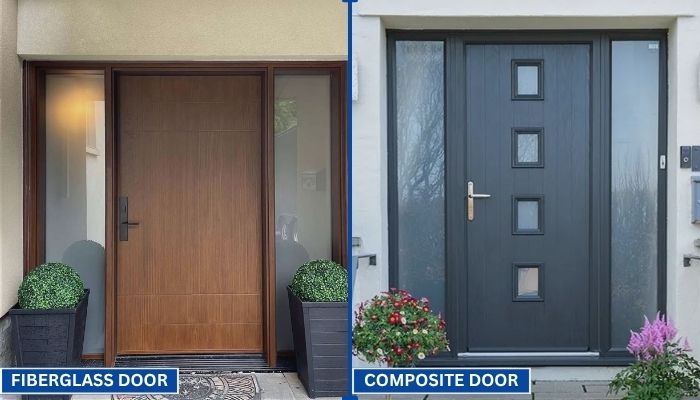
Choosing the right door can be confusing. You want something that looks good, lasts long, and keeps your home secure. Two of the most popular options today are fiberglass and composite doors.
Read More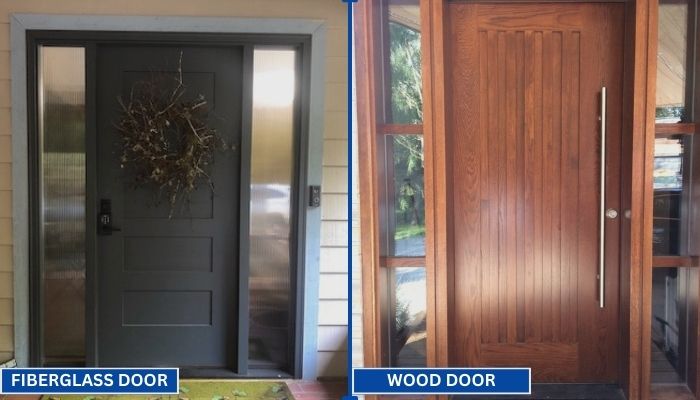
Replacing your front door is a big decision. Wood and fiberglass are two of the most popular materials for entry doors. Each has its own strengths in terms of style, durability, and maintenance. To help you choose the right one for your home, we have to go through a clear comparison.
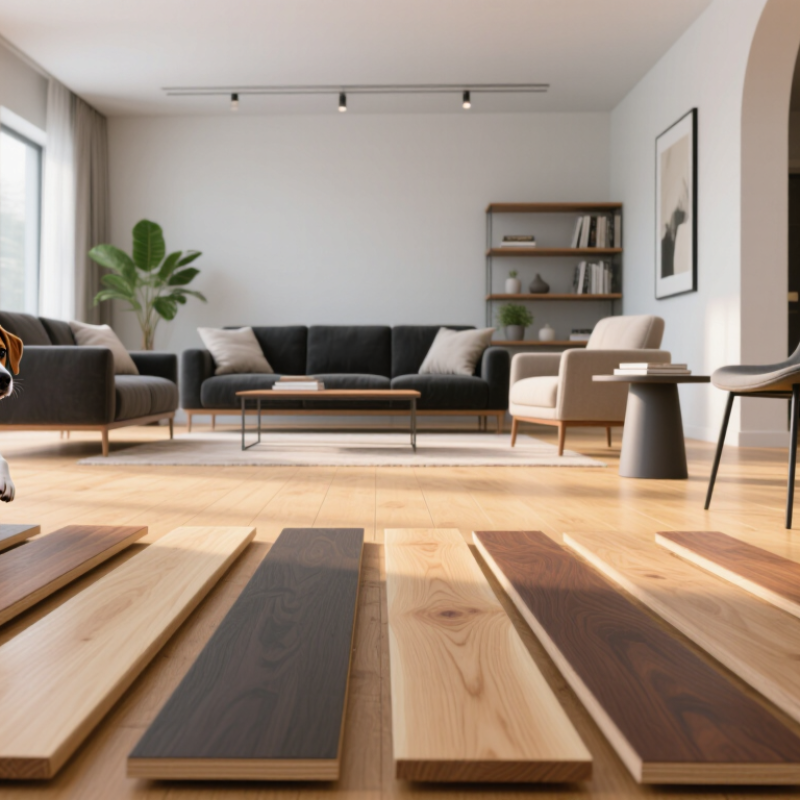
Read MoreChoosing flooring can feel simple until samples meet real rooms, pets, spills, and afternoon sunlight. In 2026, the best Laminate Plank flooring is not one universal product. The right choice depends on room use, subfloor condition, budget, and the look you want. Small details matter. A textured surface may hide everyday dust, while a glossy finish can show footprints. Water-resistant labeling also deserves careful reading; warranties and installation limits differ by brand. A product claim is not a guarantee.
This guide compares options using practical factors: wear resistance, locking systems, plank thickness, edge design, and manufacturer moisture guidance. It also considers comfort underfoot, sound, maintenance, and repair. Some points are easy to overlook. A thicker plank does not automatically perform better, and an attractive sample may feel different across a full room. A sample beside a sunny window may also look unlike one under warm evening lights. That difference can change your decision.
We’ll separate useful specifications from marketing language and explain what to check before ordering. When product details vary, follow the manufacturer’s current instructions. There is no perfect shortlist. Your best match may be an affordable option with dependable installation support, not the most expensive design. Use the comparisons ahead to narrow your choices, then test samples at home—ideally near a doorway, a sunny wall, and the furniture you use every day.
What Is the Best Laminate Plank Flooring in 2026?
What Laminate Plank Flooring Is and How It Is Made
Laminate plank flooring is a layered product, not a solid piece of wood. Its central layer is usually a dense fiberboard core, topped with a printed image that reproduces wood grain or stone. A clear, resin-treated wear layer protects that image. A balancing layer beneath helps the plank stay flat. A simple layered sandwich.
Manufacturers press these layers together with heat and pressure, then cut the boards and form their locking edges. Core density, edge precision, and surface treatment affect how planks handle daily wear. The North American Laminate Flooring Association’s certification standard assesses performance areas such as abrasion, impact, and dimensional stability. Those tests help, but they cannot guarantee that every floor will suit every room.
Industry scale is substantial: the European Producers of Laminate Flooring reported approximately 352 million square meters of European production in 2023, down 7.8% from 2022. That figure describes output, not product quality. One detail is easy to underestimate: a water-resistant surface does not necessarily mean water-tight joints. Inspect the locking edges and installation guidance, especially for kitchens or entryways where wet shoes leave small puddles.
We’ll Come To You!
Quality New Windows & Doors. Competitively Priced!
Christine R.
Please, enter a valid value