
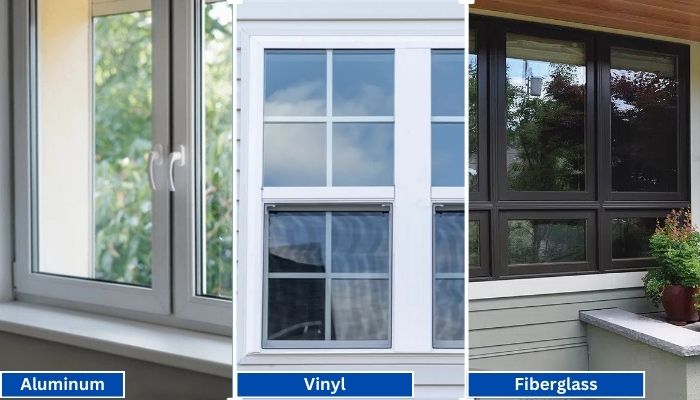
Vinyl generally has the shortest lead times because it is widely produced in standard configurations. Fiberglass is mid-range, especially for factory-painted colors.
Read More
PROUDLY CANADIAN COMPANY OWNED & OPERATED IN TORONTO SINCE 1989!
Vinyl generally has the shortest lead times because it is widely produced in standard configurations. Fiberglass is mid-range, especially for factory-painted colors.
Read More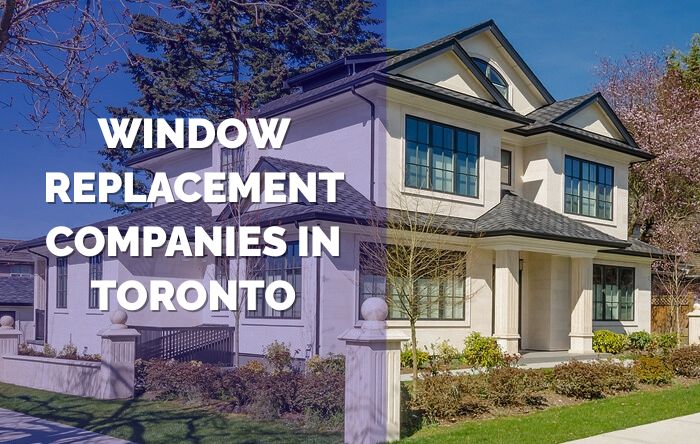
Vinyl windows have become the go-to choice for homeowners in Toronto, thanks to their durability, energy efficiency, and low maintenance requirements. Whether you're upgrading your home for better insulation or enhancing
Read More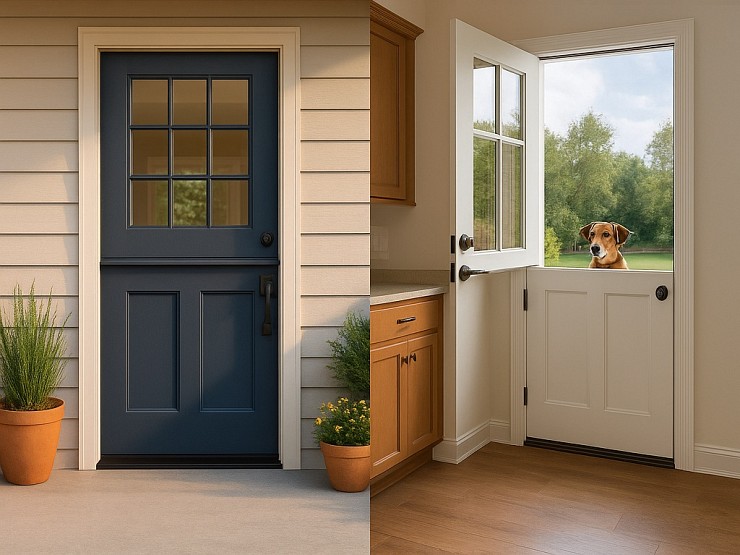
Thinking about changing your front door? A fiberglass Dutch door might have caught your eye. It’s not just a door. It’s part style statement, part smart functionality.
Read More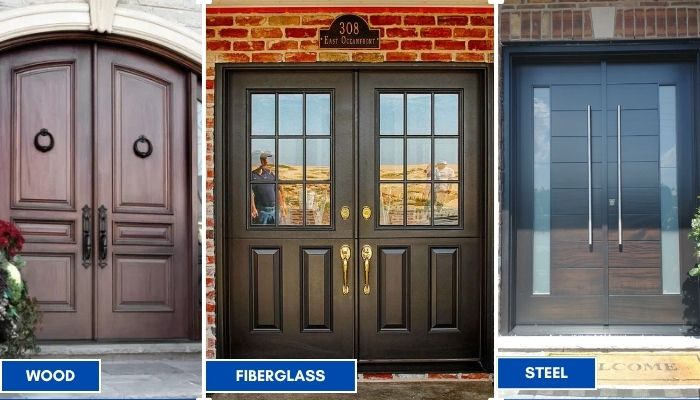
Thinking about replacing your front doors? Double doors are a bold upgrade. They look great, let in more light, and make moving big stuff easier. But the material you choose makes all the difference; especially here in Toronto.
Read More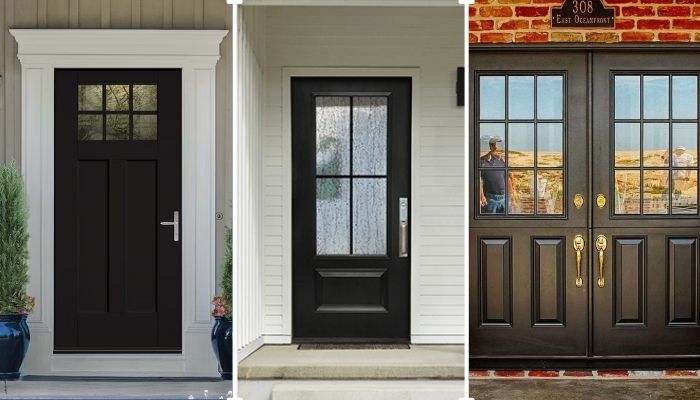
Thinking of giving your home that cozy, farmhouse charm? Let’s talk doors. Specifically, the fiberglass front doors in farmhouse style. You get the rustic look, without the rot, warping, or constant upkeep that comes with wood.
Read More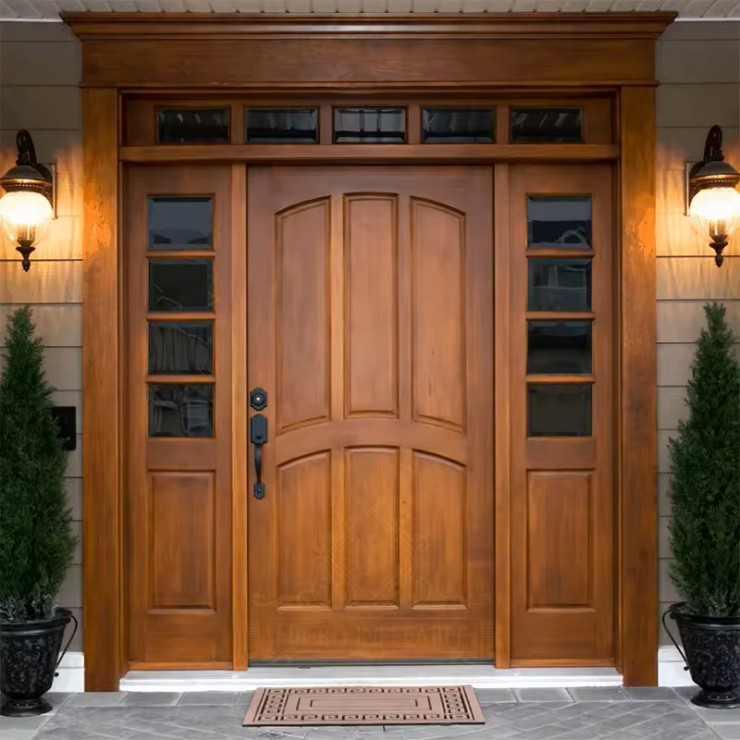
You want something that looks great, lasts long, and doesn’t stress you out with maintenance. You’re not alone. That’s exactly why more and more Toronto homeowners are choosing...
Read More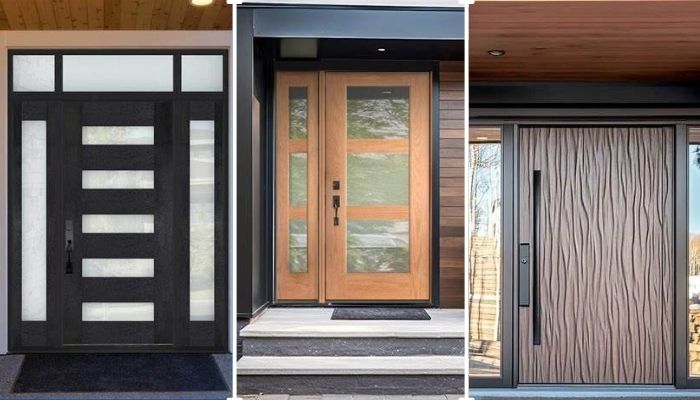
Thinking about replacing your front door? Let’s talk fiberglass. It's one of the smartest upgrades you can make, especially if you're living in Toronto. Whether your current door is drafty, outdated, or just plain boring.
Read More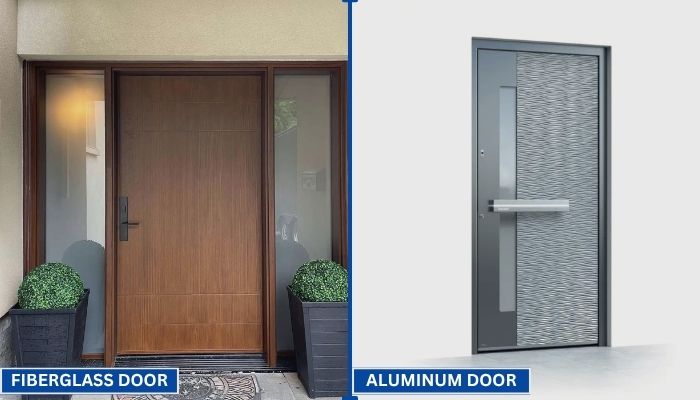
Your front door does more than just open and close. It protects your home, adds curb appeal, and helps control indoor temperature. That’s why picking the right door material matters.
Read More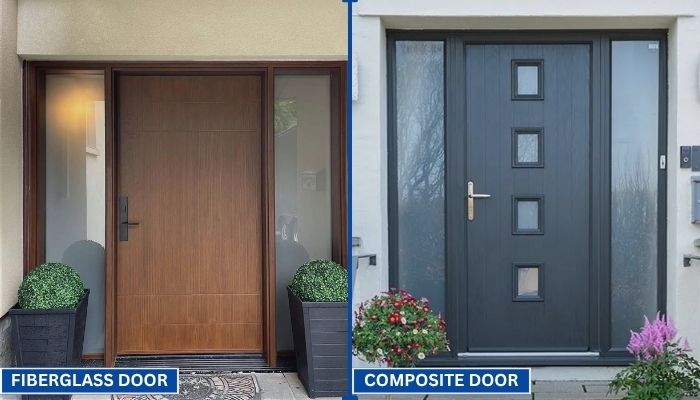
Choosing the right door can be confusing. You want something that looks good, lasts long, and keeps your home secure. Two of the most popular options today are fiberglass and composite doors.
Read More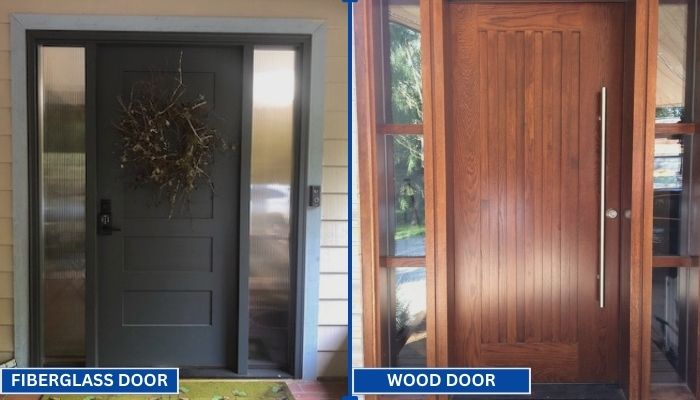
Replacing your front door is a big decision. Wood and fiberglass are two of the most popular materials for entry doors. Each has its own strengths in terms of style, durability, and maintenance. To help you choose the right one for your home, we have to go through a clear comparison.
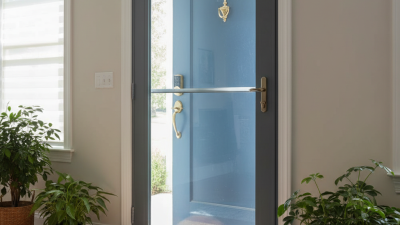
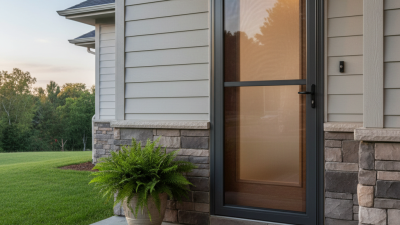
Read MoreA storm door is more than a seasonal barrier between your home and the weather. It can soften winter drafts, reduce summer heat, and add a second layer near the entry lock. The right model should also preserve daylight, ventilation, and a clear view of visitors.
The U.S. Department of Energy reports that heat gain and loss through windows account for 25% to 30% of residential heating and cooling energy use. A storm door cannot eliminate that loss, but a tight-fitting frame and quality glazing may support better entrance performance. ENERGY STAR guidance recommends comparing U-factor, solar heat gain coefficient, and air-leakage ratings. The National Fenestration Rating Council provides a reliable framework for reading those measurements.
Security requires a different lens. Look for reinforced corners, durable hinges, tamper-resistant screws, dependable closers, and a lockset that feels firm during repeated use. Thin mesh and decorative glass may look attractive, yet they can provide limited resistance. Check the manufacturer’s specifications rather than trusting dramatic marketing language.
This list compares ten leading options for energy efficiency, ventilation, visibility, weather resistance, and everyday security. Some models perform best in cold climates. Others suit humid regions or busy family entrances. No ranking is perfect. Installation quality can change the result, sometimes noticeably. A carefully measured opening, sealed mounting surface, and correctly adjusted closer matter as much as the door itself. Small details matter. Expect trade-offs, and choose the storm door that matches your climate, entry design, and household routine.
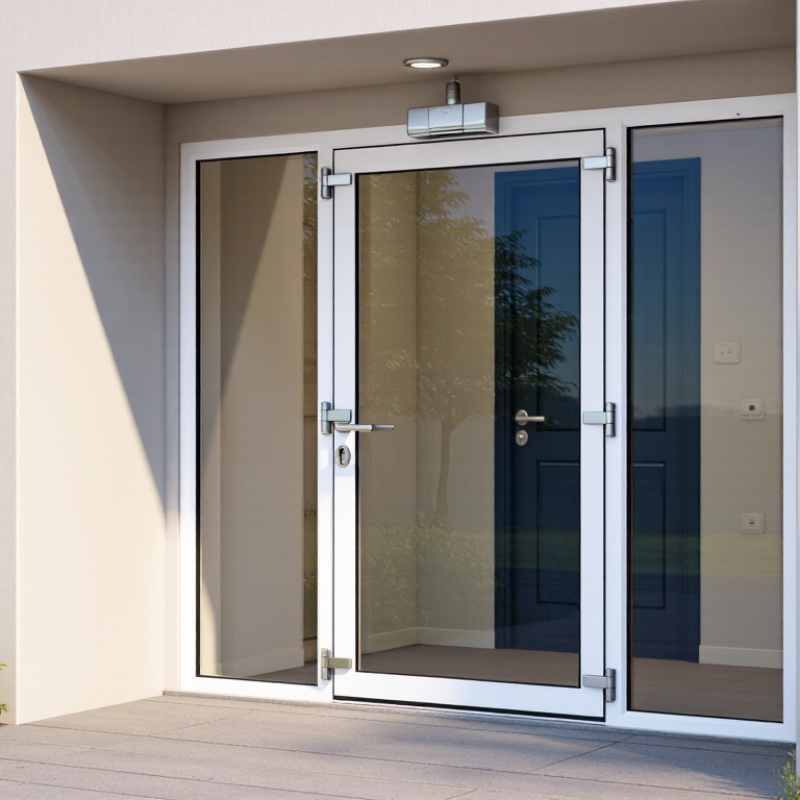
A secure storm door begins with its frame, not its decorative glass.
A reinforced frame should sit firmly against the entry opening, with no visible twisting or loose corners. Multi-point locks distribute pressure across the door instead of relying on one small latch.
Security starts at the frame.
Look for a heavy-duty closer, tamper-resistant hinges, and a lock compatible with the main entry deadbolt. Tempered or laminated glass can also resist impact better than ordinary glass.
Energy efficiency depends on how tightly the door seals.
Continuous weatherstripping should compress evenly along the top, latch side, and hinge side. A door sweep should touch the threshold without dragging across it. Low-emissivity glass can reduce heat transfer while still allowing daylight into the entryway.
On a cold evening, place your hand near the edges.
Small drafts matter. If air moves around the frame, even excellent glass cannot solve the problem.
In practical inspections, installation often separates a strong door from a disappointing one.
Measure the opening at several points because older homes rarely have perfectly square frames.
I once focused too heavily on lock strength and overlooked a warped threshold; the door closed securely but leaked cold air. That mistake changed my checklist.
Check alignment, screw depth, closer tension, and seasonal expansion after installation. A secure, efficient storm door should close smoothly, resist forced movement, and keep the hallway comfortable without constant adjustment.

We’ll Come To You!
Quality New Windows & Doors. Competitively Priced!
Christine R.
Please, enter a valid value