
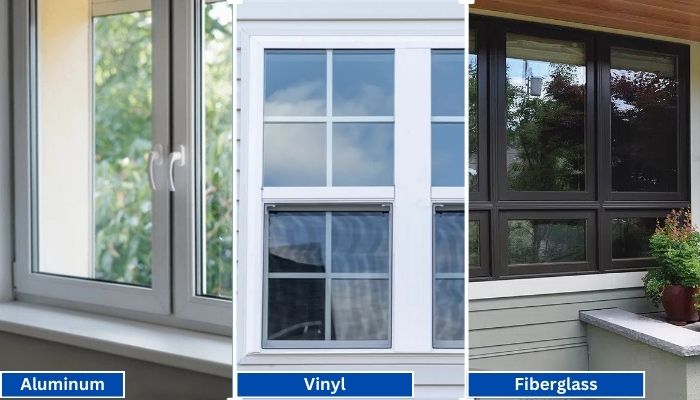
Vinyl generally has the shortest lead times because it is widely produced in standard configurations. Fiberglass is mid-range, especially for factory-painted colors.
Read More
PROUDLY CANADIAN COMPANY OWNED & OPERATED IN TORONTO SINCE 1989!
Vinyl generally has the shortest lead times because it is widely produced in standard configurations. Fiberglass is mid-range, especially for factory-painted colors.
Read More
Vinyl windows have become the go-to choice for homeowners in Toronto, thanks to their durability, energy efficiency, and low maintenance requirements. Whether you're upgrading your home for better insulation or enhancing
Read More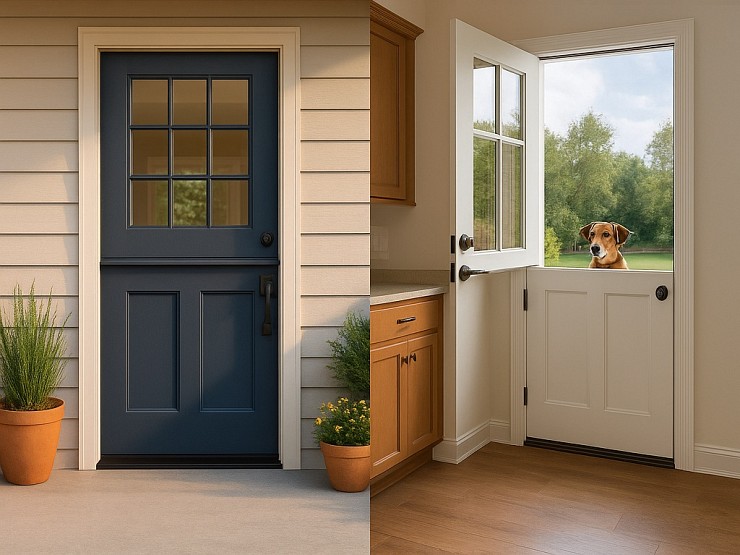
Thinking about changing your front door? A fiberglass Dutch door might have caught your eye. It’s not just a door. It’s part style statement, part smart functionality.
Read More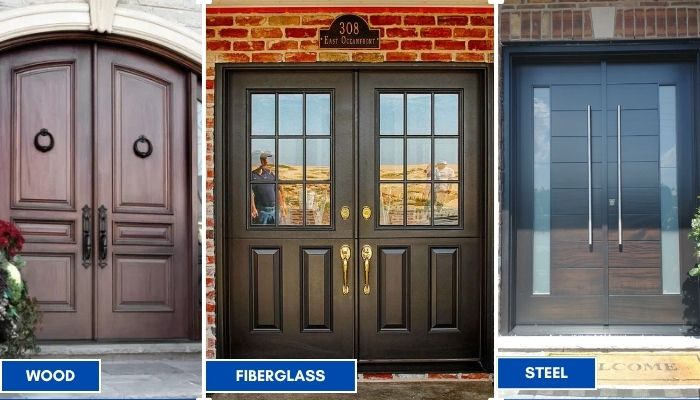
Thinking about replacing your front doors? Double doors are a bold upgrade. They look great, let in more light, and make moving big stuff easier. But the material you choose makes all the difference; especially here in Toronto.
Read More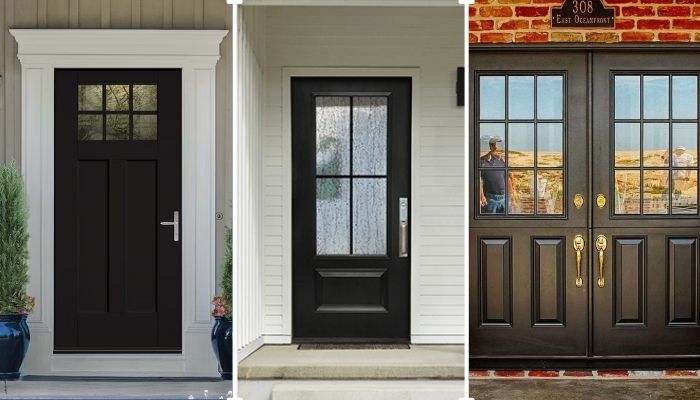
Thinking of giving your home that cozy, farmhouse charm? Let’s talk doors. Specifically, the fiberglass front doors in farmhouse style. You get the rustic look, without the rot, warping, or constant upkeep that comes with wood.
Read More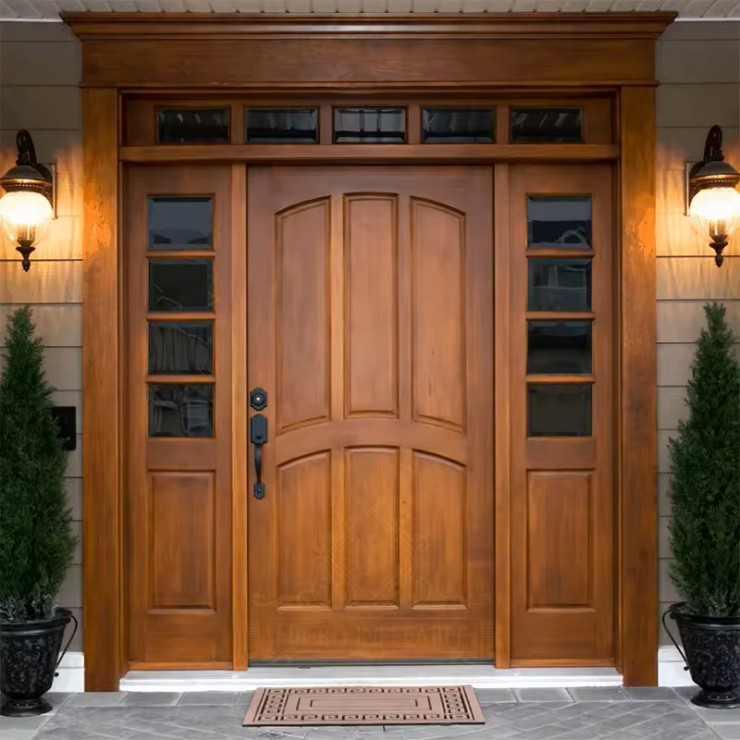
You want something that looks great, lasts long, and doesn’t stress you out with maintenance. You’re not alone. That’s exactly why more and more Toronto homeowners are choosing...
Read More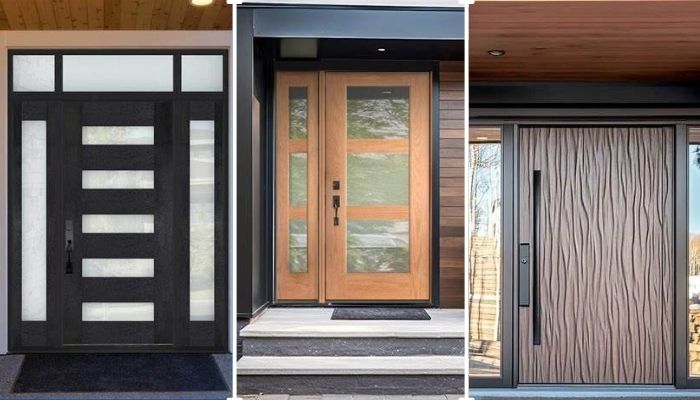
Thinking about replacing your front door? Let’s talk fiberglass. It's one of the smartest upgrades you can make, especially if you're living in Toronto. Whether your current door is drafty, outdated, or just plain boring.
Read More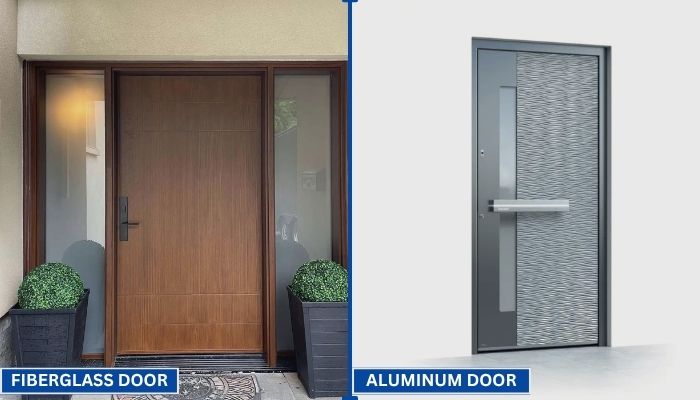
Your front door does more than just open and close. It protects your home, adds curb appeal, and helps control indoor temperature. That’s why picking the right door material matters.
Read More
Choosing the right door can be confusing. You want something that looks good, lasts long, and keeps your home secure. Two of the most popular options today are fiberglass and composite doors.
Read More
Replacing your front door is a big decision. Wood and fiberglass are two of the most popular materials for entry doors. Each has its own strengths in terms of style, durability, and maintenance. To help you choose the right one for your home, we have to go through a clear comparison.
Read MoreChoosing the best straw tableware from China requires more than comparing prices or attractive product photos. Buyers should examine material safety, manufacturing consistency, and the supplier’s ability to meet food-contact requirements. This matters for restaurants, schools, hotels, catering companies, and retailers serving hot meals every day.
The phrase “Straw Tableware Tableware” may sound repetitive, but it reflects a growing category with several material options. Some products use wheat straw fiber blended with food-grade polymers. Others combine plant fibers with bamboo, rice husk, or recycled materials. Each formula behaves differently under heat, moisture, washing, and repeated handling. A plate that feels sturdy at room temperature may soften near boiling soup. Small details matter.
Look closely at the rim, surface finish, weight, and stacking design. Ask whether the supplier provides material specifications, migration test reports, factory quality procedures, and batch traceability. Reliable manufacturers should explain their molding process clearly. They should also identify limits for microwave use, dishwasher cleaning, and direct contact with oily foods.
Factory experience can help, but it does not guarantee perfect results. Samples may look excellent while later batches vary slightly in color or thickness. That possibility deserves honest attention. Buyers should test several production samples, not only one promotional piece. They should also confirm packaging strength, carton labeling, and delivery records before placing a large order.
China offers broad manufacturing capacity and customization options. Yet the “best” choice depends on the final application, target market, and compliance needs. A responsible evaluation balances appearance, durability, documentation, and supplier communication. Sometimes, the cheapest option is not the most economical one.
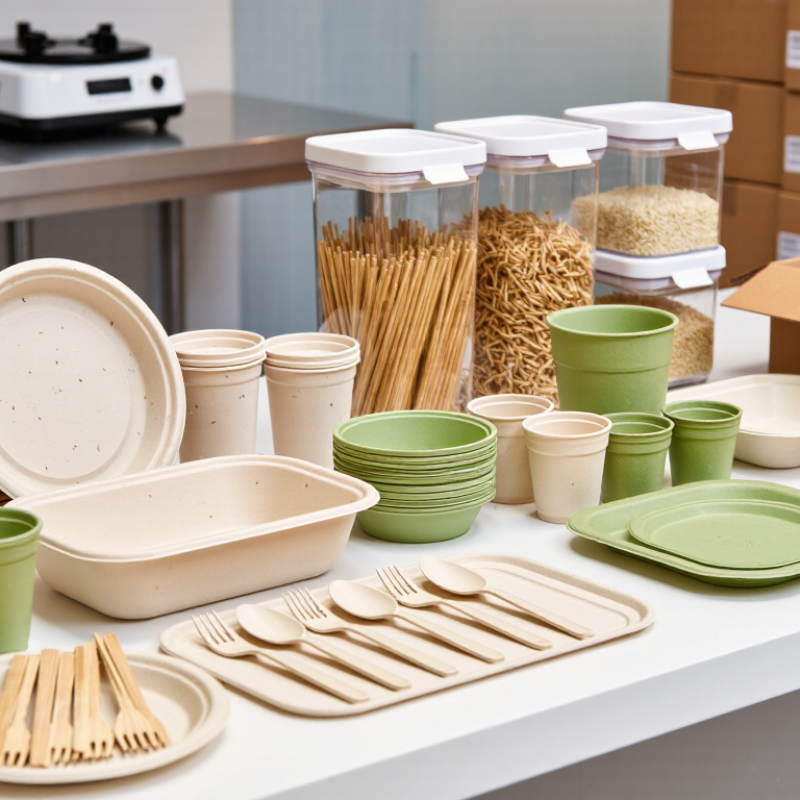
Straw tableware usually contains wheat straw fiber, rice husk, bamboo fiber, or similar plant materials. In China, manufacturers clean and dry agricultural residues before grinding them into fine powder. The powder is then blended with a food-contact binder and molded under controlled heat and pressure. Workers trim the edges, inspect surfaces, and test dimensions. Some products are reusable and dishwasher-safe. Others are designed for short-term use. The label matters.
“Straw” does not always mean plastic-free. Some products combine plant fiber with polypropylene or another polymer. This can improve strength but may reduce compostability. Fortune Business Insights valued the global biodegradable tableware market at about USD 4.65 billion in 2023. Its report projects continued growth through 2032. That growth reflects demand, not automatic quality. Material composition, migration testing, heat resistance, and manufacturing traceability still require careful review. A supplier’s certificate alone may not answer every question.
Tips: Request the full material formula, not only the product name. Ask for food-contact test reports from an accredited laboratory. Check whether the item suits hot soup, microwaves, or dishwashers. Inspect a sample for rough edges, odor, warping, and uneven color. I would also question vague compostable claims. They are easy to print and harder to verify. A small sample test can reveal more than polished catalog photos.
We’ll Come To You!
Quality New Windows & Doors. Competitively Priced!
Christine R.
Please, enter a valid value