
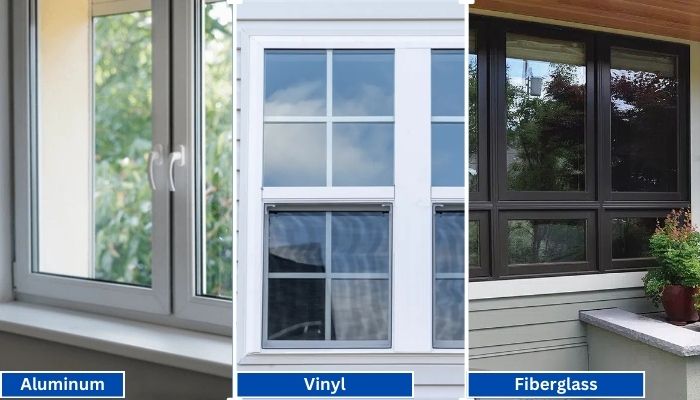
Vinyl generally has the shortest lead times because it is widely produced in standard configurations. Fiberglass is mid-range, especially for factory-painted colors.
Read More
PROUDLY CANADIAN COMPANY OWNED & OPERATED IN TORONTO SINCE 1989!
Vinyl generally has the shortest lead times because it is widely produced in standard configurations. Fiberglass is mid-range, especially for factory-painted colors.
Read More
Vinyl windows have become the go-to choice for homeowners in Toronto, thanks to their durability, energy efficiency, and low maintenance requirements. Whether you're upgrading your home for better insulation or enhancing
Read More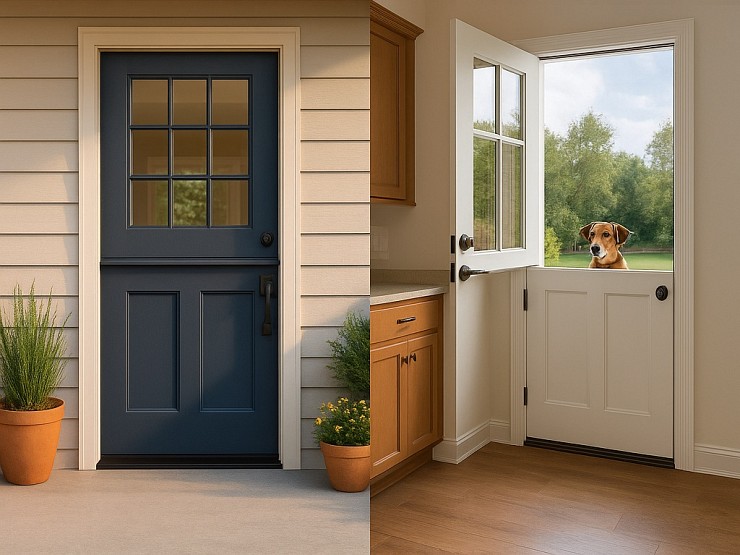
Thinking about changing your front door? A fiberglass Dutch door might have caught your eye. It’s not just a door. It’s part style statement, part smart functionality.
Read More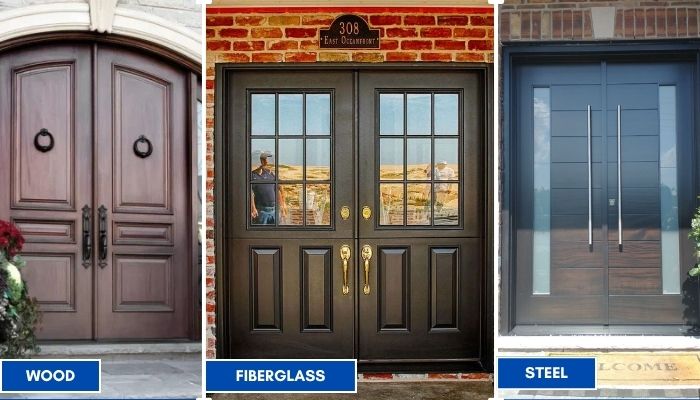
Thinking about replacing your front doors? Double doors are a bold upgrade. They look great, let in more light, and make moving big stuff easier. But the material you choose makes all the difference; especially here in Toronto.
Read More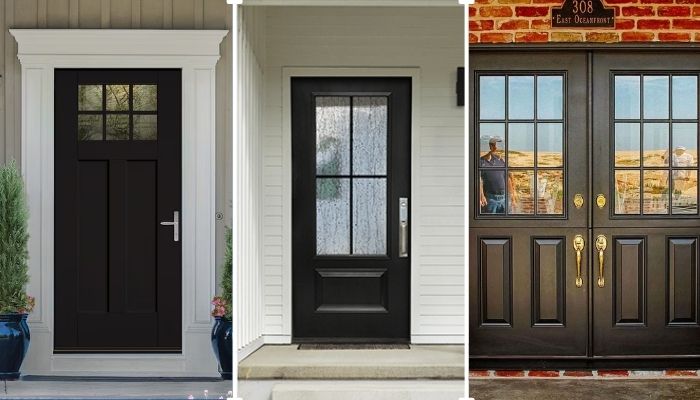
Thinking of giving your home that cozy, farmhouse charm? Let’s talk doors. Specifically, the fiberglass front doors in farmhouse style. You get the rustic look, without the rot, warping, or constant upkeep that comes with wood.
Read More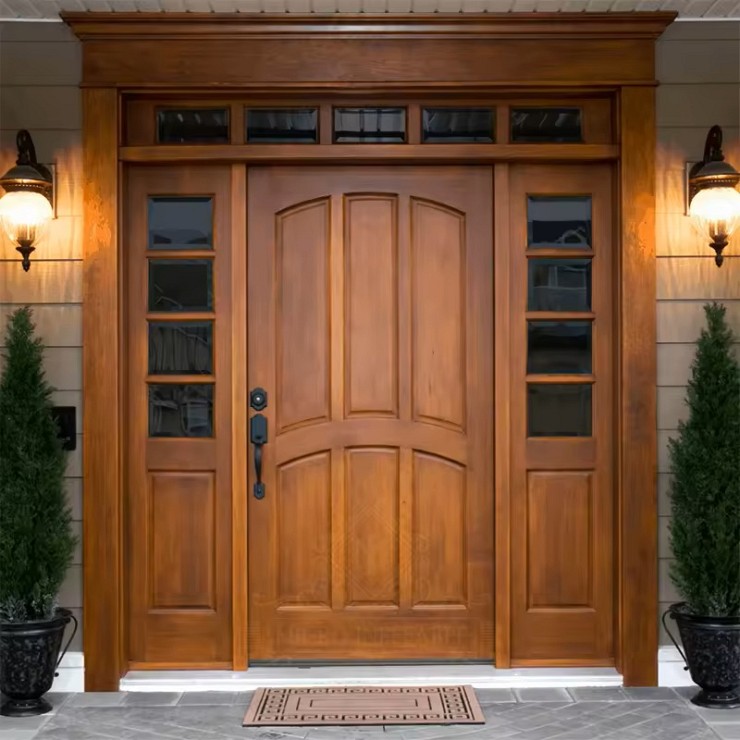
You want something that looks great, lasts long, and doesn’t stress you out with maintenance. You’re not alone. That’s exactly why more and more Toronto homeowners are choosing...
Read More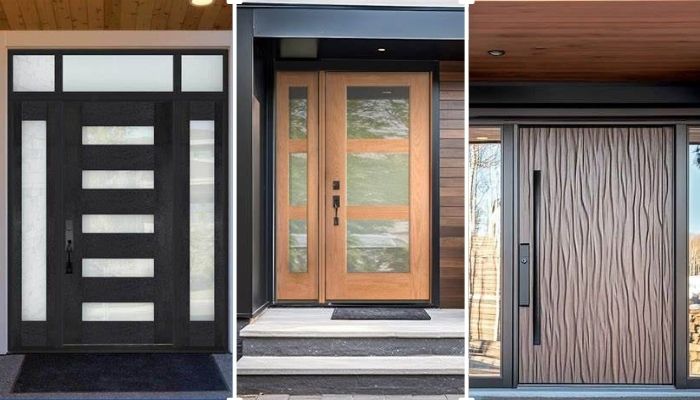
Thinking about replacing your front door? Let’s talk fiberglass. It's one of the smartest upgrades you can make, especially if you're living in Toronto. Whether your current door is drafty, outdated, or just plain boring.
Read More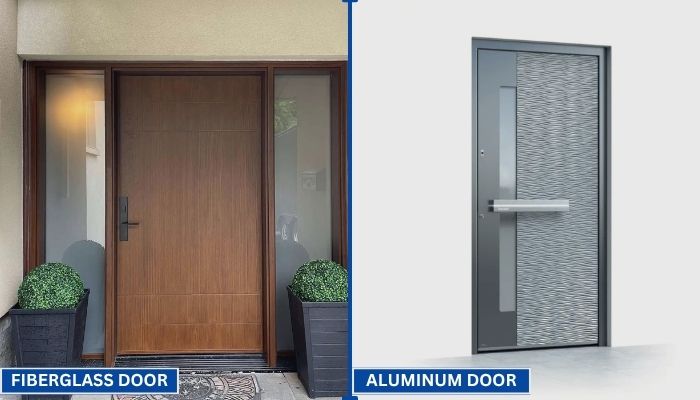
Your front door does more than just open and close. It protects your home, adds curb appeal, and helps control indoor temperature. That’s why picking the right door material matters.
Read More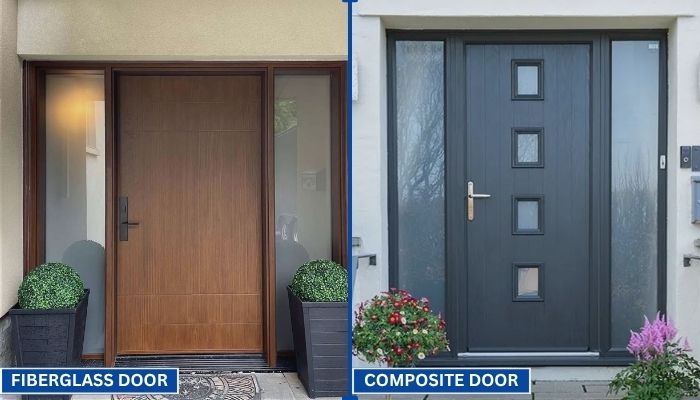
Choosing the right door can be confusing. You want something that looks good, lasts long, and keeps your home secure. Two of the most popular options today are fiberglass and composite doors.
Read More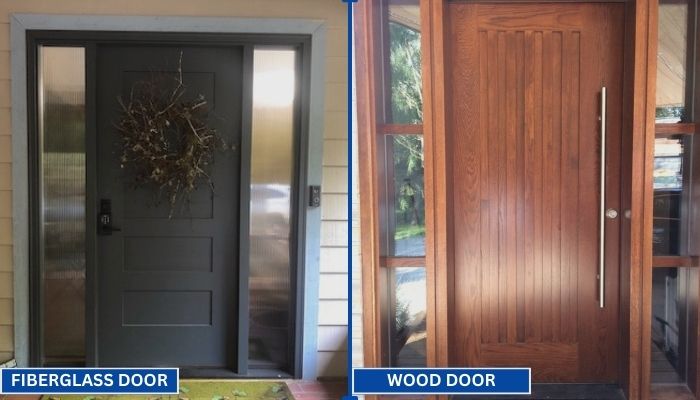
Replacing your front door is a big decision. Wood and fiberglass are two of the most popular materials for entry doors. Each has its own strengths in terms of style, durability, and maintenance. To help you choose the right one for your home, we have to go through a clear comparison.
Read MoreChoosing the best exterior front door is not only about curb appeal. It affects security, comfort, maintenance, and daily energy use. The right choice depends on your climate, entryway exposure, budget, and how long you expect to stay.
The U.S. Department of Energy identifies air leakage as a major source of residential energy loss. A poorly sealed door can let in cold drafts, summer heat, dust, and moisture. ENERGY STAR and the National Fenestration Rating Council recommend comparing U-factor, air leakage, and weather-seal performance instead of judging materials alone. Small details matter. A tight threshold matters. So does proper installation.
As Therma-Tru president Chris Hurst has said, “The front door is the focal point of a home’s exterior.” That idea sounds simple, but it deserves a closer look. Fiberglass doors usually resist dents, moisture, and temperature changes well. Steel doors can offer strong security and value, though exposed edges may rust when neglected. Wood doors provide warmth and character, but they demand more consistent sealing.
There is no perfect answer. That is the uncomfortable part. A beautiful door may perform poorly if its frame is uneven. A highly insulated model may still fail because of careless installation. The Federal Energy Management Program and NFRC labeling guidance support evaluating the complete door system, not just the slab. This guide compares those trade-offs, using practical performance data and real-world concerns. Perhaps appearance should come second. Perhaps not. The best exterior front door is the one that fits your home, climate, habits, and tolerance for maintenance.
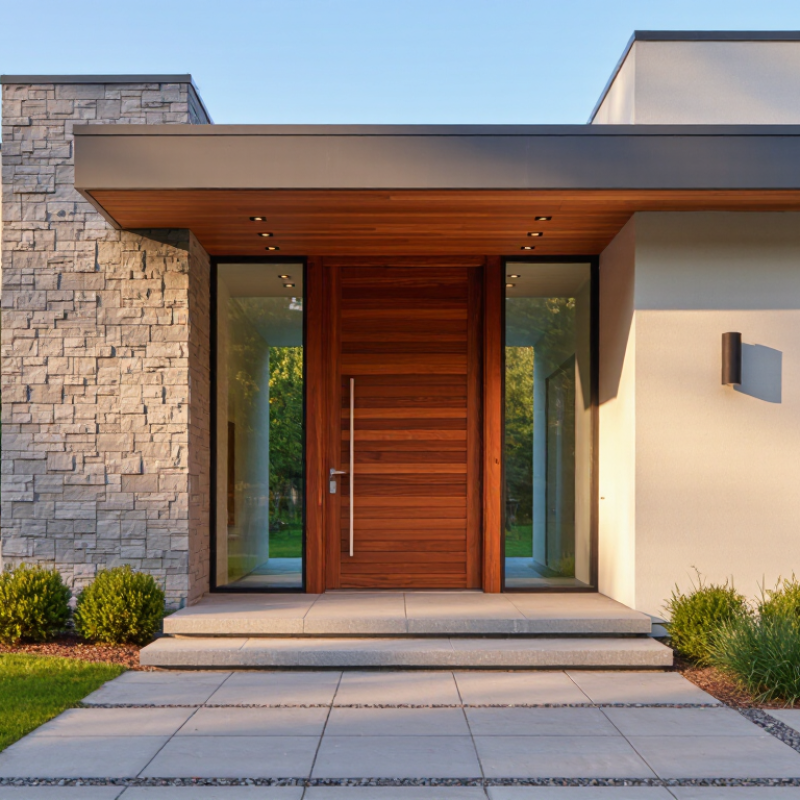
What Is the Best Type of Exterior Front Door?
Exterior front doors come in several materials, and each one behaves differently. Fiberglass doors resist moisture, dents, and daily temperature changes. They can also imitate painted wood with surprisingly realistic grain. Steel doors provide strong security and usually cost less than solid wood. However, scratches may expose the metal and encourage rust if repairs are delayed.
Wood doors offer natural warmth, detailed panels, and easy refinishing. They need more attention, especially in rainy or humid climates. A properly sealed wood door can last for years, but neglected edges may swell. Aluminum doors are lightweight and resist corrosion, making them useful in coastal areas. Glass panels bring daylight into a dark entryway, although they can reduce privacy and insulation.
The frame matters as much as the slab. During a home inspection, uneven gaps often reveal poor installation rather than a weak door type. Look for continuous weatherstripping, a durable threshold, and secure hinges. Energy performance also depends on the frame, glazing, and air sealing. A high-quality door can still feel cold when the opening is badly fitted. No material wins every test. It is tempting to choose by appearance alone, but that decision may age poorly. Think about rainfall, sunlight, security needs, maintenance time, and the direction the door faces. The best choice is often the one that matches the home’s exposure, not the most impressive showroom sample.



We’ll Come To You!
Quality New Windows & Doors. Competitively Priced!
Christine R.
Please, enter a valid value