
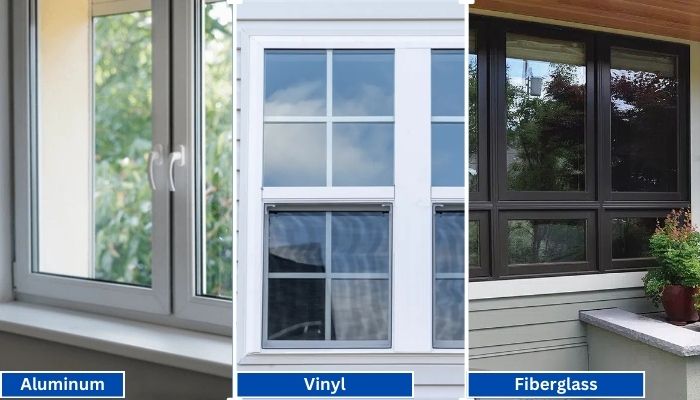
Vinyl generally has the shortest lead times because it is widely produced in standard configurations. Fiberglass is mid-range, especially for factory-painted colors.
Read More
PROUDLY CANADIAN COMPANY OWNED & OPERATED IN TORONTO SINCE 1989!
Vinyl generally has the shortest lead times because it is widely produced in standard configurations. Fiberglass is mid-range, especially for factory-painted colors.
Read More
Vinyl windows have become the go-to choice for homeowners in Toronto, thanks to their durability, energy efficiency, and low maintenance requirements. Whether you're upgrading your home for better insulation or enhancing
Read More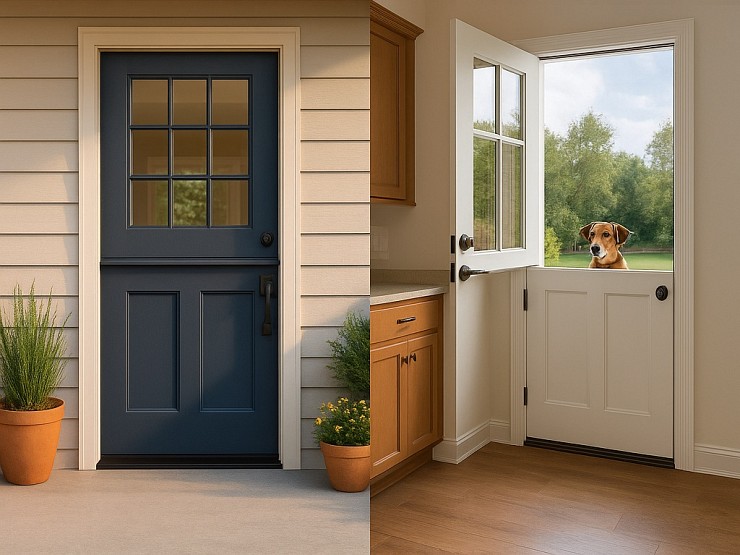
Thinking about changing your front door? A fiberglass Dutch door might have caught your eye. It’s not just a door. It’s part style statement, part smart functionality.
Read More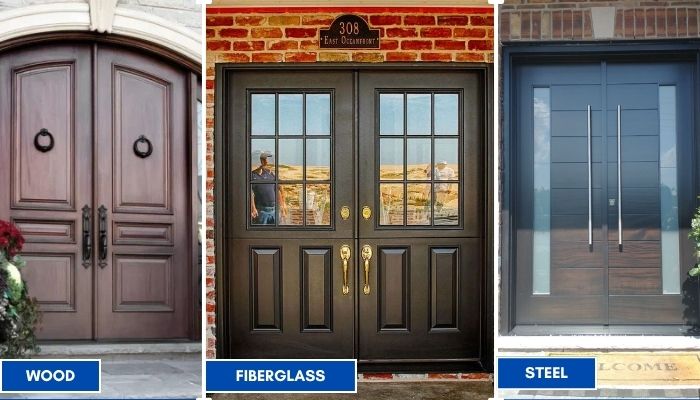
Thinking about replacing your front doors? Double doors are a bold upgrade. They look great, let in more light, and make moving big stuff easier. But the material you choose makes all the difference; especially here in Toronto.
Read More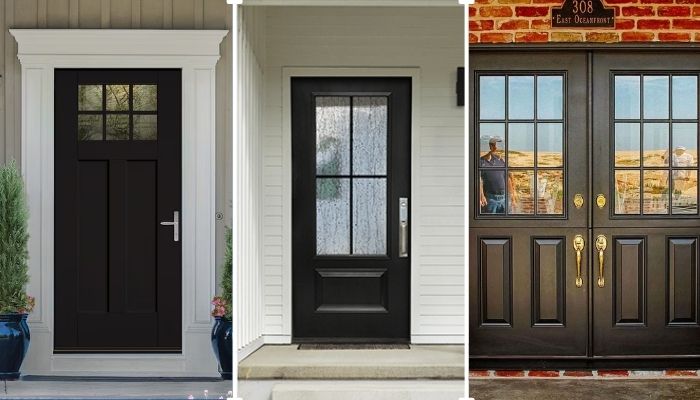
Thinking of giving your home that cozy, farmhouse charm? Let’s talk doors. Specifically, the fiberglass front doors in farmhouse style. You get the rustic look, without the rot, warping, or constant upkeep that comes with wood.
Read More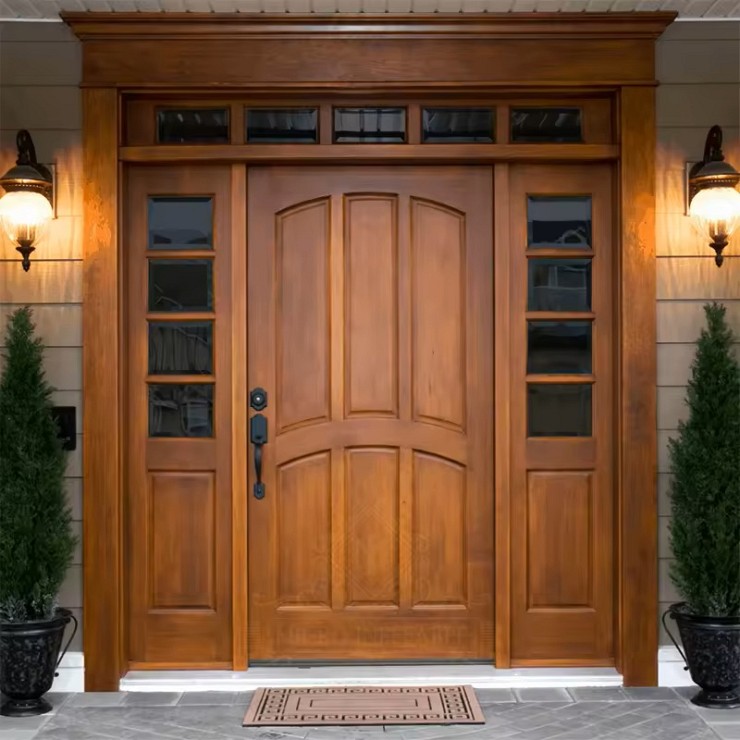
You want something that looks great, lasts long, and doesn’t stress you out with maintenance. You’re not alone. That’s exactly why more and more Toronto homeowners are choosing...
Read More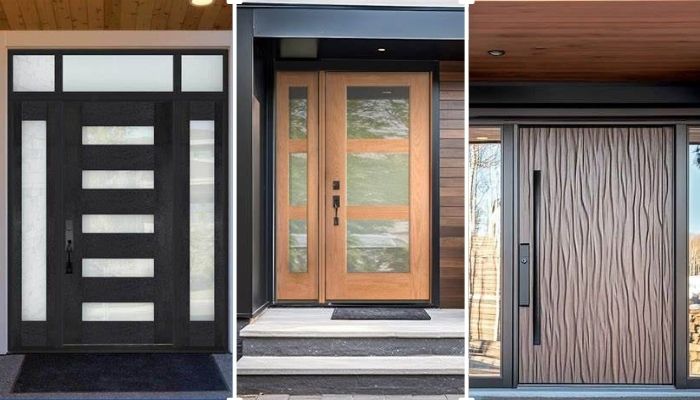
Thinking about replacing your front door? Let’s talk fiberglass. It's one of the smartest upgrades you can make, especially if you're living in Toronto. Whether your current door is drafty, outdated, or just plain boring.
Read More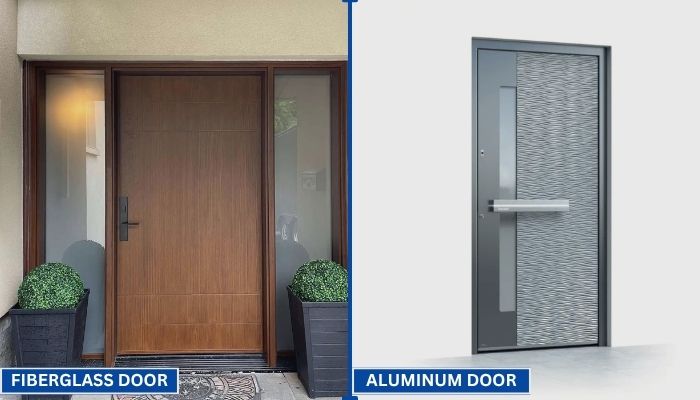
Your front door does more than just open and close. It protects your home, adds curb appeal, and helps control indoor temperature. That’s why picking the right door material matters.
Read More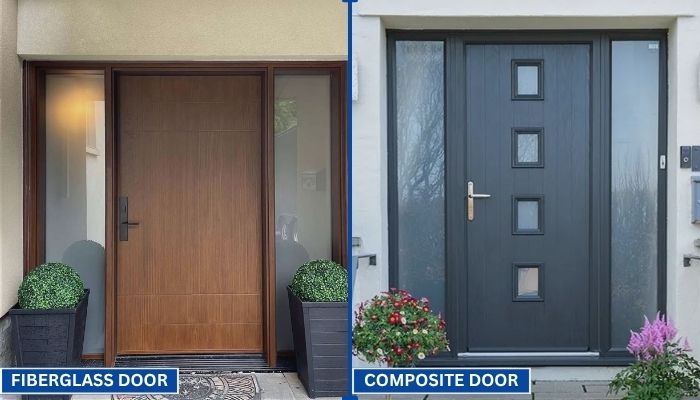
Choosing the right door can be confusing. You want something that looks good, lasts long, and keeps your home secure. Two of the most popular options today are fiberglass and composite doors.
Read More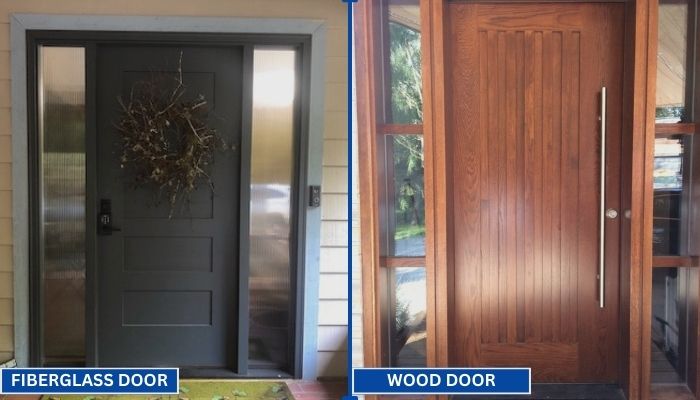
Replacing your front door is a big decision. Wood and fiberglass are two of the most popular materials for entry doors. Each has its own strengths in terms of style, durability, and maintenance. To help you choose the right one for your home, we have to go through a clear comparison.
Read MoreChoosing the best wall mounted battery in China is not a simple contest of capacity figures. A unit rated at 10 kWh may suit one household, yet feel undersized in another. The answer depends on daily electricity use, backup priorities, inverter compatibility, and available wall space. Even the battery’s location matters: a shaded utility room is not the same as a hot garage. Small details count.
Energy scholar Vaclav Smil offers a useful reminder: “Energy transitions are inherently prolonged affairs.” That perspective helps keep expectations realistic. A wall mounted battery is a long-term household investment, not a quick fix for every power concern. Buyers should compare usable capacity, cycle-life conditions, warranty coverage, safety certifications, and local service access. Marketing claims deserve a closer look. So do installation requirements.
This guide examines Chinese wall mounted battery options through practical questions: How much energy can the system actually deliver? Can it work with the home’s existing solar equipment? What support is available after installation? Price matters, of course. But the lowest quote may leave important costs unclear. One point is easy to miss: published specifications do not guarantee identical results in every home. Careful comparison—and advice from a qualified installer—can narrow the choices without pretending there is one universal winner.
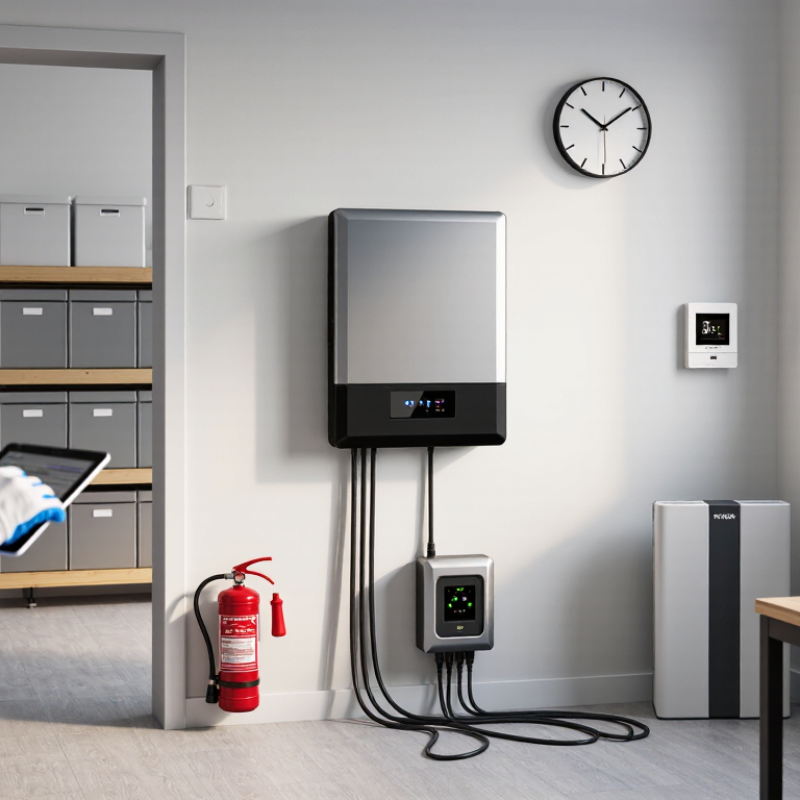
A wall-mounted battery is a rechargeable energy storage unit fixed to a sturdy wall, often near a home’s electrical panel. It stores electricity from rooftop solar panels or the grid for later use. Inside, battery cells hold energy as direct current, while an inverter converts it into alternating current for household appliances. A control system monitors charge, temperature, and power flow. When solar output drops, the battery can help run lights, a refrigerator, or other connected loads. Not magic.
The IEA’s 2024 Batteries and Secure Energy Transitions report says global battery storage capacity needs to grow sixfold, reaching 1,500 GW by 2030. That figure covers energy storage broadly, not just home units, but it reflects the growing role of batteries in balancing electricity supply. In daily use, stored energy may reduce evening grid purchases; backup during an outage depends on the system’s wiring and settings. A wall mount saves floor space, but the wall must support the unit’s weight, and installers need to respect ventilation and temperature guidance. One detail is easy to overlook: batteries have conversion losses, so stored energy returned to appliances is less than the amount originally charged. Check usable capacity, power output, and warranty terms—not just the headline capacity.
We’ll Come To You!
Quality New Windows & Doors. Competitively Priced!
Christine R.
Please, enter a valid value