
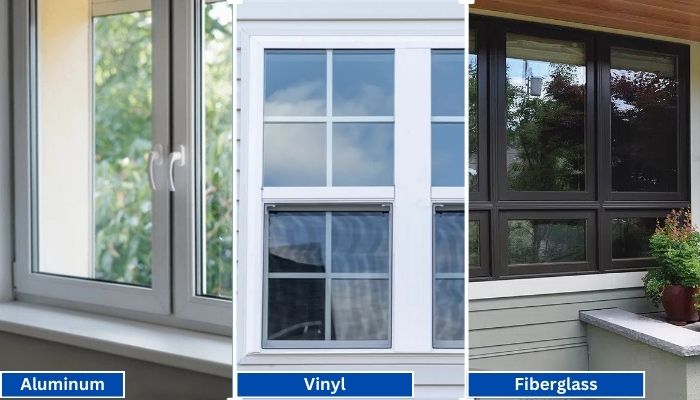
Vinyl generally has the shortest lead times because it is widely produced in standard configurations. Fiberglass is mid-range, especially for factory-painted colors.
Read More
PROUDLY CANADIAN COMPANY OWNED & OPERATED IN TORONTO SINCE 1989!
Vinyl generally has the shortest lead times because it is widely produced in standard configurations. Fiberglass is mid-range, especially for factory-painted colors.
Read More
Vinyl windows have become the go-to choice for homeowners in Toronto, thanks to their durability, energy efficiency, and low maintenance requirements. Whether you're upgrading your home for better insulation or enhancing
Read More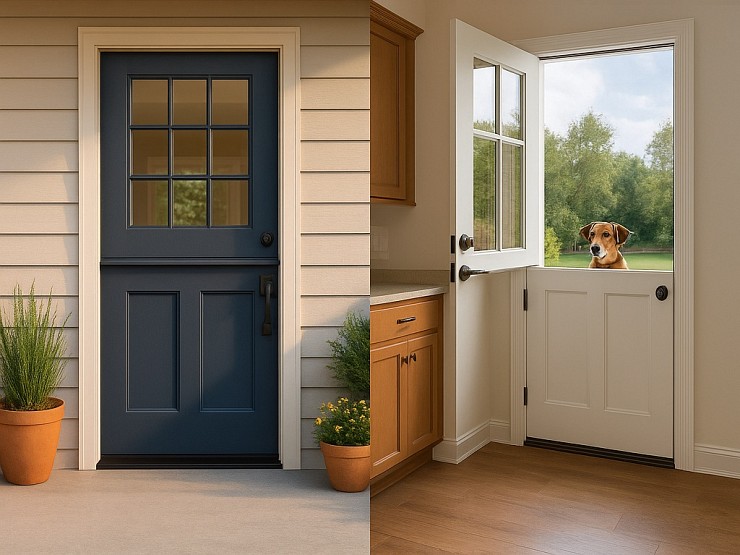
Thinking about changing your front door? A fiberglass Dutch door might have caught your eye. It’s not just a door. It’s part style statement, part smart functionality.
Read More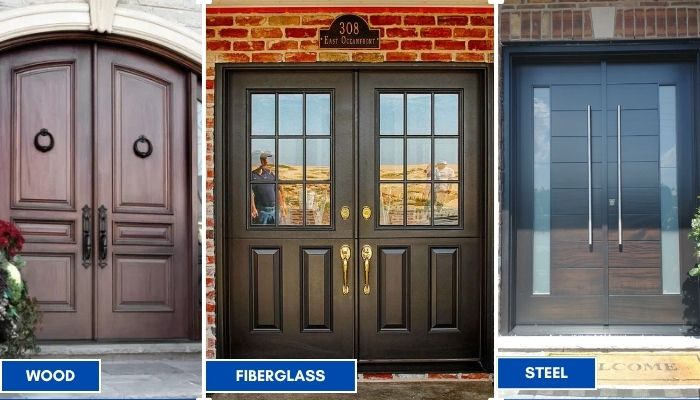
Thinking about replacing your front doors? Double doors are a bold upgrade. They look great, let in more light, and make moving big stuff easier. But the material you choose makes all the difference; especially here in Toronto.
Read More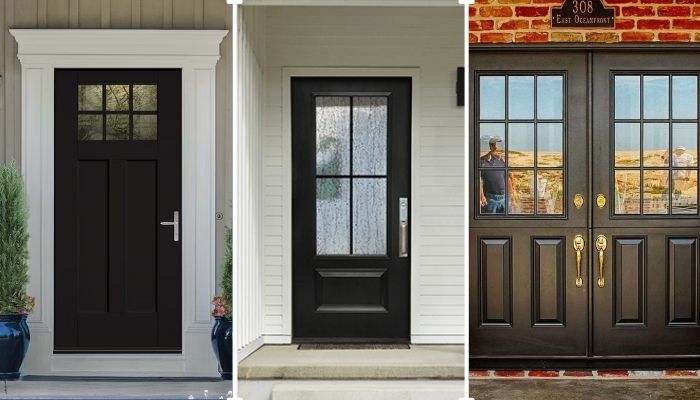
Thinking of giving your home that cozy, farmhouse charm? Let’s talk doors. Specifically, the fiberglass front doors in farmhouse style. You get the rustic look, without the rot, warping, or constant upkeep that comes with wood.
Read More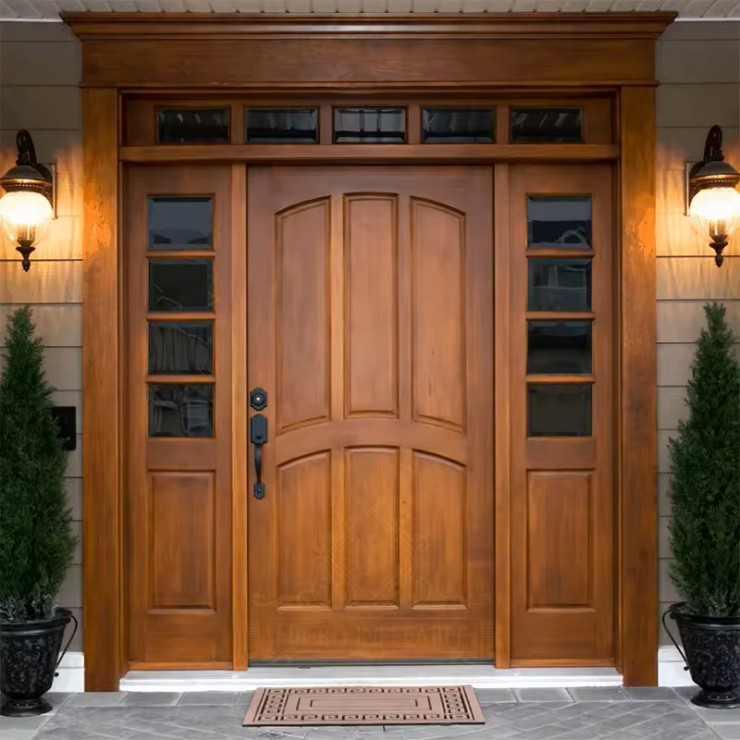
You want something that looks great, lasts long, and doesn’t stress you out with maintenance. You’re not alone. That’s exactly why more and more Toronto homeowners are choosing...
Read More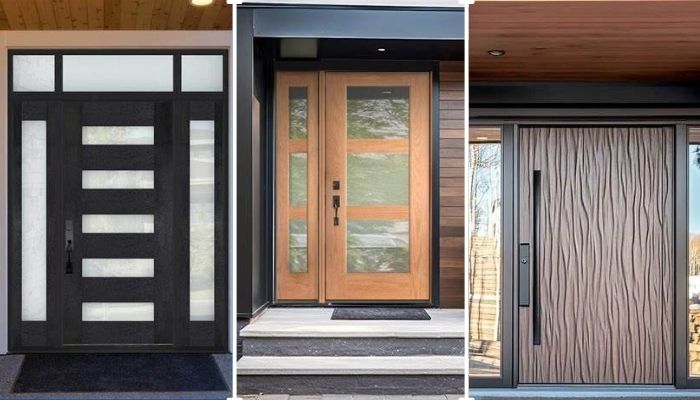
Thinking about replacing your front door? Let’s talk fiberglass. It's one of the smartest upgrades you can make, especially if you're living in Toronto. Whether your current door is drafty, outdated, or just plain boring.
Read More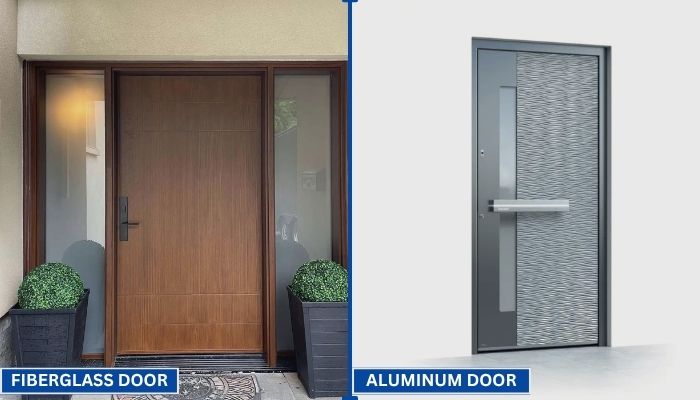
Your front door does more than just open and close. It protects your home, adds curb appeal, and helps control indoor temperature. That’s why picking the right door material matters.
Read More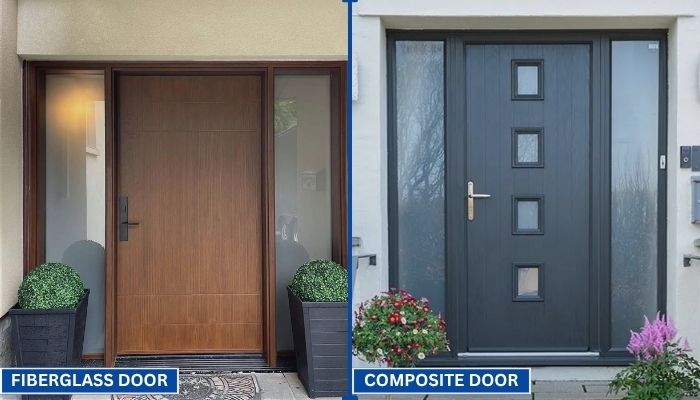
Choosing the right door can be confusing. You want something that looks good, lasts long, and keeps your home secure. Two of the most popular options today are fiberglass and composite doors.
Read More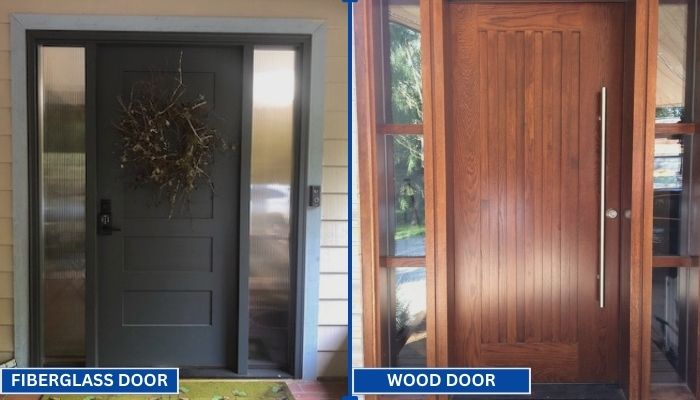
Replacing your front door is a big decision. Wood and fiberglass are two of the most popular materials for entry doors. Each has its own strengths in terms of style, durability, and maintenance. To help you choose the right one for your home, we have to go through a clear comparison.
Read MoreBuying a Modular Container House from a global supplier requires more than comparing catalog prices. It combines construction, logistics, engineering, and local compliance. The McKinsey report “Modular Construction: From Projects to Products” indicates that modular methods may reduce construction costs by up to 20% and shorten schedules by 20–50%. However, these figures are not guaranteed for every project. Design complexity, shipping distance, labor availability, and site preparation can change the final result.
Details matter.
A reliable buyer should verify the supplier’s factory address, production records, material certificates, warranty terms, and export experience. Request drawings showing wall thickness, insulation layers, electrical routes, plumbing points, roof drainage, and lifting positions. A quotation should separate the house, interior fittings, packaging, freight, customs charges, foundation work, and installation. ISO container dimensions can support transport planning, but a converted unit is not automatically suitable for residential use. Local building, fire, energy, and electrical requirements remain decisive. The International Code Council and Modular Building Institute’s off-site construction standards provide useful reference points, although local authorities may apply different rules.
Global sourcing also depends on logistics reliability. The World Bank’s Logistics Performance Index 2023 highlights significant differences in customs efficiency, infrastructure, and shipment tracking between markets. Those differences can affect delivery promises. A low factory price may become expensive after port storage, inspections, or redesigns. That is easy to underestimate. Buyers should compare at least three technically equivalent offers and inspect a completed project, preferably through an independent professional. Some supplier claims will remain difficult to verify. This guide therefore focuses on practical checks, documented evidence, and realistic risk control before signing a contract for a Modular Container House.

A 20-foot modular container begins with a precise standard. ISO 668 specifies external dimensions of 6.058 × 2.438 × 2.591 metres. That equals about 14.8 square metres of external floor area. The usable interior is smaller after walls, insulation, flooring, and services. Measure the finished room, not the steel shell.
UNCTAD’s Review of Maritime Transport reports that ships carry over 80% of global merchandise trade by volume. This explains why ISO-compatible modules remain practical for international shipping. However, transport efficiency does not guarantee comfortable living space. Ask suppliers for internal dimensions, door clearances, corner-post details, and verified gross mass. Request drawings with tolerances. Small errors become obvious beside a kitchen cabinet.
Use matters more than appearance. A bedroom needs insulation, ventilation, daylight, and safe electrical planning. A site office may need fewer fixtures but stronger data connections. The World Bank’s 2023 Logistics Performance Index highlights reliability and shipment tracking as major logistics concerns. Check production milestones, inspection records, packing photographs, and loading plans. Confirm local foundation, fire, energy, and plumbing requirements with qualified professionals.
One caution: “20-foot” is not a complete specification. Different wall systems reduce space differently. I would compare two suppliers using the same measurement method. That process feels slower, but it prevents expensive assumptions. Even a polished 3D render can hide a narrow corridor or poorly placed service panel.
We’ll Come To You!
Quality New Windows & Doors. Competitively Priced!
Christine R.
Please, enter a valid value