
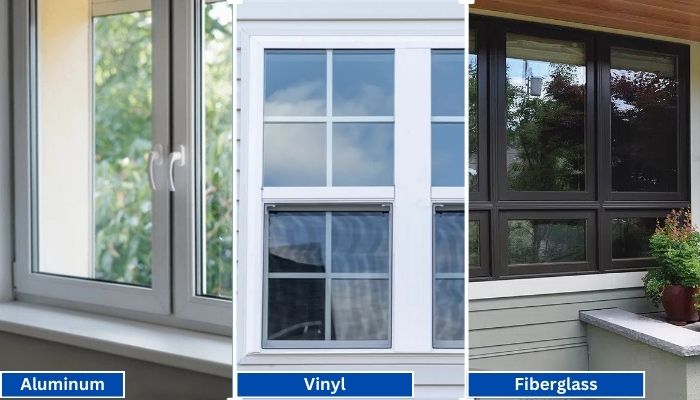
Vinyl generally has the shortest lead times because it is widely produced in standard configurations. Fiberglass is mid-range, especially for factory-painted colors.
Read More
PROUDLY CANADIAN COMPANY OWNED & OPERATED IN TORONTO SINCE 1989!
Vinyl generally has the shortest lead times because it is widely produced in standard configurations. Fiberglass is mid-range, especially for factory-painted colors.
Read More
Vinyl windows have become the go-to choice for homeowners in Toronto, thanks to their durability, energy efficiency, and low maintenance requirements. Whether you're upgrading your home for better insulation or enhancing
Read More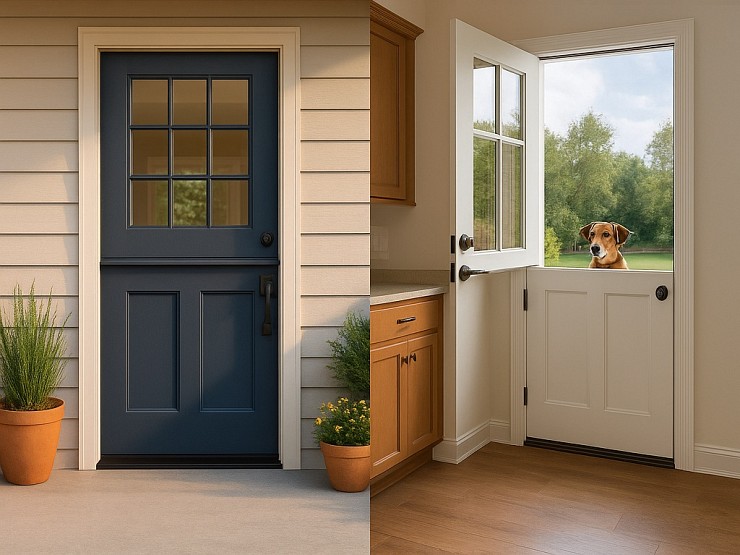
Thinking about changing your front door? A fiberglass Dutch door might have caught your eye. It’s not just a door. It’s part style statement, part smart functionality.
Read More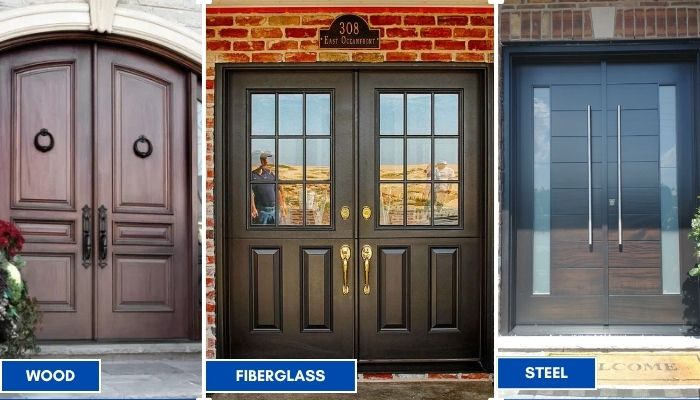
Thinking about replacing your front doors? Double doors are a bold upgrade. They look great, let in more light, and make moving big stuff easier. But the material you choose makes all the difference; especially here in Toronto.
Read More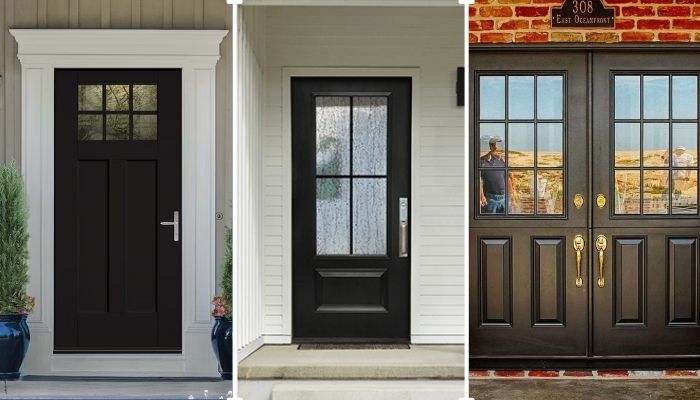
Thinking of giving your home that cozy, farmhouse charm? Let’s talk doors. Specifically, the fiberglass front doors in farmhouse style. You get the rustic look, without the rot, warping, or constant upkeep that comes with wood.
Read More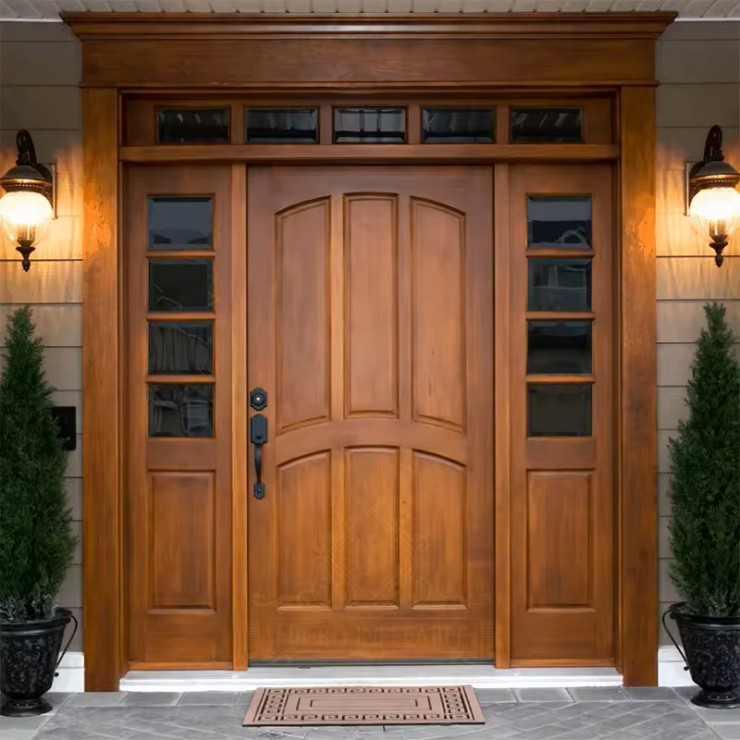
You want something that looks great, lasts long, and doesn’t stress you out with maintenance. You’re not alone. That’s exactly why more and more Toronto homeowners are choosing...
Read More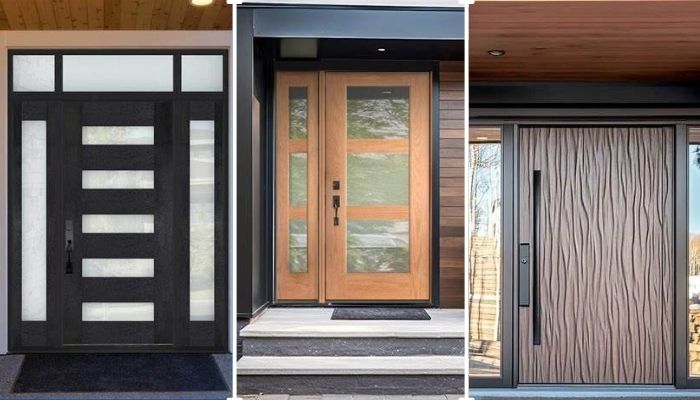
Thinking about replacing your front door? Let’s talk fiberglass. It's one of the smartest upgrades you can make, especially if you're living in Toronto. Whether your current door is drafty, outdated, or just plain boring.
Read More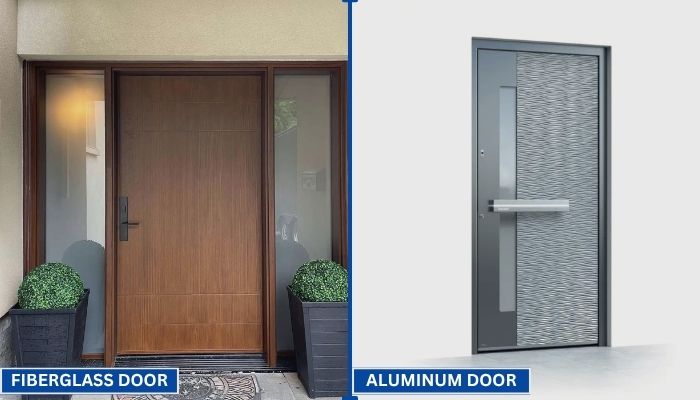
Your front door does more than just open and close. It protects your home, adds curb appeal, and helps control indoor temperature. That’s why picking the right door material matters.
Read More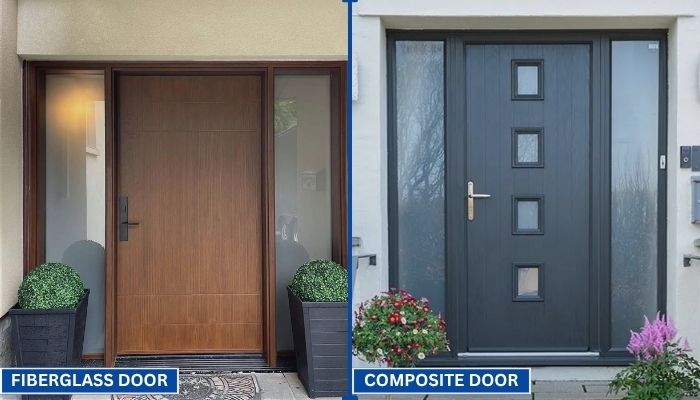
Choosing the right door can be confusing. You want something that looks good, lasts long, and keeps your home secure. Two of the most popular options today are fiberglass and composite doors.
Read More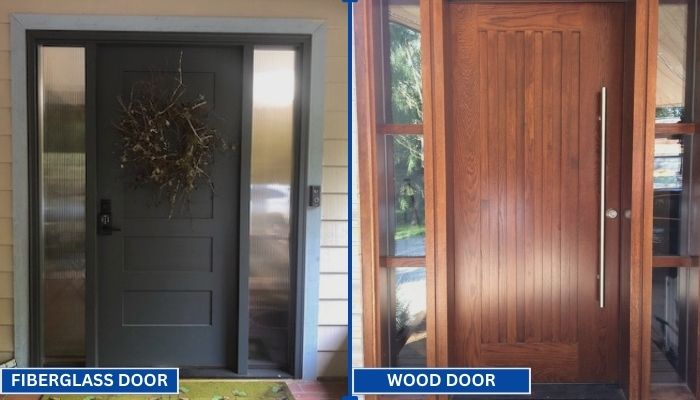
Replacing your front door is a big decision. Wood and fiberglass are two of the most popular materials for entry doors. Each has its own strengths in terms of style, durability, and maintenance. To help you choose the right one for your home, we have to go through a clear comparison.
Read MoreChoosing reliable China External Wall Light suppliers requires more than comparing prices on a product page. Global buyers need evidence of manufacturing experience, stable quality control, and practical export support. A capable supplier should explain lumen output, beam angle, color temperature, IP rating, and expected service life clearly. These details matter when a fixture faces coastal rain, winter frost, or dusty commercial streets.
Look closely at the materials. Aluminum housings, tempered glass, sealed cable entries, and corrosion-resistant finishes can influence long-term performance. Ask for product drawings, photometric files, sample units, and inspection records before confirming a large order. Factory audits, production photographs, and independent testing reports may also strengthen confidence. Certifications should match the target market and remain traceable, rather than appearing as vague marketing claims.
Real projects reveal more.
Suppliers serving hotels, residential developments, and public landscapes may understand installation challenges better than trading companies. They should discuss packaging, spare parts, warranty handling, and communication after shipment. Custom designs can be useful, but they often introduce tooling costs, longer lead times, or untested assumptions. Buyers should challenge attractive promises and request measurable commitments.
No supplier is perfect. Even experienced factories can experience component delays or finish inconsistencies. That weakness should be acknowledged and managed through approved samples, staged inspections, and written specifications. This guide examines China’s leading External Wall Light suppliers from a buyer’s perspective, focusing on product capability, credibility, customization, compliance, and dependable international cooperation.
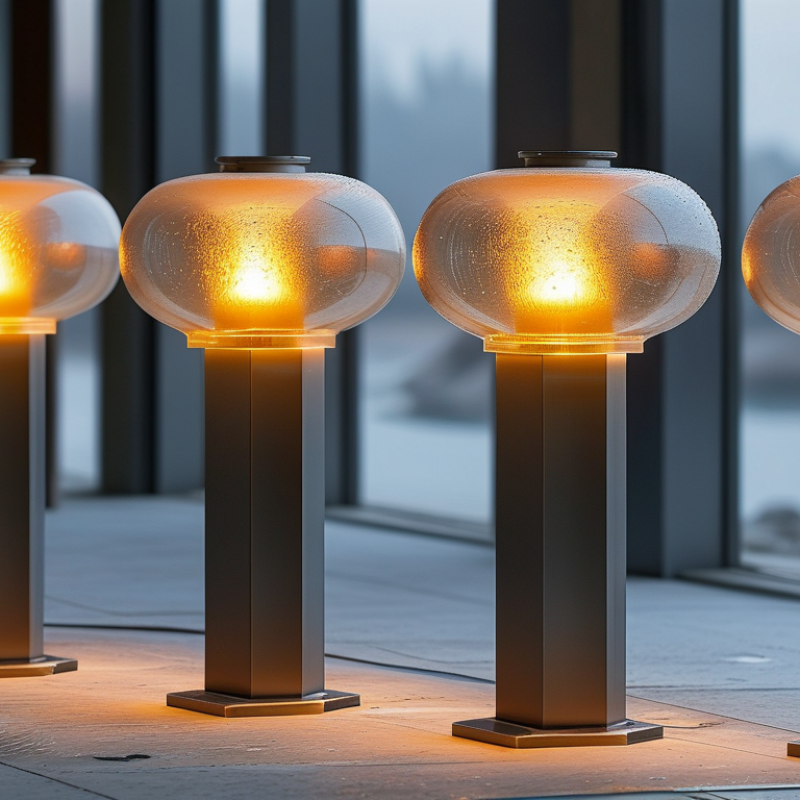
China’s external wall light manufacturing landscape is broad, export-oriented, and highly segmented. The United Nations Comtrade database lists China as a major exporter under HS 9405, covering lighting equipment and illuminated fittings. However, this code includes several product types, so trade data cannot identify wall lights precisely.
Energy efficiency shapes factory decisions. The International Energy Agency estimates that lighting uses about 15% of global electricity. This supports strong demand for LED wall fixtures, especially models with efficient drivers, sealed housings, and replaceable components. Outdoor lighting market studies from Mordor Intelligence also indicate steady growth, although their categories differ. Buyers should question every market percentage.
Factory capability varies sharply. Some workshops focus on die-cast aluminum bodies, while others assemble imported drivers and lenses. A serious supplier should provide IP testing, surge protection records, photometric files, and salt-spray results. Ask for production samples, not only catalogue images. A bright sample can still have poor thermal control.
Weather resistance remains a practical weakness. An IP65 label does not guarantee long service in coastal conditions. Material thickness, gasket compression, coating quality, and cable-entry design matter. IEC 60598 testing offers a useful technical reference, but laboratory compliance does not replace installation checks. Cost comparisons often ignore packaging damage, spare parts, and inconsistent color temperature. This is where many purchasing plans become too optimistic.
We’ll Come To You!
Quality New Windows & Doors. Competitively Priced!
Christine R.
Please, enter a valid value