
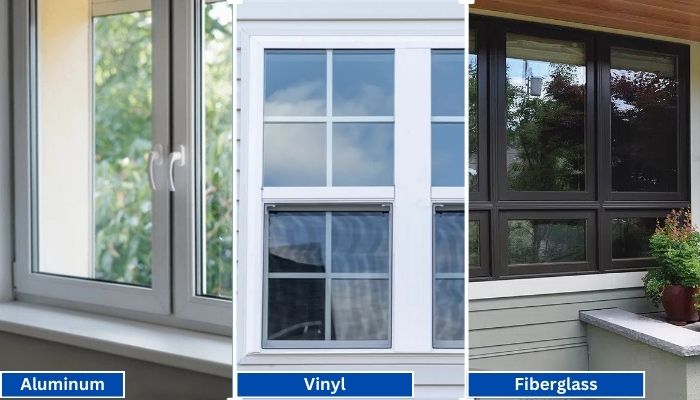
Vinyl generally has the shortest lead times because it is widely produced in standard configurations. Fiberglass is mid-range, especially for factory-painted colors.
Read More
PROUDLY CANADIAN COMPANY OWNED & OPERATED IN TORONTO SINCE 1989!
Vinyl generally has the shortest lead times because it is widely produced in standard configurations. Fiberglass is mid-range, especially for factory-painted colors.
Read More
Vinyl windows have become the go-to choice for homeowners in Toronto, thanks to their durability, energy efficiency, and low maintenance requirements. Whether you're upgrading your home for better insulation or enhancing
Read More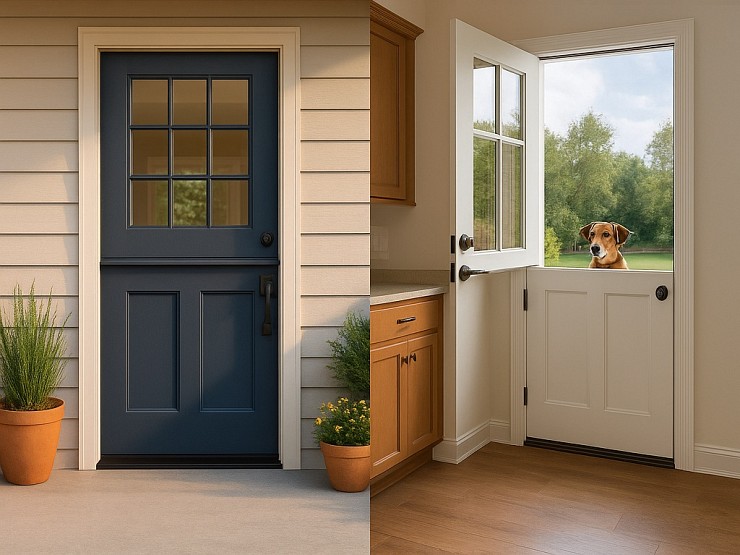
Thinking about changing your front door? A fiberglass Dutch door might have caught your eye. It’s not just a door. It’s part style statement, part smart functionality.
Read More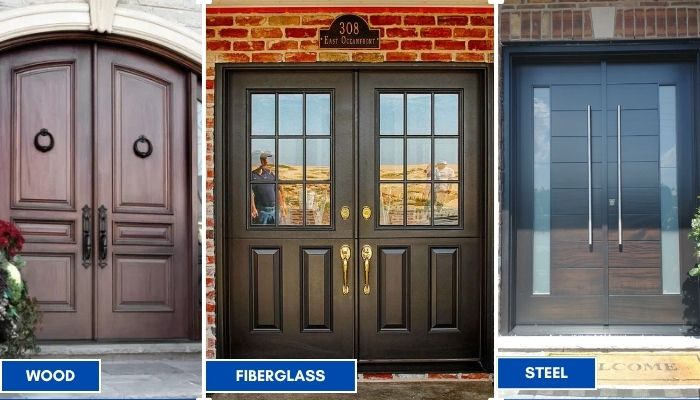
Thinking about replacing your front doors? Double doors are a bold upgrade. They look great, let in more light, and make moving big stuff easier. But the material you choose makes all the difference; especially here in Toronto.
Read More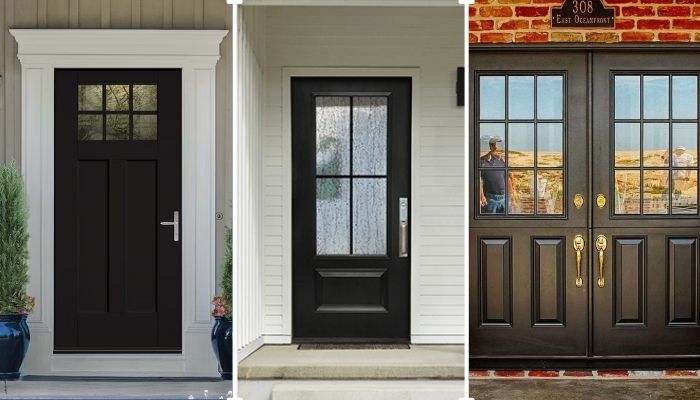
Thinking of giving your home that cozy, farmhouse charm? Let’s talk doors. Specifically, the fiberglass front doors in farmhouse style. You get the rustic look, without the rot, warping, or constant upkeep that comes with wood.
Read More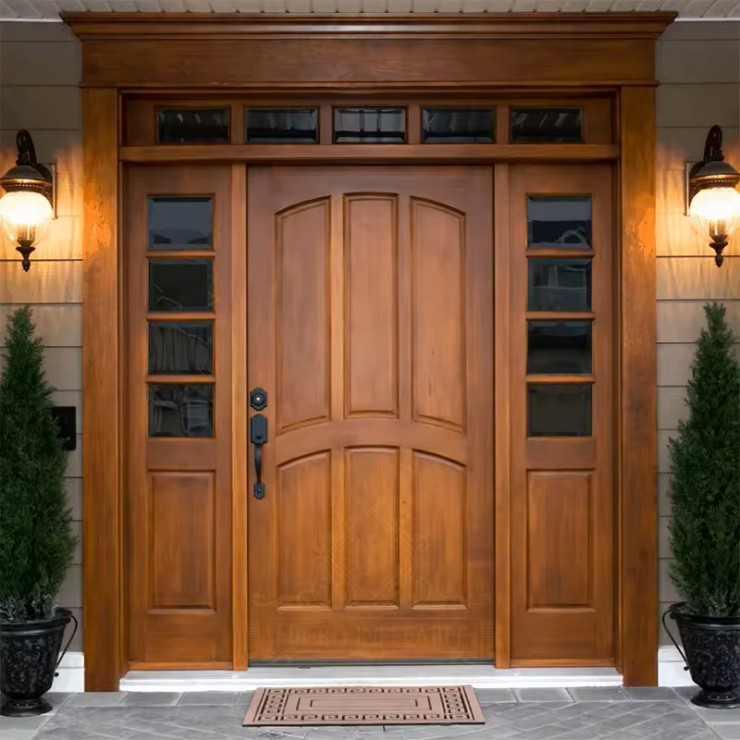
You want something that looks great, lasts long, and doesn’t stress you out with maintenance. You’re not alone. That’s exactly why more and more Toronto homeowners are choosing...
Read More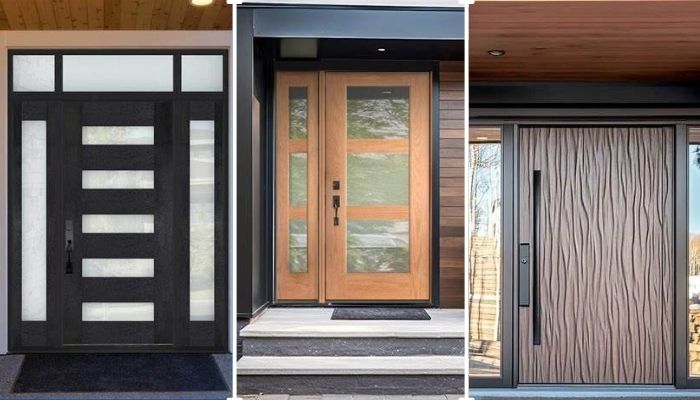
Thinking about replacing your front door? Let’s talk fiberglass. It's one of the smartest upgrades you can make, especially if you're living in Toronto. Whether your current door is drafty, outdated, or just plain boring.
Read More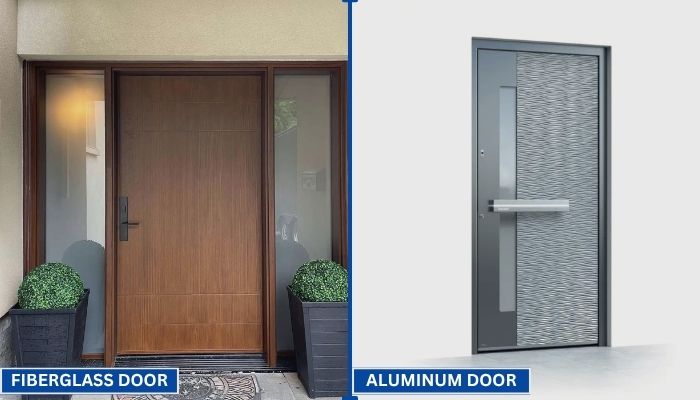
Your front door does more than just open and close. It protects your home, adds curb appeal, and helps control indoor temperature. That’s why picking the right door material matters.
Read More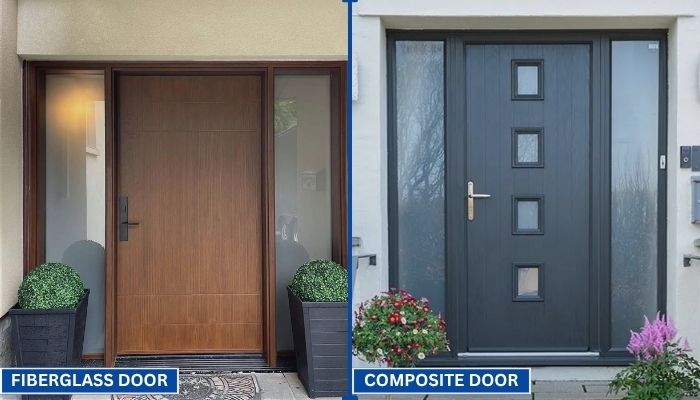
Choosing the right door can be confusing. You want something that looks good, lasts long, and keeps your home secure. Two of the most popular options today are fiberglass and composite doors.
Read More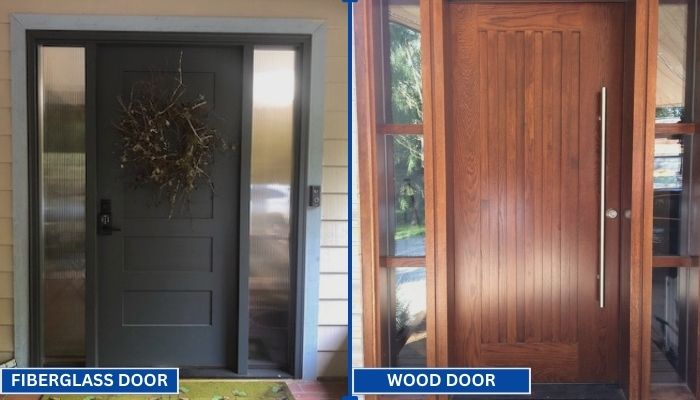
Replacing your front door is a big decision. Wood and fiberglass are two of the most popular materials for entry doors. Each has its own strengths in terms of style, durability, and maintenance. To help you choose the right one for your home, we have to go through a clear comparison.
Read MoreChina has become a significant sourcing destination for Solid Wood Doors, serving residential, hospitality, and commercial projects worldwide. Its manufacturers offer diverse timber species, custom dimensions, carved panels, and modern minimalist designs. Yet attractive pricing alone does not guarantee dependable quality. Buyers need evidence, not promises.
A reliable supplier should explain timber origin, moisture control, kiln-drying methods, and construction details clearly. Experienced factories usually provide samples, production photographs, technical drawings, and inspection records. Look closely at stile joints, panel movement, veneer consistency, hardware preparation, and finish depth. A door may appear flawless in a showroom but respond differently after ocean transport and installation. That risk deserves practical testing.
Small details matter.
Global buyers should also review packaging strength, labeling, lead times, replacement policies, and documentation for their destination market. Relevant certifications may support responsible sourcing, but buyers should verify their scope and validity independently. Third-party inspections can check dimensions, surface defects, moisture levels, and carton protection before shipment. These steps do not remove every problem. They reduce avoidable surprises.
This guide examines how to compare Chinese Solid Wood Doors suppliers with greater confidence. It considers material performance, craftsmanship, customization, pricing, communication, and after-sales support. Some recommendations may not fit every climate or project type. That is an important limitation. A coastal villa, a luxury hotel, and a dry inland apartment require different specifications. Careful buyers ask uncomfortable questions early, record agreed details, and judge suppliers by consistent evidence rather than polished catalogues.
China’s solid wood door industry is defined by scale, manufacturing depth, and uneven quality control. The National Forestry and Grassland Administration reported 220 million hectares of forest and 24.02% forest coverage in China’s 2019–2023 forest inventory. This resource base supports broad timber processing, but it does not guarantee responsible sourcing or stable door quality.
A practical factory-audit lesson is simple: examine the core, not only the surface. Ask for species identification, moisture records, adhesive specifications, and production samples. Doors should match the destination climate, because timber movement can cause swelling, gaps, or warped panels. ISO 16883:2015 provides guidance for determining wood moisture content, although buyers still need project-specific limits. Small details matter.
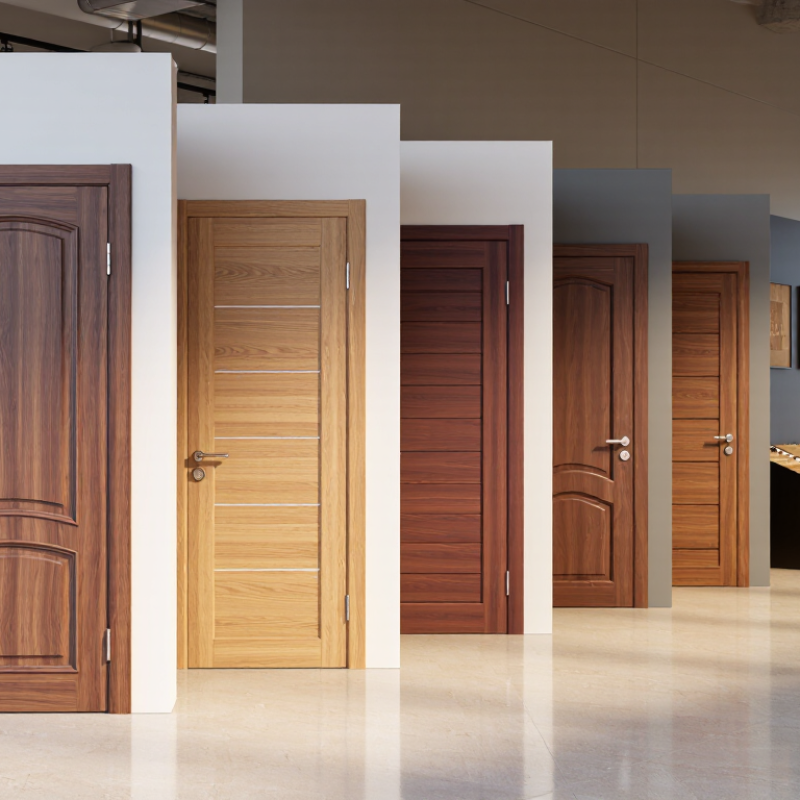
China’s advantage also comes from integrated processing. Many manufacturers combine kiln drying, finger-jointing, carving, coating, and packaging within one supply chain. The FAO Global Forest Resources Assessment 2020 identifies China as one of the world’s major forest-area countries, yet imported timber remains important for several species. Traceability therefore needs written evidence, not confident promises. The industry is capable, but inconsistent. A beautiful showroom door may hide weak edge sealing or rushed drying. Global buyers should compare test reports, inspect unfinished components, and review corrective-action records before judging the “best” supplier.
We’ll Come To You!
Quality New Windows & Doors. Competitively Priced!
Christine R.
Please, enter a valid value