
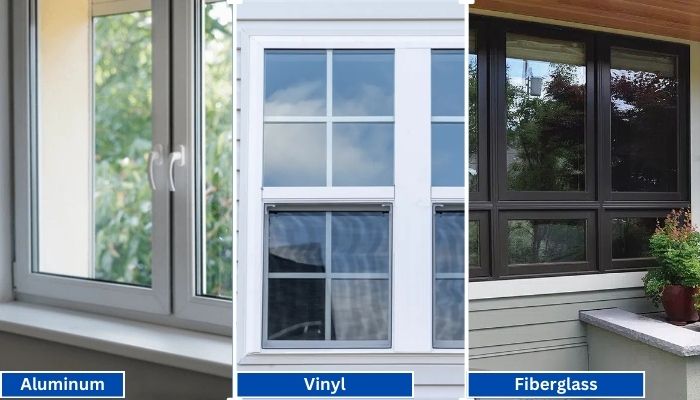
Vinyl generally has the shortest lead times because it is widely produced in standard configurations. Fiberglass is mid-range, especially for factory-painted colors.
Read More
PROUDLY CANADIAN COMPANY OWNED & OPERATED IN TORONTO SINCE 1989!
Vinyl generally has the shortest lead times because it is widely produced in standard configurations. Fiberglass is mid-range, especially for factory-painted colors.
Read More
Vinyl windows have become the go-to choice for homeowners in Toronto, thanks to their durability, energy efficiency, and low maintenance requirements. Whether you're upgrading your home for better insulation or enhancing
Read More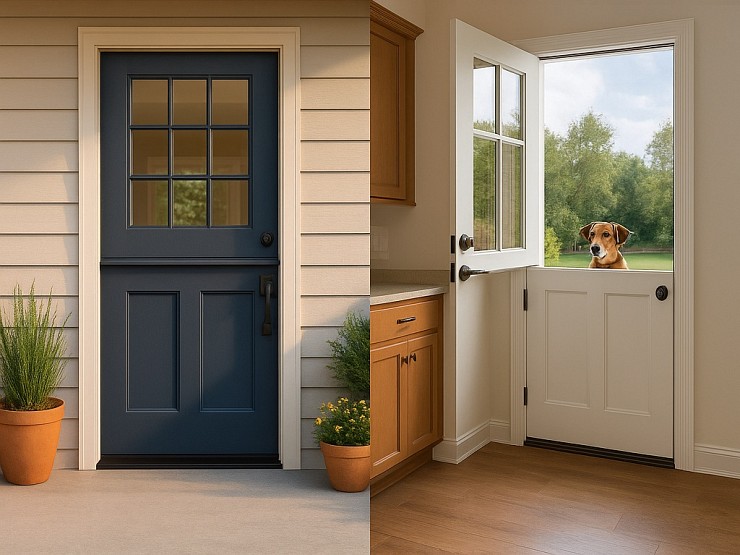
Thinking about changing your front door? A fiberglass Dutch door might have caught your eye. It’s not just a door. It’s part style statement, part smart functionality.
Read More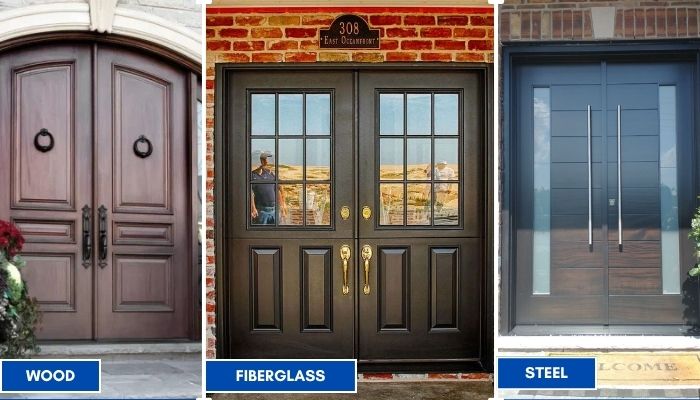
Thinking about replacing your front doors? Double doors are a bold upgrade. They look great, let in more light, and make moving big stuff easier. But the material you choose makes all the difference; especially here in Toronto.
Read More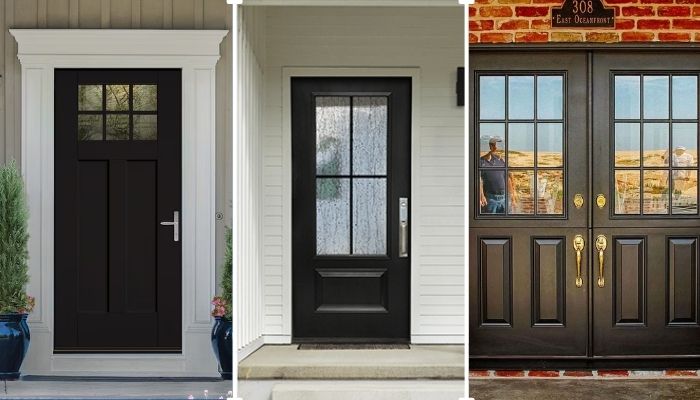
Thinking of giving your home that cozy, farmhouse charm? Let’s talk doors. Specifically, the fiberglass front doors in farmhouse style. You get the rustic look, without the rot, warping, or constant upkeep that comes with wood.
Read More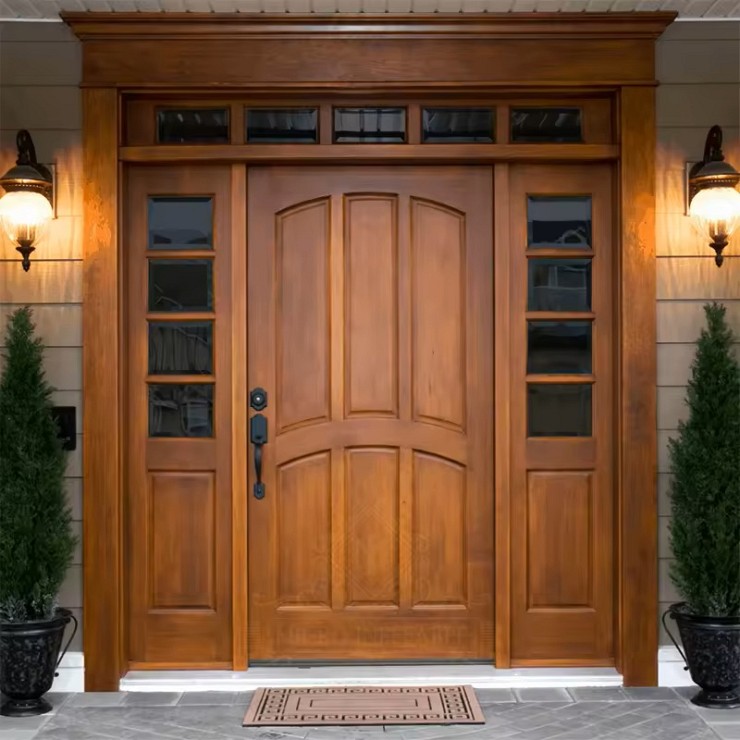
You want something that looks great, lasts long, and doesn’t stress you out with maintenance. You’re not alone. That’s exactly why more and more Toronto homeowners are choosing...
Read More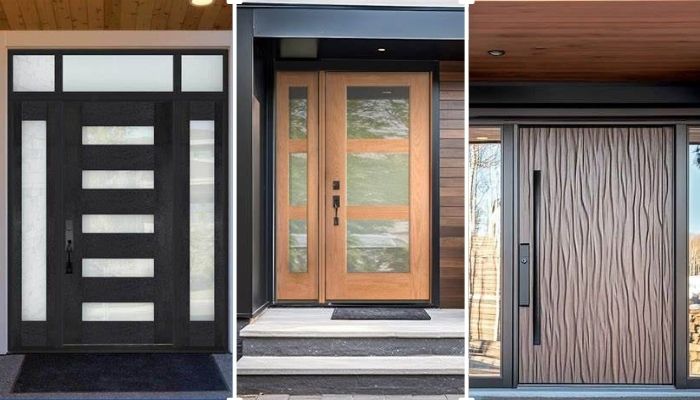
Thinking about replacing your front door? Let’s talk fiberglass. It's one of the smartest upgrades you can make, especially if you're living in Toronto. Whether your current door is drafty, outdated, or just plain boring.
Read More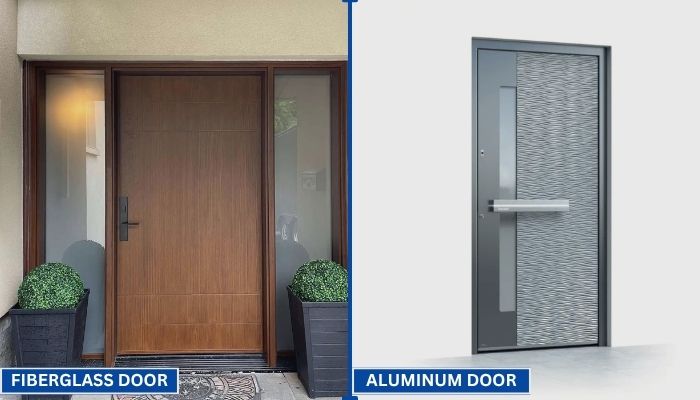
Your front door does more than just open and close. It protects your home, adds curb appeal, and helps control indoor temperature. That’s why picking the right door material matters.
Read More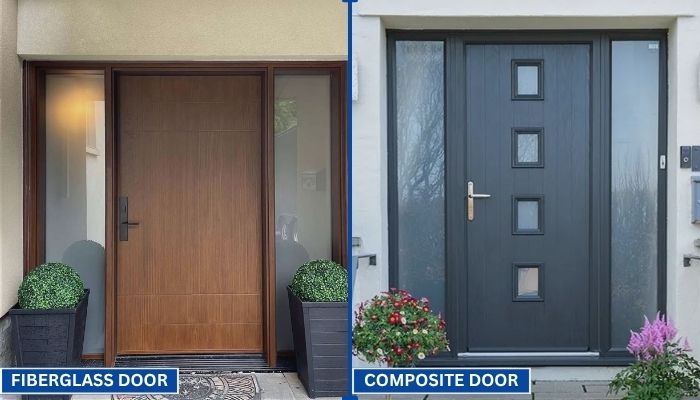
Choosing the right door can be confusing. You want something that looks good, lasts long, and keeps your home secure. Two of the most popular options today are fiberglass and composite doors.
Read More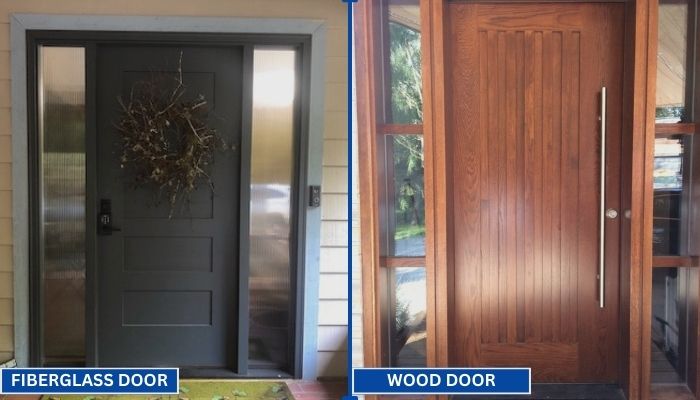
Replacing your front door is a big decision. Wood and fiberglass are two of the most popular materials for entry doors. Each has its own strengths in terms of style, durability, and maintenance. To help you choose the right one for your home, we have to go through a clear comparison.
Read MoreChina remains a major source of reinforcing steel bars for construction projects worldwide. Its manufacturers serve bridges, residential towers, industrial facilities, ports, and large infrastructure developments. However, identifying the top ten requires more than comparing production volume or export claims.
This introduction examines leading Chinese producers through practical purchasing criteria. These include steelmaking capacity, rolling technology, product consistency, delivery performance, and quality documentation. Relevant standards may include GB/T 1499.2, ASTM A615, BS 4449, and other project-specific requirements. Mill certificates should confirm chemical composition, yield strength, tensile strength, elongation, and heat numbers. Independent testing can add confidence when project risks are high.
Factory experience also matters. A reliable supplier should explain billet sourcing, furnace control, rib geometry, bundle marking, and loading procedures. Clear photographs of test equipment can reveal more than polished marketing language. ISO 9001 certification is useful, but it does not replace product testing or shipment inspection. No ranking is perfect. Market conditions change, and a strong producer may not suit every buyer’s required grade, diameter, or delivery schedule.
The companies discussed in this article are therefore assessed with evidence, not reputation alone. Buyers should verify certificates, inspect samples, review recent export records, and confirm production capacity before signing contracts. Small details matter. A missing heat number can create serious traceability problems later. This guide aims to support informed comparison while recognizing that supplier performance must be checked for each order.
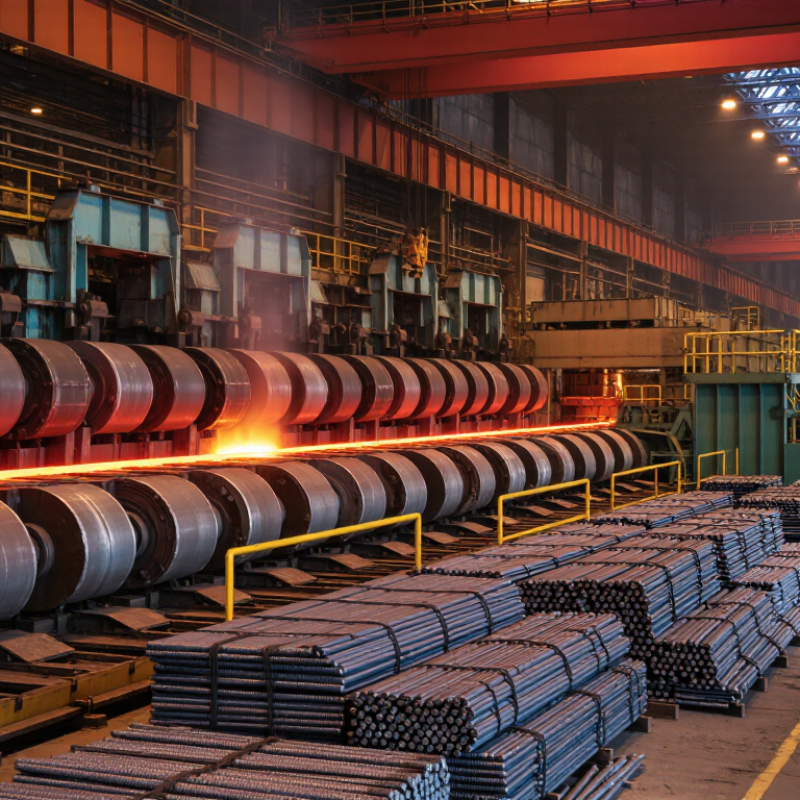
Reinforcing steel bars, commonly called rebar, give concrete tensile strength. Concrete resists compression well but performs poorly under tension. Steel bars carry those pulling forces through beams, columns, slabs, and foundations. Their ribbed surfaces improve mechanical bonding with surrounding concrete. That bond helps control cracking and supports load transfer during daily use.
Demand remains closely linked to construction activity. The World Steel Association reported global crude steel production of about 1.89 billion tonnes in 2023. Construction and infrastructure consumed roughly half of global steel output, according to industry estimates published by the association. The Global Infrastructure Hub’s Global Infrastructure Outlook estimated a $15 trillion infrastructure investment gap through 2040. These figures explain why dependable reinforcing steel remains important in housing, bridges, ports, and industrial facilities.
For a China-focused manufacturer review, buyers should examine yield strength, elongation, rib geometry, chemical composition, traceability, and test certificates. Relevant requirements may include ISO 6935-2 and applicable national standards. Mill certificates should match delivered heat numbers, not only catalogue claims. A neat ranking can still mislead. Production capacity does not prove consistent quality. Site experience also shows that storage matters; muddy ground, standing water, and careless stacking can encourage corrosion before installation. I would also question unusually low prices, because reduced inspection or inconsistent chemistry may create hidden structural risks.
We’ll Come To You!
Quality New Windows & Doors. Competitively Priced!
Christine R.
Please, enter a valid value