
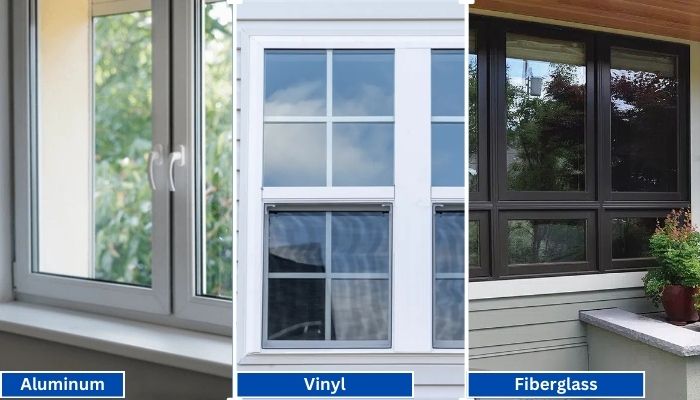
Vinyl generally has the shortest lead times because it is widely produced in standard configurations. Fiberglass is mid-range, especially for factory-painted colors.
Read More
PROUDLY CANADIAN COMPANY OWNED & OPERATED IN TORONTO SINCE 1989!
Vinyl generally has the shortest lead times because it is widely produced in standard configurations. Fiberglass is mid-range, especially for factory-painted colors.
Read More
Vinyl windows have become the go-to choice for homeowners in Toronto, thanks to their durability, energy efficiency, and low maintenance requirements. Whether you're upgrading your home for better insulation or enhancing
Read More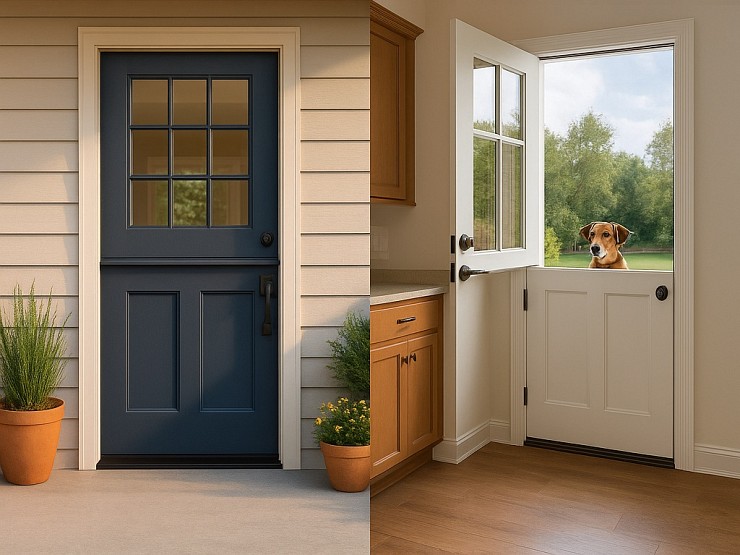
Thinking about changing your front door? A fiberglass Dutch door might have caught your eye. It’s not just a door. It’s part style statement, part smart functionality.
Read More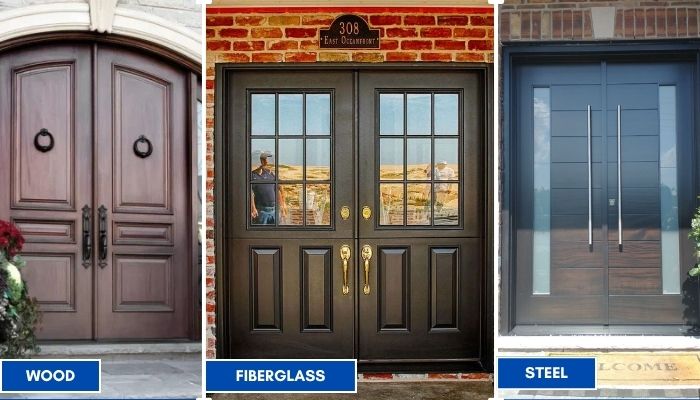
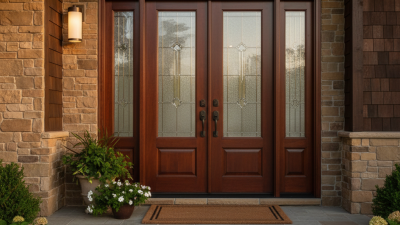
Thinking about replacing your front doors? Double doors are a bold upgrade. They look great, let in more light, and make moving big stuff easier. But the material you choose makes all the difference; especially here in Toronto.
Read More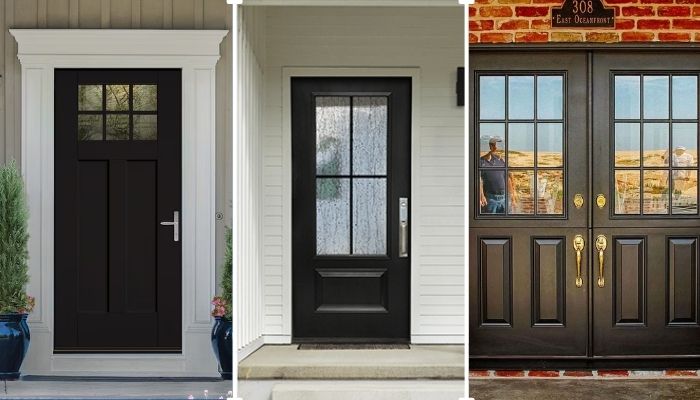
Thinking of giving your home that cozy, farmhouse charm? Let’s talk doors. Specifically, the fiberglass front doors in farmhouse style. You get the rustic look, without the rot, warping, or constant upkeep that comes with wood.
Read More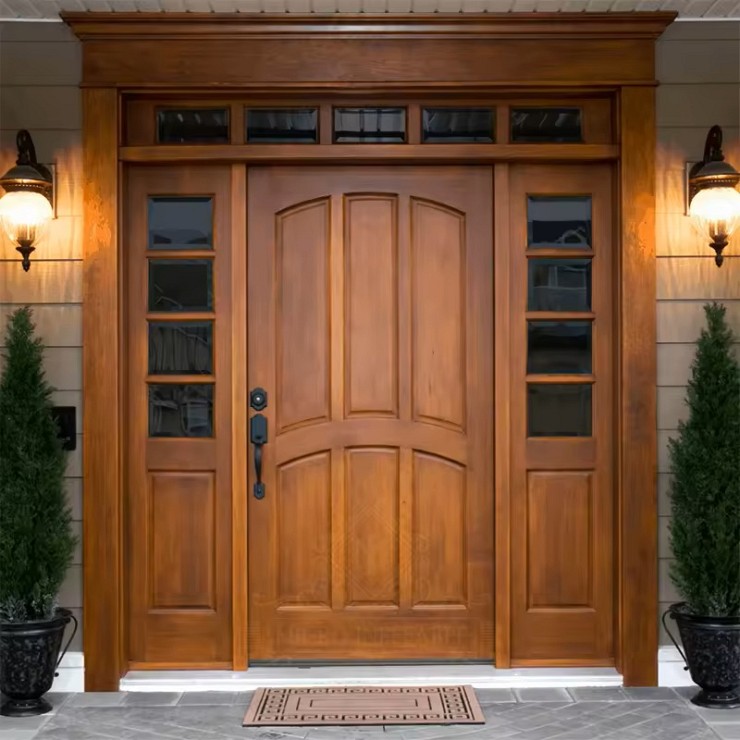
You want something that looks great, lasts long, and doesn’t stress you out with maintenance. You’re not alone. That’s exactly why more and more Toronto homeowners are choosing...
Read More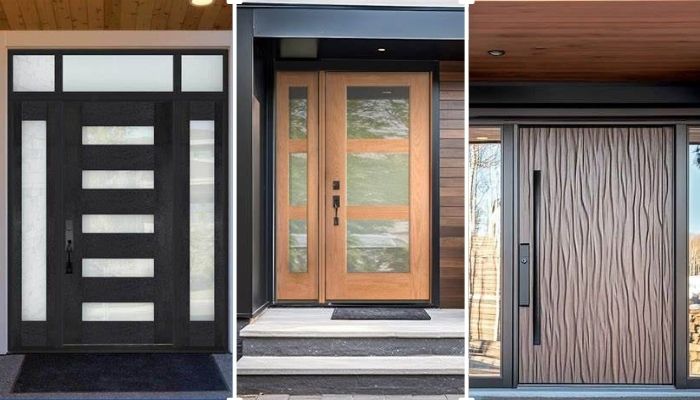
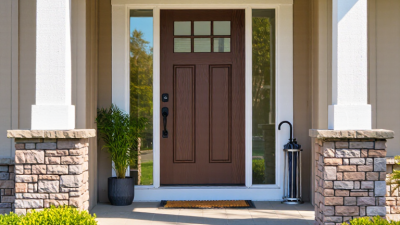
Thinking about replacing your front door? Let’s talk fiberglass. It's one of the smartest upgrades you can make, especially if you're living in Toronto. Whether your current door is drafty, outdated, or just plain boring.
Read More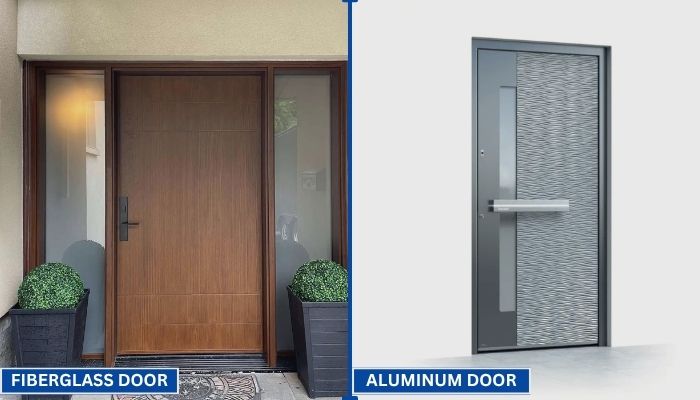
Your front door does more than just open and close. It protects your home, adds curb appeal, and helps control indoor temperature. That’s why picking the right door material matters.
Read More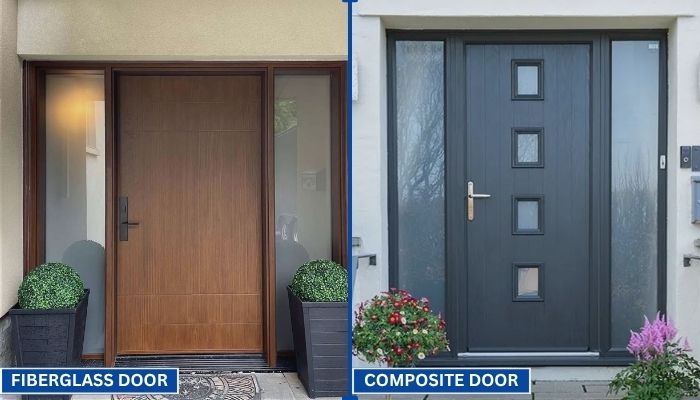
Choosing the right door can be confusing. You want something that looks good, lasts long, and keeps your home secure. Two of the most popular options today are fiberglass and composite doors.
Read More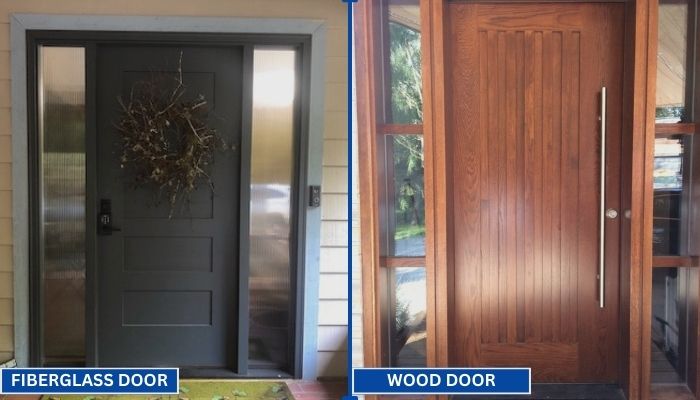
Replacing your front door is a big decision. Wood and fiberglass are two of the most popular materials for entry doors. Each has its own strengths in terms of style, durability, and maintenance. To help you choose the right one for your home, we have to go through a clear comparison.
Read MoreChoosing reliable entry doors manufacturers in China requires more than comparing catalog prices. Global buyers need evidence of production capability, material consistency, design control, and export experience. A polished website is helpful, but it is not proof. Factory audits, sample inspections, and clear technical documents reveal much more.
China’s door industry includes suppliers specializing in steel, aluminum, stainless steel, solid wood, and engineered systems. Each material performs differently in coastal, cold, humid, or high-traffic environments. A quality supplier should explain these differences plainly. They should also provide tested specifications for thermal insulation, water resistance, hardware compatibility, surface finishes, and security performance. Photos of welding lines, powder-coating rooms, packaging areas, and loading procedures can add useful context. Small details matter.
So does communication.
This guide examines leading Chinese entry doors manufacturers from a global buyer’s perspective. It considers product range, manufacturing experience, customization ability, quality control, certifications, minimum order quantities, lead times, and after-sales support. These factors often separate a dependable partner from a cheap but risky purchase.
No supplier is perfect. Even experienced factories may face delays, color variation, or design misunderstandings. Buyers should ask difficult questions before placing an order. Request current samples, confirm inspection responsibilities, and review contract terms carefully. A supplier that welcomes verification usually inspires greater confidence. Still, this article does not replace independent due diligence. Real performance depends on the project, installation conditions, and local requirements. Use this overview as a practical starting point, not a final verdict.
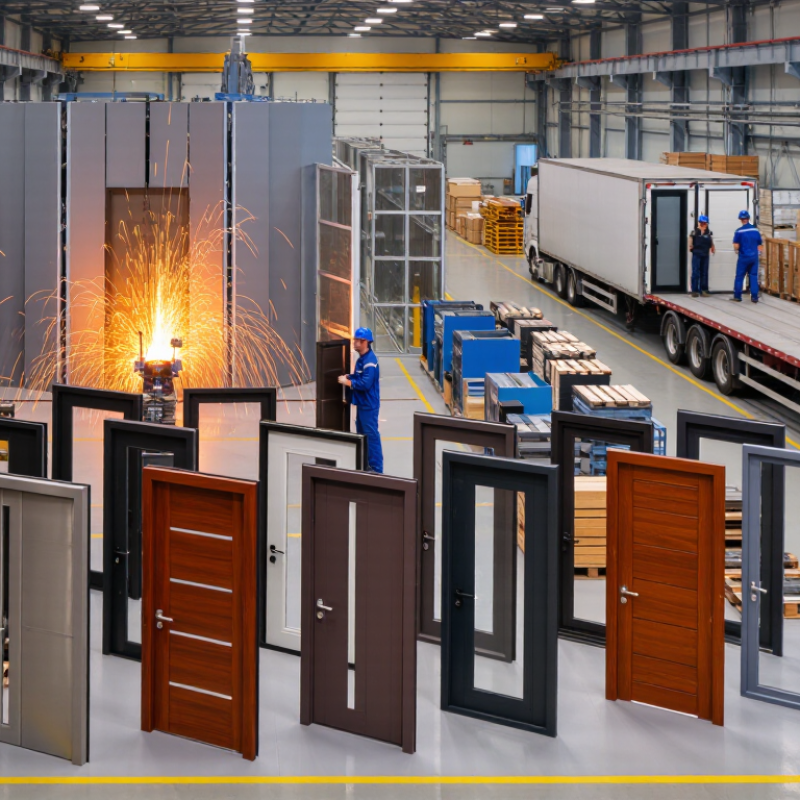
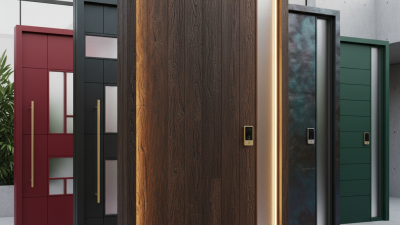
China’s entry door manufacturing landscape serves residential, commercial, and large development projects worldwide. Production clusters often combine aluminum, steel, engineered wood, and composite materials. This variety helps buyers match doors with climate, security needs, and architectural style.
Factory capability varies widely. Some manufacturers operate automated cutting, welding, powder-coating, and testing lines. Others rely more heavily on manual assembly. That difference can affect consistency. Buyers should review sample doors, production photos, inspection records, and material specifications before placing large orders. Small details matter, including hinge alignment, seal compression, frame tolerances, and drainage design.
Export-oriented manufacturers usually provide customization for dimensions, glass layouts, finishes, locks, and packaging. Experienced suppliers can also explain loading plans and installation requirements. However, communication may still become unclear when drawings lack measurements or approved revisions. That is a common weakness. A written quality agreement can reduce disputes over color variation, surface marks, hardware changes, and acceptable tolerances. Third-party inspections may be useful for larger shipments, especially when delivery schedules are tight.
China’s supplier landscape is competitive, but the lowest quotation is rarely the full cost. Tooling, testing, spare parts, packaging strength, and after-sales support deserve attention. Buyers should compare documented performance rather than polished factory presentations. A reliable manufacturer is not defined by equipment alone. It is defined by repeatable results, transparent communication, and the willingness to correct defects.

We’ll Come To You!
Quality New Windows & Doors. Competitively Priced!
Christine R.
Please, enter a valid value