
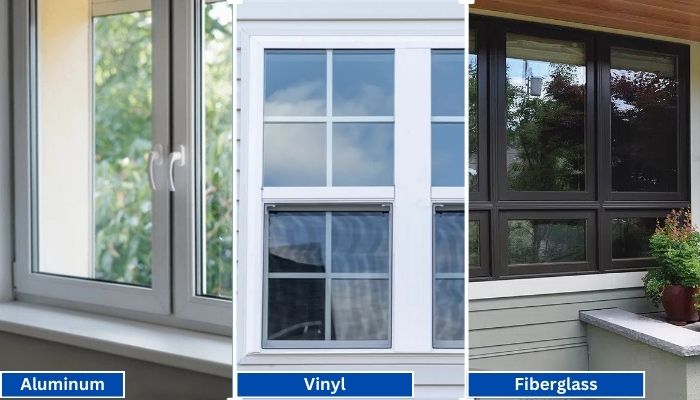
Vinyl generally has the shortest lead times because it is widely produced in standard configurations. Fiberglass is mid-range, especially for factory-painted colors.
Read More
PROUDLY CANADIAN COMPANY OWNED & OPERATED IN TORONTO SINCE 1989!
Vinyl generally has the shortest lead times because it is widely produced in standard configurations. Fiberglass is mid-range, especially for factory-painted colors.
Read More
Vinyl windows have become the go-to choice for homeowners in Toronto, thanks to their durability, energy efficiency, and low maintenance requirements. Whether you're upgrading your home for better insulation or enhancing
Read More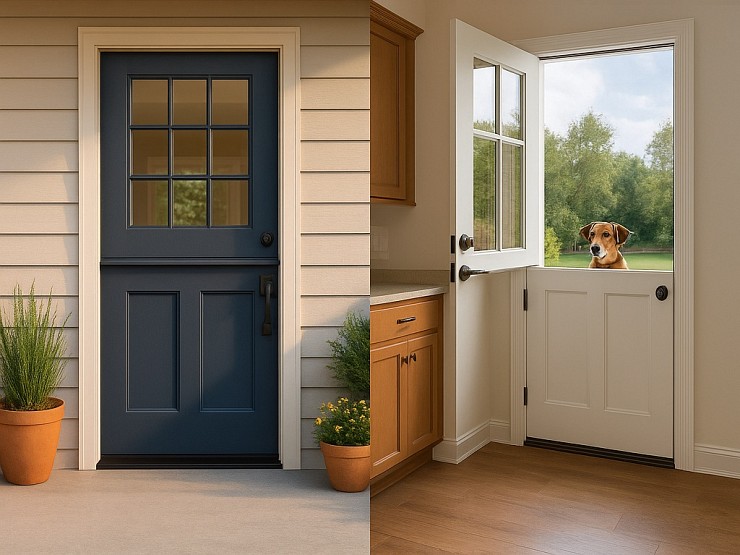
Thinking about changing your front door? A fiberglass Dutch door might have caught your eye. It’s not just a door. It’s part style statement, part smart functionality.
Read More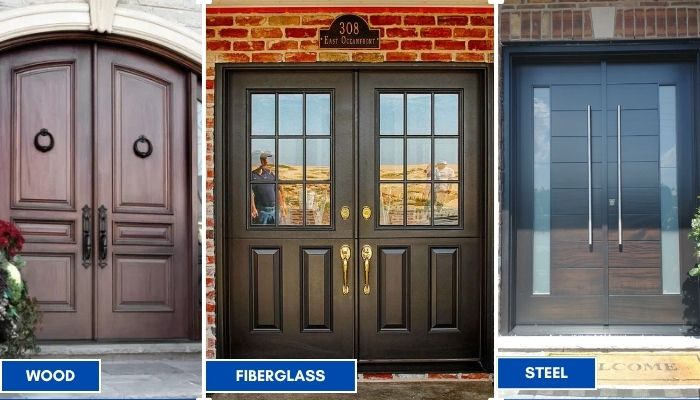
Thinking about replacing your front doors? Double doors are a bold upgrade. They look great, let in more light, and make moving big stuff easier. But the material you choose makes all the difference; especially here in Toronto.
Read More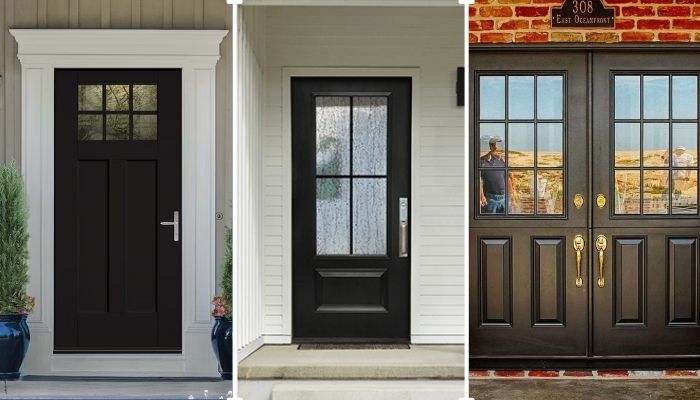
Thinking of giving your home that cozy, farmhouse charm? Let’s talk doors. Specifically, the fiberglass front doors in farmhouse style. You get the rustic look, without the rot, warping, or constant upkeep that comes with wood.
Read More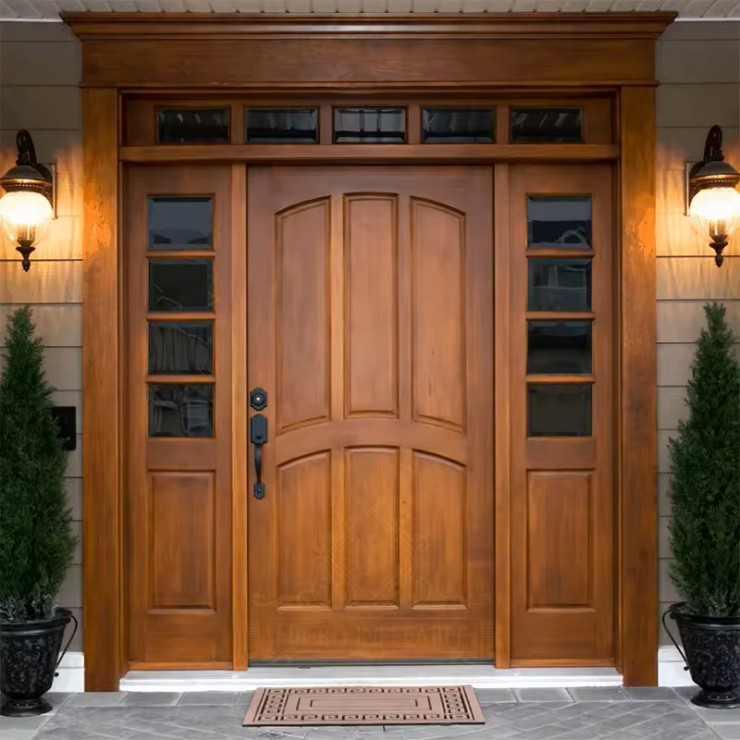
You want something that looks great, lasts long, and doesn’t stress you out with maintenance. You’re not alone. That’s exactly why more and more Toronto homeowners are choosing...
Read More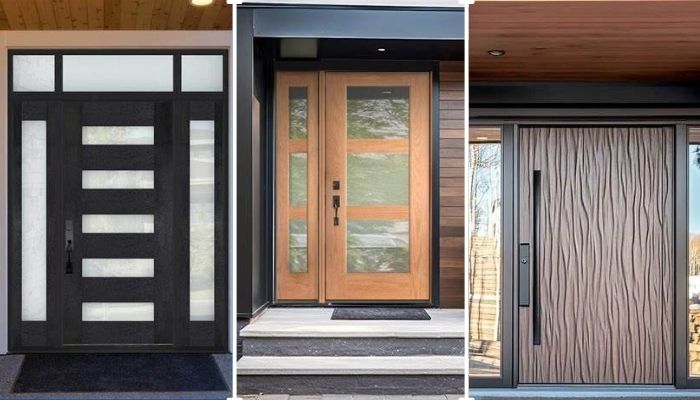
Thinking about replacing your front door? Let’s talk fiberglass. It's one of the smartest upgrades you can make, especially if you're living in Toronto. Whether your current door is drafty, outdated, or just plain boring.
Read More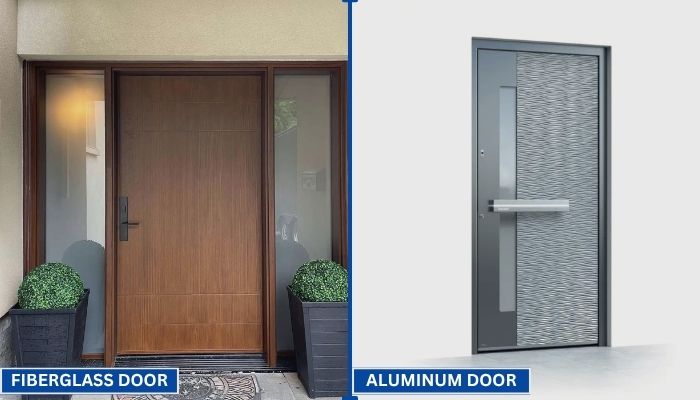
Your front door does more than just open and close. It protects your home, adds curb appeal, and helps control indoor temperature. That’s why picking the right door material matters.
Read More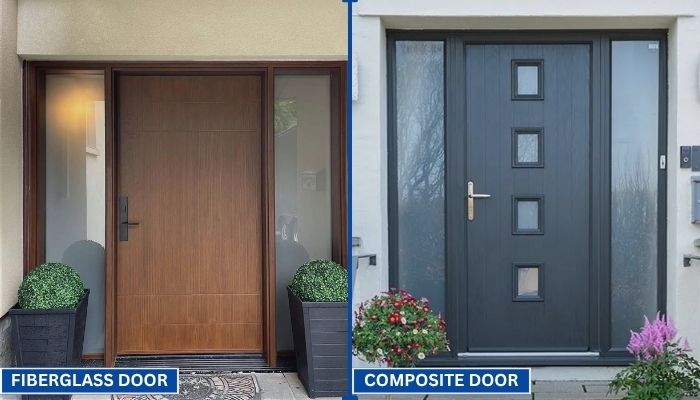
Choosing the right door can be confusing. You want something that looks good, lasts long, and keeps your home secure. Two of the most popular options today are fiberglass and composite doors.
Read More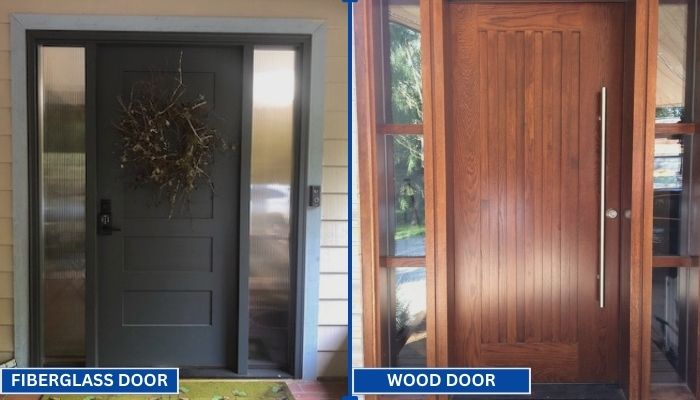
Replacing your front door is a big decision. Wood and fiberglass are two of the most popular materials for entry doors. Each has its own strengths in terms of style, durability, and maintenance. To help you choose the right one for your home, we have to go through a clear comparison.
Read MoreChoosing a modern front door from China requires more than comparing photographs, finishes, and factory prices. Global buyers need dependable suppliers, clear specifications, and evidence that production matches the promised standard. This guide introduces leading Chinese manufacturers serving residential, commercial, and hospitality projects worldwide. It considers aluminum, steel, wood, and composite door systems, along with thermal insulation, weather resistance, hardware quality, and customization options.
Real project experience often reveals details that brochures miss. A precise frame corner, smooth hinge movement, and consistent powder coating can influence long-term performance. Buyers should request material samples, factory videos, test reports, and installation drawings before approving production. Ask how suppliers manage tolerances, packaging, replacement parts, and communication across time zones. These details matter.
Not every attractive door performs equally well.
Reliable manufacturers usually explain their production process clearly. They can identify glass specifications, seal types, locking systems, surface treatments, and applicable regional requirements. Independent certifications may support their claims, but documents should be checked for scope, validity, and issuing organizations. Standards also vary between markets, so buyers should confirm local building and fire-safety expectations with qualified professionals.
There is no perfect supplier.
Some factories offer excellent customization but slower engineering support. Others provide stable quality with fewer design choices. This guide reflects that practical trade-off and encourages careful comparison. The goal is not simply to find the lowest quote. It is to identify a capable manufacturing partner with transparent communication, repeatable quality, secure export packaging, and realistic delivery commitments. Mistakes can still happen, even with experienced suppliers, so written approvals and inspection plans remain essential.
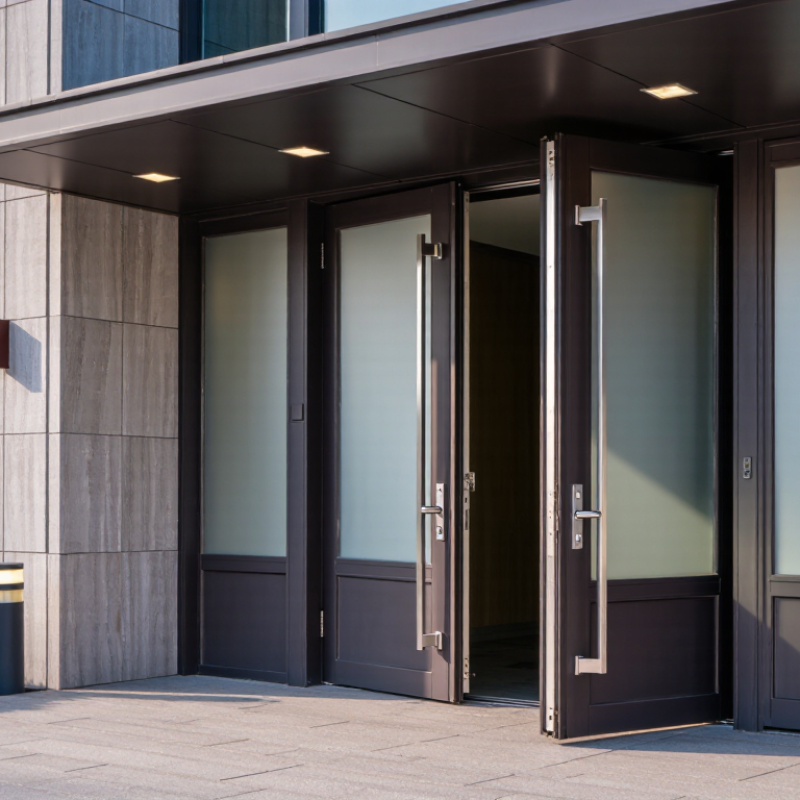
China’s modern front door manufacturing sector combines material processing, hardware assembly, surface finishing, and export packaging. Production ranges from standard steel and aluminum doors to custom-sized designs with glass panels or wood-look finishes. Many manufacturers use automated cutting and forming equipment, while skilled workers handle fitting and final inspection. The balance varies between factories.
Common features include insulated cores, multi-point locking options, weather seals, and finishes designed to resist fading or corrosion. Performance depends on more than appearance. Door thickness, frame alignment, seal compression, and hardware quality can all affect daily operation. Small gaps around a frame may cause drafts or water entry. Details matter.
For global buyers, clear specifications help reduce misunderstandings. Share opening dimensions, preferred materials, finish samples, hardware requirements, and expected packing conditions before production begins. Ask how dimensions are checked and whether finished units receive operation and surface inspections. Requesting sample photos or a pre-shipment inspection can reveal issues early, though neither replaces a clear contract and agreed quality criteria. Climate also matters: a finish suitable for a mild region may need extra protection in coastal or high-sun environments. Not every factory offers the same customization depth, lead time, or documentation, so compare actual process controls rather than relying on broad claims.
| Comparison Dimension | Common Options or Practices | What Global Buyers Should Check |
|---|---|---|
| Main Door Materials | Modern entrance doors are commonly made with aluminum, steel, engineered timber, fiberglass-reinforced plastic (FRP/GRP), or combinations of these materials. | Confirm the material grade, finish, construction details, and suitability for the building’s exposure, maintenance needs, and local climate. |
| Door Construction | Construction may include a framed leaf, insulated core, reinforced internal sections, surface panels, and a separate frame. Exact designs vary by material and intended use. | Request drawings that identify the leaf, frame, core, reinforcement, seals, and hardware. Check that the quoted specification matches the complete supplied assembly. |
| Thermal Performance | Thermal performance depends on the full door assembly, including the leaf, frame, glazing, seals, threshold, and installation—not on the leaf material alone. | Ask for test results or declared performance for the specified assembly, using the method accepted in the destination market. Compare values only when test methods and configurations are comparable. |
| Weather and Air Sealing | Perimeter weatherstripping, compression seals, sill details, and suitable finishes can help manage air and water ingress. Results depend on design, testing, and installation. | Specify the required air, water, and wind-load performance for the project. Confirm the test configuration includes the proposed frame, glazing, threshold, and hardware. |
| Glazing and Sidelights | Options may include glazed door panels, sidelights, or transoms. Safety-glazing requirements depend on the location and applicable building regulations. | Confirm glass type, thickness, safety-glazing compliance, glazing method, and any project-specific impact or security requirements. |
| Hardware and Access Control | Common options include hinges, multipoint locks, cylinders, handles, closers, and electronic access-control components. | Check handing, backset, lock preparation, corrosion resistance, compatibility with local hardware standards, and whether electronic components are included or supplied separately. |
| Surface Finishes | Finishes can include paint, powder coating, decorative laminates, veneers, and wood-effect surfaces, depending on the door material and manufacturing process. | Request finish samples and care instructions. Verify color, texture, coating specification, and suitability for the installation environment before production. |
| Customization | Manufacturers may offer variations in size, panel layout, color, glazing, frame design, and hardware preparation, subject to tooling and production limits. | Approve dimensioned shop drawings and a written specification. Define tolerances, opening direction, wall condition, and measurement responsibility before order confirmation. |
| Fire-Rated Applications | Fire-rated performance applies to a tested and approved door assembly; selecting a fire-resistant material alone does not establish a fire rating. | For regulated applications, require documentation accepted by the destination authority for the exact door, frame, seals, glazing, and hardware configuration. |
| Quality Checks | Typical production checks may cover dimensions, appearance, finish, component fit, operation, and packaging. Inspection scope varies by supplier and contract. | Set measurable acceptance criteria and inspection stages in the purchase agreement. Agree on sampling, defect classification, and required records before manufacturing begins. |
| Compliance by Destination Market | Building codes and product evaluation requirements differ by country and project. Standards used in one market may not be accepted in another. | Identify the applicable local code, test method, labeling, and documentation before placing the order. Obtain confirmation from the project designer or local compliance professional. |
| Packaging and Shipping | Door leaves and frames need protection against handling damage, moisture, and surface abrasion during storage and transport. Packaging should suit the shipping route. | Agree on packaging, labeling, loading method, delivery terms, and inspection on arrival. Clarify responsibility for transit damage and any destination-specific documentation. |
| Industry overview: These are common product and procurement considerations, not a universal specification or ranking. Available designs, test evidence, and compliance depend on the individual product and destination market. | ||

We’ll Come To You!
Quality New Windows & Doors. Competitively Priced!
Christine R.
Please, enter a valid value