
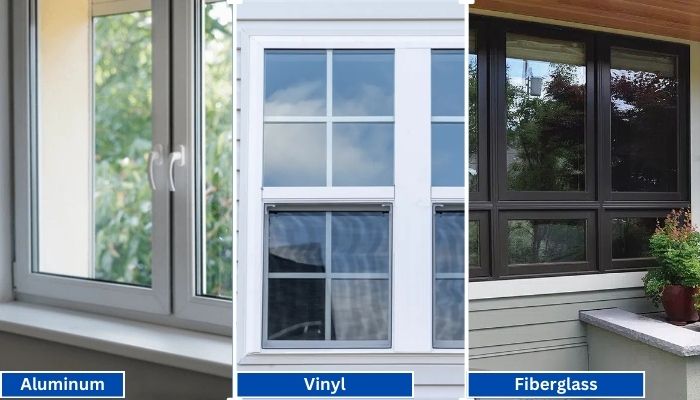
Vinyl generally has the shortest lead times because it is widely produced in standard configurations. Fiberglass is mid-range, especially for factory-painted colors.
Read More
PROUDLY CANADIAN COMPANY OWNED & OPERATED IN TORONTO SINCE 1989!
Vinyl generally has the shortest lead times because it is widely produced in standard configurations. Fiberglass is mid-range, especially for factory-painted colors.
Read More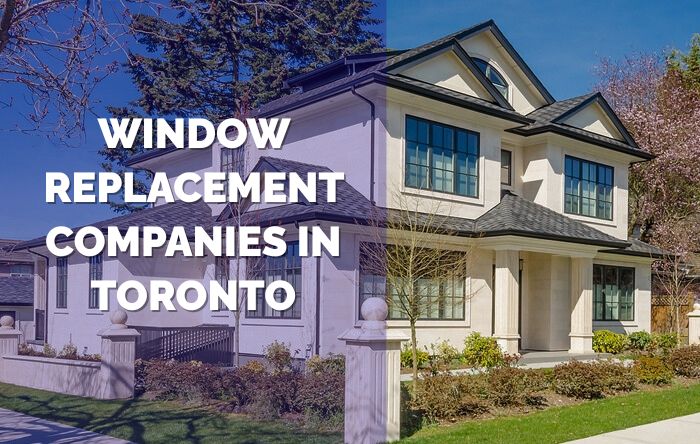
Vinyl windows have become the go-to choice for homeowners in Toronto, thanks to their durability, energy efficiency, and low maintenance requirements. Whether you're upgrading your home for better insulation or enhancing
Read More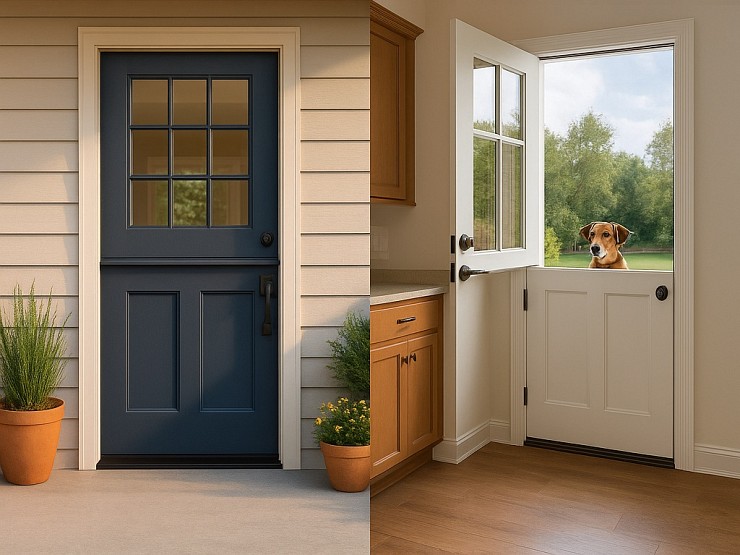
Thinking about changing your front door? A fiberglass Dutch door might have caught your eye. It’s not just a door. It’s part style statement, part smart functionality.
Read More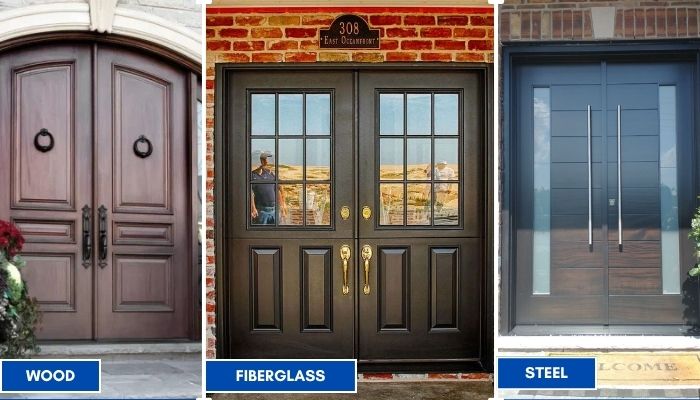
Thinking about replacing your front doors? Double doors are a bold upgrade. They look great, let in more light, and make moving big stuff easier. But the material you choose makes all the difference; especially here in Toronto.
Read More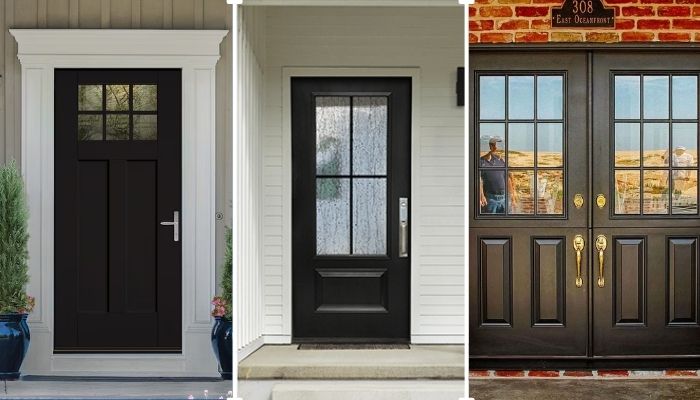
Thinking of giving your home that cozy, farmhouse charm? Let’s talk doors. Specifically, the fiberglass front doors in farmhouse style. You get the rustic look, without the rot, warping, or constant upkeep that comes with wood.
Read More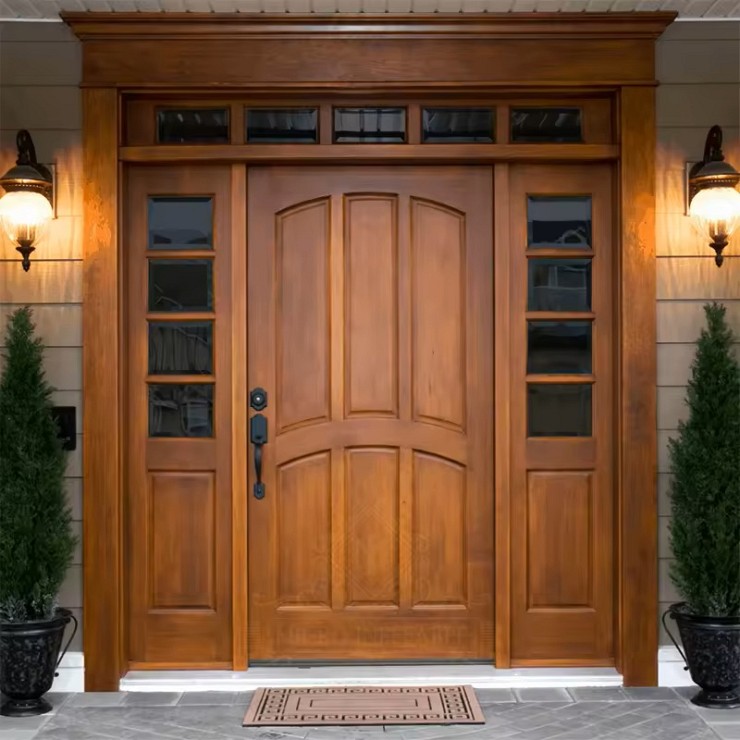
You want something that looks great, lasts long, and doesn’t stress you out with maintenance. You’re not alone. That’s exactly why more and more Toronto homeowners are choosing...
Read More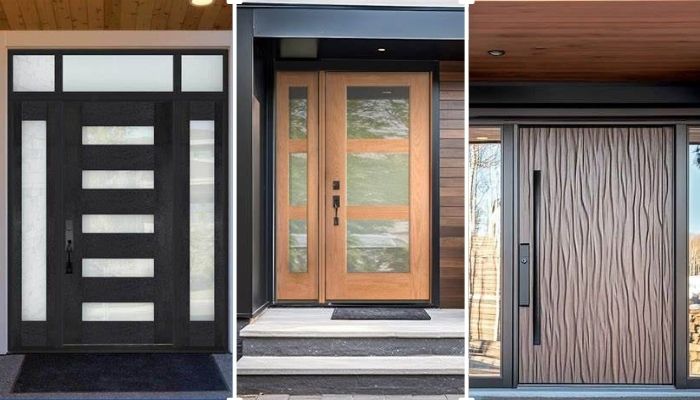
Thinking about replacing your front door? Let’s talk fiberglass. It's one of the smartest upgrades you can make, especially if you're living in Toronto. Whether your current door is drafty, outdated, or just plain boring.
Read More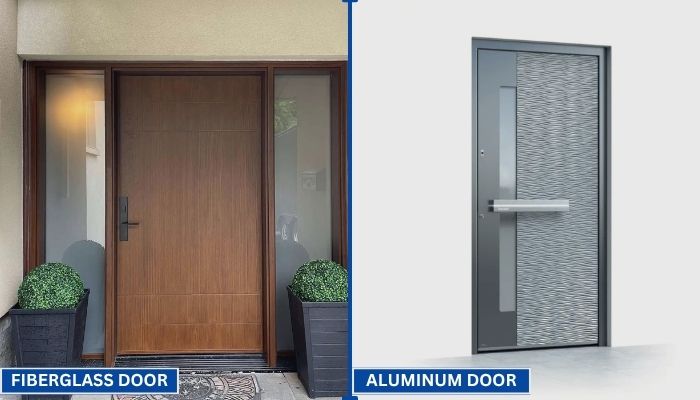
Your front door does more than just open and close. It protects your home, adds curb appeal, and helps control indoor temperature. That’s why picking the right door material matters.
Read More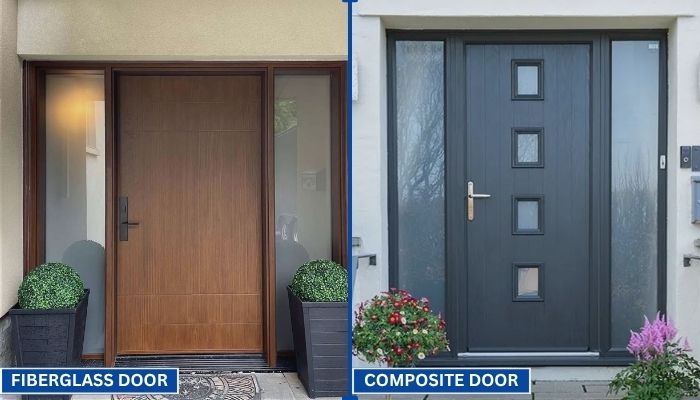
Choosing the right door can be confusing. You want something that looks good, lasts long, and keeps your home secure. Two of the most popular options today are fiberglass and composite doors.
Read More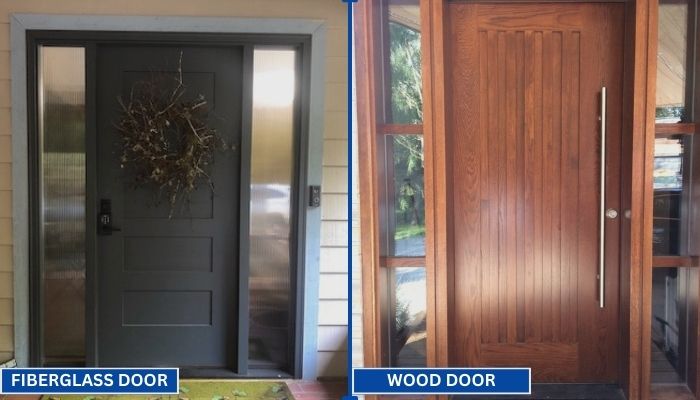
Replacing your front door is a big decision. Wood and fiberglass are two of the most popular materials for entry doors. Each has its own strengths in terms of style, durability, and maintenance. To help you choose the right one for your home, we have to go through a clear comparison.
Read MoreChoosing a Pvdf Air Dome in 2026 means evaluating more than a smooth, white roof. The membrane, anchoring system, airlocks, fans, and backup power must work as one structure. The 2024 Global Status Report for Buildings and Construction, published by UNEP and the Global Alliance for Buildings and Construction, estimates that buildings account for 32% of global energy demand and 34% of energy-related carbon dioxide emissions. Those figures are not dome-specific, but they make operating energy worth checking. Ask suppliers for measured fan consumption, insulation data, and clear assumptions about occupancy and climate. Numbers need context.
Start with the site. Local wind, snow, rainfall, temperature swings, and ground conditions shape the design load. Then inspect the fabric specification: base-fabric strength, PVDF coating, seam performance, UV resistance, and documented fire-test results. Request independent test reports, not just a brochure claim. Review the anchoring details and emergency procedures, too. A strong membrane cannot compensate for weak site preparation.
There is no universal best dome. A sports facility with daily use may need different ventilation and access than a seasonal storage space. Compare warranty terms, inspection intervals, spare-part availability, and the supplier’s record on similar projects. Ask what happens during a power interruption. That detail is easy to overlook. One honest limitation: quoted service life depends on exposure, maintenance, and installation quality. Treat it as an estimate, not a promise.
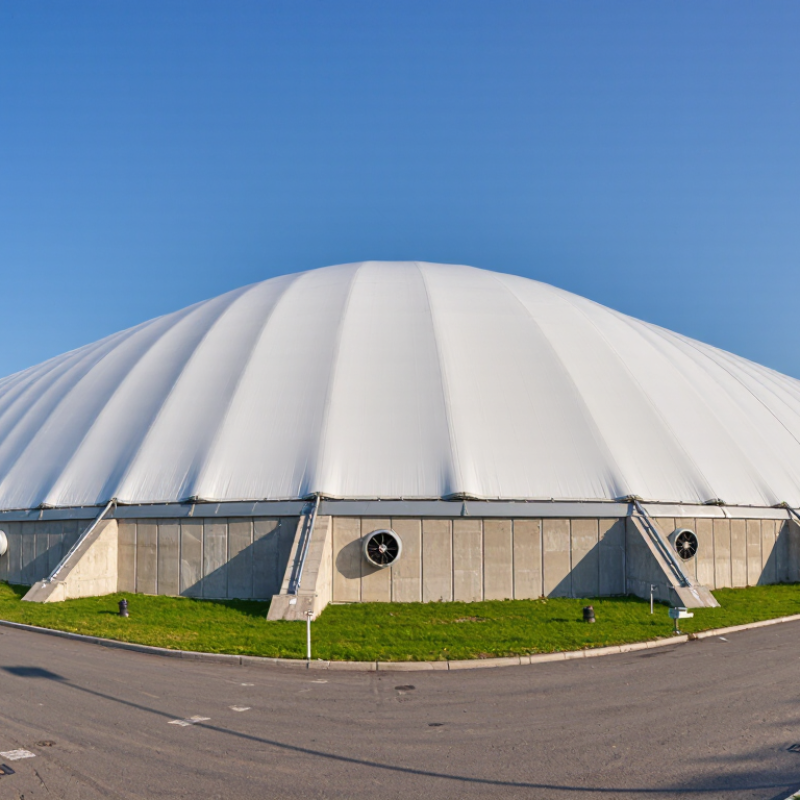
Before selecting a PVDF air dome, define what happens inside it. A training hall needs clear sightlines, safe overhead clearance, and space for equipment. A storage dome may need wide vehicle access and protection from condensation. List the required floor area, peak occupancy, operating hours, ventilation needs, and acceptable downtime. Small details matter. A delivery truck’s turning path can shape the entrance layout. So can the location of lights and fans. A frequent planning blind spot is specifying the dome by area alone; revisit that assumption before requesting quotations.
Then check the actual site. Record prevailing winds, snowfall, rainfall, drainage, soil conditions, and access to reliable power for inflation fans. ASCE/SEI 7-22 provides design criteria for wind, snow, and other structural loads; a qualified engineer should apply the relevant local values. NOAA’s 1991–2020 U.S. Climate Normals provide 30-year temperature and precipitation baselines, but averages do not replace site-specific design extremes. The World Meteorological Organization reported that 2024 was about 1.55°C warmer than the 1850–1900 average, a reminder that historical climate patterns can shift. This figure is global, not a local load value. Request a site assessment, and confirm backup power, emergency access, and maintenance clearance before fixing the dome’s size or orientation. A rushed site survey is easy to regret.
We’ll Come To You!
Quality New Windows & Doors. Competitively Priced!
Christine R.
Please, enter a valid value