
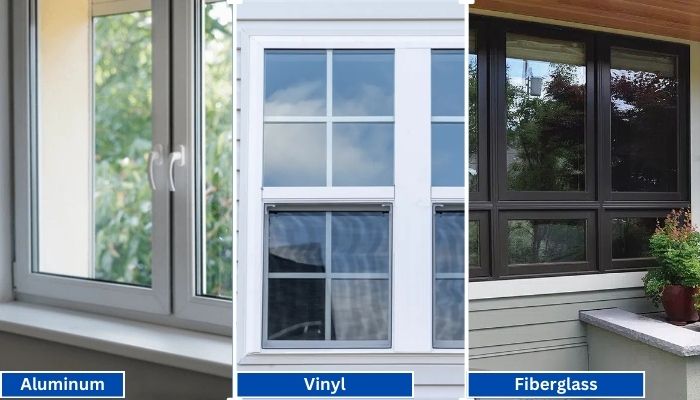
Vinyl generally has the shortest lead times because it is widely produced in standard configurations. Fiberglass is mid-range, especially for factory-painted colors.
Read More
PROUDLY CANADIAN COMPANY OWNED & OPERATED IN TORONTO SINCE 1989!
Vinyl generally has the shortest lead times because it is widely produced in standard configurations. Fiberglass is mid-range, especially for factory-painted colors.
Read More
Vinyl windows have become the go-to choice for homeowners in Toronto, thanks to their durability, energy efficiency, and low maintenance requirements. Whether you're upgrading your home for better insulation or enhancing
Read More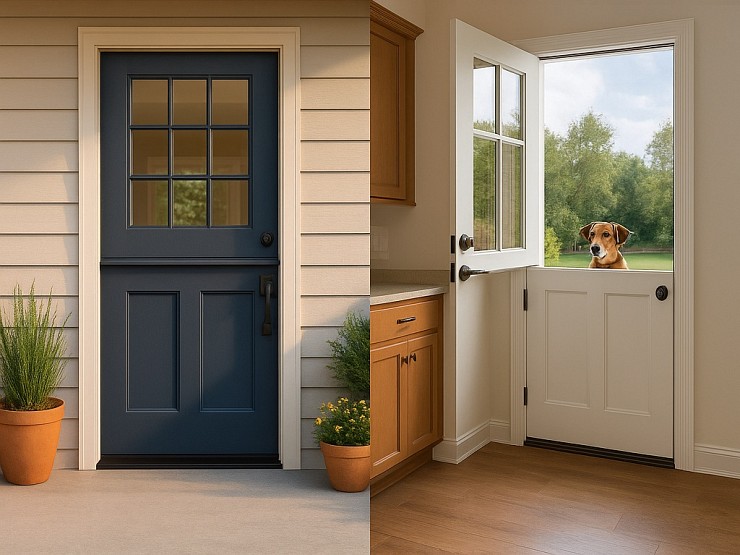
Thinking about changing your front door? A fiberglass Dutch door might have caught your eye. It’s not just a door. It’s part style statement, part smart functionality.
Read More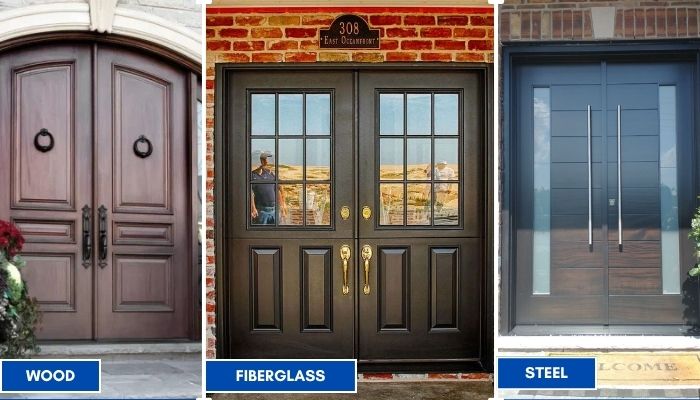
Thinking about replacing your front doors? Double doors are a bold upgrade. They look great, let in more light, and make moving big stuff easier. But the material you choose makes all the difference; especially here in Toronto.
Read More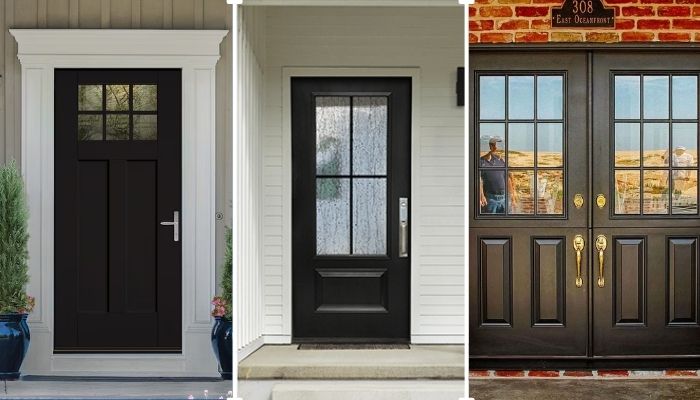
Thinking of giving your home that cozy, farmhouse charm? Let’s talk doors. Specifically, the fiberglass front doors in farmhouse style. You get the rustic look, without the rot, warping, or constant upkeep that comes with wood.
Read More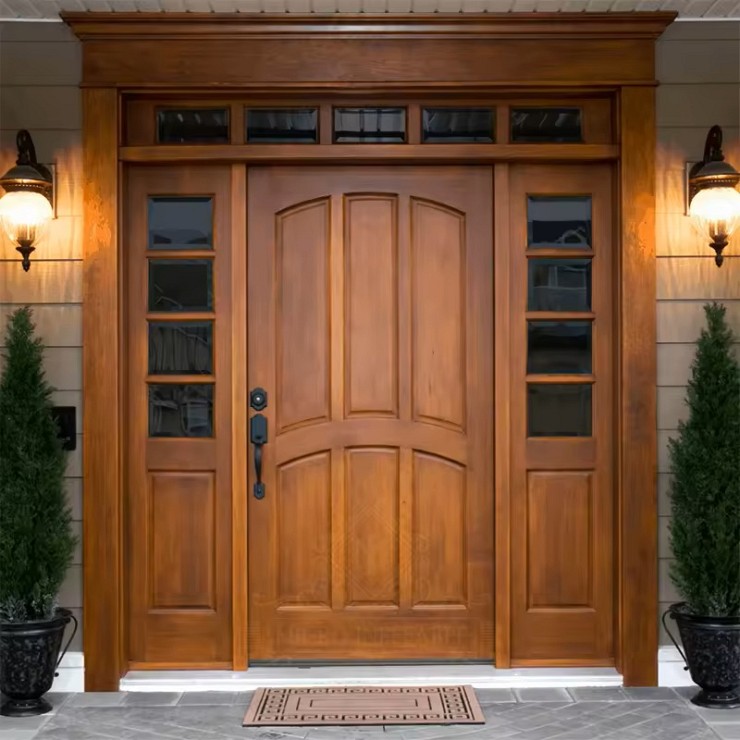
You want something that looks great, lasts long, and doesn’t stress you out with maintenance. You’re not alone. That’s exactly why more and more Toronto homeowners are choosing...
Read More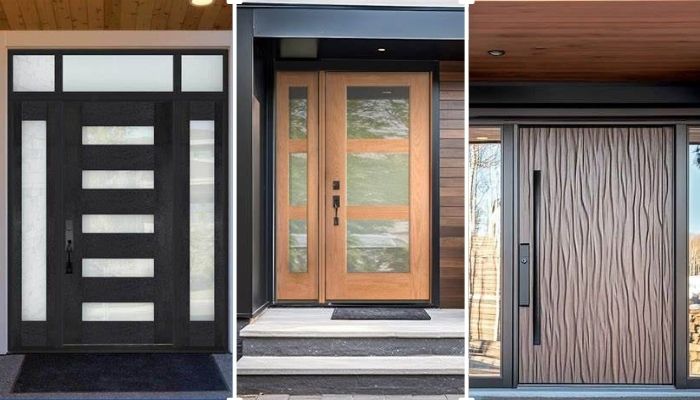
Thinking about replacing your front door? Let’s talk fiberglass. It's one of the smartest upgrades you can make, especially if you're living in Toronto. Whether your current door is drafty, outdated, or just plain boring.
Read More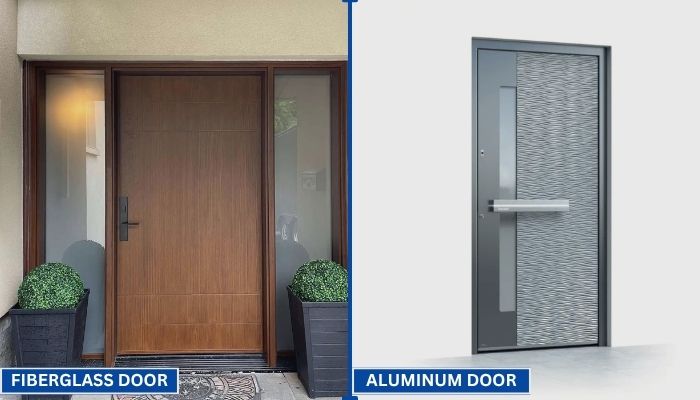
Your front door does more than just open and close. It protects your home, adds curb appeal, and helps control indoor temperature. That’s why picking the right door material matters.
Read More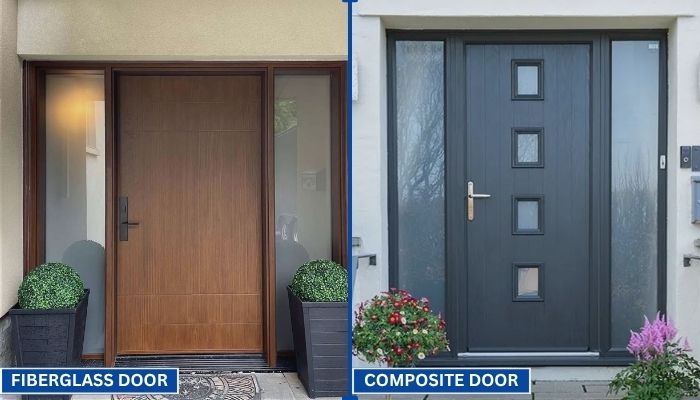
Choosing the right door can be confusing. You want something that looks good, lasts long, and keeps your home secure. Two of the most popular options today are fiberglass and composite doors.
Read More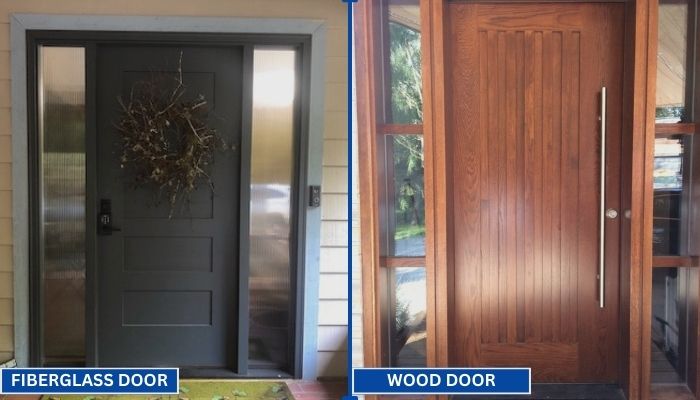
Replacing your front door is a big decision. Wood and fiberglass are two of the most popular materials for entry doors. Each has its own strengths in terms of style, durability, and maintenance. To help you choose the right one for your home, we have to go through a clear comparison.
Read MoreChoosing a reliable Galvanized Wire Manufacturer starts with more than comparing prices. The right partner should understand your application, whether you need wire for fencing, mesh, binding, or industrial fabrication. Small differences matter. A coating that looks even under bright factory lights may still vary in thickness, so ask how coating weight and wire diameter are checked during production. Request recent test reports, product specifications, and samples that match the grade you plan to order. Then inspect the surface, flexibility, and consistency across the coil—not just one convenient section.
A dependable manufacturer can explain its process clearly, from drawing and galvanizing to packing and shipment. Ask how it tracks batches and responds when a sample or order falls outside the agreed specifications. A clear answer is useful; vague promises are not. Look for relevant experience, documented quality procedures, stable production capacity, and references you can verify. If possible, compare sample results with the stated tensile strength and coating requirements, and confirm that packaging will protect coils from moisture and handling damage. Details matter.
A low quote can look attractive. It is not the whole story. Lead times, communication, inspection methods, and corrective actions affect the real cost of a supply relationship. No supplier is perfect, and a polished website alone proves little. Use practical questions, written specifications, and careful sample checks to judge whether a manufacturer can deliver consistently. The aim is not to find the biggest factory, but one whose capabilities fit your needs—and whose claims stand up to scrutiny.
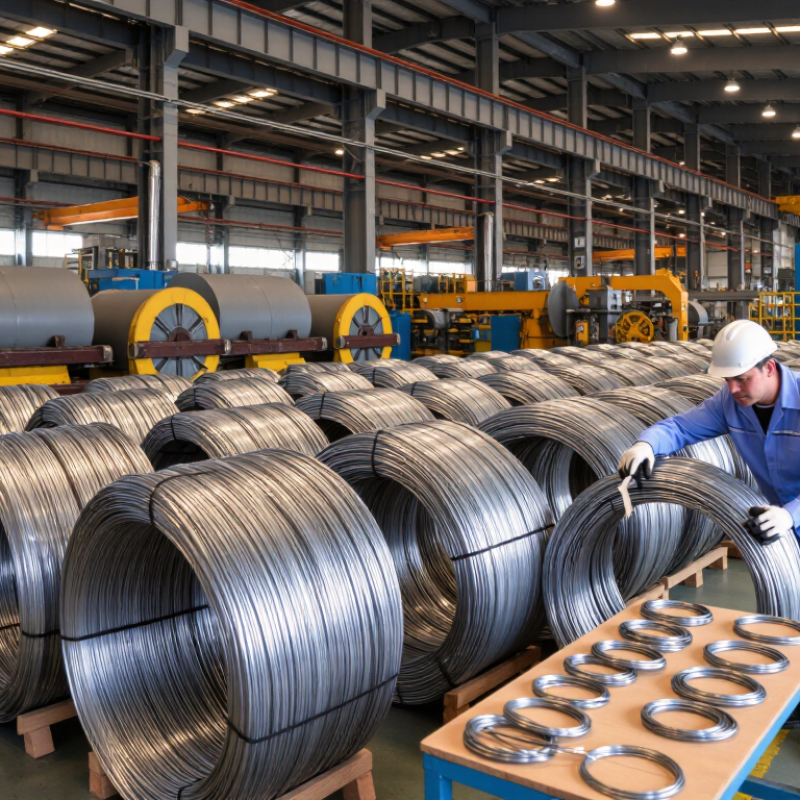
Before comparing manufacturers, define the conditions the wire must handle.
Will it support an outdoor fence, form mesh, bind components, or run through a machine? Note exposure to rain, salt spray, soil, chemicals, and abrasion; each can change coating and service-life requirements. Specify nominal diameter, allowable tolerance, tensile-strength range, coating type, and coating mass where needed. Small details matter. A thin wire may suit light ties, while a heavier gauge may be needed for tension or repeated handling.
Describe the application, not just “galvanized wire.”
With welded mesh, consistent diameter and clean weld areas support even panels. On a bending line, ductility and steady coil payoff may matter more. Ask how coating weight, diameter, and tensile properties are checked. Request a sample or inspection record tied to your specification. That can reveal mismatches early. Also decide coil weight, inner diameter, winding direction, and packaging, so the wire arrives ready for your equipment. One point is easy to miss: the thickest coating is not automatically best if forming damages it or adds cost without practical benefit. A short trial may reveal gaps in your brief.
We’ll Come To You!
Quality New Windows & Doors. Competitively Priced!
Christine R.
Please, enter a valid value