
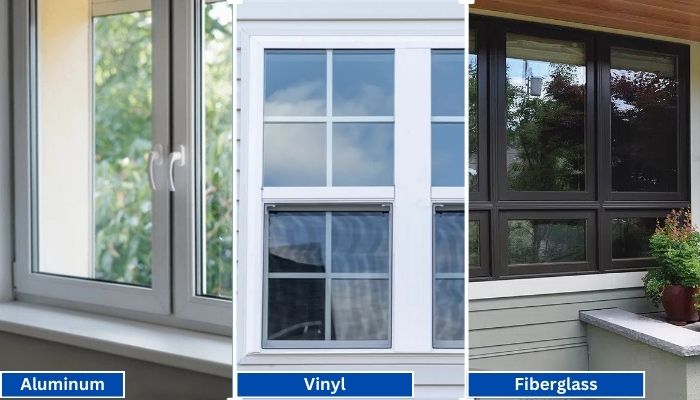
Vinyl generally has the shortest lead times because it is widely produced in standard configurations. Fiberglass is mid-range, especially for factory-painted colors.
Read More
PROUDLY CANADIAN COMPANY OWNED & OPERATED IN TORONTO SINCE 1989!
Vinyl generally has the shortest lead times because it is widely produced in standard configurations. Fiberglass is mid-range, especially for factory-painted colors.
Read More
Vinyl windows have become the go-to choice for homeowners in Toronto, thanks to their durability, energy efficiency, and low maintenance requirements. Whether you're upgrading your home for better insulation or enhancing
Read More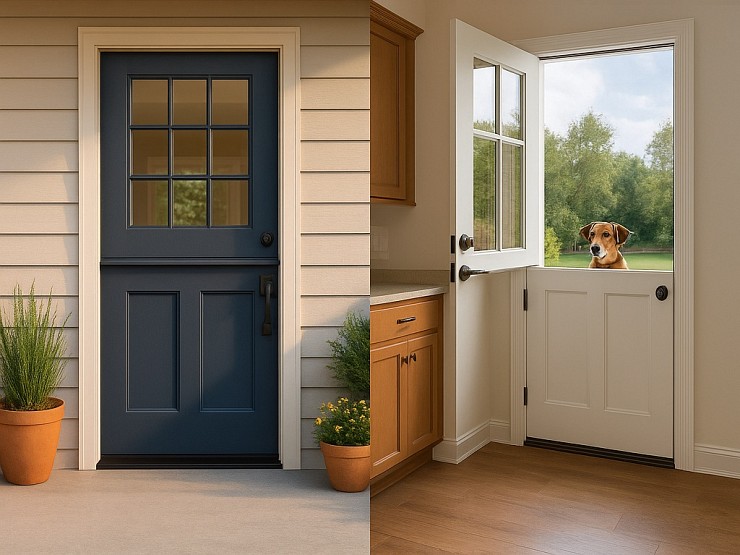
Thinking about changing your front door? A fiberglass Dutch door might have caught your eye. It’s not just a door. It’s part style statement, part smart functionality.
Read More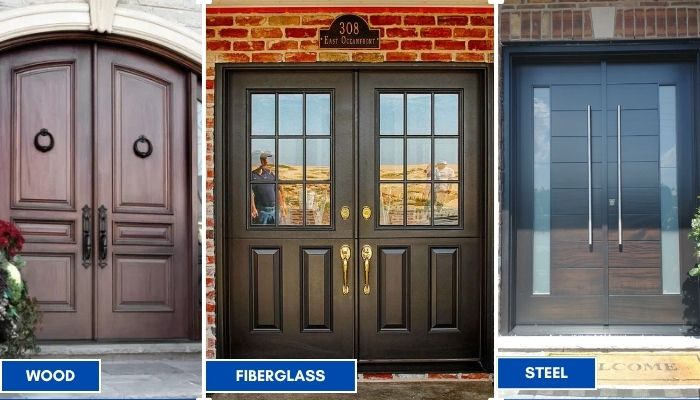
Thinking about replacing your front doors? Double doors are a bold upgrade. They look great, let in more light, and make moving big stuff easier. But the material you choose makes all the difference; especially here in Toronto.
Read More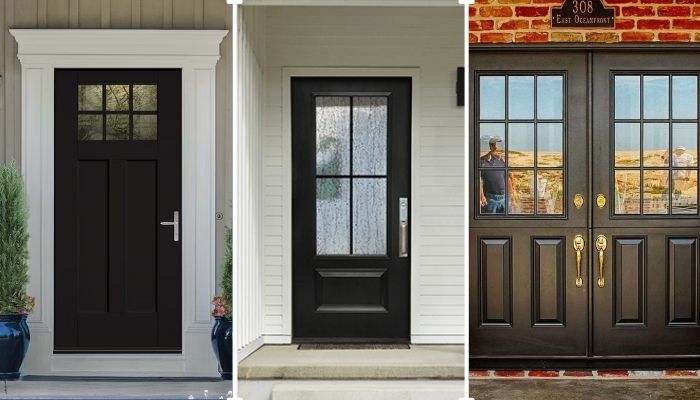
Thinking of giving your home that cozy, farmhouse charm? Let’s talk doors. Specifically, the fiberglass front doors in farmhouse style. You get the rustic look, without the rot, warping, or constant upkeep that comes with wood.
Read More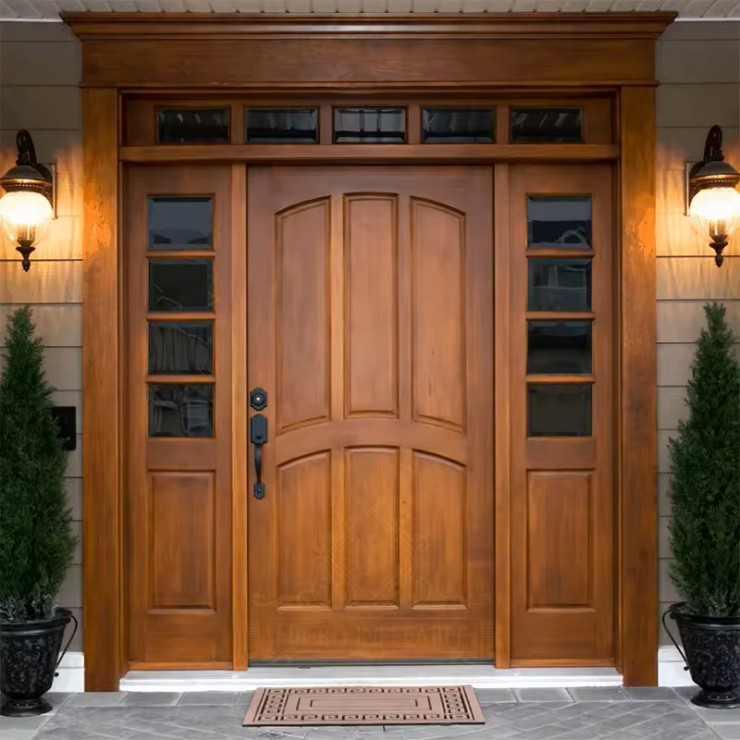
You want something that looks great, lasts long, and doesn’t stress you out with maintenance. You’re not alone. That’s exactly why more and more Toronto homeowners are choosing...
Read More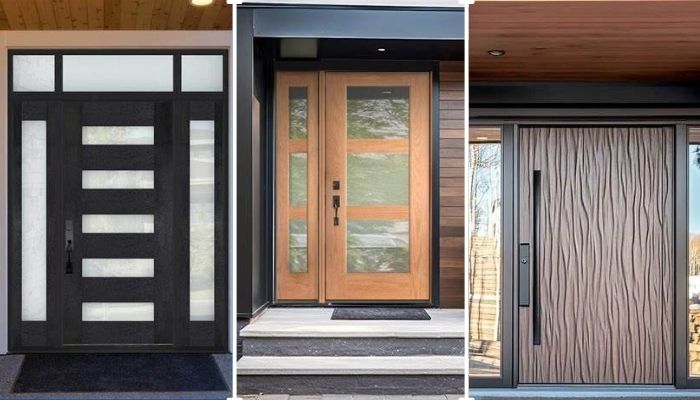
Thinking about replacing your front door? Let’s talk fiberglass. It's one of the smartest upgrades you can make, especially if you're living in Toronto. Whether your current door is drafty, outdated, or just plain boring.
Read More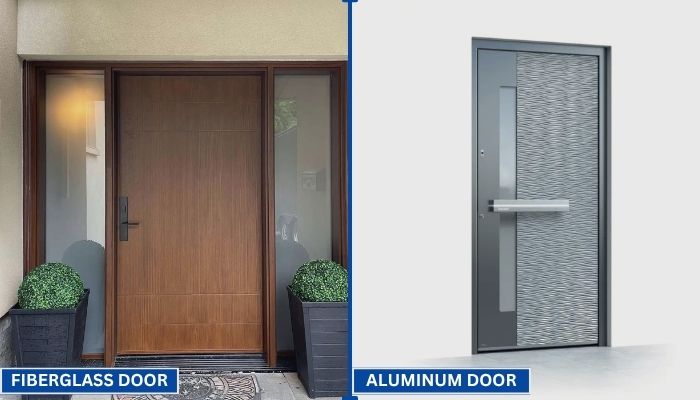
Your front door does more than just open and close. It protects your home, adds curb appeal, and helps control indoor temperature. That’s why picking the right door material matters.
Read More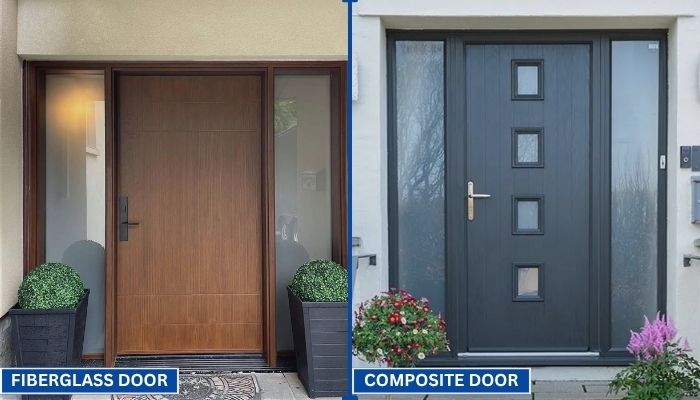
Choosing the right door can be confusing. You want something that looks good, lasts long, and keeps your home secure. Two of the most popular options today are fiberglass and composite doors.
Read More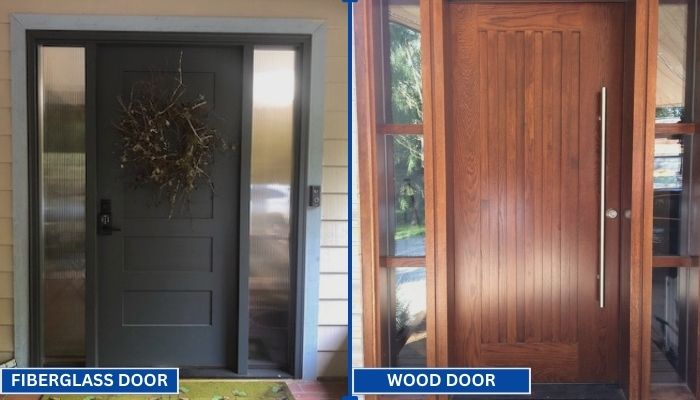
Replacing your front door is a big decision. Wood and fiberglass are two of the most popular materials for entry doors. Each has its own strengths in terms of style, durability, and maintenance. To help you choose the right one for your home, we have to go through a clear comparison.
Read MoreChoosing the right Sewer Water Jetter for your business can be daunting. Renowned industry expert, John Miller, notes, "The right equipment can make all the difference." His insight captures the essence of selecting a jetter that meets your unique needs.
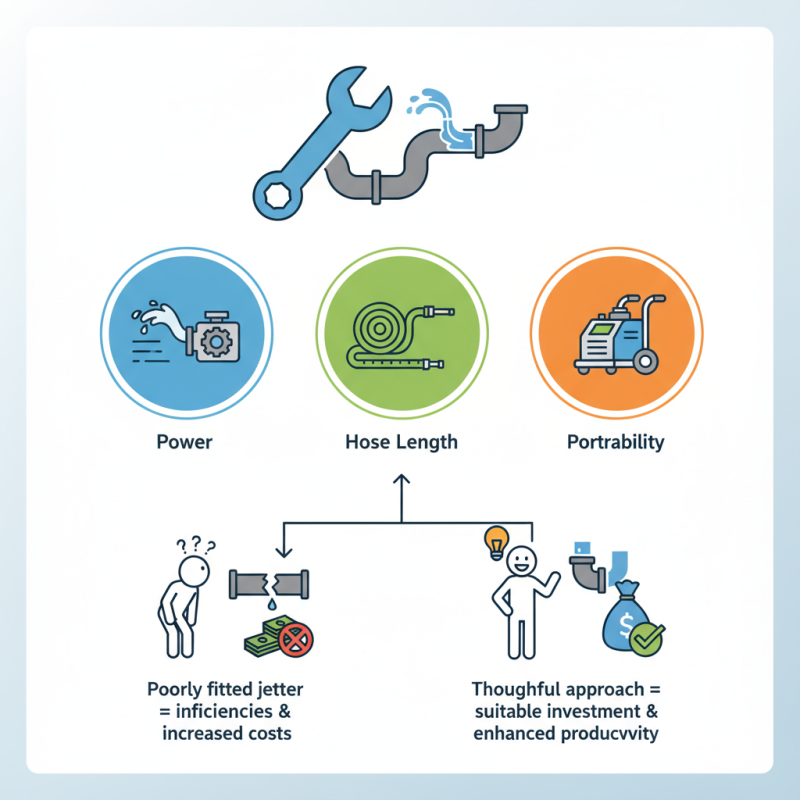
A Sewer Water Jetter is an essential tool for maintaining clear pipelines. Many businesses overlook the importance of choosing the right model. The experience of using a poorly fitted jetter can lead to inefficiencies and increased repair costs. Each business has different requirements. The wrong choice may compromise your service quality.
Carefully consider factors such as power, hose length, and portability. The complexity of your tasks will determine the specifications needed. Sometimes, businesses rush into a decision, often regretting the choice later. Take time to reflect on your operational needs. This thoughtful approach can lead to a suitable investment, enhancing your overall productivity.
Sewer water jetters are crucial in modern plumbing. They provide effective solutions for clearing blockages in pipes. Using high-pressure water, these jetters can dislodge stubborn debris. This keeps drainage systems functioning optimally.
In plumbing businesses, efficiency is vital. Sewer water jetters help save time and increase productivity. They can tackle various issues, from grease buildup to tree root invasions. Many plumbers rely on these tools to enhance their services.
However, using them requires training and understanding. Improper use can lead to costly damages.
Choosing the right jetter is essential. Consider the specific needs of your business. Evaluate power requirements and hose length. Ensure the equipment is user-friendly and reliable. Investing in quality tools can make a significant difference. Yet, frequent maintenance is necessary to keep the jetter in top condition. Not all solutions fit every problem, so critical thinking is needed.
We’ll Come To You!
Quality New Windows & Doors. Competitively Priced!
Christine R.
Please, enter a valid value