
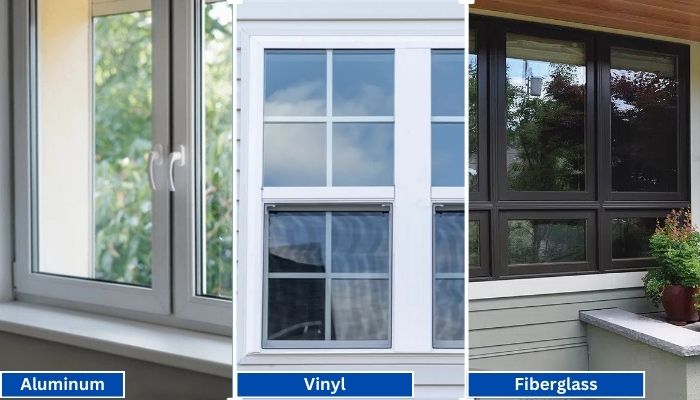
Vinyl generally has the shortest lead times because it is widely produced in standard configurations. Fiberglass is mid-range, especially for factory-painted colors.
Read More
PROUDLY CANADIAN COMPANY OWNED & OPERATED IN TORONTO SINCE 1989!
Vinyl generally has the shortest lead times because it is widely produced in standard configurations. Fiberglass is mid-range, especially for factory-painted colors.
Read More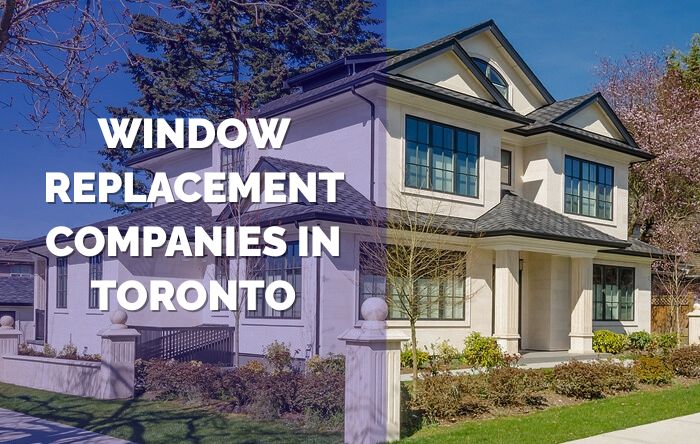
Vinyl windows have become the go-to choice for homeowners in Toronto, thanks to their durability, energy efficiency, and low maintenance requirements. Whether you're upgrading your home for better insulation or enhancing
Read More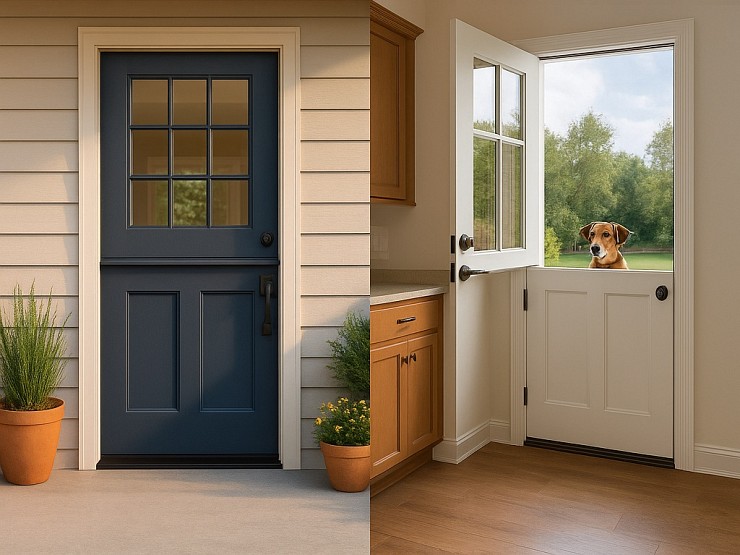
Thinking about changing your front door? A fiberglass Dutch door might have caught your eye. It’s not just a door. It’s part style statement, part smart functionality.
Read More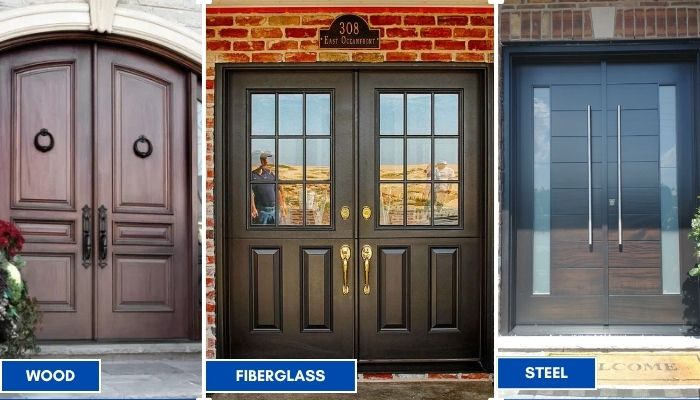
Thinking about replacing your front doors? Double doors are a bold upgrade. They look great, let in more light, and make moving big stuff easier. But the material you choose makes all the difference; especially here in Toronto.
Read More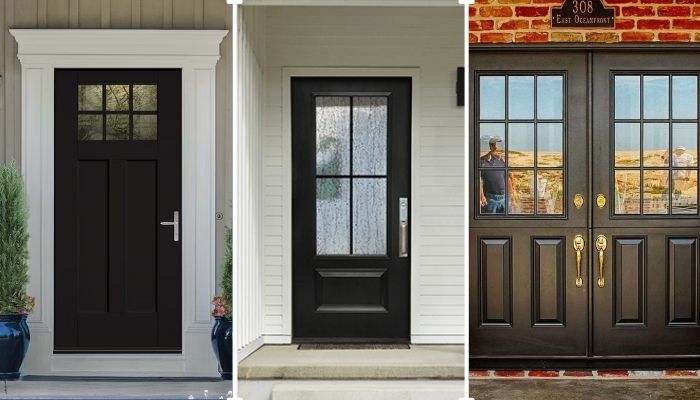
Thinking of giving your home that cozy, farmhouse charm? Let’s talk doors. Specifically, the fiberglass front doors in farmhouse style. You get the rustic look, without the rot, warping, or constant upkeep that comes with wood.
Read More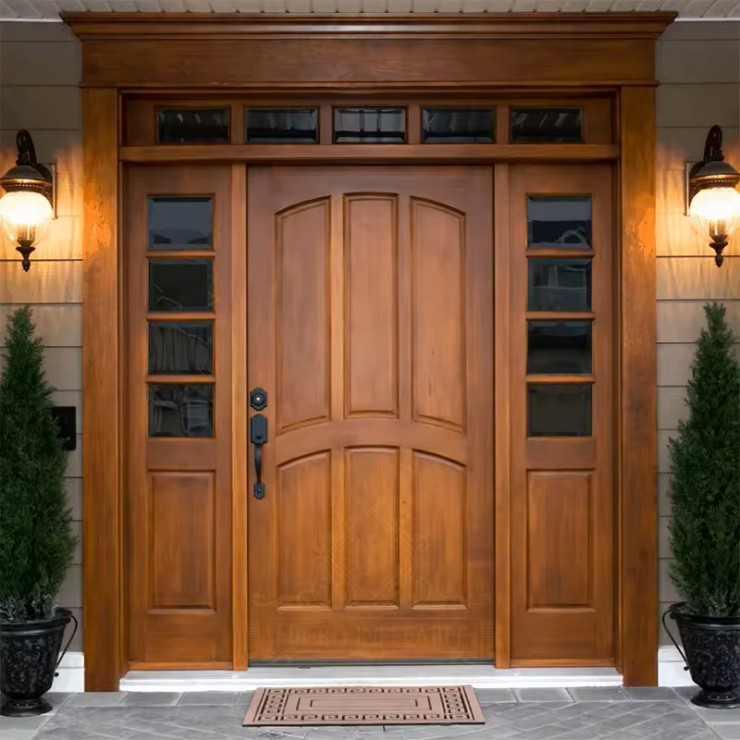
You want something that looks great, lasts long, and doesn’t stress you out with maintenance. You’re not alone. That’s exactly why more and more Toronto homeowners are choosing...
Read More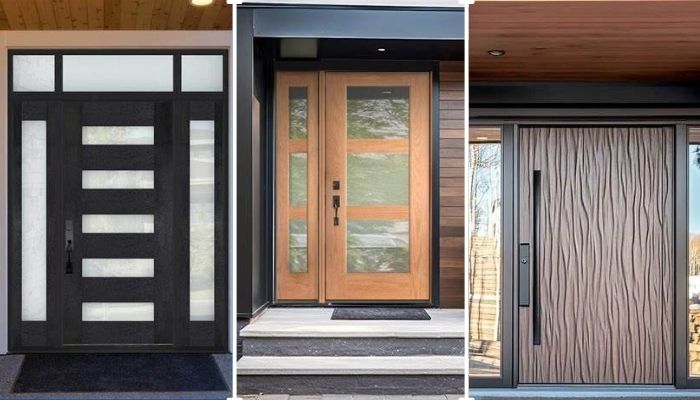
Thinking about replacing your front door? Let’s talk fiberglass. It's one of the smartest upgrades you can make, especially if you're living in Toronto. Whether your current door is drafty, outdated, or just plain boring.
Read More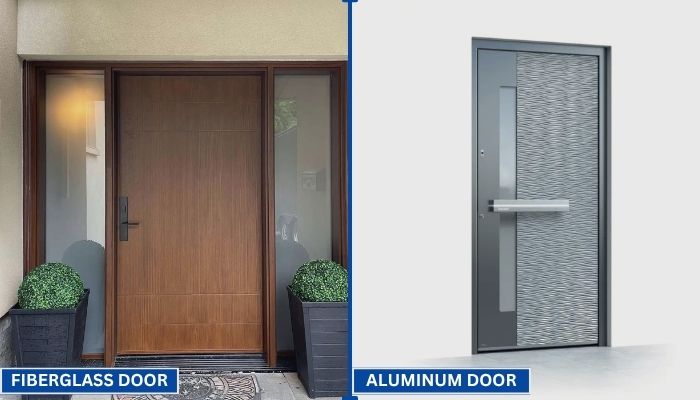
Your front door does more than just open and close. It protects your home, adds curb appeal, and helps control indoor temperature. That’s why picking the right door material matters.
Read More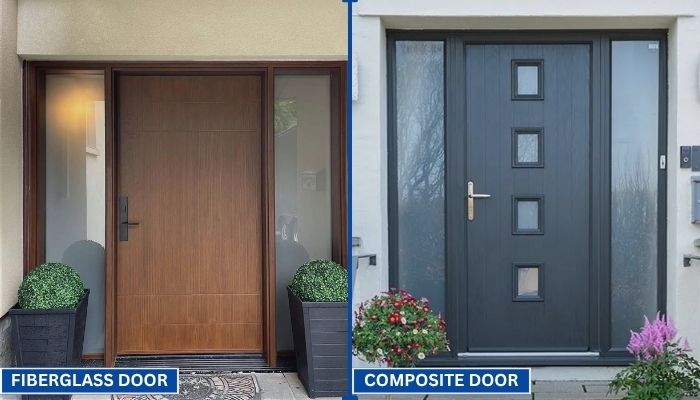
Choosing the right door can be confusing. You want something that looks good, lasts long, and keeps your home secure. Two of the most popular options today are fiberglass and composite doors.
Read More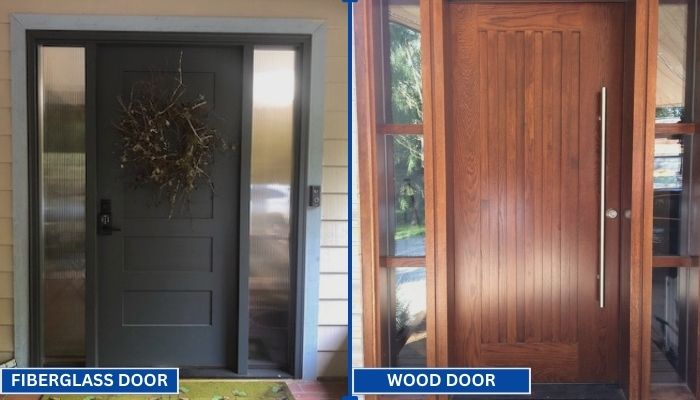
Replacing your front door is a big decision. Wood and fiberglass are two of the most popular materials for entry doors. Each has its own strengths in terms of style, durability, and maintenance. To help you choose the right one for your home, we have to go through a clear comparison.
Read MoreThe growing popularity of Pre Fabricated Houses reflects a shift in modern living. According to a report by MarketsandMarkets, the global prefabricated construction market is projected to reach $303 billion by 2026. This growth is driven by the increasing demand for affordable and efficient housing solutions. Prefabricated houses offer a unique blend of efficiency, cost-effectiveness, and sustainability.
When choosing the right Pre Fabricated House, several factors come into play. Buyers need to consider their specific needs, budget, and design preferences. A survey conducted by McKinsey shows that 70% of home buyers prioritize sustainability in their home choices. This aspect highlights the importance of selecting houses that not only meet immediate needs but also align with long-term environmental goals.
However, not all Prefabricated Houses are created equal. Some may lack the durability or design flexibility that many homeowners desire. It is crucial to do thorough research and consult industry experts before making a decision. By evaluating different suppliers and their offerings, one can avoid the pitfalls of hasty choices. Each step of the selection process can greatly impact satisfaction and long-term value.
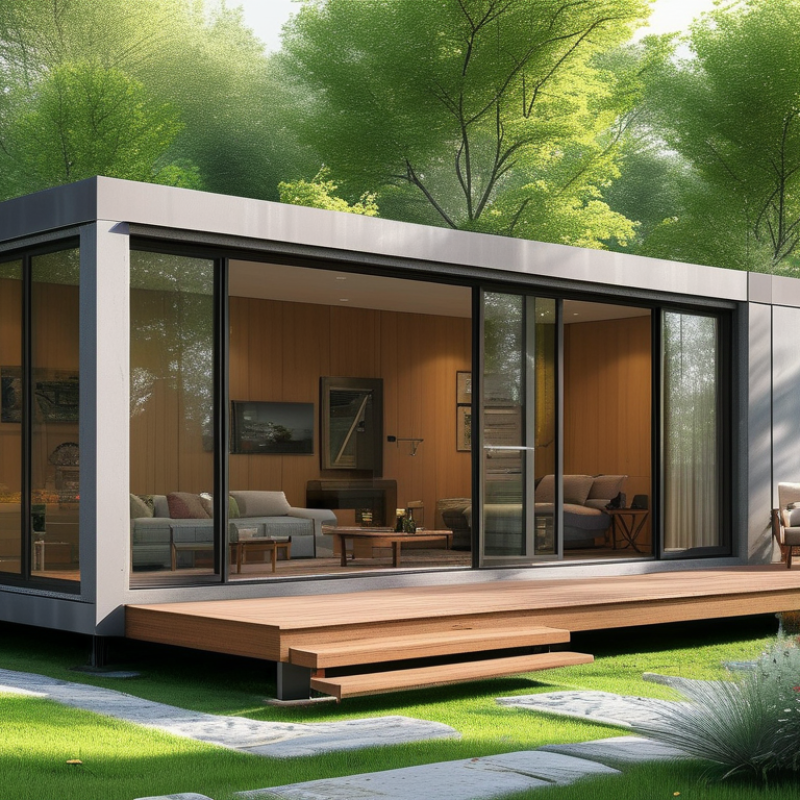
Understanding prefabricated houses can help you make an informed choice for your living space. Prefabricated houses are built in factories and transported to the site. They come in various types, including modular, panelized, and mobile homes. Each type has distinct advantages that cater to different needs and preferences.
One key advantage of prefabricated houses is the speed of construction. These homes can often be assembled in a fraction of the time compared to traditional homes, saving significant time and labor costs. Additionally, many prefabricated homes are designed with energy efficiency in mind. They often incorporate sustainable materials and practices, leading to lower utility bills.
Tip: Consider your climate. Some designs better suit specific weather conditions. Always think about longevity and maintenance needs. Remember, budgeting is crucial. Ensure you account not just for the initial purchase but also for future expenses. Building a prefabricated house can be a rewarding experience. However, it's essential to choose wisely based on your lifestyle and long-term needs.
We’ll Come To You!
Quality New Windows & Doors. Competitively Priced!
Christine R.
Please, enter a valid value