
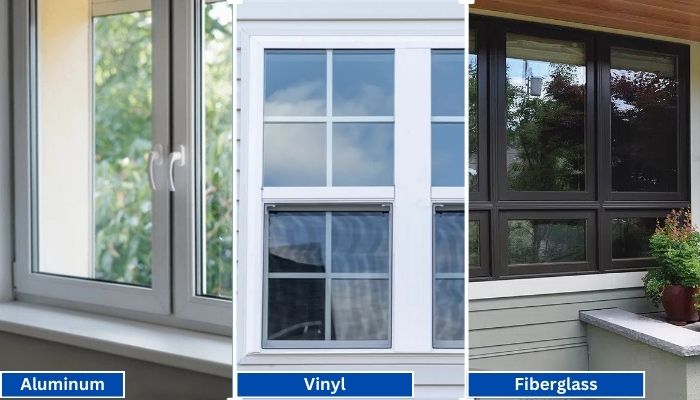
Vinyl generally has the shortest lead times because it is widely produced in standard configurations. Fiberglass is mid-range, especially for factory-painted colors.
Read More
PROUDLY CANADIAN COMPANY OWNED & OPERATED IN TORONTO SINCE 1989!
Vinyl generally has the shortest lead times because it is widely produced in standard configurations. Fiberglass is mid-range, especially for factory-painted colors.
Read More
Vinyl windows have become the go-to choice for homeowners in Toronto, thanks to their durability, energy efficiency, and low maintenance requirements. Whether you're upgrading your home for better insulation or enhancing
Read More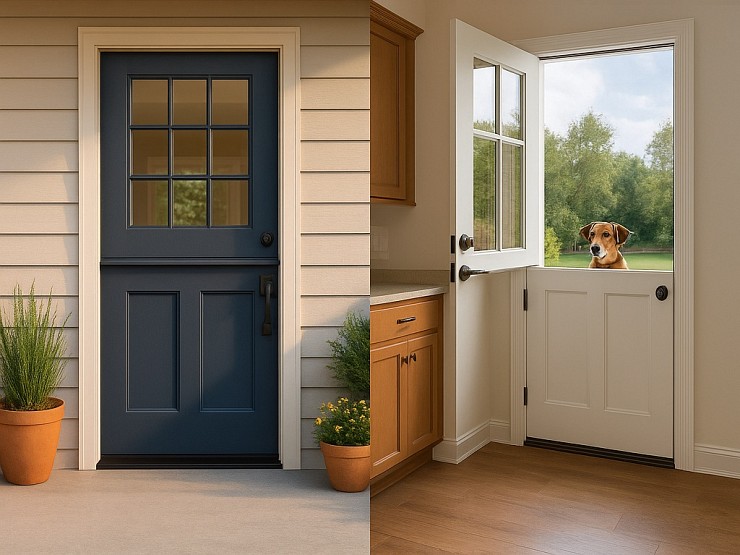
Thinking about changing your front door? A fiberglass Dutch door might have caught your eye. It’s not just a door. It’s part style statement, part smart functionality.
Read More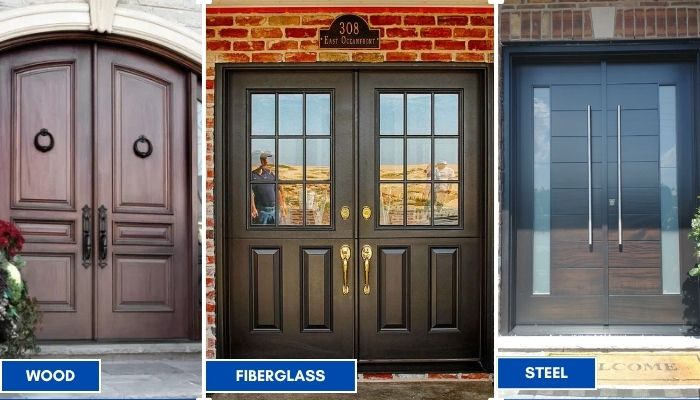
Thinking about replacing your front doors? Double doors are a bold upgrade. They look great, let in more light, and make moving big stuff easier. But the material you choose makes all the difference; especially here in Toronto.
Read More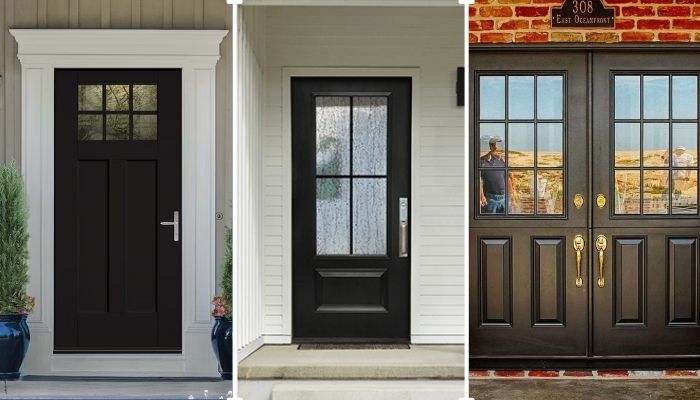
Thinking of giving your home that cozy, farmhouse charm? Let’s talk doors. Specifically, the fiberglass front doors in farmhouse style. You get the rustic look, without the rot, warping, or constant upkeep that comes with wood.
Read More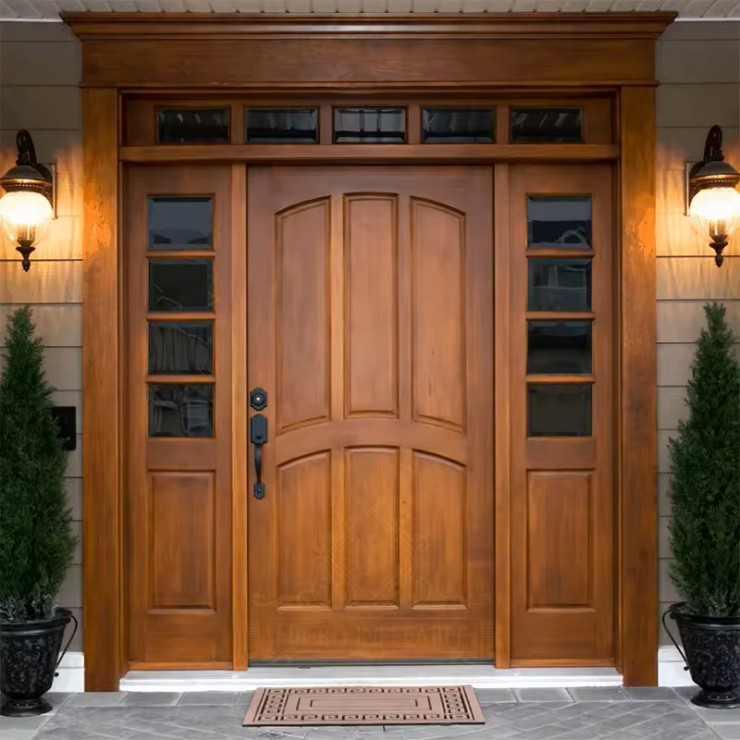
You want something that looks great, lasts long, and doesn’t stress you out with maintenance. You’re not alone. That’s exactly why more and more Toronto homeowners are choosing...
Read More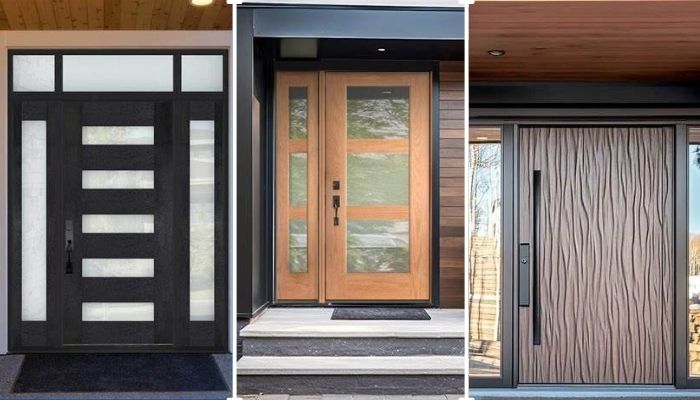
Thinking about replacing your front door? Let’s talk fiberglass. It's one of the smartest upgrades you can make, especially if you're living in Toronto. Whether your current door is drafty, outdated, or just plain boring.
Read More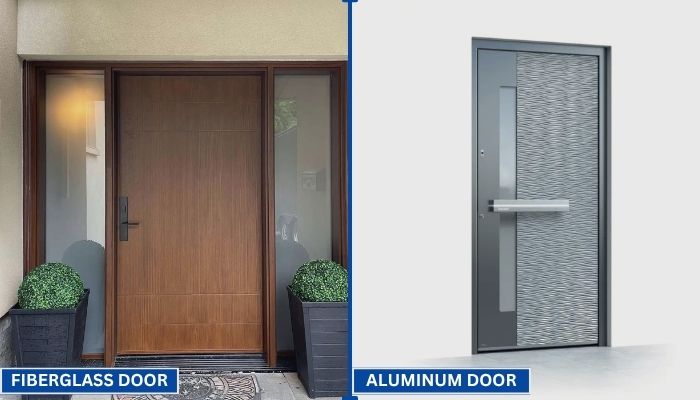
Your front door does more than just open and close. It protects your home, adds curb appeal, and helps control indoor temperature. That’s why picking the right door material matters.
Read More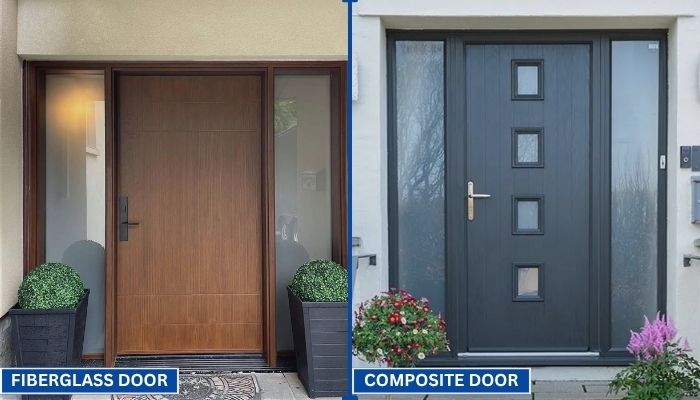
Choosing the right door can be confusing. You want something that looks good, lasts long, and keeps your home secure. Two of the most popular options today are fiberglass and composite doors.
Read More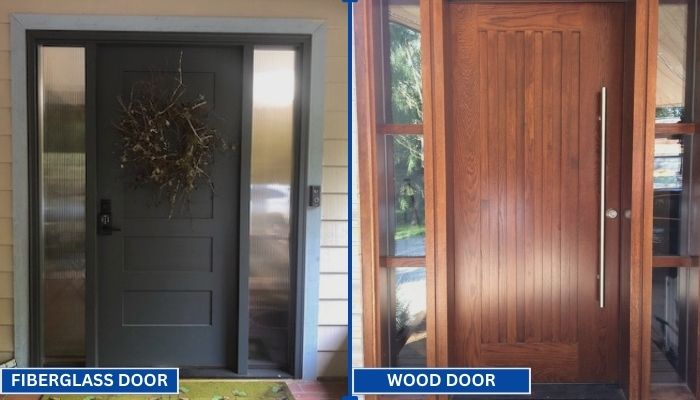
Replacing your front door is a big decision. Wood and fiberglass are two of the most popular materials for entry doors. Each has its own strengths in terms of style, durability, and maintenance. To help you choose the right one for your home, we have to go through a clear comparison.
Read MoreChoosing Color Coated Coil for a global project is not simply a matter of matching a color chart. The correct decision depends on climate, building use, forming requirements, transport conditions, and expected service life. A coastal warehouse in Singapore faces humid salt air. A factory in Dubai faces intense sunlight, heat, and dust. One specification cannot serve every location equally well.
Dr. H. K. D. H. Bhadeshia, a respected steel metallurgy authority, has stated, “Steel selection is a service-life decision, not merely a purchasing decision.” This principle also applies to coated steel. The buyer should examine the substrate grade, zinc or metallic coating mass, paint system, film thickness, gloss retention, and corrosion resistance. PVDF may suit demanding exterior façades, while SMP can provide a practical balance for many industrial buildings. The choice must follow the exposure, not a sales brochure.
Details matter. Check the minimum forming radius before production. Confirm whether the coil will be roll-formed, cut, or bent on site. Review test reports, batch traceability, color tolerance, packaging, and edge protection. A damaged edge can become a small but costly failure point. Salt spray results alone may not predict long-term outdoor performance.
There is no perfect specification. We may still underestimate local weather or installation quality. That is why project teams should compare supplier data with actual site experience. A reliable Color Coated Coil decision connects laboratory evidence, engineering judgment, and honest discussion of uncertainty. That approach reduces repainting, material waste, and unpleasant surprises after installation.
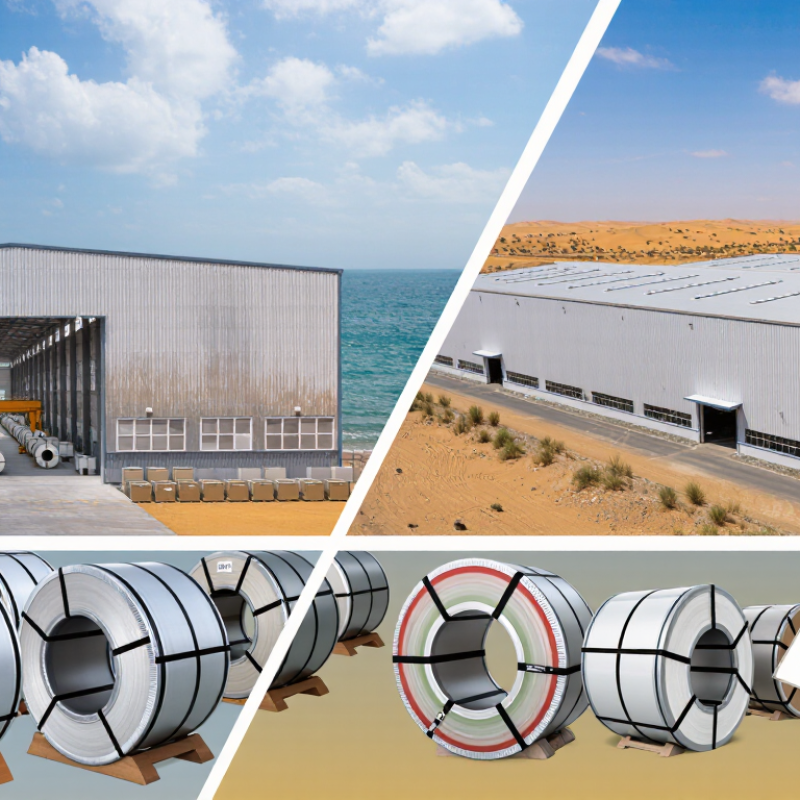
How to Choose Color Coated Coil for Global Projects?
Color coated coil is steel or aluminum coated with a protective layer and colored finish. The process usually includes cleaning, chemical treatment, primer, and topcoat application. This layered structure supports both appearance and corrosion resistance. It also makes the material easier to form into roofing panels, wall cladding, doors, and industrial components.
Its performance depends on more than color. Engineers should check the metal substrate, coating thickness, paint type, gloss level, and forming requirements. A coastal warehouse may need stronger resistance to salt and humidity. A building in a hot region may require a finish that limits solar heat absorption. In cold areas, repeated freezing can expose weak edges and cut surfaces. Small details matter.
Project teams should request technical data, test reports, and samples before ordering large quantities. Visual color can change under different lighting, so a digital image is not enough. Packaging also deserves attention during long-distance transport. Moisture trapped between coils may create staining or early corrosion. That risk is easy to underestimate. No coating suits every climate. Even a carefully selected coil can fail when storage is careless or installation damages the surface. Specifications should be reviewed with local building requirements and real site conditions, not copied from an earlier project.
What Color Coated Coil Is and Why It Matters in Global Projects
| Selection Dimension | Typical Options | Common Technical Range or Requirement | Project Impact | Recommended Use |
|---|---|---|---|---|
| Base Metal | Hot-dip galvanized steel; aluminum-zinc coated steel; zinc-aluminum-magnesium coated steel | Metallic coating mass is commonly specified in g/m² and selected according to corrosion exposure and forming requirements | Determines corrosion resistance, edge protection, forming behavior, and compatibility with local standards | Use galvanized steel for widely standardized construction applications; consider alloy-coated substrates for demanding exposure or improved edge protection |
| Steel Grade and Yield Strength | Forming grade; structural grade; high-strength grade | Typical yield-strength ranges are approximately 140–280 MPa for forming grades and 280–550 MPa for many structural or high-strength grades | Affects load capacity, minimum bend radius, springback, roll-forming settings, and risk of cracking | Select the lowest strength that meets structural calculations when extensive forming is required |
| Steel Thickness | Light-gauge; medium-gauge; heavy-gauge | Common pre-painted coil thicknesses are approximately 0.30–1.20 mm, depending on the application and specification | Controls panel stiffness, span capability, dead load, handling, and material consumption | Verify thickness against structural design, profile geometry, fastener requirements, and local building codes |
| Coil Width | Slit coil; standard-width coil; custom-width coil | Typical construction supply widths range from approximately 600–1,250 mm, while wider or narrower widths may be available for specific lines | Influences yield, slitting waste, roll-forming efficiency, container utilization, and installation layout | Match coil width to the finished profile and allow for side-trim and dimensional tolerances |
| Primer System | Epoxy primer; polyester-compatible primer; corrosion-inhibiting primer | Primer thickness is often specified separately and may commonly be around 5–10 μm, subject to the coating system | Supports adhesion, corrosion protection, forming performance, and compatibility between substrate and topcoat | Choose the primer according to exposure category, forming severity, and the selected topcoat chemistry |
| Topcoat Chemistry | Standard polyester; silicone-modified polyester; polyurethane; polyvinylidene fluoride-based coating | Total organic coating thickness commonly falls within approximately 15–35 μm, depending on the system and service requirement | Affects color retention, chalking resistance, flexibility, scratch resistance, chemical resistance, and expected maintenance interval | Use standard polyester for general building applications; select higher-performance systems for severe ultraviolet, coastal, or chemical exposure |
| Coating Gloss | Low gloss; medium gloss; high gloss; matte finish | Gloss is normally measured at a defined angle, commonly 60°, using a recognized test method | Influences appearance, glare, perceived surface texture, and the visibility of minor surface imperfections | Specify the measurement angle and tolerance instead of relying only on terms such as “shiny” or “matte” |
| Color Control | Standard color reference; project-specific color; multi-coil color matching | Define color using an approved physical sample or an objective color measurement system such as CIELAB with agreed tolerances | Reduces visible variation between production lots, building elevations, replacement panels, and international shipments | Approve a master sample before production and specify inspection conditions, viewing angle, and allowable variation |
| Exposure Environment | Rural; urban; industrial; coastal; high-UV; high-humidity | Classify the environment using a recognized corrosion classification approach, such as ISO 12944, where applicable | Determines the required metallic coating, paint system, edge protection, detailing, and inspection frequency | Use a higher-performance system for salt spray, persistent condensation, industrial pollutants, or strong solar exposure |
| Forming Requirement | Simple bending; roll forming; deep forming; tight-radius forming | Specify minimum internal bend radius relative to sheet thickness; the exact limit depends on grade, coating system, and forming direction | Affects cracking, delamination, exposed metal at bends, dimensional accuracy, and production speed | Request forming test data for tight profiles and confirm whether the visible side must be formed over the inside or outside radius |
| Application | Roofing; wall cladding; sandwich panels; ceiling systems; doors; architectural flashings | Requirements vary for exposed surfaces, concealed surfaces, cut edges, fire performance, acoustic design, and structural loading | Defines the required thickness, strength, coating durability, profile geometry, and installation method | Select the coil only after confirming the complete panel or component design, not from color alone |
| Applicable Standard | ASTM-based; EN-based; ISO-based; regional construction specification | Common references include EN 10169 for continuously organic-coated steel, EN 10346 for continuously hot-dip coated steel, and ASTM A755/A755M for prepainted steel sheet | Ensures that coating mass, mechanical properties, dimensional tolerances, testing, and documentation are comparable across markets | State the governing standard, edition, testing method, and acceptance criteria in the purchase specification |
| Surface Protection During Transport | Removable protective film; moisture-resistant wrapping; edge protection; export packaging | Packaging should prevent water ingress, abrasion, coil movement, and condensation-related storage staining | Reduces transit damage, white rust, surface scratches, and claims caused by long-distance or multimodal shipment | Define packaging, lifting points, storage orientation, maximum storage period, and film-removal requirements |
| Quality Documentation | Mill test certificate; coating test report; dimensional inspection; color and gloss record | Documentation should identify grade, thickness, width, coating mass, paint system, batch or coil number, test results, and applicable standard | Supports customs clearance, traceability, project approval, incoming inspection, and warranty evaluation | Require document review before shipment and retain samples or records for multi-phase global projects |
We’ll Come To You!
Quality New Windows & Doors. Competitively Priced!
Christine R.
Please, enter a valid value