
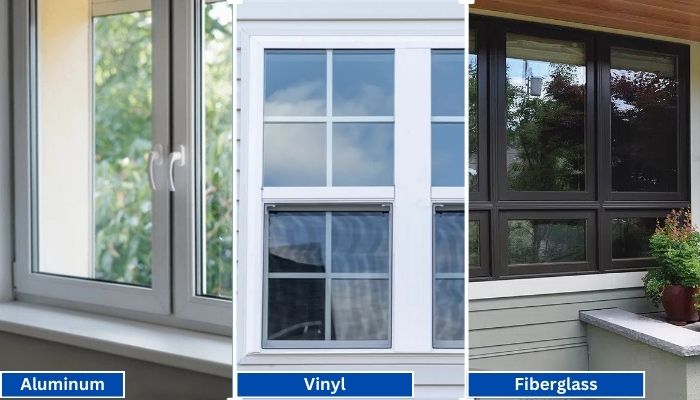
Vinyl generally has the shortest lead times because it is widely produced in standard configurations. Fiberglass is mid-range, especially for factory-painted colors.
Read More
PROUDLY CANADIAN COMPANY OWNED & OPERATED IN TORONTO SINCE 1989!
Vinyl generally has the shortest lead times because it is widely produced in standard configurations. Fiberglass is mid-range, especially for factory-painted colors.
Read More
Vinyl windows have become the go-to choice for homeowners in Toronto, thanks to their durability, energy efficiency, and low maintenance requirements. Whether you're upgrading your home for better insulation or enhancing
Read More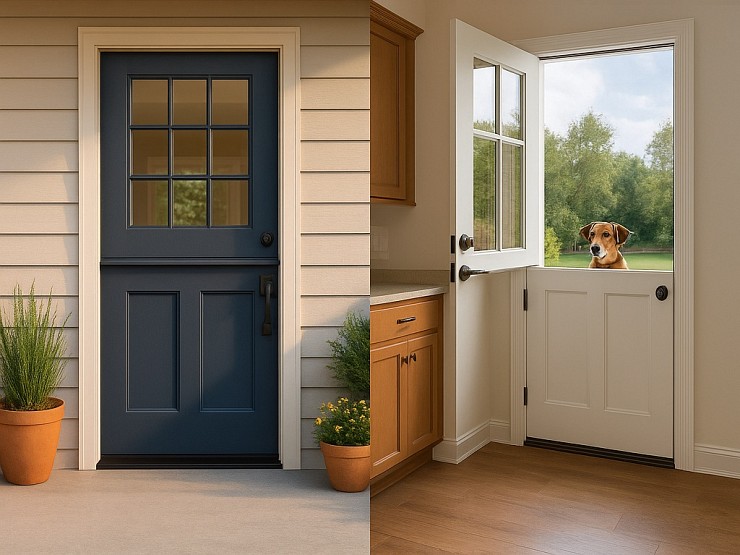
Thinking about changing your front door? A fiberglass Dutch door might have caught your eye. It’s not just a door. It’s part style statement, part smart functionality.
Read More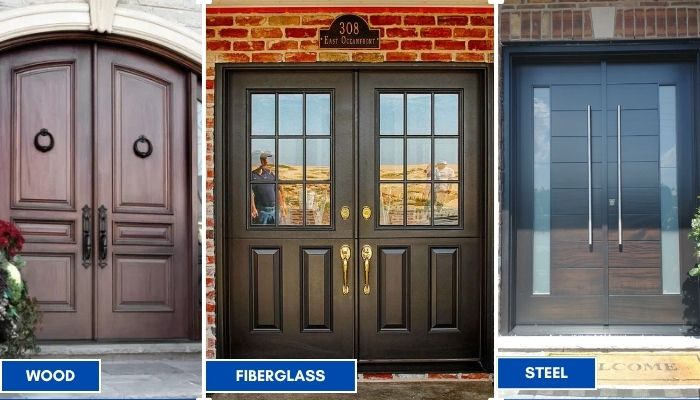
Thinking about replacing your front doors? Double doors are a bold upgrade. They look great, let in more light, and make moving big stuff easier. But the material you choose makes all the difference; especially here in Toronto.
Read More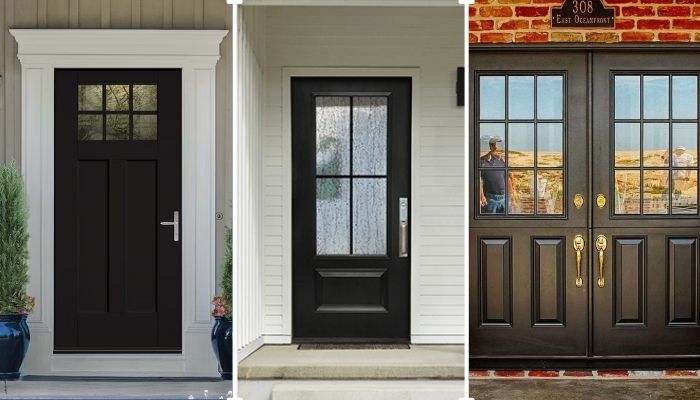
Thinking of giving your home that cozy, farmhouse charm? Let’s talk doors. Specifically, the fiberglass front doors in farmhouse style. You get the rustic look, without the rot, warping, or constant upkeep that comes with wood.
Read More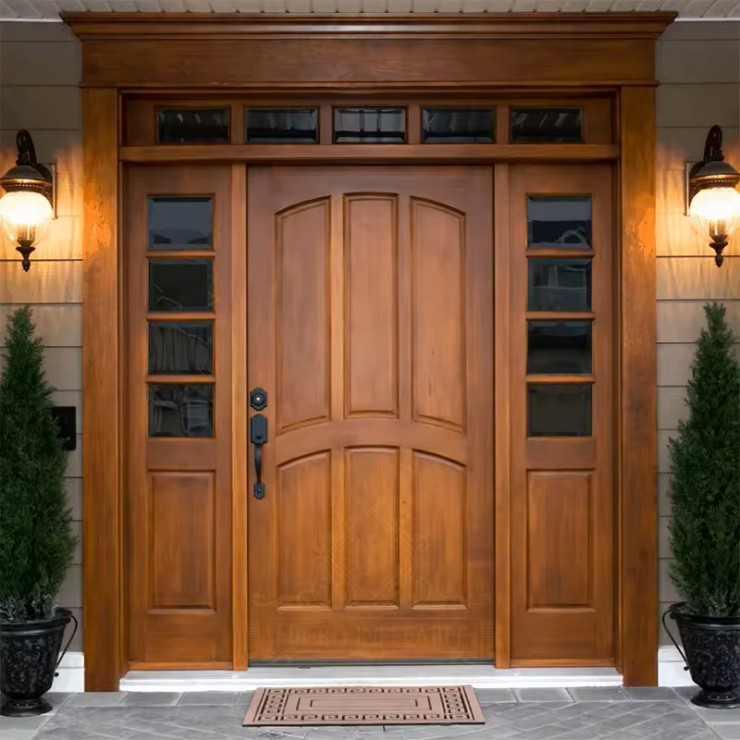
You want something that looks great, lasts long, and doesn’t stress you out with maintenance. You’re not alone. That’s exactly why more and more Toronto homeowners are choosing...
Read More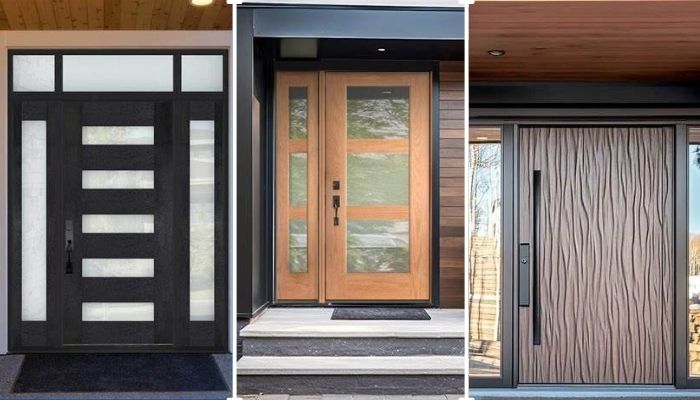
Thinking about replacing your front door? Let’s talk fiberglass. It's one of the smartest upgrades you can make, especially if you're living in Toronto. Whether your current door is drafty, outdated, or just plain boring.
Read More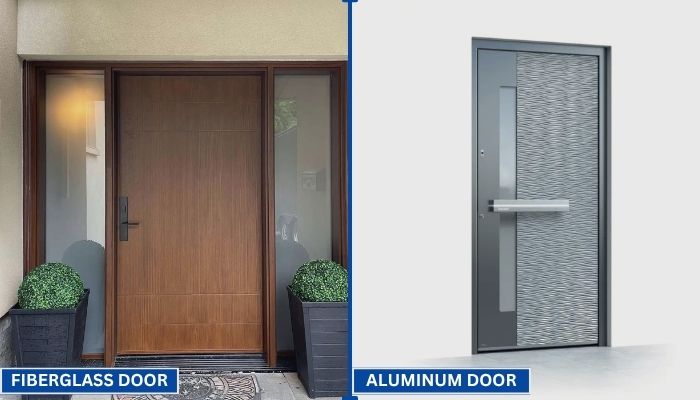
Your front door does more than just open and close. It protects your home, adds curb appeal, and helps control indoor temperature. That’s why picking the right door material matters.
Read More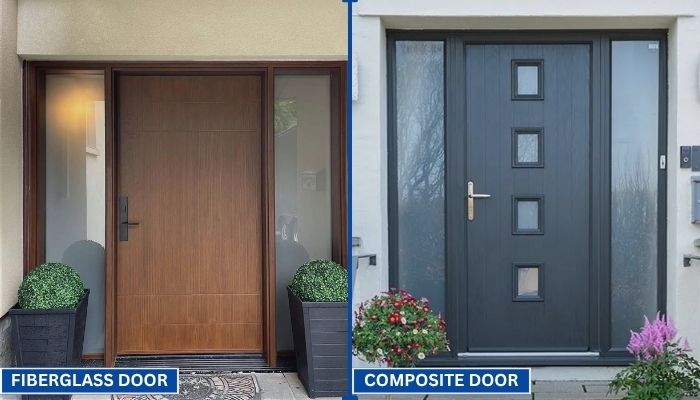
Choosing the right door can be confusing. You want something that looks good, lasts long, and keeps your home secure. Two of the most popular options today are fiberglass and composite doors.
Read More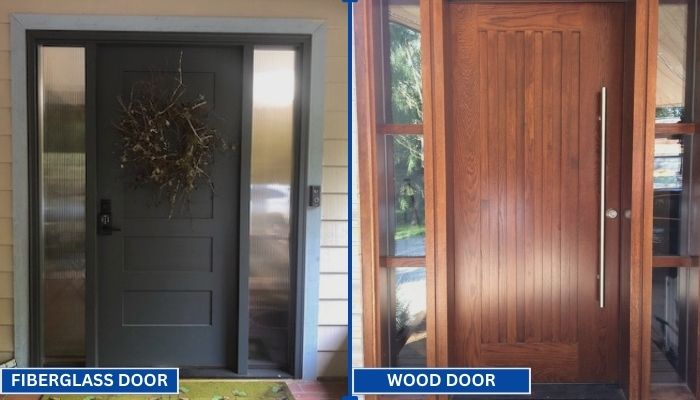
Replacing your front door is a big decision. Wood and fiberglass are two of the most popular materials for entry doors. Each has its own strengths in terms of style, durability, and maintenance. To help you choose the right one for your home, we have to go through a clear comparison.
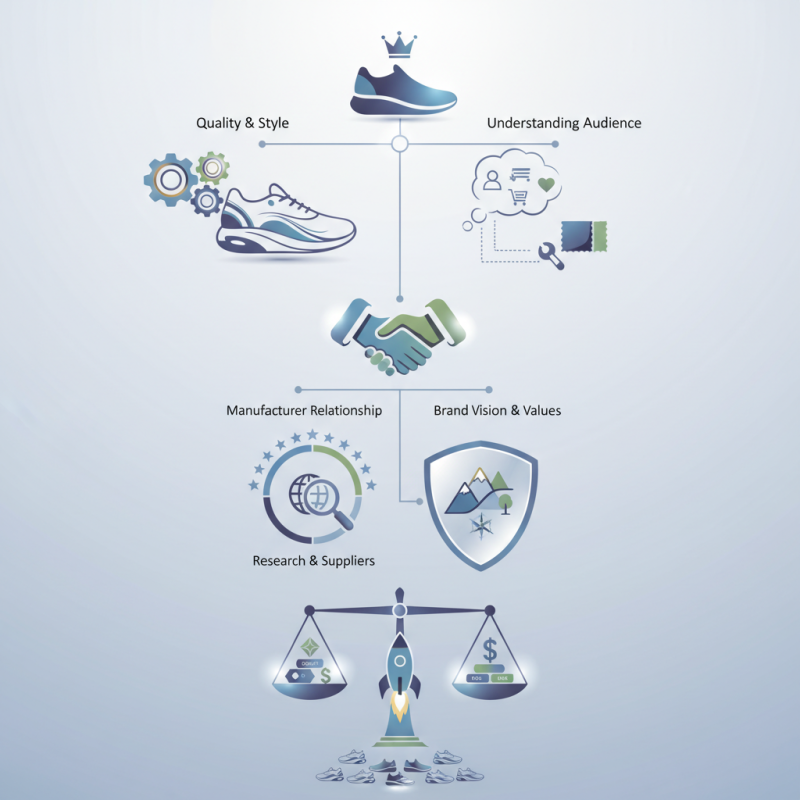
Read MoreChoosing the right Custom Private Label Shoes for your brand is crucial. The footwear industry is competitive. It is important to stand out in this market. Selecting the right shoes can impact your brand's image significantly. Quality and style can attract customers. However, it’s not just about aesthetics.
Understanding your audience is essential. Consider their needs and preferences. This influences your choice of materials and design. A strong relationship with manufacturers is vital. Poor communication could lead to unsatisfactory results. Your experience in the footwear market matters. Take your time to research potential suppliers. Look for those with a solid reputation.
Reflection is necessary when making decisions. Think about your brand’s vision and values. Are the shoes you choose aligned with your mission? Custom Private Label Shoes should represent what your brand stands for. Balancing quality, style, and price can be tricky. It requires careful thought and consideration. In the end, the right choice can elevate your brand in a crowded marketplace.
Choosing custom private label shoes for your brand involves understanding key concepts and market trends. Custom shoes allow brands to express identity while meeting customer demands. Quality materials and unique designs can set a product apart. However, not every design will resonate with the audience. Researching customer preferences is essential.
When considering materials, select those that provide durability and comfort. Many companies offer various options, but price and quality can differ greatly. Some brands may focus too much on aesthetics, neglecting functionality. It’s vital to strike a balance between style and wearability.
Production processes vary among suppliers. Some artisans focus on making handcrafted shoes, while others use mass production methods. Exploring these differences can help determine the best fit for your brand. Testing samples before committing is a common practice. This stage is often overlooked, yet it can reveal flaws in design or materials.
Effective collaboration with manufacturers is crucial for achieving the desired outcome. Each step in this process requires thoughtful consideration and, sometimes, adjustments along the way.
We’ll Come To You!
Quality New Windows & Doors. Competitively Priced!
Christine R.
Please, enter a valid value