
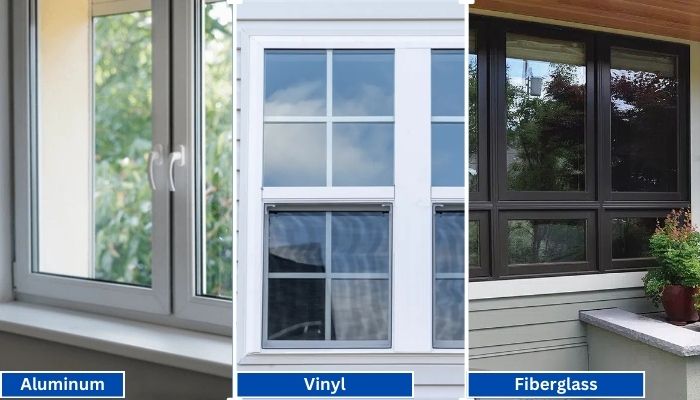
Vinyl generally has the shortest lead times because it is widely produced in standard configurations. Fiberglass is mid-range, especially for factory-painted colors.
Read More
PROUDLY CANADIAN COMPANY OWNED & OPERATED IN TORONTO SINCE 1989!
Vinyl generally has the shortest lead times because it is widely produced in standard configurations. Fiberglass is mid-range, especially for factory-painted colors.
Read More
Vinyl windows have become the go-to choice for homeowners in Toronto, thanks to their durability, energy efficiency, and low maintenance requirements. Whether you're upgrading your home for better insulation or enhancing
Read More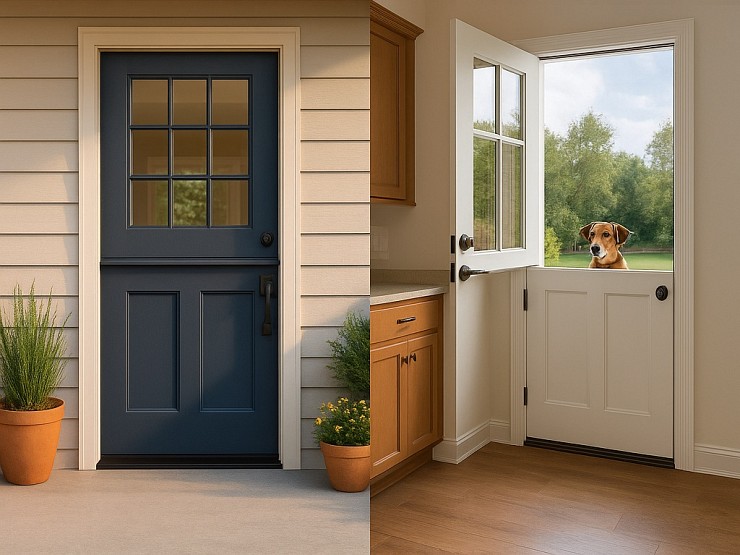
Thinking about changing your front door? A fiberglass Dutch door might have caught your eye. It’s not just a door. It’s part style statement, part smart functionality.
Read More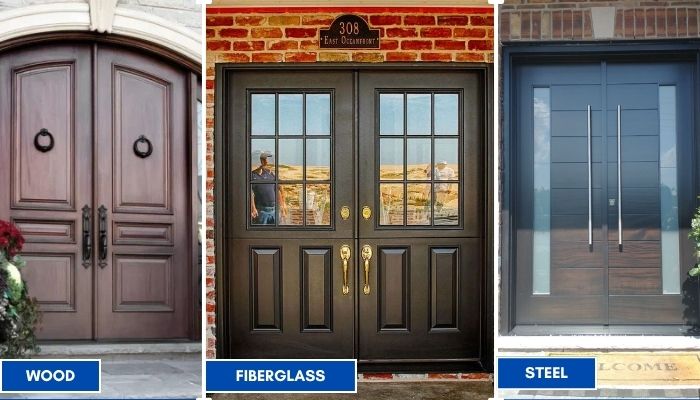
Thinking about replacing your front doors? Double doors are a bold upgrade. They look great, let in more light, and make moving big stuff easier. But the material you choose makes all the difference; especially here in Toronto.
Read More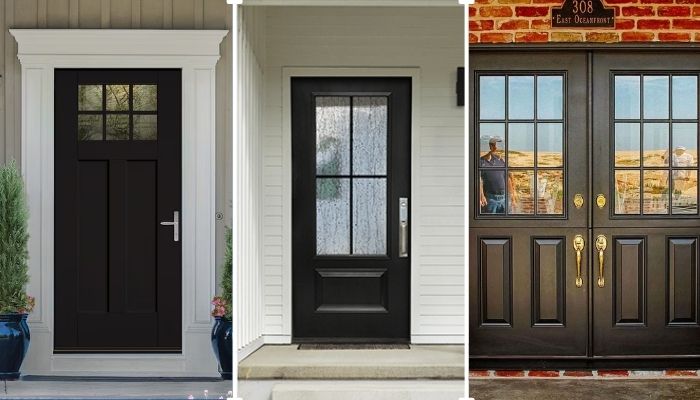
Thinking of giving your home that cozy, farmhouse charm? Let’s talk doors. Specifically, the fiberglass front doors in farmhouse style. You get the rustic look, without the rot, warping, or constant upkeep that comes with wood.
Read More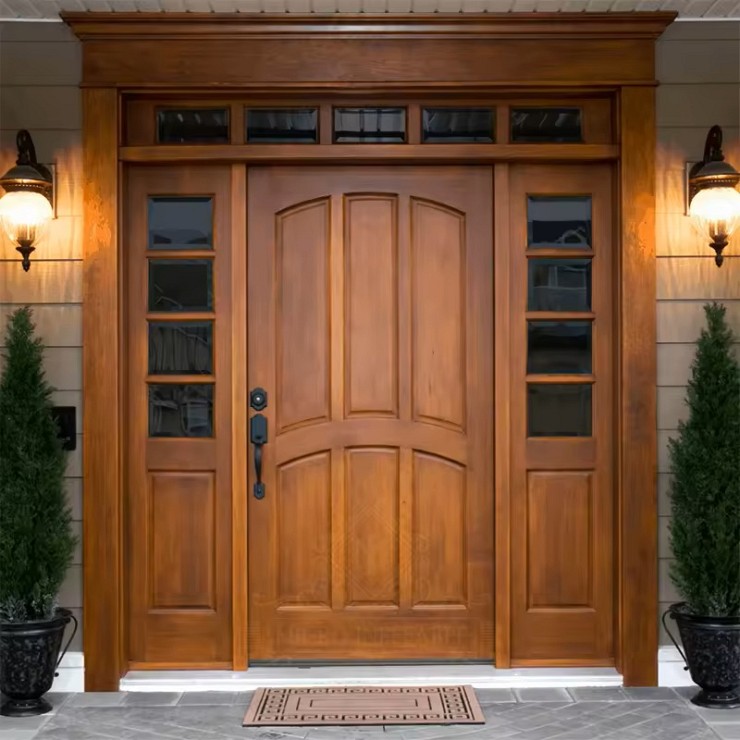
You want something that looks great, lasts long, and doesn’t stress you out with maintenance. You’re not alone. That’s exactly why more and more Toronto homeowners are choosing...
Read More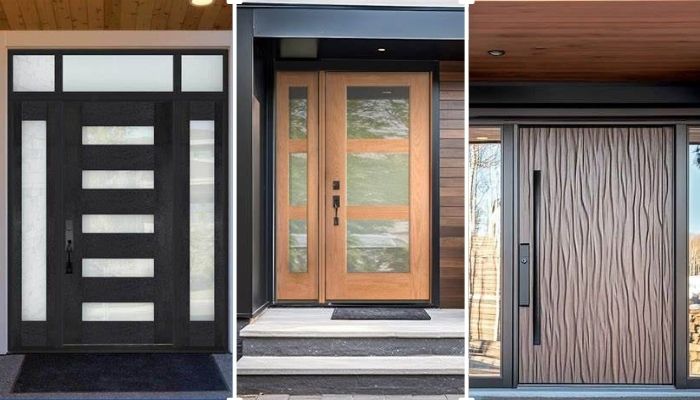
Thinking about replacing your front door? Let’s talk fiberglass. It's one of the smartest upgrades you can make, especially if you're living in Toronto. Whether your current door is drafty, outdated, or just plain boring.
Read More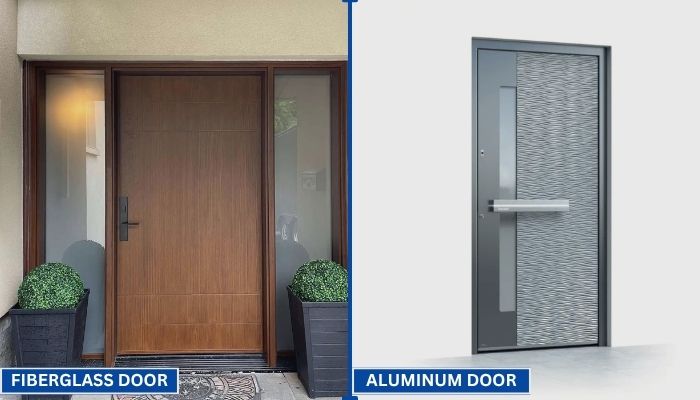
Your front door does more than just open and close. It protects your home, adds curb appeal, and helps control indoor temperature. That’s why picking the right door material matters.
Read More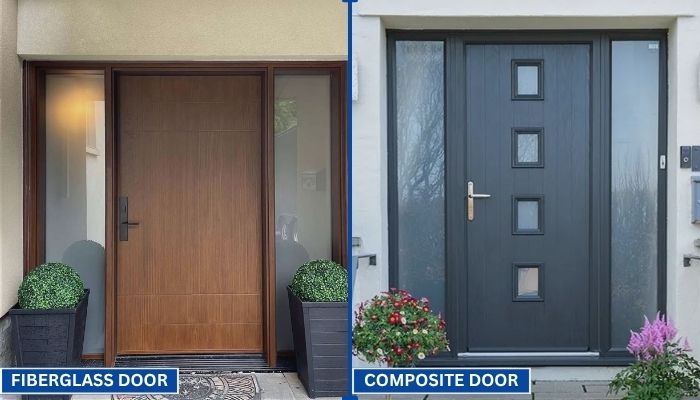
Choosing the right door can be confusing. You want something that looks good, lasts long, and keeps your home secure. Two of the most popular options today are fiberglass and composite doors.
Read More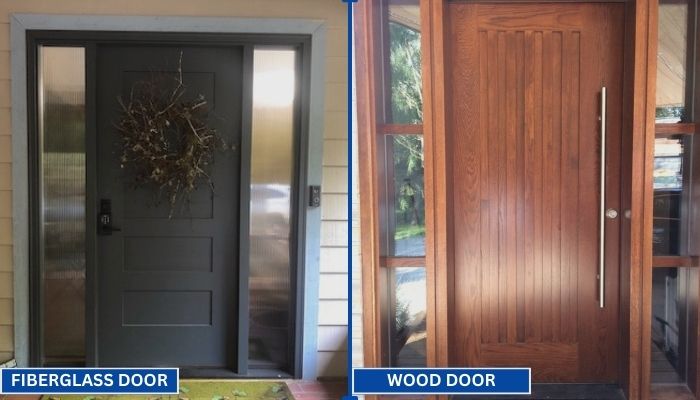
Replacing your front door is a big decision. Wood and fiberglass are two of the most popular materials for entry doors. Each has its own strengths in terms of style, durability, and maintenance. To help you choose the right one for your home, we have to go through a clear comparison.
Read MoreChoosing a Frp Rectangular Tube in 2026 means matching the profile to the job, not picking the lowest quote. A tube supporting a rooftop walkway faces different demands from one used in a light equipment frame. Loads, span, exposure, and connection details all matter. Get those basics wrong, and even a well-made profile may disappoint.
Begin with dimensions and design loads. Then compare wall thickness, fiber orientation, resin type, and manufacturing quality. These details affect stiffness, weight, corrosion resistance, and how reliably the tube can be drilled or joined. Ask suppliers for current technical data, tolerances, and test information that applies to the specific profile. General claims are not enough. A 50-by-100-millimeter section, for example, can behave differently when its wall thickness or support spacing changes. Check the actual drawings.
The material also needs to suit its environment. Consider ultraviolet exposure, moisture, chemicals, temperature changes, and expected maintenance. For structural use, have a qualified engineer review calculations, supports, and connections against the project requirements. Compare lifecycle costs, too; purchase price alone can be misleading. No single tube fits every application. And supplier data can leave gaps. That is worth questioning, not ignoring. This guide explains the checks that help buyers compare options clearly, ask better questions, and choose a profile with evidence behind it—not just a persuasive product description.
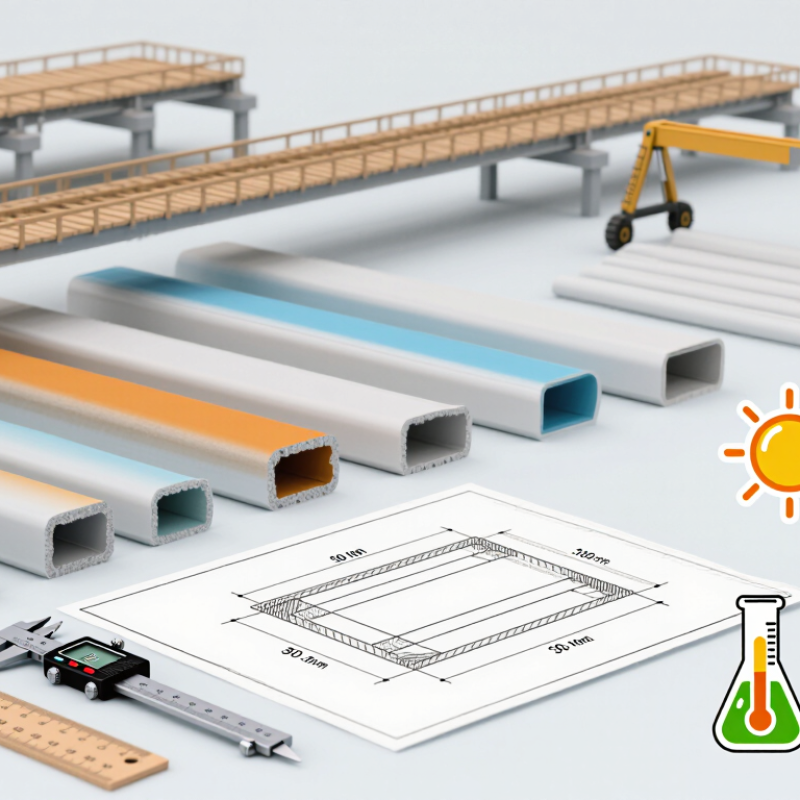
Before comparing FRP rectangular tubes, define what the member must do. Is it a handrail post, equipment frame, platform beam, or cable tray support? Each use creates different loads and support conditions. Note the clear span, load direction, and whether forces are steady, moving, or occasional. Small details matter.
A 100-by-50-millimeter tube can behave differently when its wide face is oriented vertically. Dimensions alone do not confirm suitability. Check the required strength and allowable deflection, then compare them with verified section properties and test data. A beam may carry the load yet flex enough to cause problems. That is easy to overlook.
Describe the environment, too. Outdoor sunlight, standing water, salt spray, cleaning chemicals, and temperature changes can affect service life. Record likely exposure instead of relying on a vague “weather-resistant” label. Connections deserve equal attention: bolt locations, hole sizes, bearing areas, and local crushing can govern performance. Ask for relevant material data, installation guidance, and any limits on cutting or drilling. When loads, spans, or consequences of failure are uncertain, have a qualified structural professional review the assumptions. A tidy spreadsheet is not the structure.
We’ll Come To You!
Quality New Windows & Doors. Competitively Priced!
Christine R.
Please, enter a valid value