
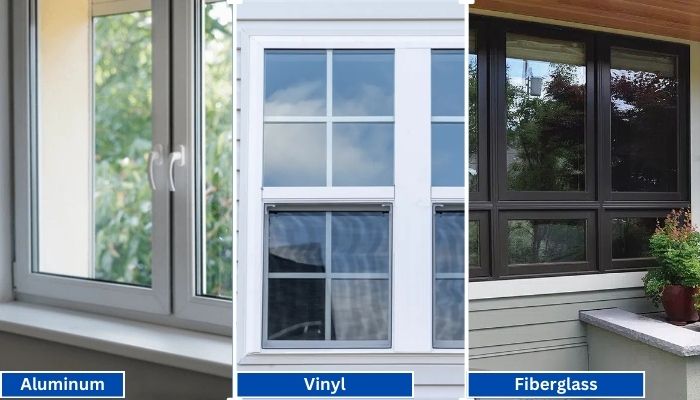
Vinyl generally has the shortest lead times because it is widely produced in standard configurations. Fiberglass is mid-range, especially for factory-painted colors.
Read More
PROUDLY CANADIAN COMPANY OWNED & OPERATED IN TORONTO SINCE 1989!
Vinyl generally has the shortest lead times because it is widely produced in standard configurations. Fiberglass is mid-range, especially for factory-painted colors.
Read More
Vinyl windows have become the go-to choice for homeowners in Toronto, thanks to their durability, energy efficiency, and low maintenance requirements. Whether you're upgrading your home for better insulation or enhancing
Read More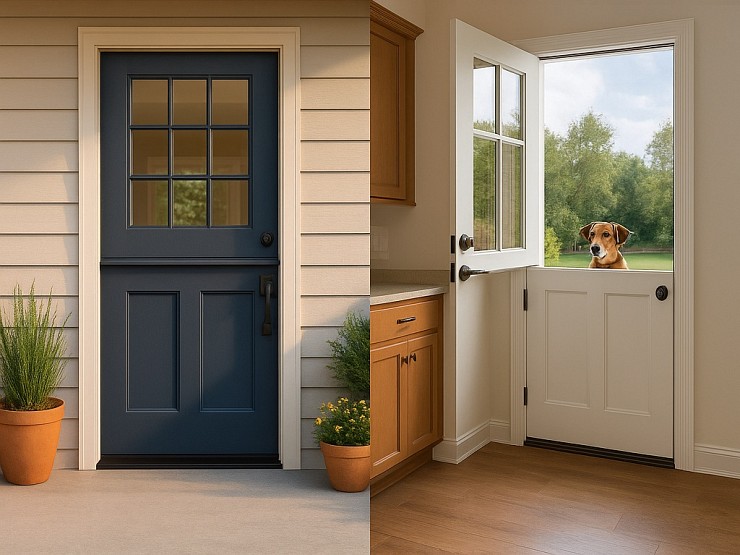
Thinking about changing your front door? A fiberglass Dutch door might have caught your eye. It’s not just a door. It’s part style statement, part smart functionality.
Read More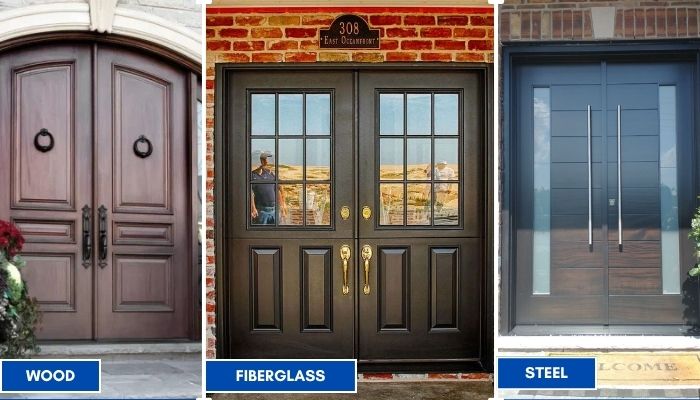
Thinking about replacing your front doors? Double doors are a bold upgrade. They look great, let in more light, and make moving big stuff easier. But the material you choose makes all the difference; especially here in Toronto.
Read More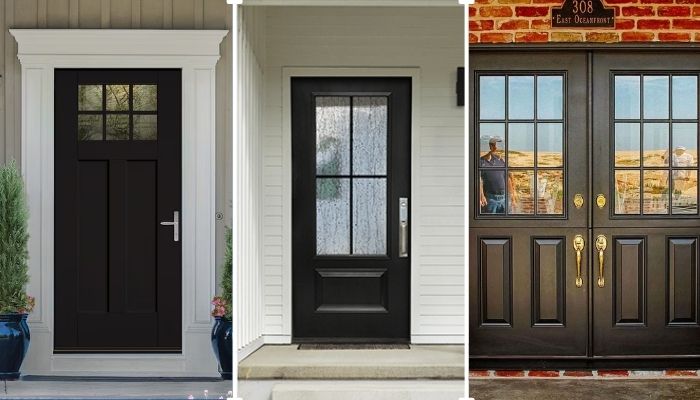
Thinking of giving your home that cozy, farmhouse charm? Let’s talk doors. Specifically, the fiberglass front doors in farmhouse style. You get the rustic look, without the rot, warping, or constant upkeep that comes with wood.
Read More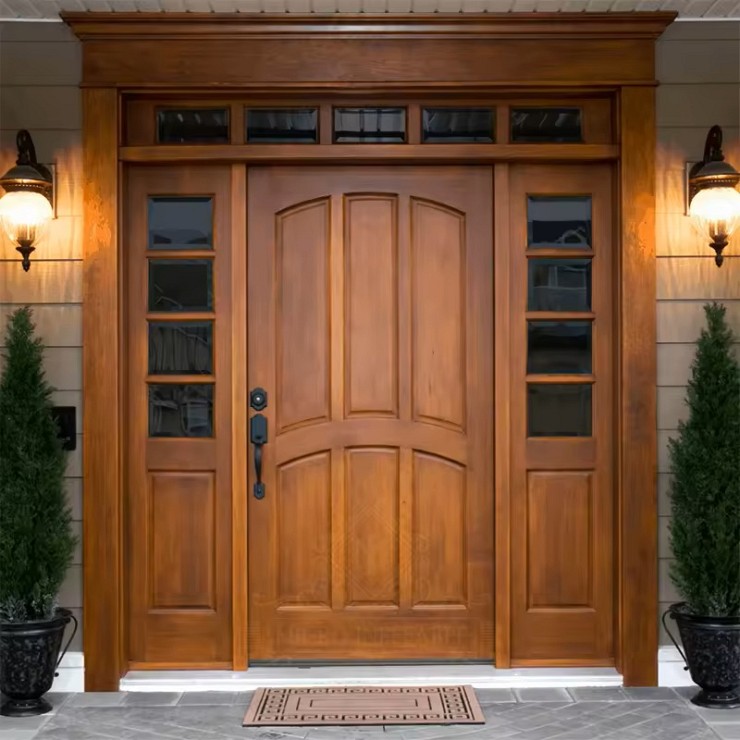
You want something that looks great, lasts long, and doesn’t stress you out with maintenance. You’re not alone. That’s exactly why more and more Toronto homeowners are choosing...
Read More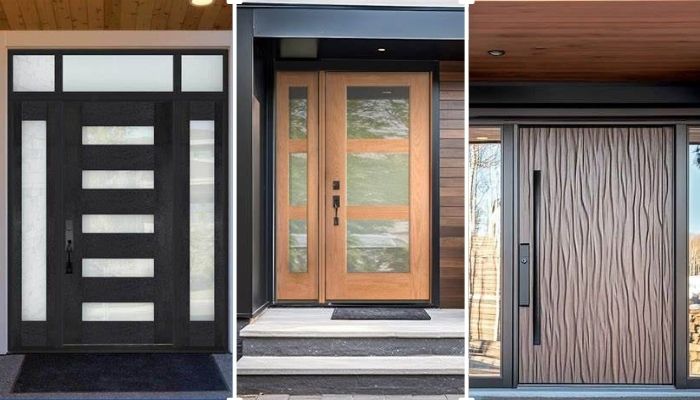
Thinking about replacing your front door? Let’s talk fiberglass. It's one of the smartest upgrades you can make, especially if you're living in Toronto. Whether your current door is drafty, outdated, or just plain boring.
Read More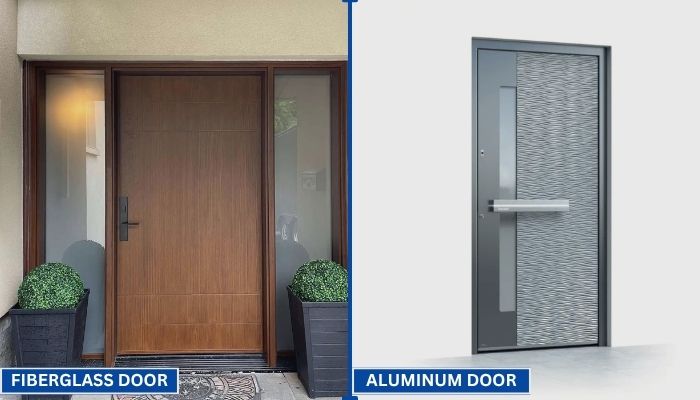
Your front door does more than just open and close. It protects your home, adds curb appeal, and helps control indoor temperature. That’s why picking the right door material matters.
Read More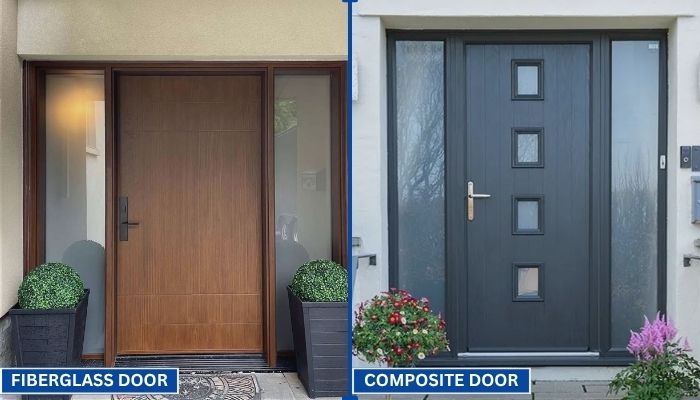
Choosing the right door can be confusing. You want something that looks good, lasts long, and keeps your home secure. Two of the most popular options today are fiberglass and composite doors.
Read More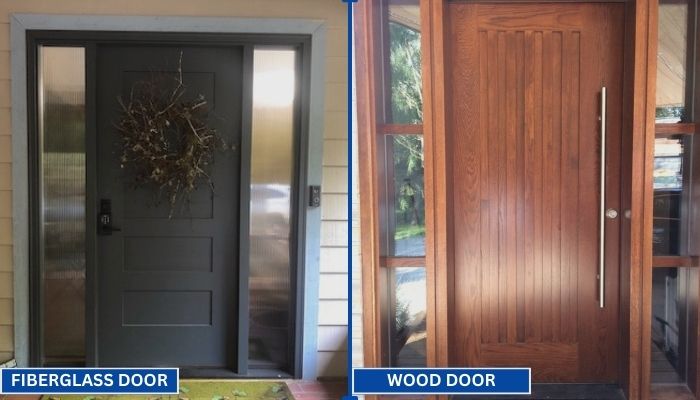
Replacing your front door is a big decision. Wood and fiberglass are two of the most popular materials for entry doors. Each has its own strengths in terms of style, durability, and maintenance. To help you choose the right one for your home, we have to go through a clear comparison.
Read MoreChoosing Hotel Electronic Locks in 2026 is no longer a simple hardware decision. It affects guest safety, staff efficiency, energy use, and the hotel’s daily reputation.
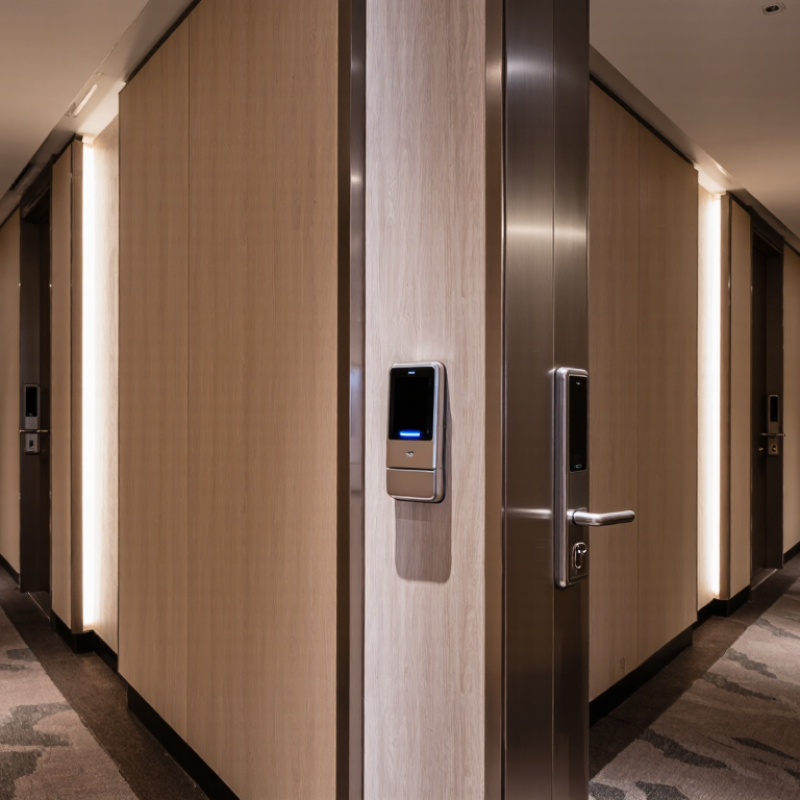
A guest may notice only a small card reader beside the room door. Behind it, however, the system must manage access permissions, audit trails, emergency procedures, battery alerts, and integration with the property management system. A busy hotel cannot afford locks that fail during check-in peaks. It also cannot rely on impressive specifications alone.
Robert E. McCrie, a recognized hotel security author and consultant, has emphasized, “Security must support hospitality, not obstruct it.” This principle remains practical. The best lock should protect guests without creating a cold, complicated experience. It should unlock quickly, report problems clearly, and remain usable when technology behaves imperfectly.
This guide examines the details that purchasing teams often overlook. These include credential security, mobile access, offline operation, installation conditions, maintenance support, and total ownership cost. A cheaper lock may require more battery changes, software work, or emergency visits. That hidden cost matters.
There is no universal winner. A luxury resort, budget hotel, and serviced apartment may need different solutions. Even attractive mobile-key systems deserve careful testing. Guests may have weak phone batteries, poor network coverage, or limited technical confidence.
The right decision begins with real hotel conditions. Walk through the guest journey. Test the lock with wet hands, low batteries, and rushed staff. Some assumptions will fail. That is useful.
How to Choose Hotel Electronic Locks in 2026?
Choosing hotel electronic locks starts with the property’s real operating needs. During hotel assessments, I begin with room count, not the lock catalog. A 40-room inn may need simple administration and low maintenance. A 400-room hotel needs stronger access management and clearer staff permissions. Count guest rooms, service doors, storage areas, and emergency exits separately. This detail is often missed.
Door type also affects the decision. Wooden guest-room doors may support common electronic lock designs, while glass, sliding, or unusually thick doors require different hardware. Measure door thickness, frame clearance, hinge position, and existing cutouts before ordering. Then map the guest access workflow from reservation to checkout. Guests may receive mobile credentials, keycards, or temporary codes. Housekeeping and maintenance need limited access during assigned hours. Managers should review access logs without slowing front-desk operations. Keep a mechanical or approved emergency fallback where required.
Tips: Test one floor first. Invite housekeeping staff to try the workflow. Check battery alerts, audit records, and lock response during busy periods. Do not assume every door behaves alike. I have seen technically sound systems fail because staff training was rushed. That deserves honest review.
We’ll Come To You!
Quality New Windows & Doors. Competitively Priced!
Christine R.
Please, enter a valid value