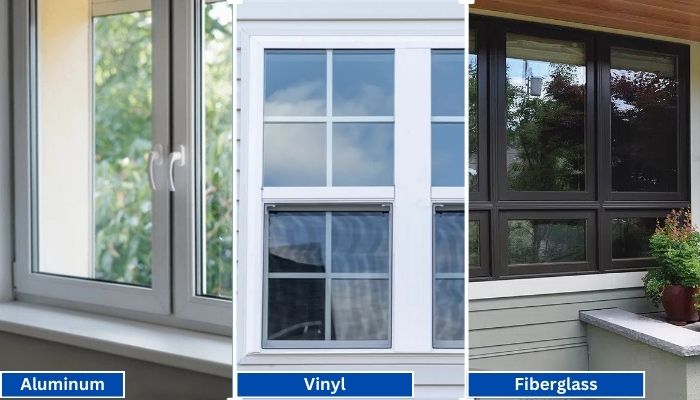
Vinyl generally has the shortest lead times because it is widely produced in standard configurations. Fiberglass is mid-range, especially for factory-painted colors.
Read More
PROUDLY CANADIAN COMPANY OWNED & OPERATED IN TORONTO SINCE 1989!
Vinyl generally has the shortest lead times because it is widely produced in standard configurations. Fiberglass is mid-range, especially for factory-painted colors.
Read More
Vinyl windows have become the go-to choice for homeowners in Toronto, thanks to their durability, energy efficiency, and low maintenance requirements. Whether you're upgrading your home for better insulation or enhancing
Read More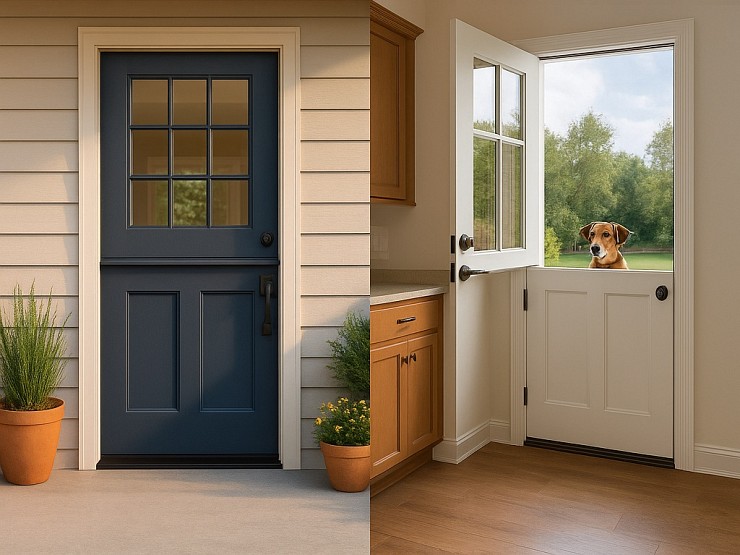
Thinking about changing your front door? A fiberglass Dutch door might have caught your eye. It’s not just a door. It’s part style statement, part smart functionality.
Read More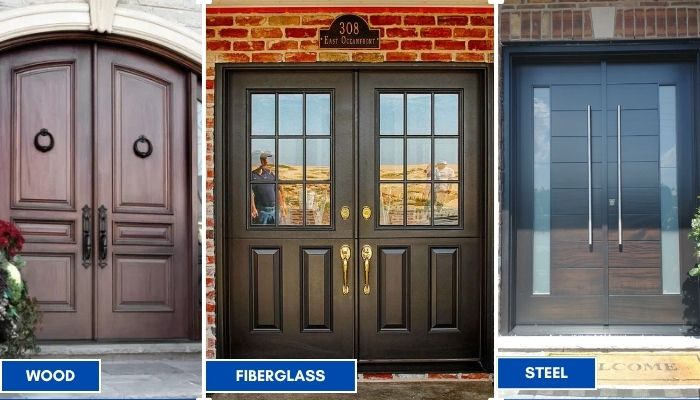
Thinking about replacing your front doors? Double doors are a bold upgrade. They look great, let in more light, and make moving big stuff easier. But the material you choose makes all the difference; especially here in Toronto.
Read More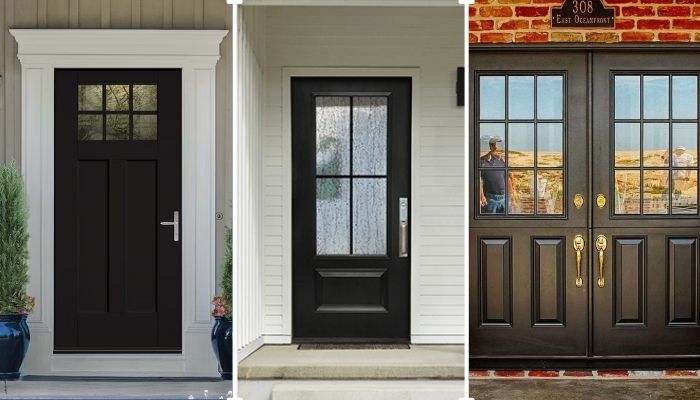
Thinking of giving your home that cozy, farmhouse charm? Let’s talk doors. Specifically, the fiberglass front doors in farmhouse style. You get the rustic look, without the rot, warping, or constant upkeep that comes with wood.
Read More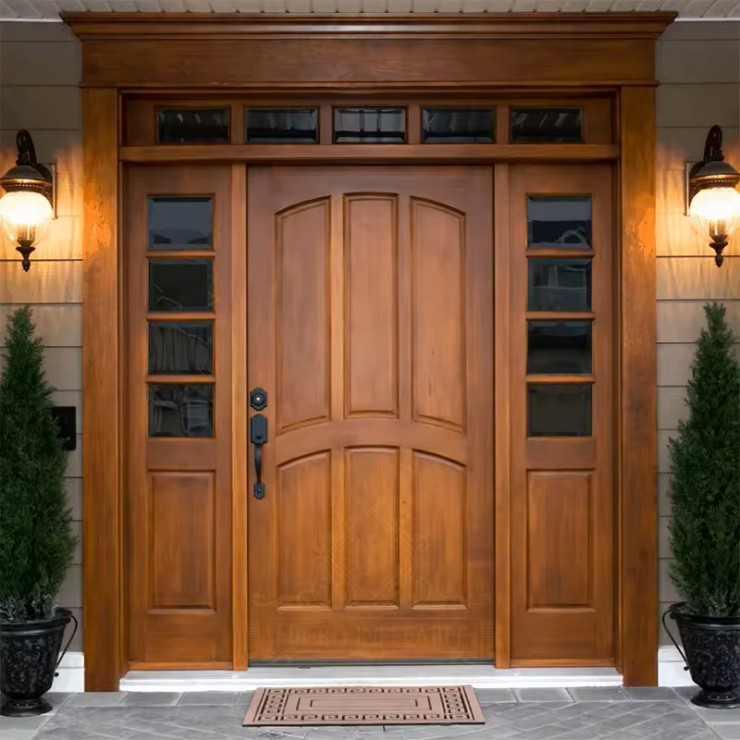
You want something that looks great, lasts long, and doesn’t stress you out with maintenance. You’re not alone. That’s exactly why more and more Toronto homeowners are choosing...
Read More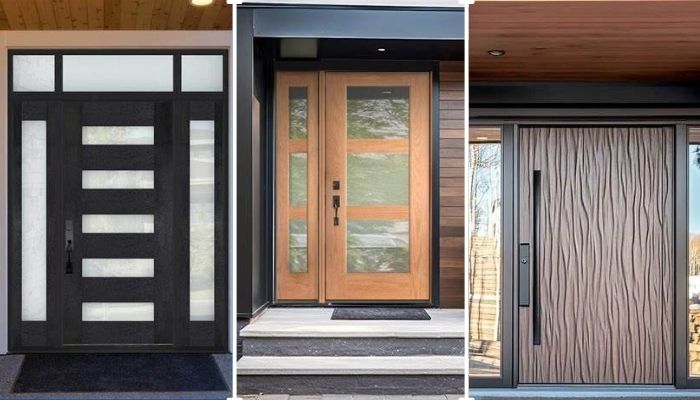
Thinking about replacing your front door? Let’s talk fiberglass. It's one of the smartest upgrades you can make, especially if you're living in Toronto. Whether your current door is drafty, outdated, or just plain boring.
Read More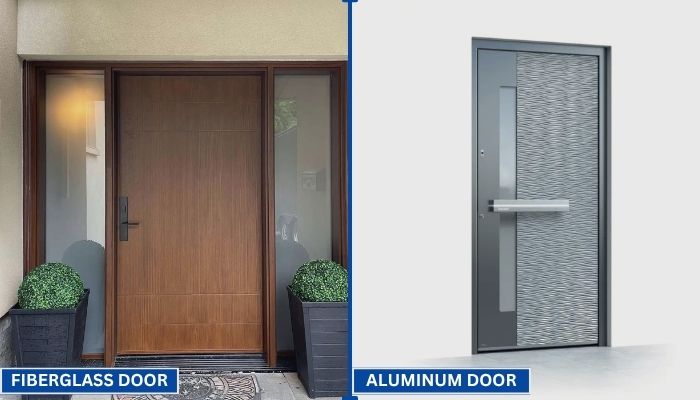
Your front door does more than just open and close. It protects your home, adds curb appeal, and helps control indoor temperature. That’s why picking the right door material matters.
Read More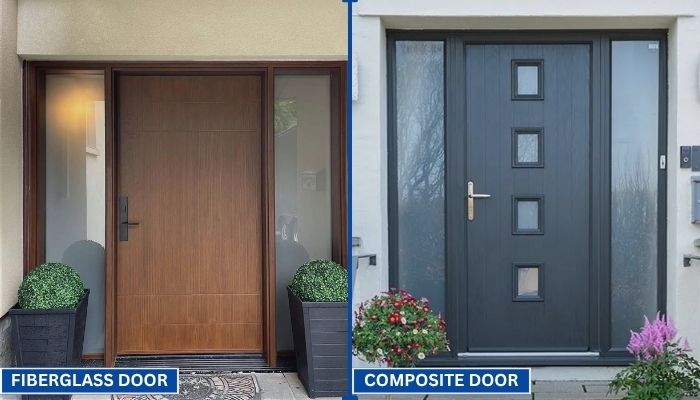
Choosing the right door can be confusing. You want something that looks good, lasts long, and keeps your home secure. Two of the most popular options today are fiberglass and composite doors.
Read More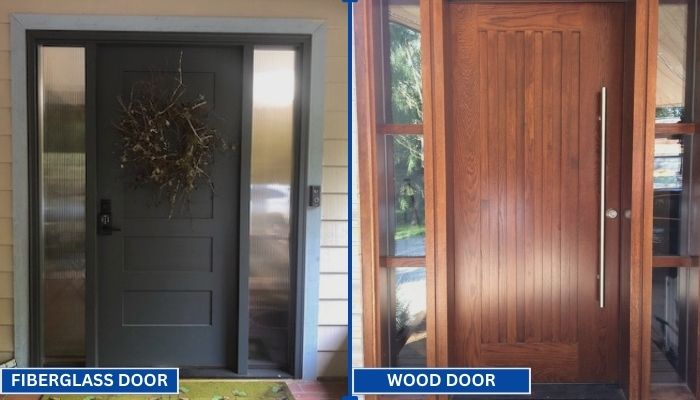
Replacing your front door is a big decision. Wood and fiberglass are two of the most popular materials for entry doors. Each has its own strengths in terms of style, durability, and maintenance. To help you choose the right one for your home, we have to go through a clear comparison.
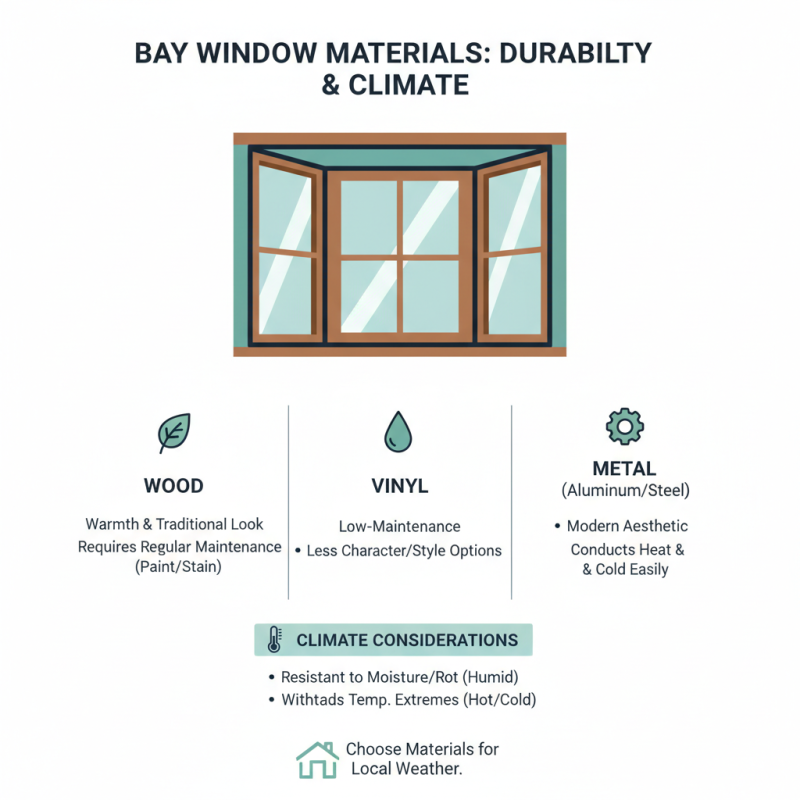
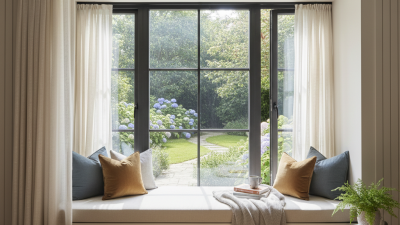
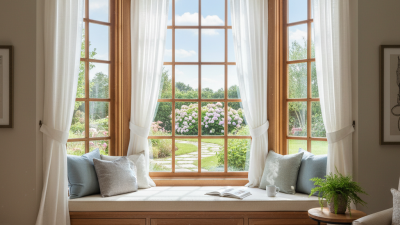
Read MoreWhen considering how to enhance your home's aesthetic, bay windows are an excellent choice. As renowned interior designer Sarah Thompson states, "Bay windows invite light and create a sense of space that transforms a room." This statement captures the essence of why many homeowners are drawn to these architectural features.
Bay windows not only improve natural lighting but also offer a panoramic view. However, selecting the perfect bay window requires careful thought. Consider the style of your home, the window’s material, and its overall function. Each decision impacts the visual appeal and functionality of your space.
It's essential to reflect on what truly fits your needs. Maybe you want a cozy reading nook or a vibrant garden view. Don't rush this choice; the right bay window can elevate your home’s atmosphere. But remember, each option comes with its own set of challenges. What suits one style may not work for another. Make your choice thoughtfully, and let your bay windows tell a story.
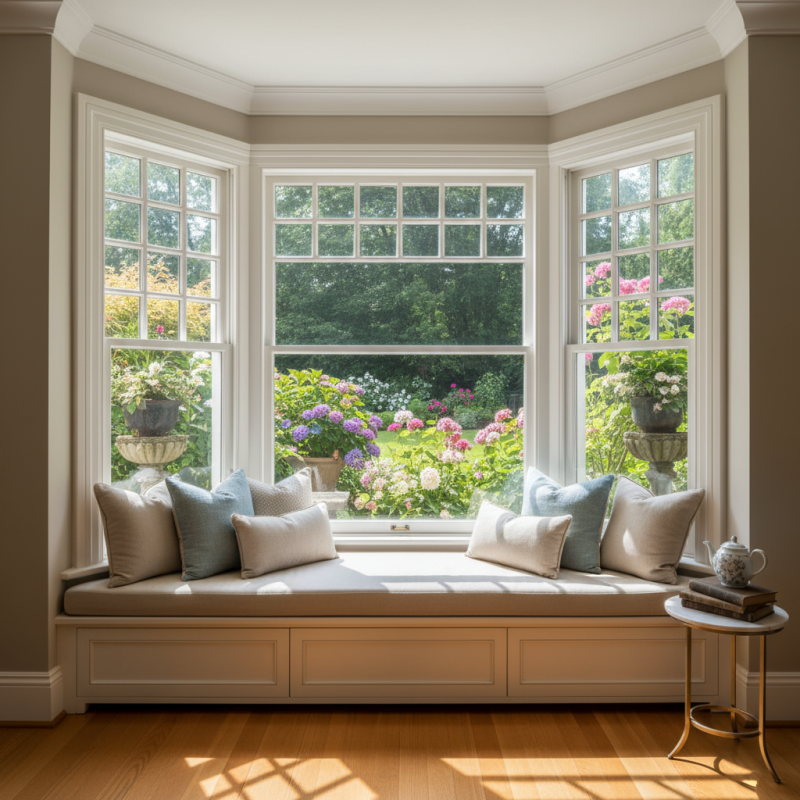
When selecting bay windows, it’s essential to understand the different types available. There are primarily three common styles: bow, angled, and box windows. Bow windows have a gentle curve and typically contain four or more panels. They create a panoramic view and add depth to a room. Angled windows consist of three sections that meet at a point, offering a more contemporary look. Finally, box windows are a simpler design, extending straight out from the home.
Each type of bay window comes with distinct features and drawbacks. For instance, bow windows take up more space, which might not be suitable for smaller homes. Angled windows provide a modern touch but can be tricky to fit into traditional homes. Box windows, while simpler, may lack the visual appeal of their more ornate counterparts.
Choosing the right bay window isn’t always straightforward. You might find that certain styles don’t mesh well with your existing architecture. Consider aspects like natural light, ventilation, and your home's overall aesthetic. Sometimes, homeowners overlook the importance of proper installation. Ill-fitting windows can lead to issues down the line. Careful planning is key.
We’ll Come To You!
Quality New Windows & Doors. Competitively Priced!
Christine R.
Please, enter a valid value