
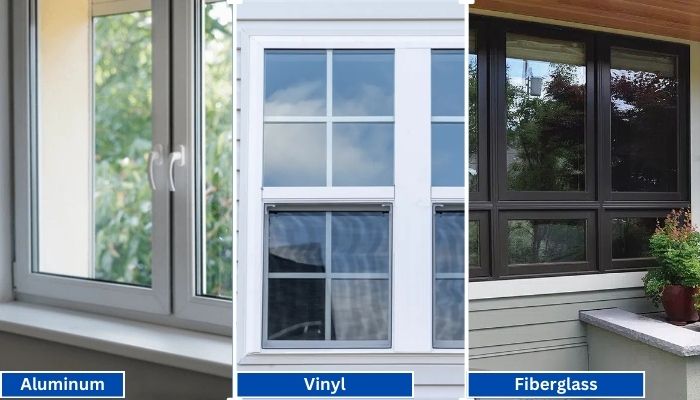
Vinyl generally has the shortest lead times because it is widely produced in standard configurations. Fiberglass is mid-range, especially for factory-painted colors.
Read More
PROUDLY CANADIAN COMPANY OWNED & OPERATED IN TORONTO SINCE 1989!
Vinyl generally has the shortest lead times because it is widely produced in standard configurations. Fiberglass is mid-range, especially for factory-painted colors.
Read More
Vinyl windows have become the go-to choice for homeowners in Toronto, thanks to their durability, energy efficiency, and low maintenance requirements. Whether you're upgrading your home for better insulation or enhancing
Read More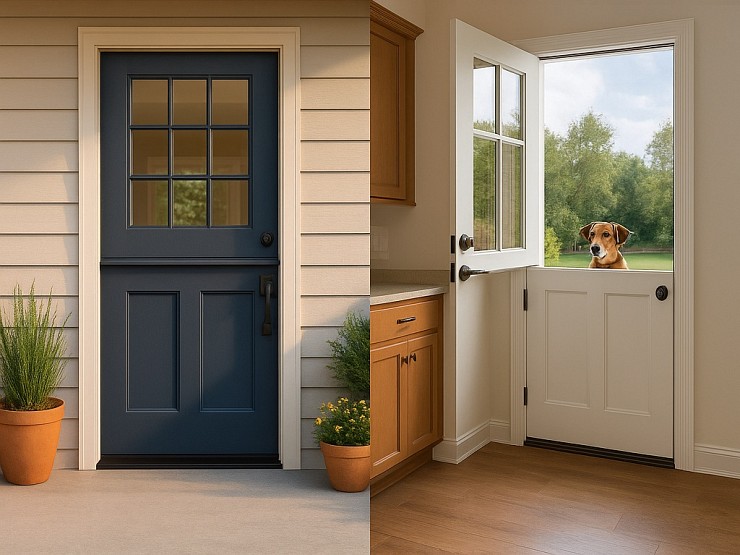
Thinking about changing your front door? A fiberglass Dutch door might have caught your eye. It’s not just a door. It’s part style statement, part smart functionality.
Read More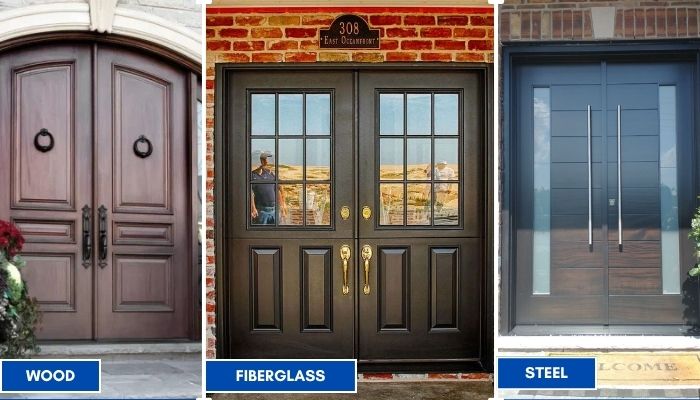
Thinking about replacing your front doors? Double doors are a bold upgrade. They look great, let in more light, and make moving big stuff easier. But the material you choose makes all the difference; especially here in Toronto.
Read More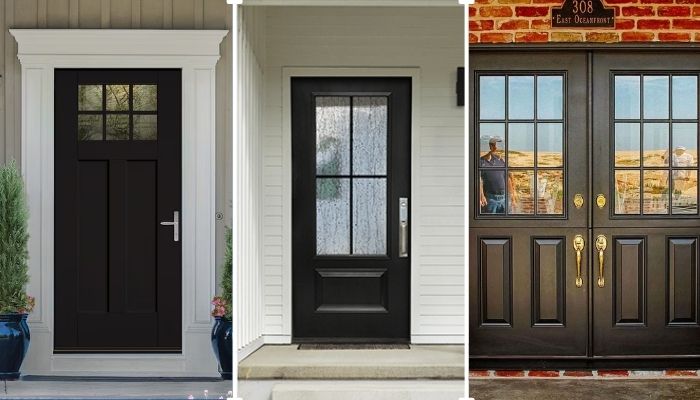
Thinking of giving your home that cozy, farmhouse charm? Let’s talk doors. Specifically, the fiberglass front doors in farmhouse style. You get the rustic look, without the rot, warping, or constant upkeep that comes with wood.
Read More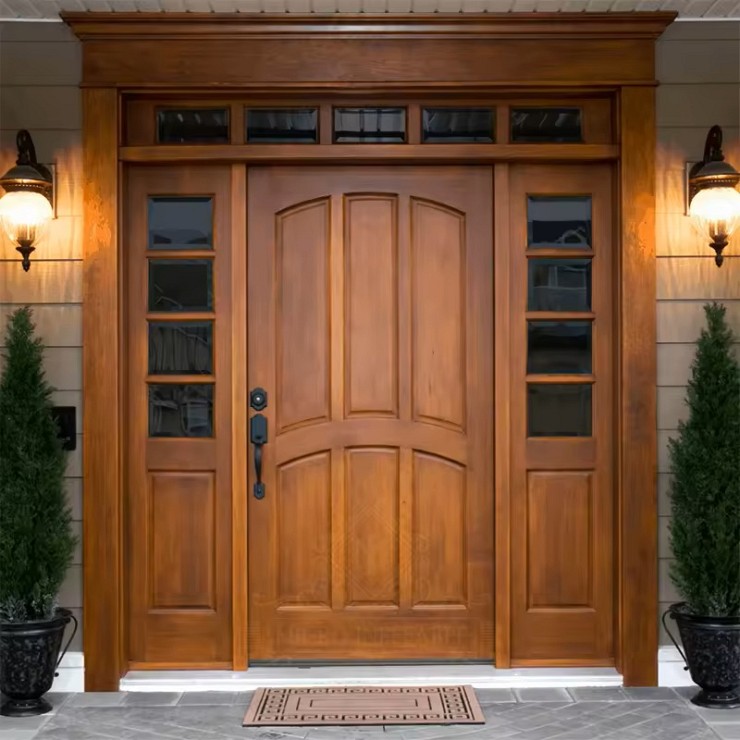
You want something that looks great, lasts long, and doesn’t stress you out with maintenance. You’re not alone. That’s exactly why more and more Toronto homeowners are choosing...
Read More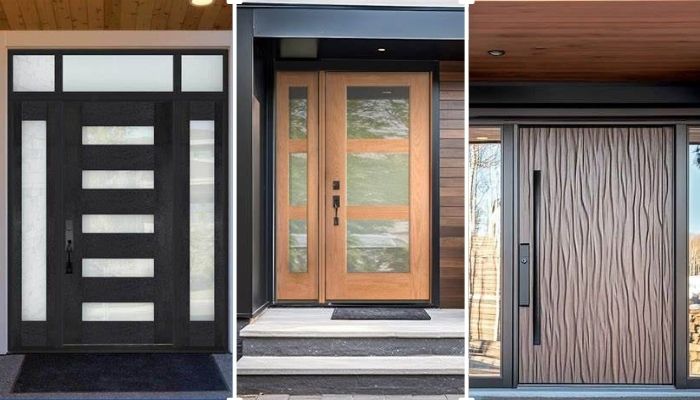
Thinking about replacing your front door? Let’s talk fiberglass. It's one of the smartest upgrades you can make, especially if you're living in Toronto. Whether your current door is drafty, outdated, or just plain boring.
Read More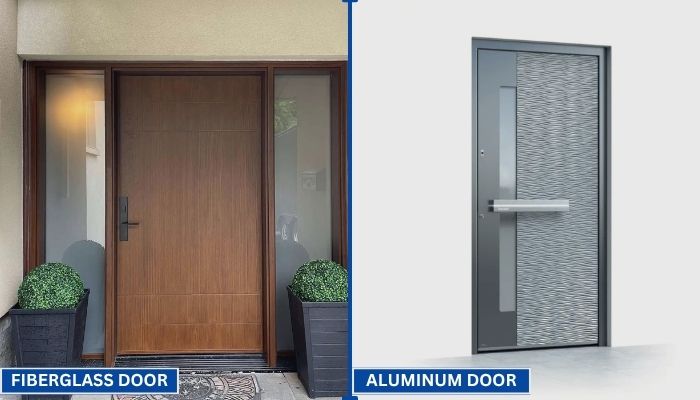
Your front door does more than just open and close. It protects your home, adds curb appeal, and helps control indoor temperature. That’s why picking the right door material matters.
Read More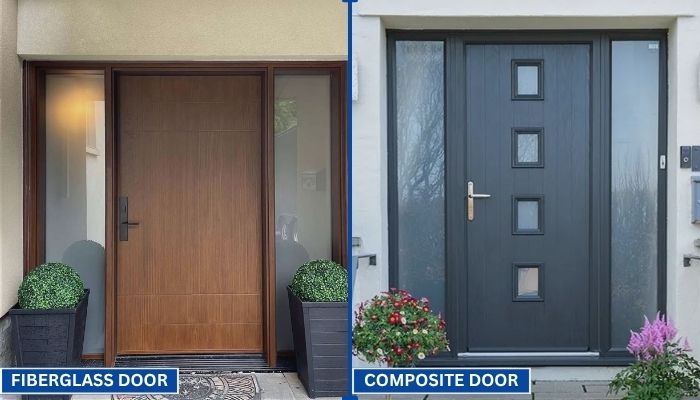
Choosing the right door can be confusing. You want something that looks good, lasts long, and keeps your home secure. Two of the most popular options today are fiberglass and composite doors.
Read More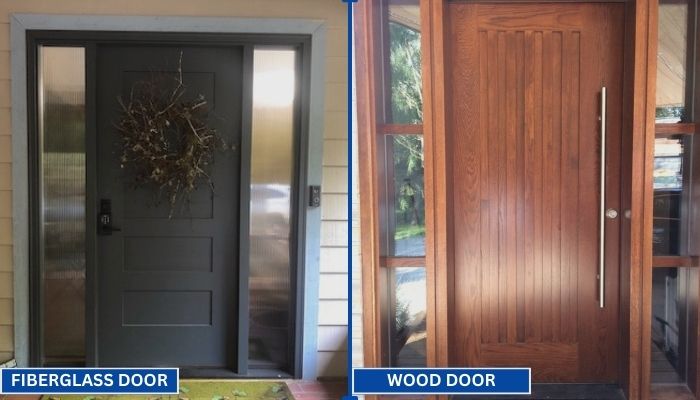
Replacing your front door is a big decision. Wood and fiberglass are two of the most popular materials for entry doors. Each has its own strengths in terms of style, durability, and maintenance. To help you choose the right one for your home, we have to go through a clear comparison.
Read MoreChoosing Premium Plywood for global projects requires more than comparing surface appearance or price. Material failure can begin with a hidden void, unstable moisture, or unsuitable adhesive. The FAO’s Global Forest Resources Assessment 2020 reports that forests cover approximately 31% of the world’s land area. This scale highlights the importance of responsible sourcing, traceability, and consistent manufacturing. Premium Plywood should therefore be evaluated as an engineered material, not simply as a decorative panel.
Project buyers should examine veneer species, core construction, bonding quality, moisture resistance, formaldehyde emissions, and dimensional stability. Standards such as EN 636, ISO 12465, and relevant national building codes provide useful technical references. In North America, EPA TSCA Title VI requirements also influence formaldehyde compliance for composite wood products. The UNECE/FAO Forest Products Annual Market Review shows how changing construction activity, trade conditions, and supply risks affect wood-product markets. Certification from credible schemes, such as FSC or PEFC, can strengthen sourcing confidence, but certification alone does not prove every performance claim.
Details matter.
A reliable supplier should provide test reports, batch records, factory quality procedures, and clear installation guidance. Buyers should request evidence for the intended exposure class, especially when panels will face humidity, heat, or repeated handling. A flawless specification rarely exists. Cost, availability, carbon impact, and performance may conflict. We may also overvalue a smooth face while overlooking edge sealing or core integrity. This guide explains how to balance these factors and select Premium Plywood that performs consistently across borders, climates, and demanding project schedules.
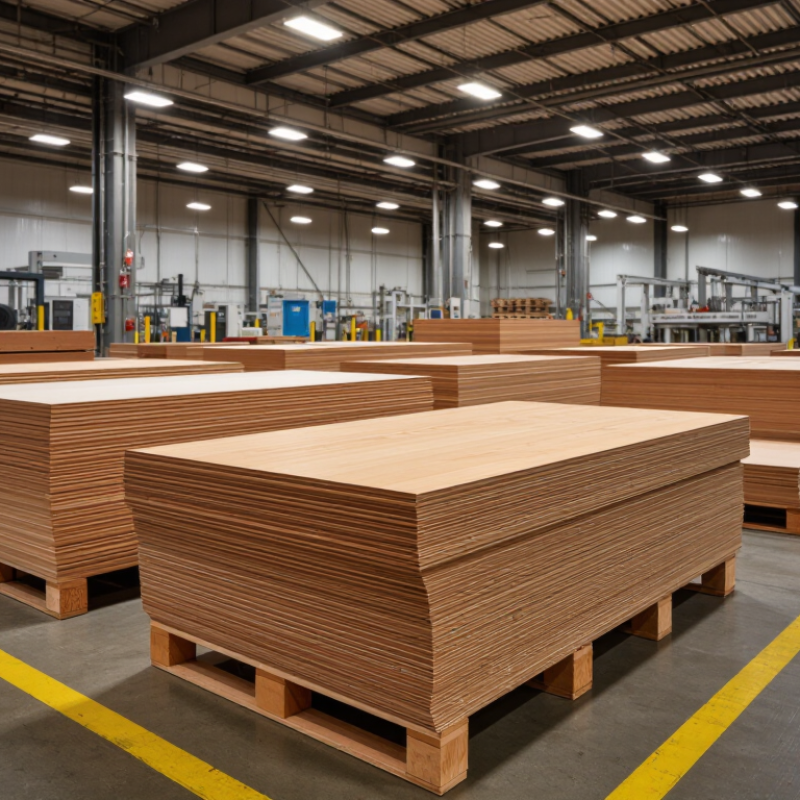
Premium plywood selection begins with a clear project brief. Define the use before comparing surface appearance or price. Is the panel structural, decorative, marine-exposed, or temporary? Record span, load, thickness, panel size, fixing method, and expected service life. A warehouse wall needs different performance from a bathroom cabinet. Measure the climate too. Coastal humidity, freezing cycles, and repeated wetting can change the specification. Small details matter.
Set measurable criteria for bending strength, stiffness, bond durability, moisture resistance, and dimensional stability. Check relevant product standards and require independent test reports where risk is high. Look for declared core species, veneer grades, adhesive class, density, and formaldehyde emissions. For load-bearing work, confirm design values with a qualified engineer, not a sales sheet. Edges deserve attention. Unsealed cut edges can absorb water quickly. On one site, careful face inspection missed swelling around poorly protected corners. That failure was avoidable. Packaging and storage also affect performance. Keep sheets flat, dry, raised, and covered, while allowing air movement.
Ask suppliers for batch traceability, production tolerances, test dates, and installation guidance. Condition samples near the project environment before approval. Test fastener holding and surface finishing on actual offcuts. A beautiful sample can hide core gaps. I would also challenge my own assumptions. “Exterior” does not always mean unlimited exposure. Specifications can be incomplete. Recheck them against drawings, local weather data, and maintenance plans. A premium grade should be supported by evidence.
We’ll Come To You!
Quality New Windows & Doors. Competitively Priced!
Christine R.
Please, enter a valid value