canada flag

PROUDLY CANADIAN COMPANY OWNED & OPERATED IN TORONTO SINCE 1989!

CALL NOW

Windows | Doors Blog

How to Choose PU Sandwich Panels for Your Project?

Choosing PU sandwich panels is not simply a matter of comparing prices or selecting the thickest option. Panel performance depends on insulation needs, building use, climate, fire requirements, and installation quality. A cold-storage facility may require different panels from a workshop, agricultural building, or commercial warehouse.

The right decision begins with the project’s real operating conditions. Measure expected indoor temperatures, humidity, roof loads, wall spans, and cleaning requirements. Then compare core thickness, polyurethane density, steel facings, joint design, thermal conductivity, and documented fire performance. Small details matter. A poorly sealed joint can weaken an otherwise efficient envelope. Water may enter around fasteners, trims, or damaged edges.

Experience also matters during installation. Check whether the supplier provides clear technical data, tested performance, and practical guidance for cutting, lifting, and sealing. Ask for references from similar projects, not only attractive product photographs. Independent test reports can help confirm insulation and fire claims, although laboratory results may not represent every site condition.

No single PU sandwich panels specification suits every building. That assumption causes avoidable problems. A thicker panel may increase cost without solving condensation or structural issues. A cheaper panel may create maintenance concerns later. Review the design with qualified engineers, installers, and local code professionals before ordering. Some recommendations remain uncertain until site exposure, ventilation, and connection details are verified. Good selection is therefore a balance between measured performance, reliable documentation, and lessons learned from actual construction.
How to Choose PU Sandwich Panels for Your Project?

Define PU Sandwich Panels and Their Core Performance Benefits

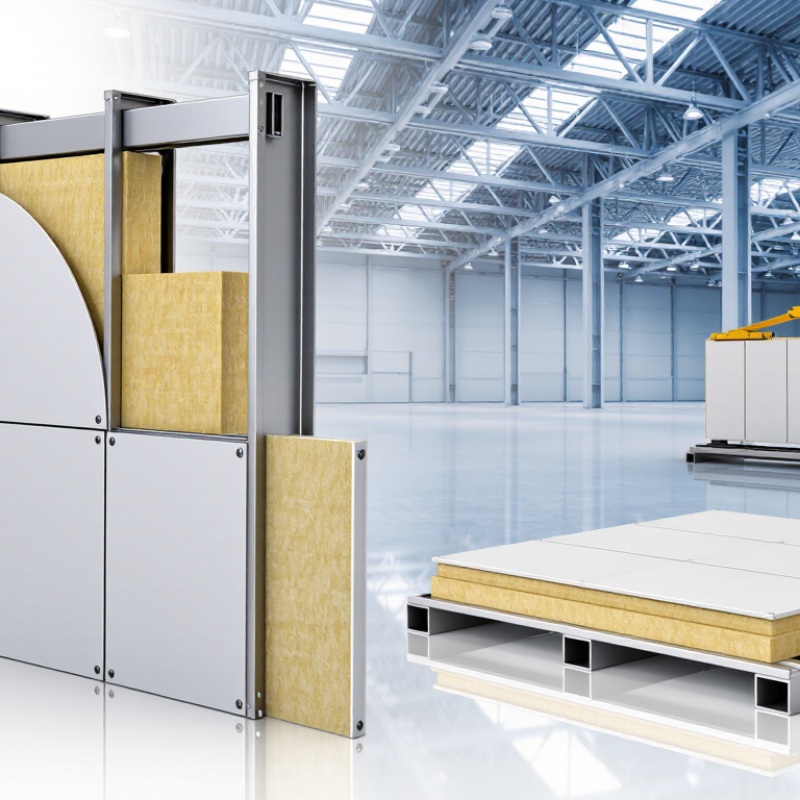
PU sandwich panels combine two durable facings with a rigid polyurethane foam core. The core is bonded between steel or other approved surfaces during manufacturing. This creates a lightweight building element with continuous insulation and faster installation. Unlike loose-fill systems, the panel arrives as one controlled assembly. Its performance still depends on joints, fixings, thickness, and workmanship.

PU cores commonly achieve thermal conductivity near 0.022–0.028 W/m·K, according to EN 13165 product classifications. Lower conductivity can reduce panel thickness and heat transfer. That matters in warehouses, cold rooms, and agricultural buildings. The UNEP 2023 Global Status Report states that buildings use about 30% of global final energy. Better envelopes can therefore support meaningful energy savings. PU panels also offer low water absorption and consistent factory production. However, they are not automatically fireproof. Their reaction to fire depends on the complete panel system, facings, joints, and tested classification. I would never select a panel from insulation value alone. That shortcut can create expensive problems.

Tips: Compare declared thermal resistance, not only core conductivity. Check tested fire performance for the exact assembly. Review condensation risk with a qualified building professional. Inspect joint details before ordering. A perfect panel can still underperform when installation is rushed. Also question long-term ageing data, recycled content, and end-of-life options. These points are sometimes overlooked.

Assess Project Requirements for Thermal, Structural, and Moisture Control

How to Choose PU Sandwich Panels for Your Project?

Begin with the building’s thermal target, operating temperature, and local climate. The 2024 Global Status Report for Buildings and Construction states that buildings used about 30% of global final energy in 2022. Efficient envelopes therefore matter beyond simple material selection. PU cores commonly provide low thermal conductivity, often near 0.022–0.028 W/m·K under laboratory conditions. However, joints, fasteners, compression, and installation gaps can reduce real performance. Specify the required U-value, then verify it for the complete panel system. Do not rely only on the core’s declared value.

Structural control needs equal attention. Check panel span tables against wind pressure, snow load, seismic movement, maintenance access, and support spacing. A thicker core does not automatically solve structural risk. Facings, connection design, and edge conditions can govern failure. Project engineers should verify calculations under applicable building standards. Field inspections often find loose fixings or unsupported cut edges. Small details matter.

Moisture control starts with drainage, sealed joints, and vapor movement. ASHRAE guidance emphasizes controlling air leakage because transported air can carry substantial moisture into assemblies. Select joint profiles and sealants for the project’s humidity and temperature range. Cold rooms require special attention around penetrations and doors. The specification may look excellent on paper. Site workmanship can still undermine it. Review condensation risk, surface temperatures, and maintenance access before approval.

How to Choose PU Sandwich Panels for Your Project?

Assess project requirements for thermal, structural, and moisture control.

The chart shows the estimated thermal transmittance of PU sandwich panels at common core thicknesses. Values are calculated using a representative PU core thermal conductivity of 0.022 W/m·K and exclude surface resistance, joints, fasteners, and thermal bridges. Thicker panels generally provide better insulation. Final selection should also verify panel load capacity, support spacing, core compressive strength, joint sealing, and moisture exposure conditions.

Thermal control
Lower U-values indicate lower heat transfer. Increasing PU core thickness reduces the calculated U-value.
Structural control
Check span, wind and snow loads, panel deflection, fastener capacity, and tested compressive strength.
Moisture control
Use well-sealed joints, suitable flashings, and a closed-cell PU core appropriate for the project exposure.

Compare Panel Cores, Thicknesses, Facings, and Fire Ratings

Choosing PU sandwich panels starts with the building’s real demands, not a catalogue photograph. Polyurethane cores offer low thermal conductivity and relatively light weight, making them practical for warehouses, cold rooms, and controlled production areas. Thickness matters when temperatures fluctuate. A 50 mm panel may suit a mild internal partition, while a 100 mm or thicker panel can reduce heat loss in refrigerated spaces. I have seen projects overfocus on insulation values and underestimate joint leakage. Measure the joints carefully.

Facings protect the core from moisture, impact, cleaning chemicals, and corrosion. Coated steel is common, but the coating type should match humidity, salt exposure, and washing routines. Smooth facings clean easily, while textured surfaces can hide damage.

Fire performance needs separate attention. Check the complete tested panel system, including joints, seals, fasteners, and installation direction. A core classification alone does not prove the finished wall meets local requirements. Request current test reports and verify the rating with a qualified fire consultant or building authority.

Tips: Compare thermal performance at the expected operating temperature. Review panel thickness beside energy targets, not alone. Inspect samples for flatness, edge protection, and coating consistency. Confirm the manufacturer’s tolerances before ordering. Small gaps become expensive. Leave room for honest review; a cheaper panel may create higher maintenance costs later.

Evaluate Installation Conditions, Compatibility, and Long-Term Durability

Choosing PU sandwich panels starts with the installation environment, not the catalogue image. Check wall or roof dimensions, substrate flatness, access routes, lifting space, and local temperature swings. Moisture matters. A damp substrate can trap condensation behind the panel. Measure indoor humidity where possible, especially in cold rooms, workshops, and food-processing areas. Confirm the required thermal resistance, panel thickness, joint design, and surface finish against the project’s use.

Compatibility deserves a physical check. Panel cores, coatings, sealants, fasteners, flashings, and supporting steel must work together. Ask for technical data, fire classification, allowable spans, corrosion information, and cleaning limits. Do not assume a familiar sealant is safe for every coating. Test a small hidden area first. At corners and penetrations, inspect how the joint closes. Tiny gaps can become visible drafts and water paths after several seasons. Follow local building requirements and qualified installer guidance.

Long-term durability depends heavily on installation quality. Protect edges during unloading, keep panels off wet ground, and repair damaged coatings before exposure. Use correct fastener spacing and avoid crushing the core. Plan inspections after heavy rain, strong winds, or washdown cycles. Look for loose screws, open joints, staining, and corrosion. A panel may meet its rating yet perform poorly when details are rushed. This is where project teams sometimes overestimate the product and underestimate the site. Recheck assumptions before ordering; a small change in humidity, span, or cleaning practice can alter the suitable specification. Good choices leave room for uncertainty.

Select Suppliers by Standards, Specifications, Cost, and Technical Support

How to Choose PU Sandwich Panels for Your Project?

Supplier selection should begin with standards, not attractive prices. Check whether panels meet EN 14509 or ASTM C1289, depending on the project location. Request test reports for thermal conductivity, fire performance, dimensional tolerance, and bond strength. ISO 9001 certification can indicate controlled production, but it does not replace product testing. Ask for batch records and traceable certificates. Missing paperwork is a warning sign.

Specifications Must Match Actual Conditions

Specifications must match the building’s actual conditions. Compare core density, panel thickness, joint design, span limits, and surface coatings. A thicker panel is not automatically better. The right choice depends on indoor temperature, humidity, wind loads, and installation quality.

The UNEP Global Status Report for Buildings and Construction reported that buildings used 34% of global energy in 2022. Better envelope performance can therefore influence operating costs, not just construction costs. Yet predicted savings may fail when joints are poorly sealed.

Compare Total Cost and Supplier Support

Compare total cost over the service life. Include transport, cutting waste, fasteners, maintenance, and replacement risks. The cheapest quotation can become expensive after installation.

It happens.

Technical support deserves equal attention. Reliable suppliers should provide shop drawings, fixing guidance, fire-test interpretation, and responsive answers during installation. The IEA has reported that building operations account for roughly 30% of global final energy use. This supports careful thermal design, but supplier calculations still need independent review. I would also request a sample panel and inspect its edges, coating, and interlock before signing. Small details often expose larger problems.

Read Our 5-Star Testimonials

quotes

Amazing service and quality products. Installation was on time and on budget. Our windows look awesome. Edan gave us his full attention from the first call and every step of the way after. Highly recommend.

Adam Rivers Reviewer Image

Adam Rivers

quotes

New windows and door for basement and new metal/glass back door for main house - even through my indecisiveness and the covid-19 challenges Ayal and his installers were patient with me and I am very happy with the look and quality of the install.

homestars logo image
Geraint Reviewer Image

Geraint

quotes

It was a pleasure dealing with Jack and all Delco's stuff. The windows arrived on the date for which were promised. The quality of the service, product and workmanship were excellent. I would gladly recommend Delco to anyone need Windows and Doors

Ruven Y. Reviewer Image

Ruven Y.

quotes

We're so happy with our new front door. Very high quality finish, beautiful window. Installation was impeccable and done very quickly. Hinge and 3-point lock mechanism fit perfectly and feel very solid. Very attentive customer service. Door really ups our curb appeal!

homestars logo image
Jim Bird Reviewer Image

Jim Bird

quotes

I just had my front door replaced and cannot say enough good things about this company. From start to finish their professionalism is outstanding, and the workmanship excellent. Would highly recommend

Maureen Fuller Reviewer Image

Maureen Fuller

quotes

Delco supplies my windows and doors for renovations throughout the GTA. Edan and his staff are the best. Well priced quality products and personalized service. Highly recommended.

homestars logo image
Noah Klar Reviewer Image

Noah Klar

quotes

We have 3 sliding doors and a double front door replaced. All work was done professionally but well qualified craftsman. Watching them work it was clear they new what they were doing and work is first class.

homestars logo image
R. Pierce Reviewer Image

R. Pierce

quotes

We used Delco to replace our windows and patio door and door glass inserts. We are very happy with the quality of the windows and patio door and were very impressed with the installers as well who were very professional and clean. Thank you Nasho and George for your hard work and patience. Also, a big thank you to Ayal who always returned my calls and answered all my questions.

homestars logo image
Sandra Reviewer Image

Sandra

quotes

Delco provided all the exterior doors for our new home build. Ayal was great and the company is very customer service oriented. The doors look beautiful, the hardware is high end and the install went very well. Overall we are very happy with the product and service.

homestars logo image
Sarah Reviewer Image

Sarah

quotes

Ayal and Edan were great to work with. They provided extensive product knowledge and had a great selection in their showroom. The windows and doors changed the whole look of the house and gave a much needed modern yet classic update. Great quality and workmanship! Thank you!

Stephanie Lannaci Reviewer Image

Stephanie Lannaci

quotes

Both my wife and I could not have been happier with the product and service displayed by the owner and the installers. They had kept true to there word and the timelines. The process was catered to our schedule and was seamless.

Fabrizio Macieri Reviewer Image

Fabrizio Macieri

quotes

Had a great experience with Delco. They were professional and did a great job on time.

Joey Oliveira Reviewer Image

Joey Oliveira

quotes

Our experience with Delco Doors has been very good. We needed to replace out front door. Our old 6 feet Steel doors were removed and replaced with Delco 8 feet Fiberglass Doors. The installation went very smoothly, and the guys made sure that everything was fitting squarely and tight. They cleaned up after they were done and were very pleasant to work with. Would highly recommend them.

Angie Gandhi Reviewer Image

Angie Gandhi

quotes

A fantastic company to deal with from start to finish. They were professional, courteous and the project was completed in the timeframe agreed upon. Would highly recommend Delco.

homestars logo image
Linda Reviewer Image

Linda

quotes

I would recommend Delco Windows and Doors without any hesitation. The quality of the products is very good, the installation exceeded my expectations and the responsiveness and punctuality is impressive.

homestars logo image
Serban Dinca Reviewer Image

Serban Dinca

quotes

Very good and timely service. A pleasure to work with Edan Next time I need windows and doors I will definitely call them again

Adrian Nema Reviewer Image

Adrian Nema

quotes

Recently ordered a custom window from Delco. We are extremely happy with the level of customer service - Elyse went out of her way to notify us when the window came in and came in to work on her day off so we could come pick up the window. If we need another window we will definitely come back to Delco!

Jonathon & Sheri Mcintosh Reviewer Image

Jonathon & Sheri Mcintosh

quotes

I would highly recommend this company, the final product was beyond my expectations, My new front door makes my house standout so happy thank you Delco Windows and doors. I will definitely use Delco Windows and doors again in the future thanks to Edan and the installers

Maria Reviewer Image

Maria

quotes

Existing door replacement is a delicate project. I am very satisfied with job well done by Ayal Jack and his installer. Highly professional team, they know their business well, easy to deal with, very accommodating. He guided us step by step to select the best fit for our purpose.

homestars logo image
Alfy Reviewer Image

Alfy

quotes

I would highly recommend this company. They were very easy to deal with, accommodating and professional. The final product was beyond my expectations. The products completely transformed the front of my house and for sure increased its value and curb appeal. Thanks!

homestars logo image
Mi Reviewer Image

Mi

quotes

Happy experience from start to finish. Thank you to Edan for going out of his way to meet us late one evening and his helpful consultation in the showroom especially thank you to the extremely professional, clean and friendly crew of installers. Everything was as promised, the men arrived on time, their work was immaculate and complete, their craftsmanship beyond reproach.

Esther Tobin Reviewer Image

Esther Tobin

We’ll Come To You!

GET A FREE QUOTE

Quality New Windows & Doors. Competitively Priced!

Christine R.

Please, enter a valid value