
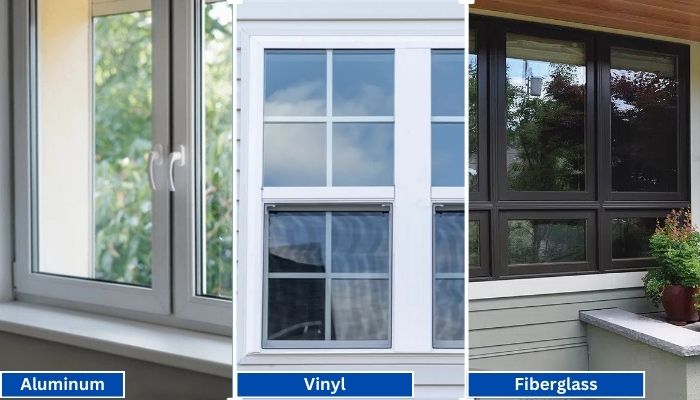
Vinyl generally has the shortest lead times because it is widely produced in standard configurations. Fiberglass is mid-range, especially for factory-painted colors.
Read More
PROUDLY CANADIAN COMPANY OWNED & OPERATED IN TORONTO SINCE 1989!
Vinyl generally has the shortest lead times because it is widely produced in standard configurations. Fiberglass is mid-range, especially for factory-painted colors.
Read More
Vinyl windows have become the go-to choice for homeowners in Toronto, thanks to their durability, energy efficiency, and low maintenance requirements. Whether you're upgrading your home for better insulation or enhancing
Read More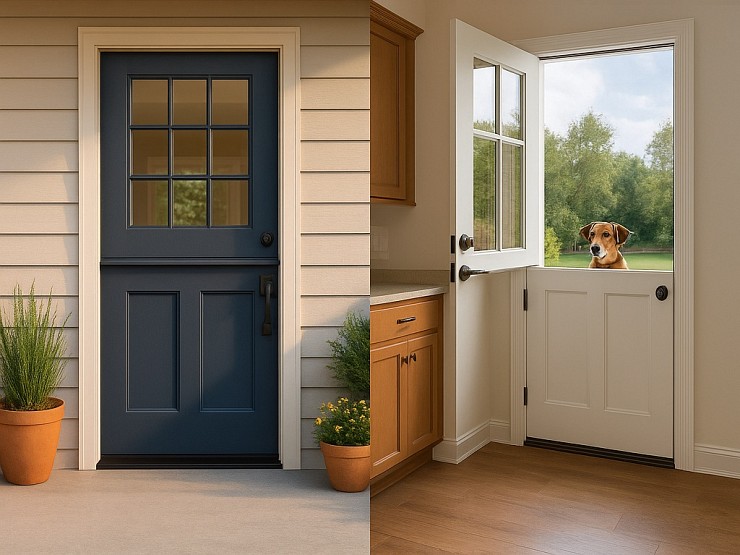
Thinking about changing your front door? A fiberglass Dutch door might have caught your eye. It’s not just a door. It’s part style statement, part smart functionality.
Read More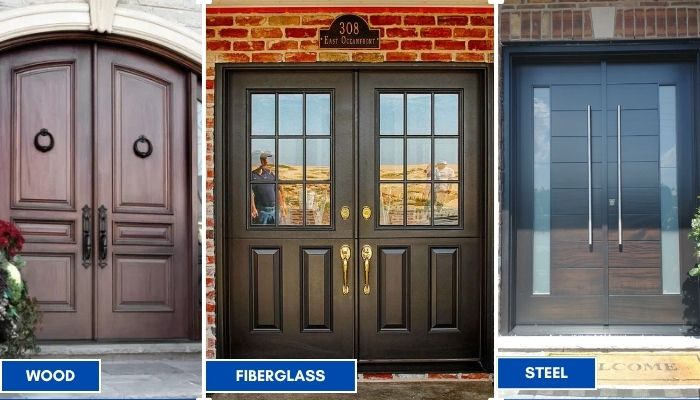
Thinking about replacing your front doors? Double doors are a bold upgrade. They look great, let in more light, and make moving big stuff easier. But the material you choose makes all the difference; especially here in Toronto.
Read More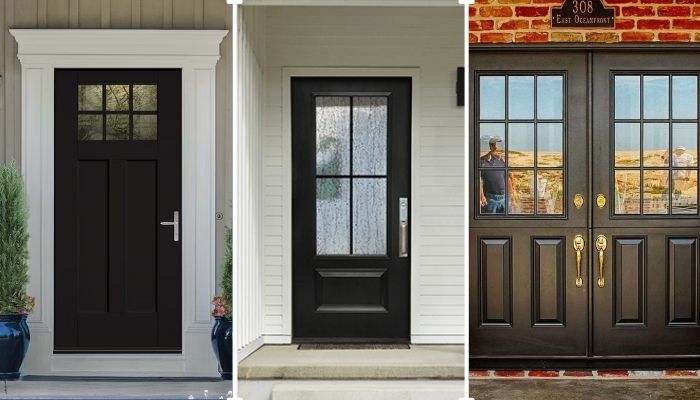
Thinking of giving your home that cozy, farmhouse charm? Let’s talk doors. Specifically, the fiberglass front doors in farmhouse style. You get the rustic look, without the rot, warping, or constant upkeep that comes with wood.
Read More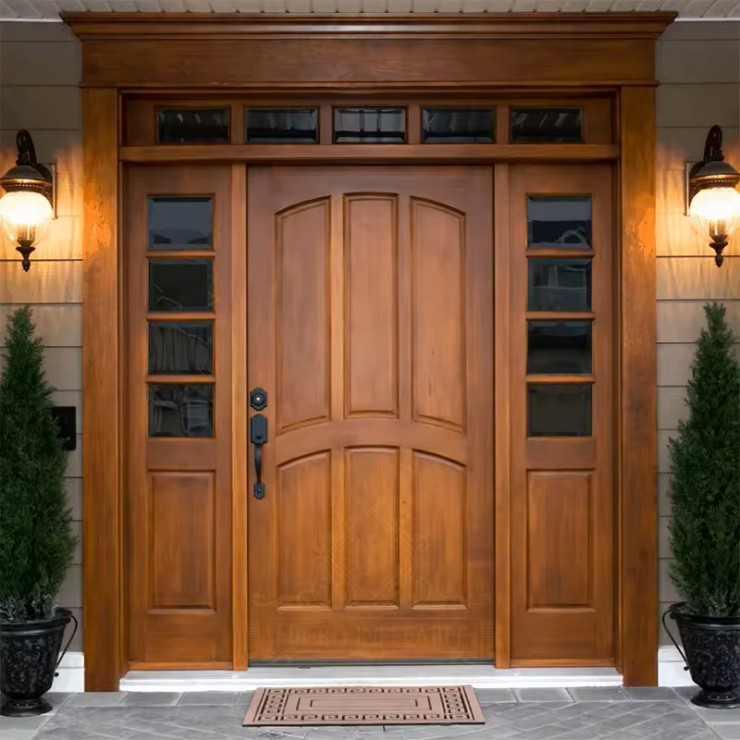
You want something that looks great, lasts long, and doesn’t stress you out with maintenance. You’re not alone. That’s exactly why more and more Toronto homeowners are choosing...
Read More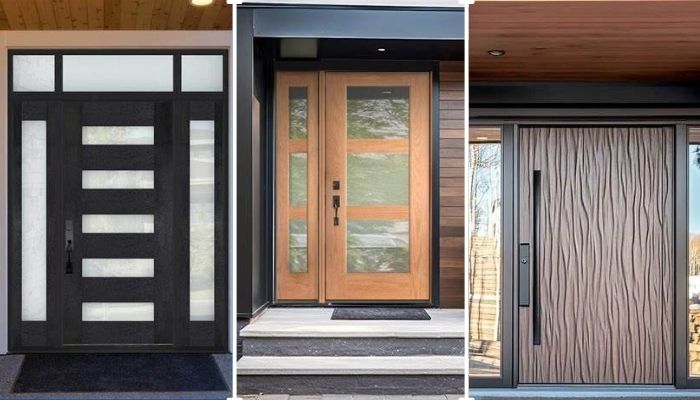
Thinking about replacing your front door? Let’s talk fiberglass. It's one of the smartest upgrades you can make, especially if you're living in Toronto. Whether your current door is drafty, outdated, or just plain boring.
Read More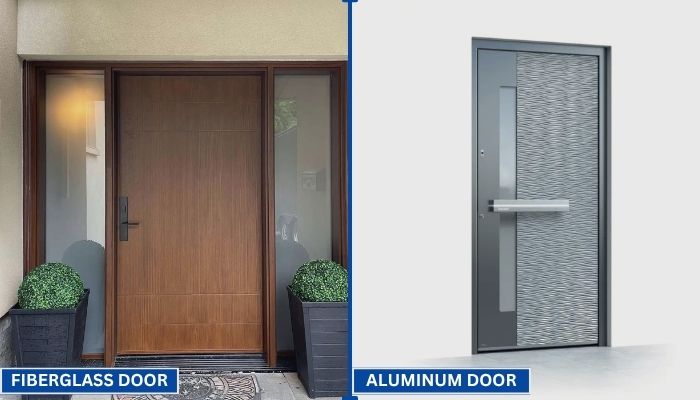
Your front door does more than just open and close. It protects your home, adds curb appeal, and helps control indoor temperature. That’s why picking the right door material matters.
Read More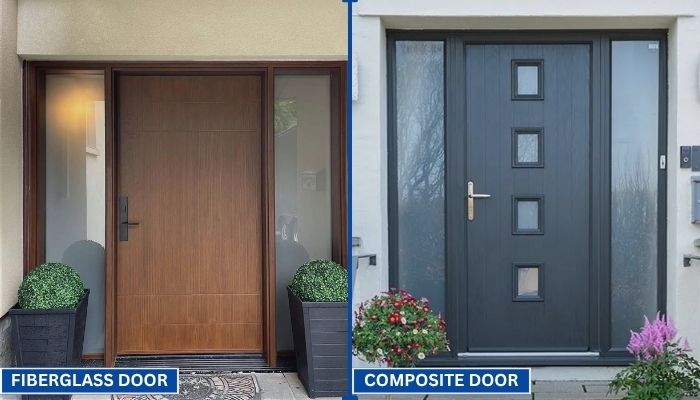
Choosing the right door can be confusing. You want something that looks good, lasts long, and keeps your home secure. Two of the most popular options today are fiberglass and composite doors.
Read More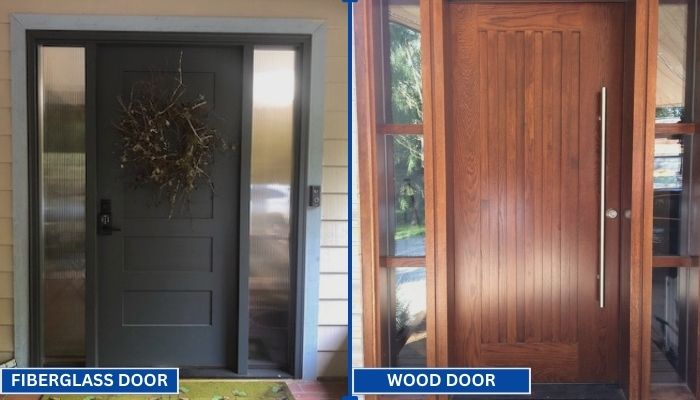
Replacing your front door is a big decision. Wood and fiberglass are two of the most popular materials for entry doors. Each has its own strengths in terms of style, durability, and maintenance. To help you choose the right one for your home, we have to go through a clear comparison.
Read MoreChoosing Science Education Kits in 2026 requires more than colorful packaging. A useful kit should turn curiosity into safe, observable learning. It should also fit the learner, classroom, and available time. This guide examines practical criteria used by teachers, parents, and informal science educators. We focus on evidence, not impressive photographs. Small details matter. Can students identify each component? Are the instructions readable under ordinary classroom lighting? Does the activity produce a result within one lesson?
Reliable selection begins with learning goals. A chemistry kit should explain reactions, not merely create foam. A robotics kit should encourage testing, debugging, and clear reasoning. Check the age range, required tools, replacement parts, and storage needs. Review the manufacturer’s safety guidance and independent educator feedback. Look for recognized testing information where relevant. Adult supervision remains essential for experiments involving heat, electricity, glass, or chemicals. Digital kits also deserve scrutiny. Examine data collection, account requirements, accessibility, and privacy practices before purchase.
Value is not the lowest price. A durable kit may serve several classes, while a cheap sensor can fail after three uses. Ask whether students can repeat an investigation and change one variable. That is where deeper understanding often appears. Still, no kit is perfect. Some instructions oversimplify science, and some activities produce weak results. Honest reviews should mention those limits. In 2026, the strongest choice will balance accuracy, safety, inclusion, teacher control, and genuine student wonder. Use this introduction as a careful starting point, then test the kit against your real learners and setting.
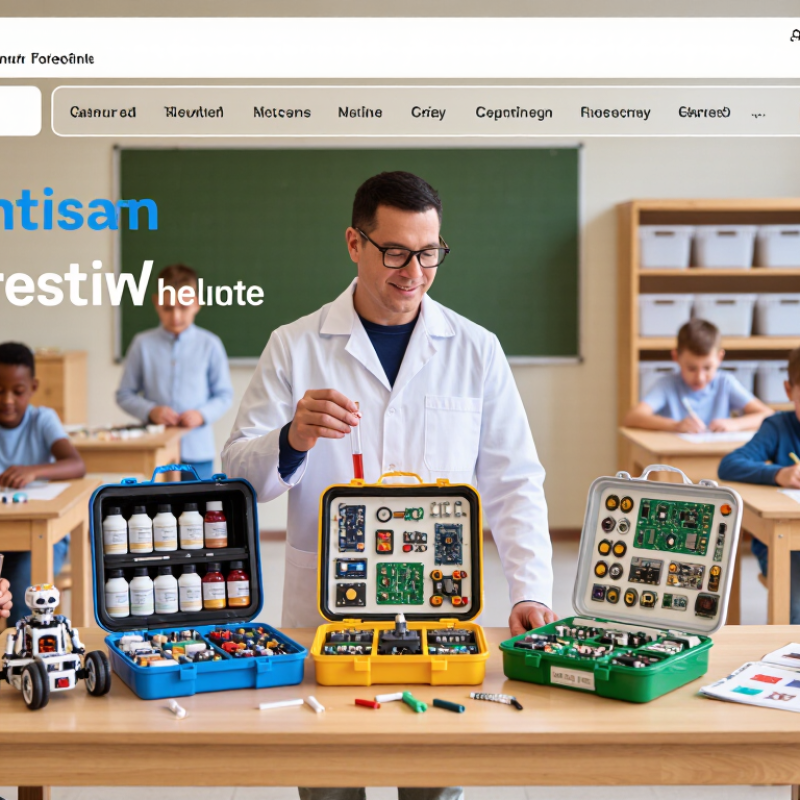
A science education kit should turn an idea into something learners can see, touch, and test. A well-designed kit may include models, measuring tools, prepared materials, activity cards, safety guidance, and assessment prompts. Some also offer digital simulations or short videos for difficult concepts. The digital part should support hands-on work, not replace it.
Look for clear learning goals before checking the equipment list. A physics kit might include springs, weights, rulers, and graphing sheets for investigating force. A biology kit may contain slides, hand lenses, specimen images, and observation tables. Materials should match the learners’ age, classroom space, and teacher experience. Instructions must explain safe handling, cleanup, storage, and possible errors. Small details matter.
Good kits encourage questions rather than provide perfect answers. Learners can predict, test, record results, and revise their explanations. This process supports scientific reasoning and communication. In practice, teachers should review every activity before class. Some instructions may feel simple, while other steps may confuse beginners. That is a weakness worth noticing. A kit may also lack enough time for meaningful discussion. Teachers can improve it with local examples, extra questions, or familiar household measurements. Reliable kits use accurate information, transparent limitations, and evidence-based activities. They should also remain usable when a component is missing. Flexibility matters.
We’ll Come To You!
Quality New Windows & Doors. Competitively Priced!
Christine R.
Please, enter a valid value