
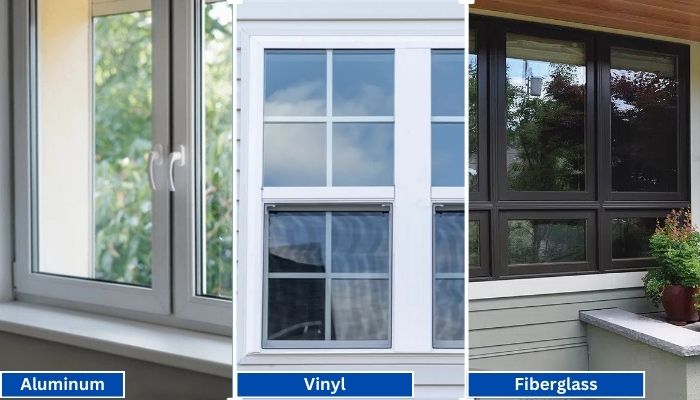
Vinyl generally has the shortest lead times because it is widely produced in standard configurations. Fiberglass is mid-range, especially for factory-painted colors.
Read More
PROUDLY CANADIAN COMPANY OWNED & OPERATED IN TORONTO SINCE 1989!
Vinyl generally has the shortest lead times because it is widely produced in standard configurations. Fiberglass is mid-range, especially for factory-painted colors.
Read More
Vinyl windows have become the go-to choice for homeowners in Toronto, thanks to their durability, energy efficiency, and low maintenance requirements. Whether you're upgrading your home for better insulation or enhancing
Read More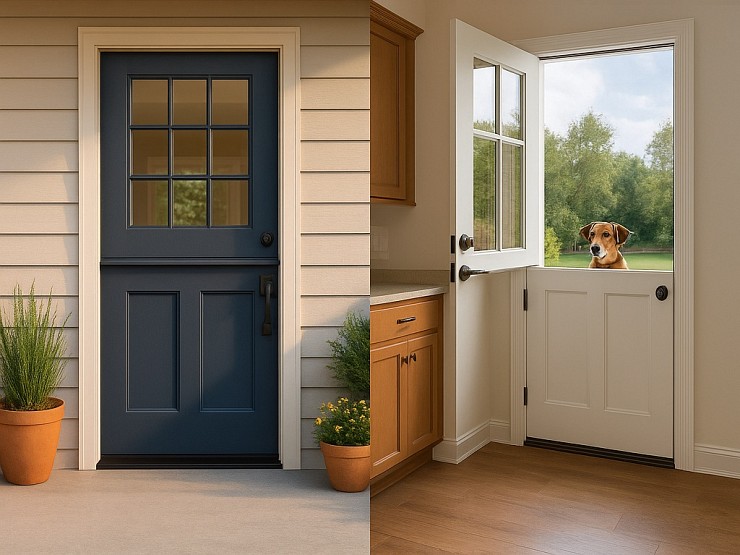
Thinking about changing your front door? A fiberglass Dutch door might have caught your eye. It’s not just a door. It’s part style statement, part smart functionality.
Read More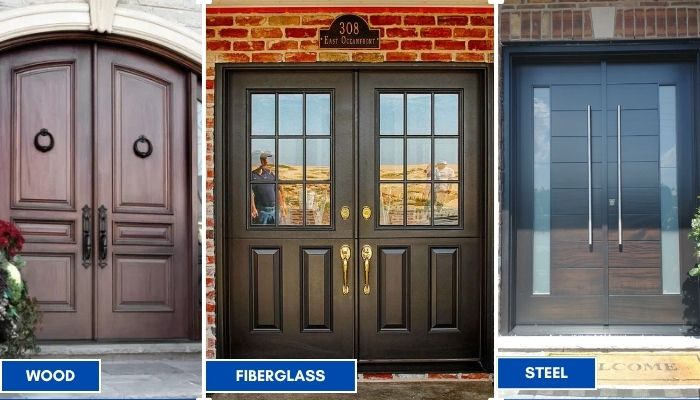
Thinking about replacing your front doors? Double doors are a bold upgrade. They look great, let in more light, and make moving big stuff easier. But the material you choose makes all the difference; especially here in Toronto.
Read More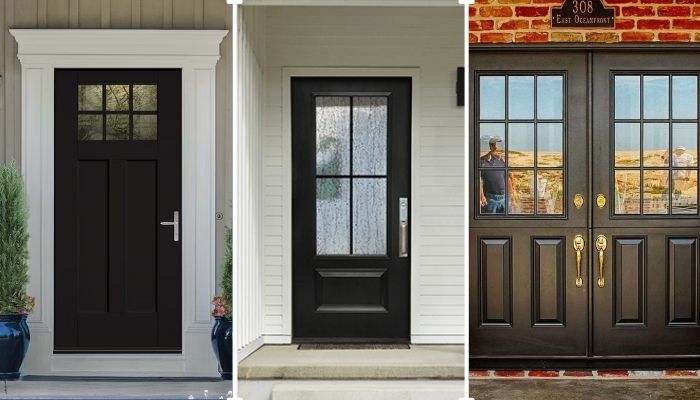
Thinking of giving your home that cozy, farmhouse charm? Let’s talk doors. Specifically, the fiberglass front doors in farmhouse style. You get the rustic look, without the rot, warping, or constant upkeep that comes with wood.
Read More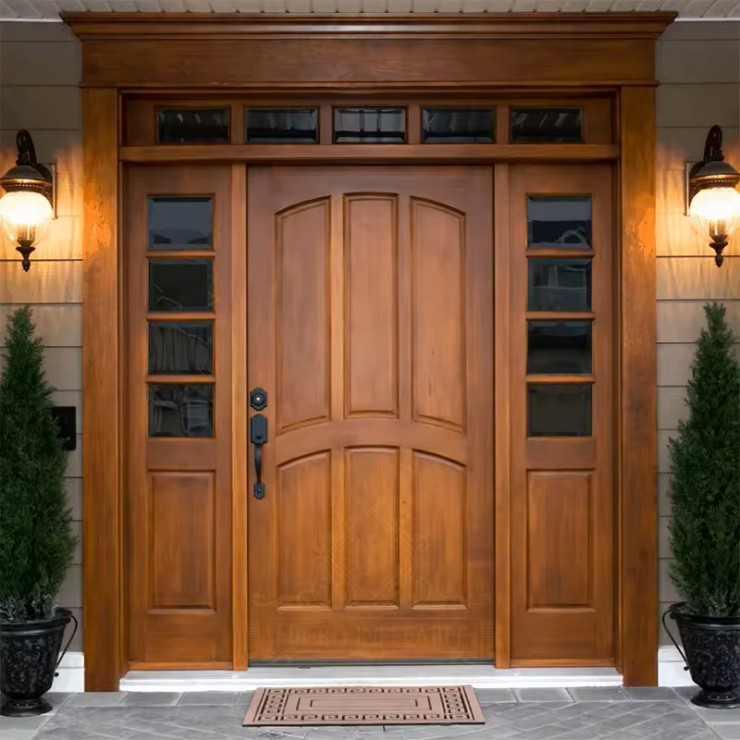
You want something that looks great, lasts long, and doesn’t stress you out with maintenance. You’re not alone. That’s exactly why more and more Toronto homeowners are choosing...
Read More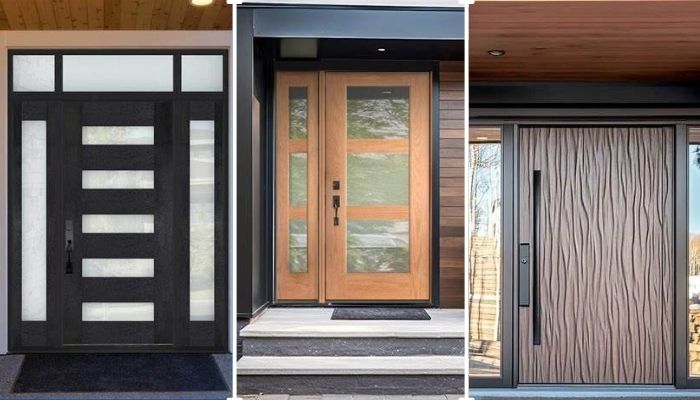
Thinking about replacing your front door? Let’s talk fiberglass. It's one of the smartest upgrades you can make, especially if you're living in Toronto. Whether your current door is drafty, outdated, or just plain boring.
Read More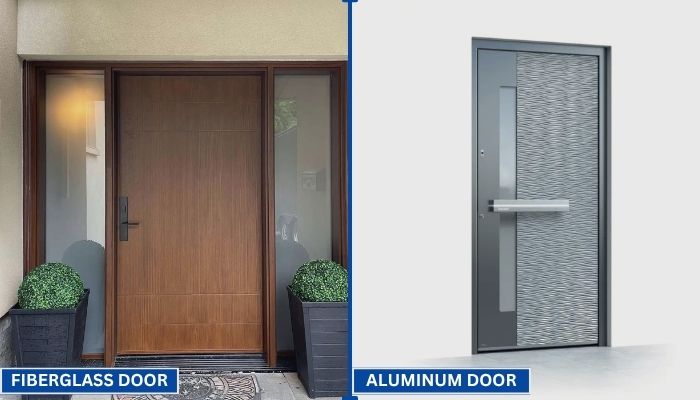
Your front door does more than just open and close. It protects your home, adds curb appeal, and helps control indoor temperature. That’s why picking the right door material matters.
Read More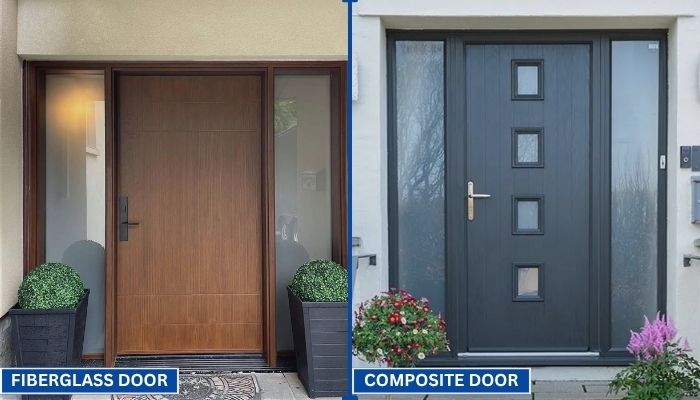
Choosing the right door can be confusing. You want something that looks good, lasts long, and keeps your home secure. Two of the most popular options today are fiberglass and composite doors.
Read More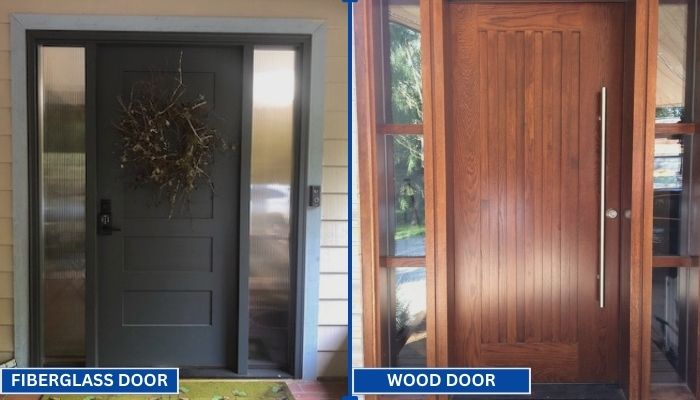
Replacing your front door is a big decision. Wood and fiberglass are two of the most popular materials for entry doors. Each has its own strengths in terms of style, durability, and maintenance. To help you choose the right one for your home, we have to go through a clear comparison.
Read MoreChoosing the best exterior doors in 2026 requires more than matching a façade or copying a showroom trend. A door must manage weather, security, energy use, accessibility, and daily wear. It should open smoothly after thousands of cycles. It should also keep rain away from the threshold during a hard storm.
The U.S. Department of Energy reports that windows and doors can contribute significantly to residential heating and cooling losses. Its Energy Saver guidance notes that heat gain and loss through these openings may represent 25% to 30% of a home’s heating and cooling energy use. That figure covers windows and doors together, so it should not be treated as a door-only estimate. Still, the warning is practical: frame quality, glass selection, weatherstripping, and installation all matter.
Performance labels deserve careful attention. ENERGY STAR criteria help compare qualifying products, while the National Fenestration Rating Council explains ratings for U-factor, solar heat gain, and air leakage. The North American Fenestration Standard also provides testing requirements for many residential door systems. These references create a stronger foundation than appearance alone.
Real homes are less predictable. A coastal entrance faces salt air, while a shaded northern doorway may struggle with moisture. A dark steel door can become noticeably hot in direct afternoon sun. Even expert recommendations need local adjustment. That is the part many buying guides understate.
This guide examines materials, insulation, security hardware, maintenance, design, climate suitability, and installation details. The goal is not to name one universal winner. It is to help homeowners choose exterior doors that perform reliably in their actual homes.
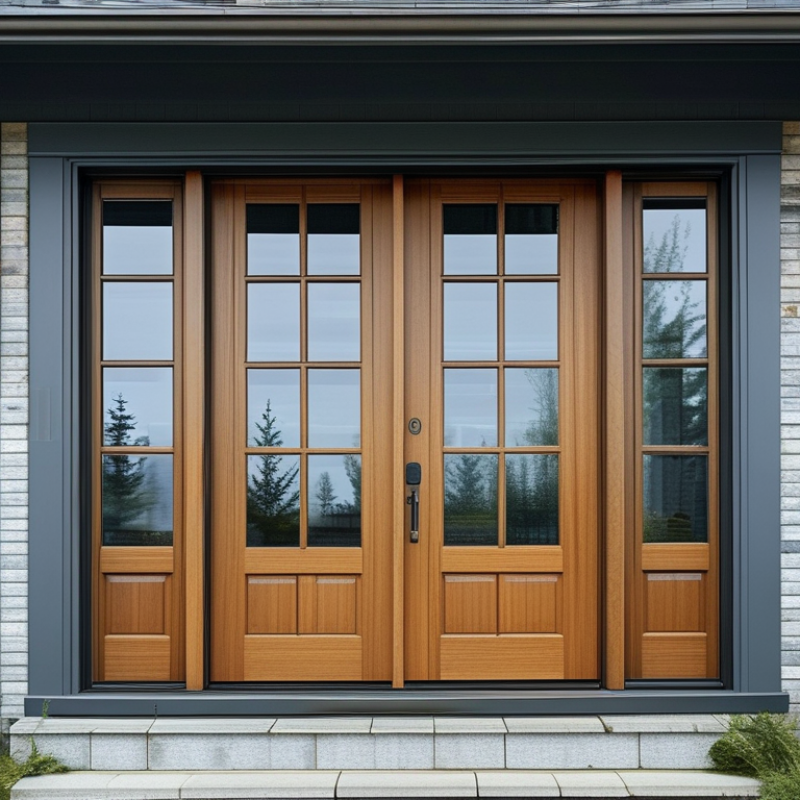
In 2026, the best exterior door depends on location, weather, and daily use. A beautiful door can still perform poorly. Climate should guide the decision.
Fiberglass doors suit humid regions because they resist swelling, cracking, and surface corrosion. They work well for main entrances and exposed side doors. Steel doors offer strong security and stable performance. They are practical for garages, rental properties, and busy family entrances. However, damaged coatings can invite rust, especially near saltwater.
Wood doors provide warmth and character for covered porches. They need regular sealing, careful inspection, and protection from standing water. Sliding glass doors fit patios and garden rooms, where wide views matter. Choose models with strong tracks, secure locks, and insulated glazing. Large glass areas may increase heat gain without proper shading.
A small mistake matters. Door type alone cannot solve poor installation. The frame must sit square, and the threshold should shed rain away from the wall. Check the door’s energy ratings, air-leakage performance, and local building requirements. In colder areas, multi-point seals can reduce drafts. In windy areas, reinforced hinges and impact-rated glass may be more useful than decorative hardware. Smart access can add convenience, but batteries and manual backup still need attention. Some homeowners focus too much on technology and overlook water management. That choice often becomes expensive later.
| Exterior Door Type | Best Uses | Key Advantages | Main Limitations | Energy Efficiency | Security Potential | Maintenance | Best Climate or Location | 2026 Buying Priorities |
|---|---|---|---|---|---|---|---|---|
| Fiberglass Entry Door | Primary entrances, replacement projects, and homes requiring a low-maintenance door. | Resists moisture, warping, cracking, and dents better than many wood doors; can reproduce the appearance of wood grain. | Can cost more than basic steel; severe impact can damage the outer skin and repairs may be difficult to disguise. | Often available with insulated cores and weatherstripped frames. |
Works well with reinforced frames, multipoint locks, and laminated or tempered glazing. |
Low; clean periodically and inspect seals, hinges, and threshold drainage. | Suitable for humid, rainy, coastal, and highly variable climates when corrosion-resistant hardware is selected. | Check the complete door system, not only the slab: frame material, sill design, weather seals, glazing, and certified performance ratings. |
| Insulated Steel Entry Door | Budget-conscious front doors, utility entrances, garages, and areas where strength is important. | Strong, widely available, relatively affordable, and capable of good thermal performance when foam-filled. | Surface scratches can expose steel to rust; may dent; thermal bridging can occur around the frame and hardware. | Performance depends on core insulation, frame construction, glazing area, and installation quality. |
Strong slabs and reinforced strike areas support robust locking systems. |
Low to moderate; touch up scratches promptly and protect exposed edges from corrosion. | Good for cold climates and sheltered locations; use corrosion-resistant finishes near saltwater. | Prioritize a galvanized or corrosion-resistant surface, reinforced lock areas, adjustable weatherstripping, and a durable threshold. |
| Solid Wood Entry Door | Traditional, historic, luxury, or architecturally detailed homes where natural appearance is central. | Authentic appearance, repairability, customization options, and strong acoustic mass. | Can swell, shrink, warp, or crack with moisture and temperature changes; generally needs more upkeep. | Solid wood alone is less insulating than a well-insulated composite or steel door; glazing and weather seals matter greatly. |
Can be very secure with a thick slab, reinforced frame, quality hinges, and a properly installed lock. |
Moderate to high; all faces and edges require a suitable protective finish that must be renewed over time. | Best in protected porches or moderate climates; use carefully detailed and well-sealed designs in wet regions. | Inspect moisture protection, door overhang, edge sealing, finish warranty, and seasonal movement allowances. |
| Composite Entry Door | High-performance main entrances combining a wood-like appearance with improved dimensional stability. | Usually combines a durable outer skin, insulated core, and stable frame; offers many colors, panel styles, and glazing choices. | Quality varies substantially between constructions; replacement parts and refinishing options may be more limited than for wood. | Well-insulated cores and tightly sealed frames can reduce heat transfer and drafts. |
Performance improves with a reinforced frame, multipoint locking, and certified security hardware. |
Low; clean surfaces and maintain seals, hinges, cylinders, and drainage paths. | Suitable for cold, hot, humid, and mixed climates when the system is correctly specified. | Compare whole-unit thermal data, air leakage performance, frame insulation, threshold design, and repair support. |
| Aluminum Entry Door | Modern architecture, narrow-profile designs, large glazed entrances, and sheltered contemporary façades. | Lightweight, corrosion-resistant when properly finished, dimensionally stable, and available in slim profiles. | Standard aluminum conducts heat readily; lower-quality finishes can scratch or fade; thermal breaks are essential. | Choose thermally broken frames and insulated glazing to limit condensation and heat transfer. |
Depends on frame depth, glass specification, locking points, and anchoring to the wall. |
Low; wash exposed surfaces and inspect finishes, seals, drainage, and moving hardware. | Useful in modern homes and mild climates; specify marine-grade finishes and compatible hardware in coastal areas. | Confirm thermal-break construction, finish durability, glass safety rating, drainage, and resistance to wind-driven rain. |
| Sliding Patio Door | Backyards, decks, balconies, patios, and openings where space is limited beside the doorway. | Does not require a large swing area; provides wide views and convenient access to outdoor living spaces. | Track contamination can affect operation; large glass areas can increase heat gain, heat loss, and privacy concerns. | Use low-emissivity insulated glazing, insulated frames, tight interlocks, and high-quality weather seals. |
Security improves with anti-lift features, robust locks, fixed-panel reinforcement, and safety-rated glass. |
Moderate; vacuum and clean tracks, keep weep holes clear, and inspect rollers and seals. | Appropriate for most climates; exterior shading is especially valuable in sunny or hot regions. | Evaluate air and water resistance, track drainage, glass safety, anti-lift protection, thermal breaks, and replacement roller availability. |
| French or Double Exterior Door | Formal entrances, dining rooms, gardens, patios, and wide openings requiring a traditional appearance. | Creates a broad opening, offers symmetrical aesthetics, and can provide strong daylight and ventilation. | More perimeter joints and meeting rails can increase air leakage; requires sufficient clearance for two swinging panels. | Insulated panels, multipoint locking, adjustable seals, and a properly aligned astragal improve performance. |
Use an active-panel lock, reinforced inactive-panel bolts, secure hinges, and safety-rated glazing where appropriate. |
Moderate; maintain hinges, locking points, astragal seals, threshold, and alignment. | Good for sheltered entrances and wide openings; select water-resistant systems for exposed façades. | Check the meeting-stile seal, sill height, hinge adjustment, wind-load suitability, and how the inactive panel is secured. |
| Storm Door | Adding a secondary weather barrier, ventilation, daylight, or seasonal protection in front of an existing entry door. | Can reduce direct exposure to rain and wind, provide insect ventilation, and protect the primary door finish. | Does not replace a properly insulated primary door; poor installation can trap moisture or obstruct operation. | Improves the overall entrance only when the primary door, frame, and storm-door seals work together. |
It is a supplementary layer; the main entry door and frame remain the principal security barrier. |
Low to moderate; clean screens or glass, lubricate hardware, and inspect closers and seals. | Useful in windy, rainy, cold, or insect-prone regions when compatible with the existing entrance. | Confirm ventilation options, tempered glass or screen configuration, closer strength, drainage, and compatibility with the primary door. |
| Insulated Utility or Side Door | Laundry rooms, mudrooms, workshops, basements, side entrances, and service areas. | Practical, durable, and often less expensive than decorative entry systems; can be specified with limited glazing for privacy. | Basic models may have weaker frames, less attractive finishes, or lower-grade hardware than main entry doors. | Choose an insulated slab, continuous weatherstripping, and a thermally improved frame. |
Use a solid or limited-glazing panel, reinforced strike plate, deadbolt, and secure hinges. |
Low; inspect seals, threshold, hinges, and finish for moisture damage. | Suitable for most climates, especially when the entrance is exposed to wind, rain, or unconditioned spaces. | Prioritize weather resistance, threshold drainage, lock reinforcement, privacy, and resistance to frequent use. |
| Performance varies by door construction, glazing, frame, hardware, installation, orientation, and local weather exposure. For 2026 projects, compare complete door-system test data and verify that the selected unit meets local building, egress, safety-glazing, accessibility, and energy-code requirements. | ||||||||
We’ll Come To You!
Quality New Windows & Doors. Competitively Priced!
Christine R.
Please, enter a valid value