
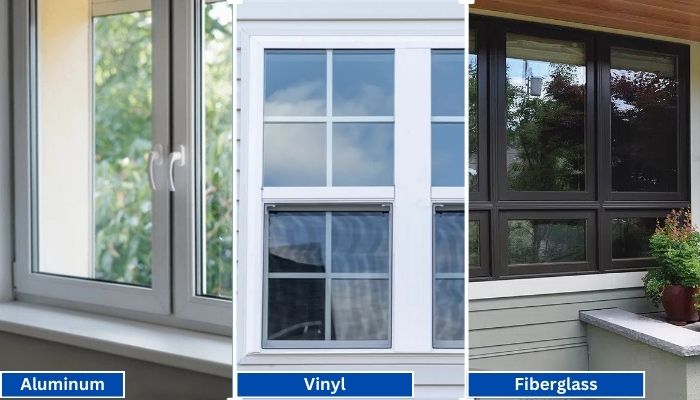
Vinyl generally has the shortest lead times because it is widely produced in standard configurations. Fiberglass is mid-range, especially for factory-painted colors.
Read More
PROUDLY CANADIAN COMPANY OWNED & OPERATED IN TORONTO SINCE 1989!
Vinyl generally has the shortest lead times because it is widely produced in standard configurations. Fiberglass is mid-range, especially for factory-painted colors.
Read More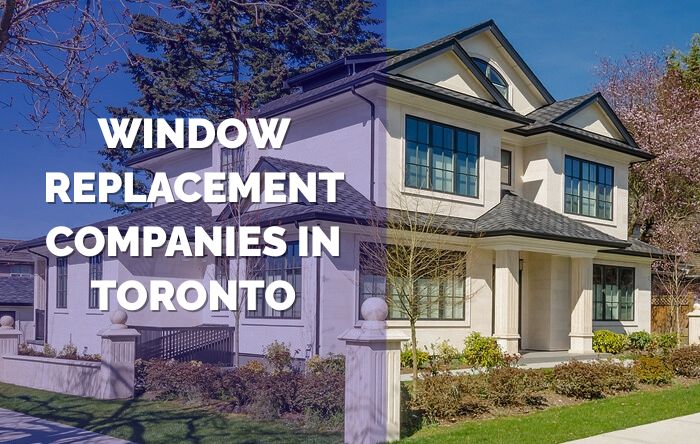
Vinyl windows have become the go-to choice for homeowners in Toronto, thanks to their durability, energy efficiency, and low maintenance requirements. Whether you're upgrading your home for better insulation or enhancing
Read More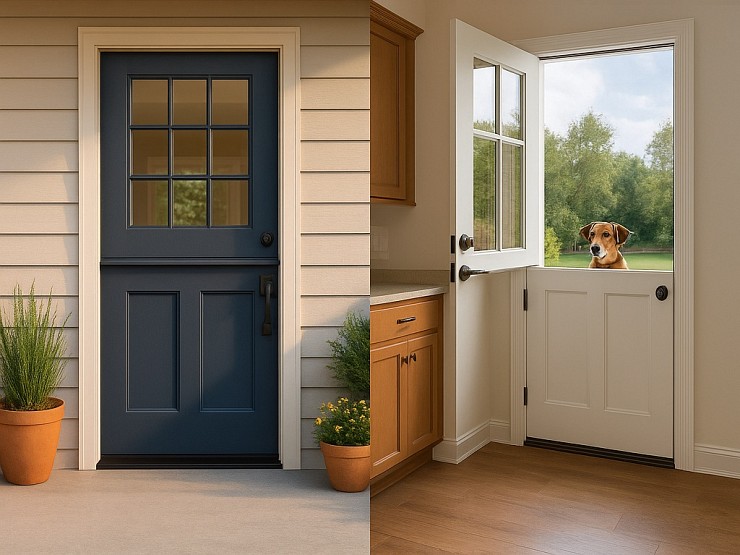
Thinking about changing your front door? A fiberglass Dutch door might have caught your eye. It’s not just a door. It’s part style statement, part smart functionality.
Read More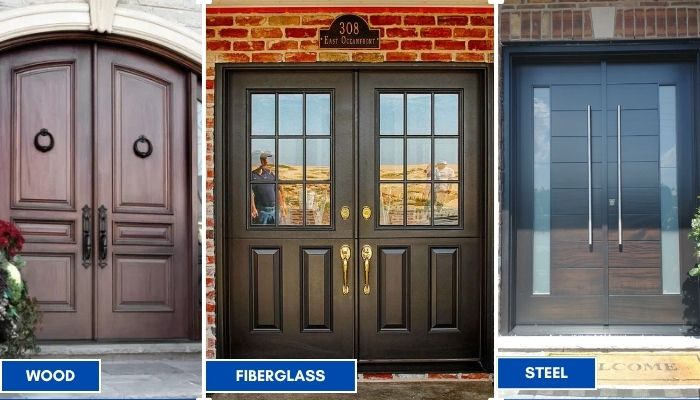
Thinking about replacing your front doors? Double doors are a bold upgrade. They look great, let in more light, and make moving big stuff easier. But the material you choose makes all the difference; especially here in Toronto.
Read More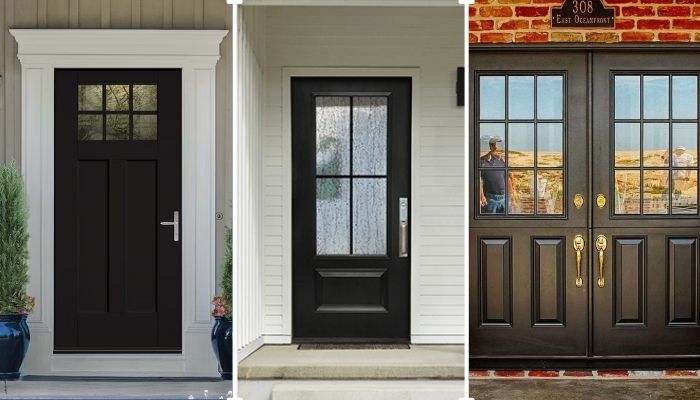
Thinking of giving your home that cozy, farmhouse charm? Let’s talk doors. Specifically, the fiberglass front doors in farmhouse style. You get the rustic look, without the rot, warping, or constant upkeep that comes with wood.
Read More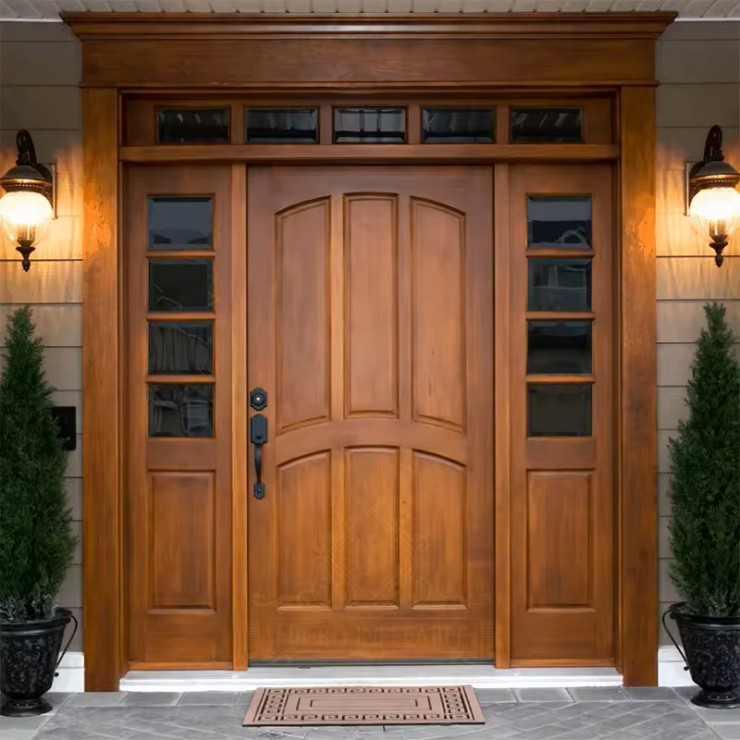
You want something that looks great, lasts long, and doesn’t stress you out with maintenance. You’re not alone. That’s exactly why more and more Toronto homeowners are choosing...
Read More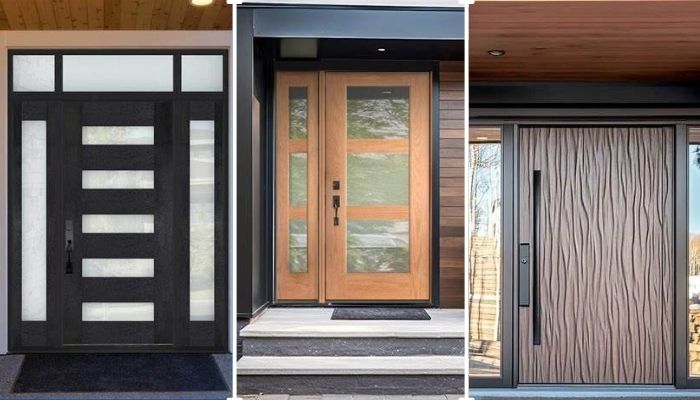
Thinking about replacing your front door? Let’s talk fiberglass. It's one of the smartest upgrades you can make, especially if you're living in Toronto. Whether your current door is drafty, outdated, or just plain boring.
Read More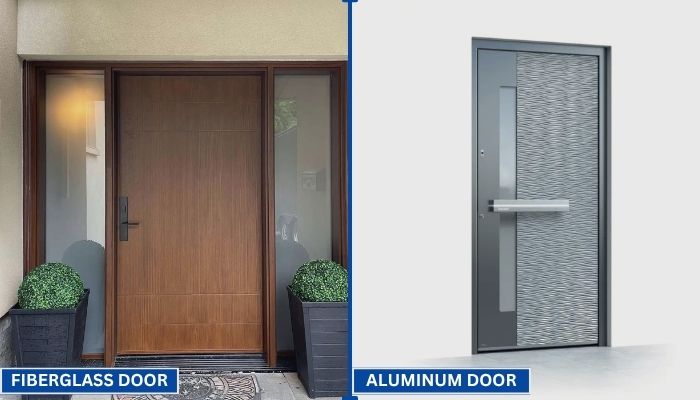
Your front door does more than just open and close. It protects your home, adds curb appeal, and helps control indoor temperature. That’s why picking the right door material matters.
Read More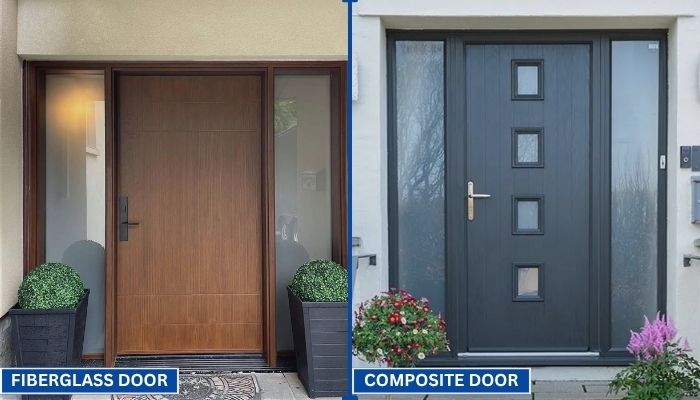
Choosing the right door can be confusing. You want something that looks good, lasts long, and keeps your home secure. Two of the most popular options today are fiberglass and composite doors.
Read More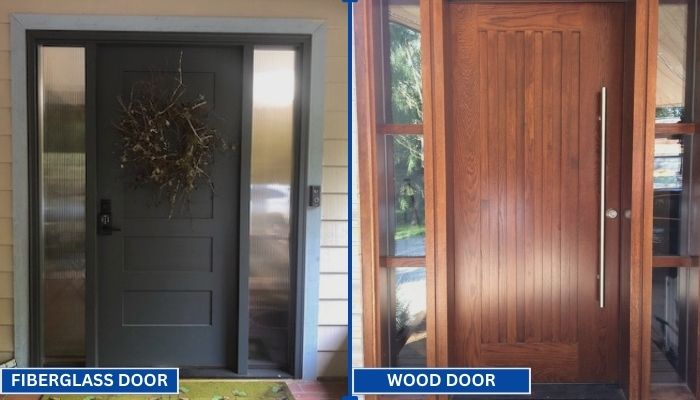
Replacing your front door is a big decision. Wood and fiberglass are two of the most popular materials for entry doors. Each has its own strengths in terms of style, durability, and maintenance. To help you choose the right one for your home, we have to go through a clear comparison.
Read MoreChoosing the right Pvc Roofing Solutions requires more than comparing product prices. A roof must suit the building, climate, drainage design, and installation conditions. PVC membranes are valued for their welded seams, water resistance, and practical performance on commercial roofs. However, one product cannot solve every roofing problem.
A dependable evaluation starts with roof measurements, substrate condition, insulation requirements, and expected foot traffic. Check membrane thickness, reinforcement, fire performance, chemical resistance, and ultraviolet protection. Review technical data from established manufacturers, not only promotional claims. A qualified roofing contractor should inspect flashing details, drains, penetrations, and edge restraints before recommending materials. Small details matter.
Climate changes the decision.
Hot roofs need strong UV stability. Cold regions demand flexible materials. Buildings near restaurants may require better grease resistance. Coastal properties also face salt and wind exposure. Warranty language deserves careful reading, especially exclusions involving ponding water, poor maintenance, or unauthorized repairs. Local building requirements should guide the final specification.
Experience can reveal practical weaknesses. A membrane may perform well, yet fail after careless welding or weak detailing. Even excellent Pvc Roofing Solutions need trained installers and scheduled inspections. No system is perfect. That is worth admitting. Budget pressure may encourage thinner membranes, but short-term savings can increase repair risks. This guide examines material quality, installation expertise, maintenance expectations, and long-term value, helping property owners make a more informed and realistic roofing decision.
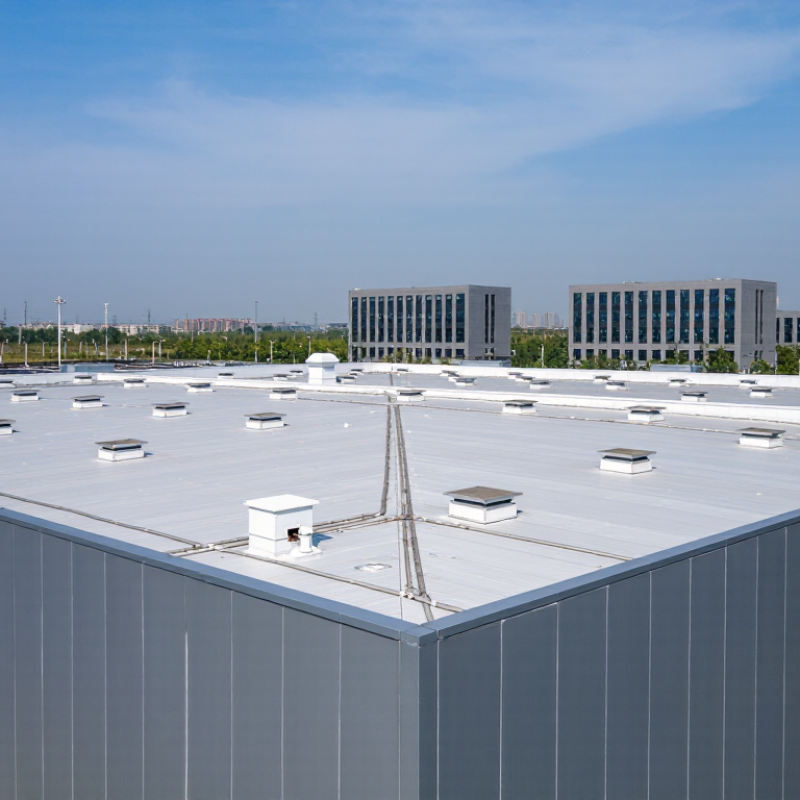
PVC roofing is a flexible single-ply membrane made from polyvinyl chloride, plasticizers, and stabilizers. It is manufactured in sheets, then installed over insulation or an existing roof deck. Heat-welded seams create a continuous surface that resists water entry. That seam matters. Unlike asphalt systems, PVC reflects much solar radiation when its surface is light-colored. However, actual energy savings depend on insulation, ventilation, climate, and building use.
During installation, trained roofers mechanically fasten, adhere, or combine both methods according to the roof design. They detail laps, drains, curbs, pipes, and edges with care. A small wrinkle near a drain can become a serious ponding problem. On commercial roofs, technicians often inspect welds with probes and test samples before completion. That experience is useful, yet it is not infallible. Weather, substrate movement, and poor detailing can still shorten service life.
Choosing the best PVC solution requires more than comparing membrane thickness. Check local wind loads, fire requirements, expected foot traffic, drainage, and insulation targets. A thicker sheet may offer better puncture resistance, but it may not solve weak decking or standing water. Ask for documented installation experience, written specifications, warranty conditions, and a maintenance plan. Review the roof after storms. Clean drains, repair damaged flashings, and record changes before minor defects spread. I would not treat PVC as maintenance-free; that assumption is practical, easy, and wrong.
We’ll Come To You!
Quality New Windows & Doors. Competitively Priced!
Christine R.
Please, enter a valid value