
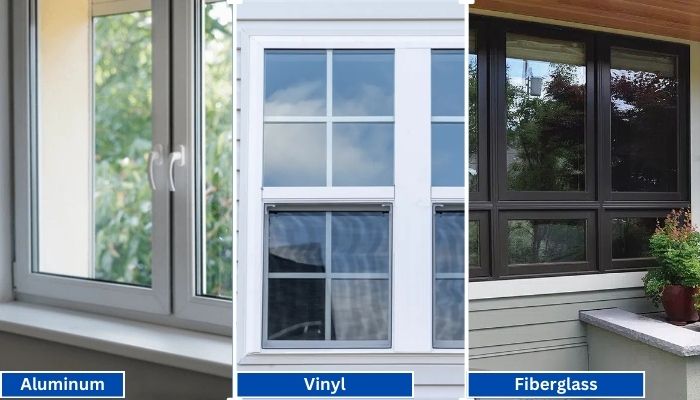
Vinyl generally has the shortest lead times because it is widely produced in standard configurations. Fiberglass is mid-range, especially for factory-painted colors.
Read More
PROUDLY CANADIAN COMPANY OWNED & OPERATED IN TORONTO SINCE 1989!
Vinyl generally has the shortest lead times because it is widely produced in standard configurations. Fiberglass is mid-range, especially for factory-painted colors.
Read More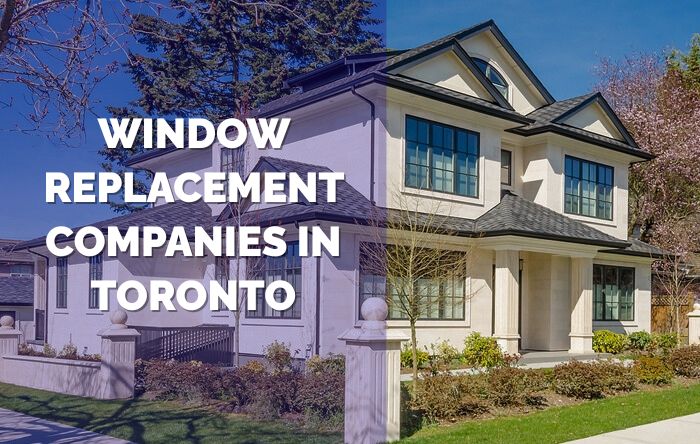
Vinyl windows have become the go-to choice for homeowners in Toronto, thanks to their durability, energy efficiency, and low maintenance requirements. Whether you're upgrading your home for better insulation or enhancing
Read More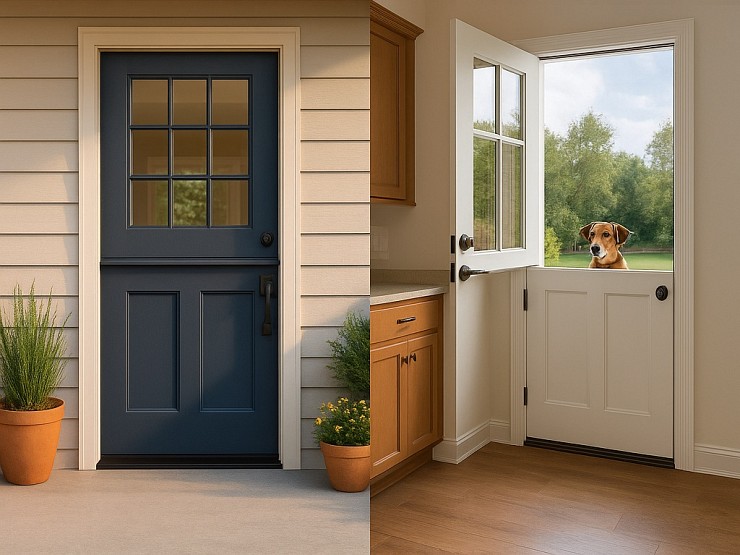
Thinking about changing your front door? A fiberglass Dutch door might have caught your eye. It’s not just a door. It’s part style statement, part smart functionality.
Read More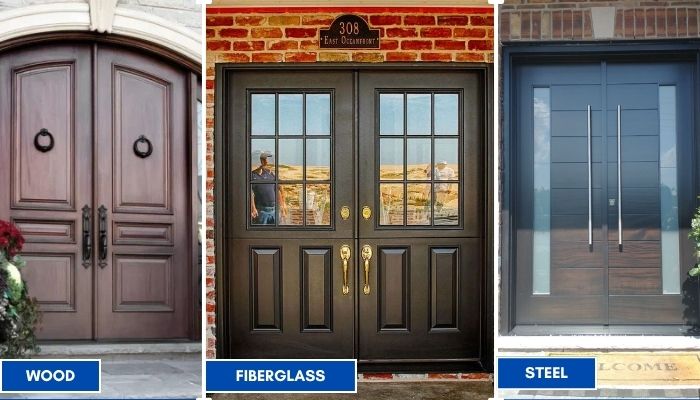
Thinking about replacing your front doors? Double doors are a bold upgrade. They look great, let in more light, and make moving big stuff easier. But the material you choose makes all the difference; especially here in Toronto.
Read More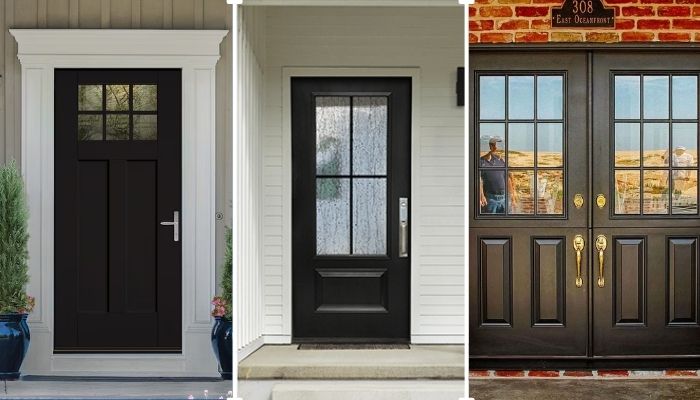
Thinking of giving your home that cozy, farmhouse charm? Let’s talk doors. Specifically, the fiberglass front doors in farmhouse style. You get the rustic look, without the rot, warping, or constant upkeep that comes with wood.
Read More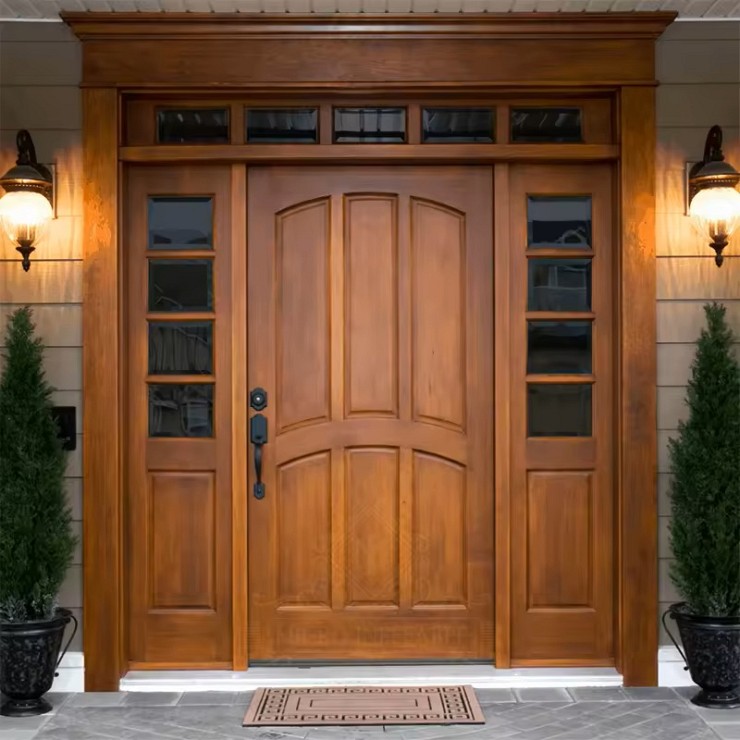
You want something that looks great, lasts long, and doesn’t stress you out with maintenance. You’re not alone. That’s exactly why more and more Toronto homeowners are choosing...
Read More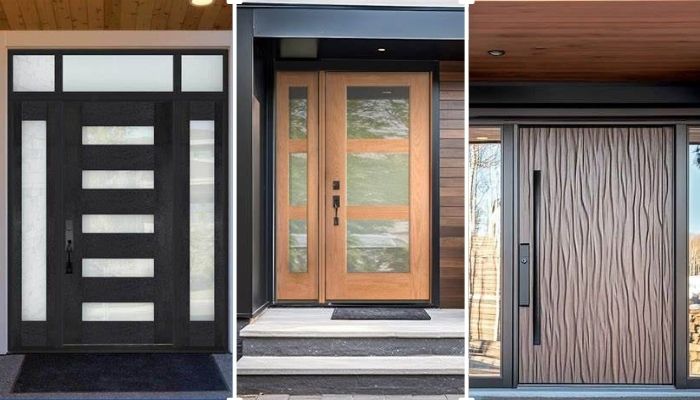
Thinking about replacing your front door? Let’s talk fiberglass. It's one of the smartest upgrades you can make, especially if you're living in Toronto. Whether your current door is drafty, outdated, or just plain boring.
Read More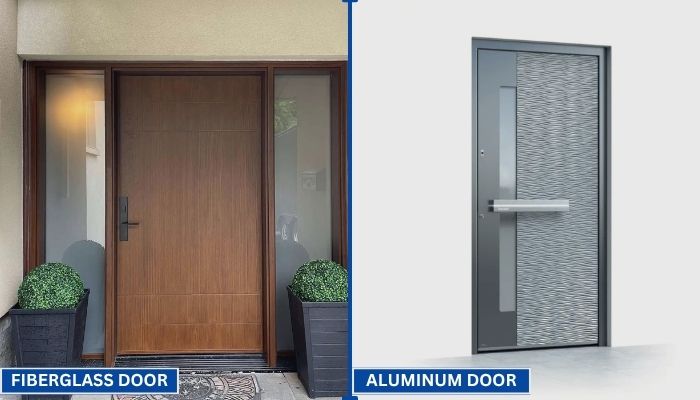
Your front door does more than just open and close. It protects your home, adds curb appeal, and helps control indoor temperature. That’s why picking the right door material matters.
Read More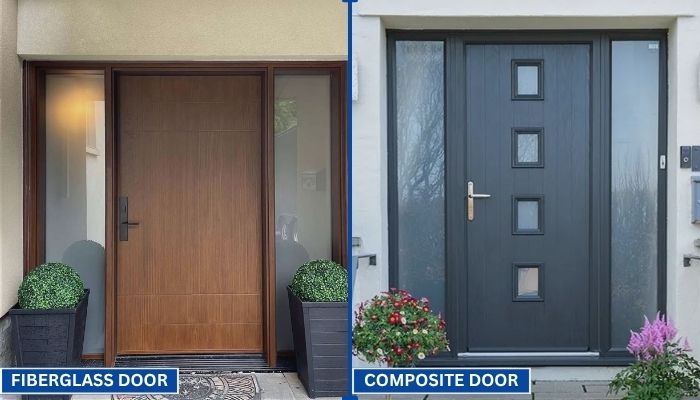
Choosing the right door can be confusing. You want something that looks good, lasts long, and keeps your home secure. Two of the most popular options today are fiberglass and composite doors.
Read More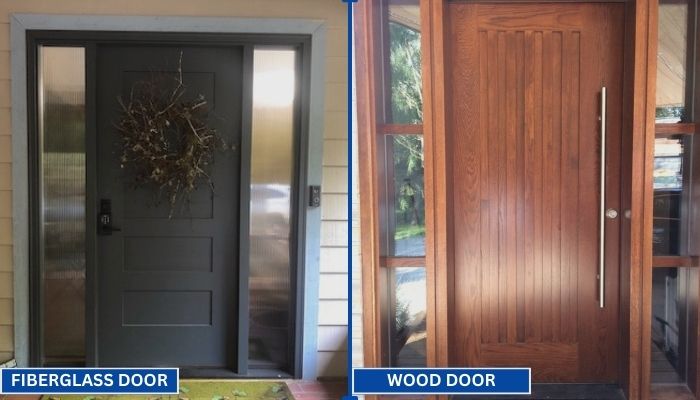
Replacing your front door is a big decision. Wood and fiberglass are two of the most popular materials for entry doors. Each has its own strengths in terms of style, durability, and maintenance. To help you choose the right one for your home, we have to go through a clear comparison.
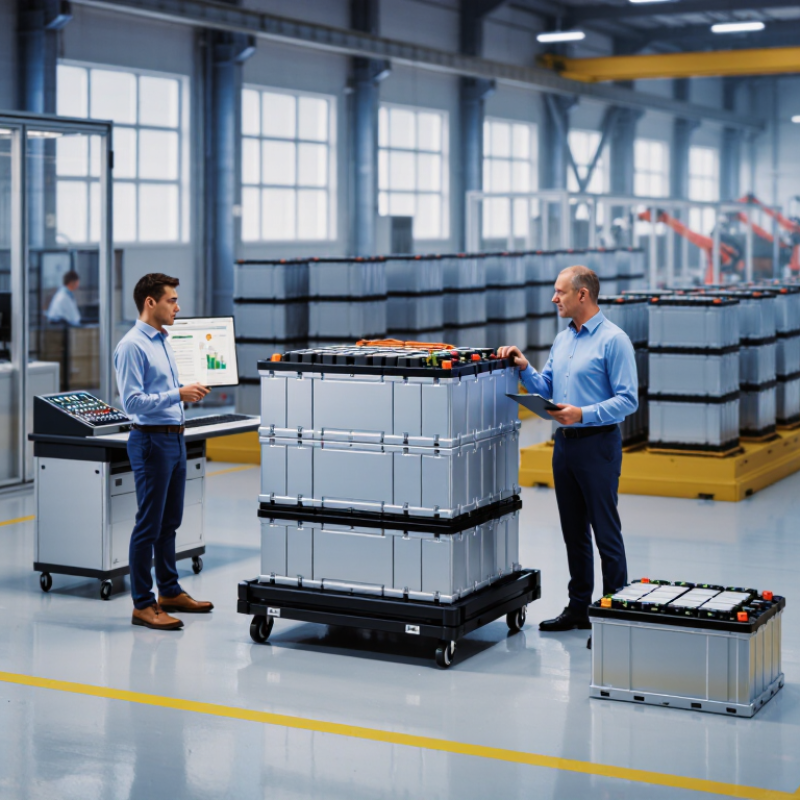
Read MoreChoosing a stackable battery storage factory is not just a price comparison. The right partner must show how its cells, battery management system, inverter options, and enclosure work together. Ask to see production records, test procedures, and a real unit under inspection. Look closely at cable routing, connector labels, and the way modules lock into place. Small details matter.
A composite industry perspective, represented here by battery-systems engineer Alex Morgan, puts the selection principle this way: “A dependable storage system starts with transparent testing and consistent integration.” This is an illustrative quotation, not a published statement. It points to a practical question: can the factory explain how it checks performance across different stack sizes? A polished brochure is not enough. Request clear specifications, warranty terms, and evidence that the offered configuration matches your intended use. Then compare the answers, not just the headline capacity.
This guide explores how to assess a stackable battery storage factory, from manufacturing capability to quality control and after-sales support. It also considers where buyers can be too trusting. A neat showroom may hide uneven documentation. Take time to verify claims. That extra work can feel tedious, but it may prevent costly surprises after installation.
How to Choose the Best Stackable Battery Storage Factory
Define Your Stackable Battery Storage Requirements
Start with the load. List what must stay powered, including pumps, refrigeration, lighting, or critical equipment. Record each device’s running watts, starting surge, and daily operating hours. Then estimate the required usable energy in kilowatt-hours and output power in kilowatts. These are different requirements. A system can store enough energy yet fail to start a motor.
Plan for the site, too. Measure available floor or wall space, access routes, ambient temperatures, and ventilation conditions. Decide whether the batteries will serve a home, commercial building, or off-grid installation. Specify desired backup duration, charging sources, expansion plans, and monitoring needs. Ask factories for module dimensions, usable capacity, continuous and peak output, cycle-life test conditions, and warranty limits. A capacity figure alone is not enough; test conditions matter.
Industry forecasts make careful sizing more important. The International Energy Agency’s Batteries and Secure Energy Transitions report says global battery storage capacity needs to grow sixfold by 2030, reaching 1,500 GW. In the United States, the Energy Information Administration projected battery capacity would rise from 15.5 GW in 2023 to 30 GW in 2024. Those figures describe a fast-growing market, not a guarantee of product quality. Compare factories using documented test data and clear answers about compatibility between modules. Leave room to grow. I have seen planning focus too heavily on today’s loads; future expansion sounds simple, but cable space and inverter limits can be overlooked.
We’ll Come To You!
Quality New Windows & Doors. Competitively Priced!
Christine R.
Please, enter a valid value