
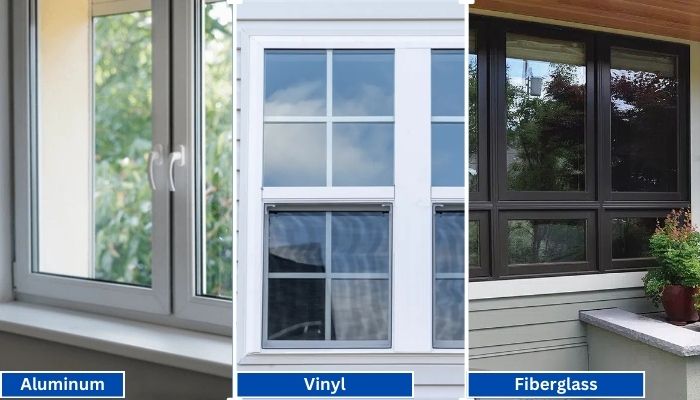
Vinyl generally has the shortest lead times because it is widely produced in standard configurations. Fiberglass is mid-range, especially for factory-painted colors.
Read More
PROUDLY CANADIAN COMPANY OWNED & OPERATED IN TORONTO SINCE 1989!
Vinyl generally has the shortest lead times because it is widely produced in standard configurations. Fiberglass is mid-range, especially for factory-painted colors.
Read More
Vinyl windows have become the go-to choice for homeowners in Toronto, thanks to their durability, energy efficiency, and low maintenance requirements. Whether you're upgrading your home for better insulation or enhancing
Read More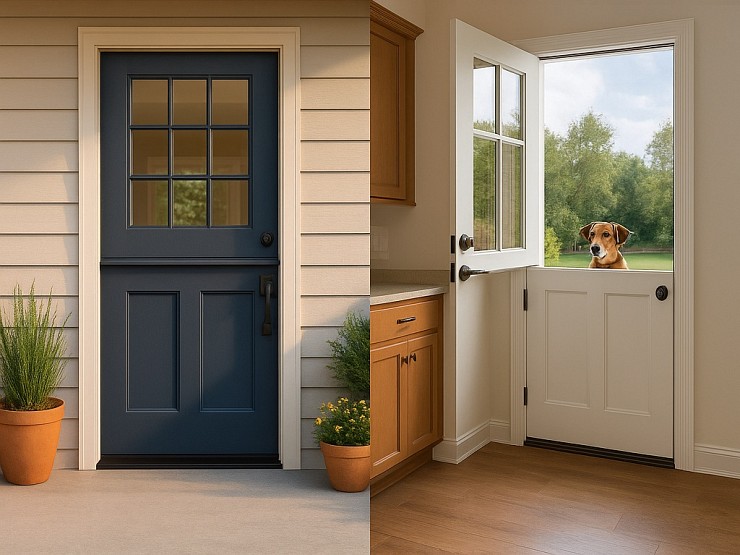
Thinking about changing your front door? A fiberglass Dutch door might have caught your eye. It’s not just a door. It’s part style statement, part smart functionality.
Read More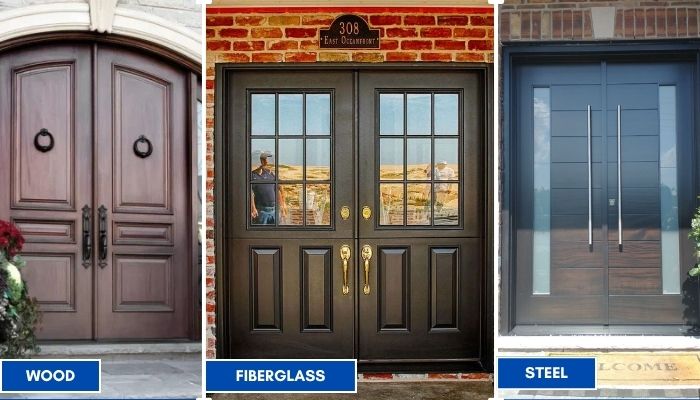
Thinking about replacing your front doors? Double doors are a bold upgrade. They look great, let in more light, and make moving big stuff easier. But the material you choose makes all the difference; especially here in Toronto.
Read More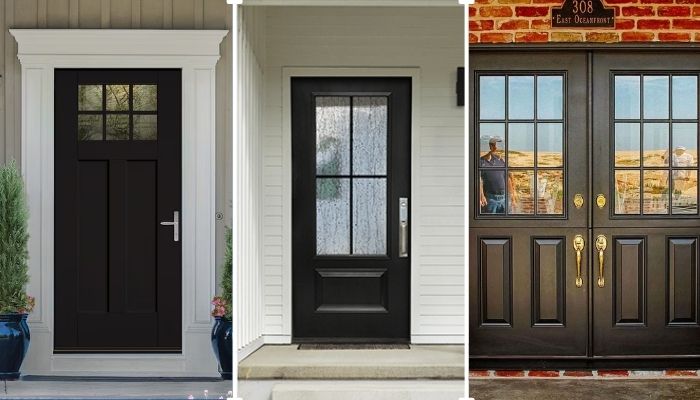
Thinking of giving your home that cozy, farmhouse charm? Let’s talk doors. Specifically, the fiberglass front doors in farmhouse style. You get the rustic look, without the rot, warping, or constant upkeep that comes with wood.
Read More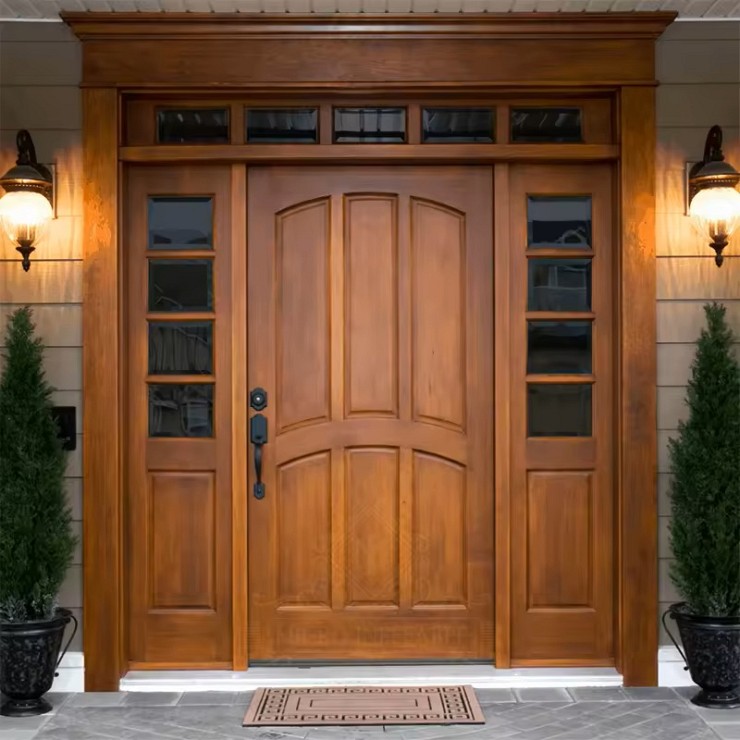
You want something that looks great, lasts long, and doesn’t stress you out with maintenance. You’re not alone. That’s exactly why more and more Toronto homeowners are choosing...
Read More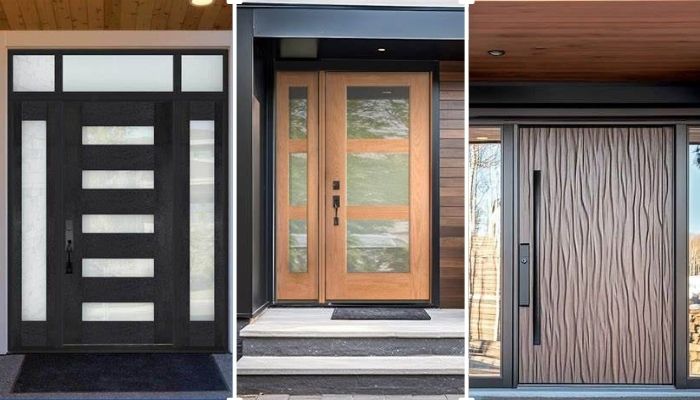
Thinking about replacing your front door? Let’s talk fiberglass. It's one of the smartest upgrades you can make, especially if you're living in Toronto. Whether your current door is drafty, outdated, or just plain boring.
Read More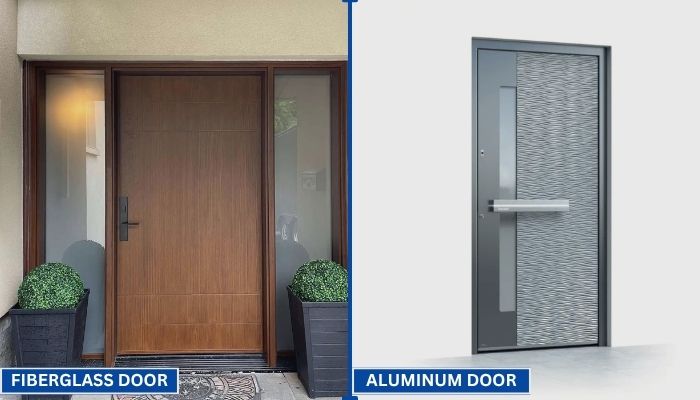
Your front door does more than just open and close. It protects your home, adds curb appeal, and helps control indoor temperature. That’s why picking the right door material matters.
Read More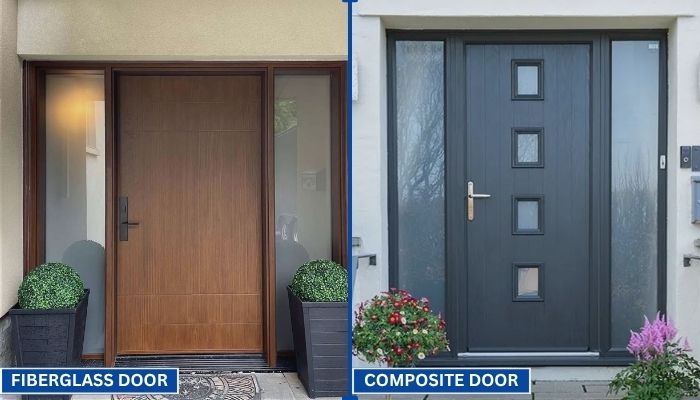
Choosing the right door can be confusing. You want something that looks good, lasts long, and keeps your home secure. Two of the most popular options today are fiberglass and composite doors.
Read More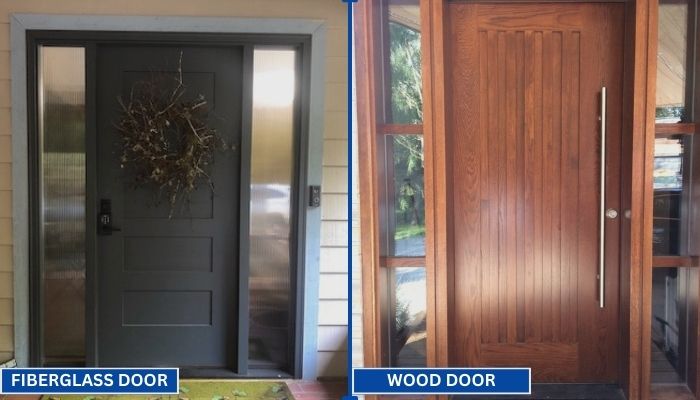
Replacing your front door is a big decision. Wood and fiberglass are two of the most popular materials for entry doors. Each has its own strengths in terms of style, durability, and maintenance. To help you choose the right one for your home, we have to go through a clear comparison.
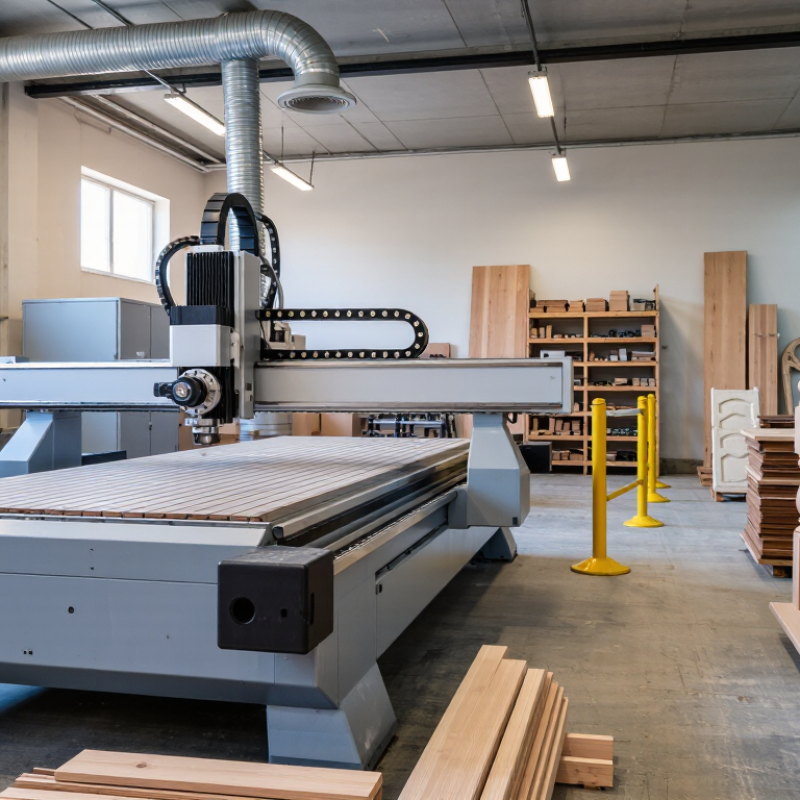
Read MoreChoosing a 5 Axis Wood Cnc Machine is a practical decision, not merely a comparison of prices and specifications. The right machine should match your materials, workshop space, production volume, and required surface quality. A cabinet maker producing stair parts needs different capabilities from a studio creating carved furniture panels.
Start with the cutting work you actually perform. Confirm the working envelope, spindle power, tool changer capacity, rotary range, and positioning accuracy. Dense hardwoods can expose weak motors and poor dust extraction quickly. A machine may appear powerful on paper, yet struggle with long oak cuts or deep angled pockets. That difference matters.
Software compatibility also deserves careful attention. Verify whether the controller supports your preferred CAD/CAM workflow and post-processors. A capable machine becomes frustrating when toolpaths require constant manual correction. Ask suppliers for sample cuts, tolerance reports, installation details, and customer references. Look closely at the finished edges, not just polished showroom videos.
Safety is part of machine quality. Check guarding, emergency stops, electrical certification, training, and after-sales support. Reliable service can prevent a small spindle fault from becoming a costly production delay. No machine is perfect. Your budget may force compromises. The real question is whether those compromises affect accuracy, uptime, or operator confidence. This guide examines those trade-offs and helps you choose equipment that performs reliably in real woodworking conditions.
We’ll Come To You!
Quality New Windows & Doors. Competitively Priced!
Christine R.
Please, enter a valid value