
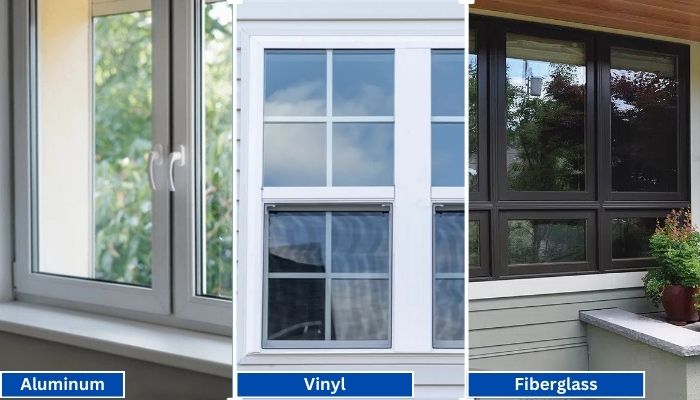
Vinyl generally has the shortest lead times because it is widely produced in standard configurations. Fiberglass is mid-range, especially for factory-painted colors.
Read More
PROUDLY CANADIAN COMPANY OWNED & OPERATED IN TORONTO SINCE 1989!
Vinyl generally has the shortest lead times because it is widely produced in standard configurations. Fiberglass is mid-range, especially for factory-painted colors.
Read More
Vinyl windows have become the go-to choice for homeowners in Toronto, thanks to their durability, energy efficiency, and low maintenance requirements. Whether you're upgrading your home for better insulation or enhancing
Read More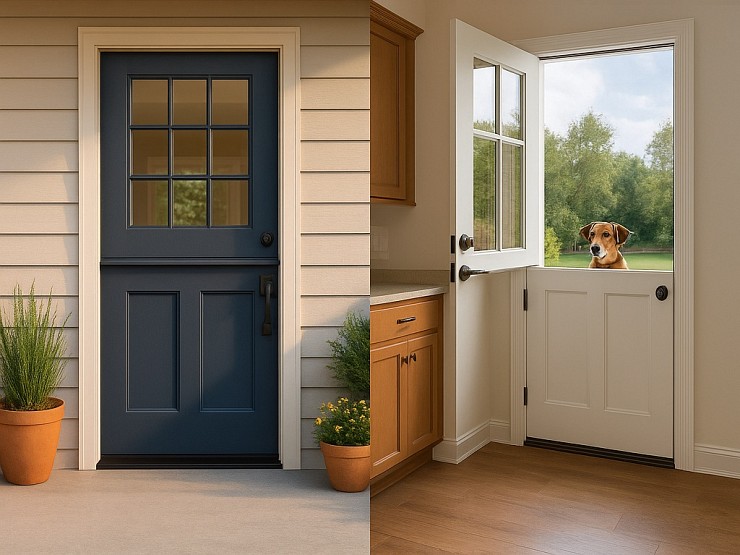
Thinking about changing your front door? A fiberglass Dutch door might have caught your eye. It’s not just a door. It’s part style statement, part smart functionality.
Read More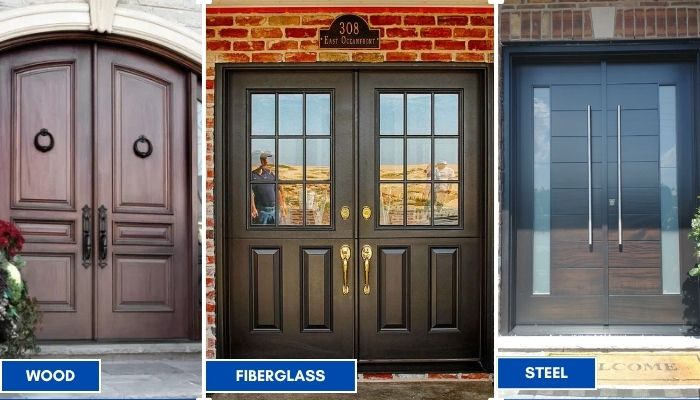
Thinking about replacing your front doors? Double doors are a bold upgrade. They look great, let in more light, and make moving big stuff easier. But the material you choose makes all the difference; especially here in Toronto.
Read More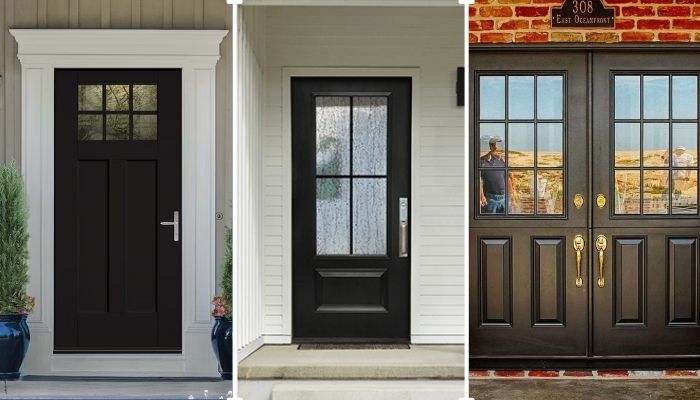
Thinking of giving your home that cozy, farmhouse charm? Let’s talk doors. Specifically, the fiberglass front doors in farmhouse style. You get the rustic look, without the rot, warping, or constant upkeep that comes with wood.
Read More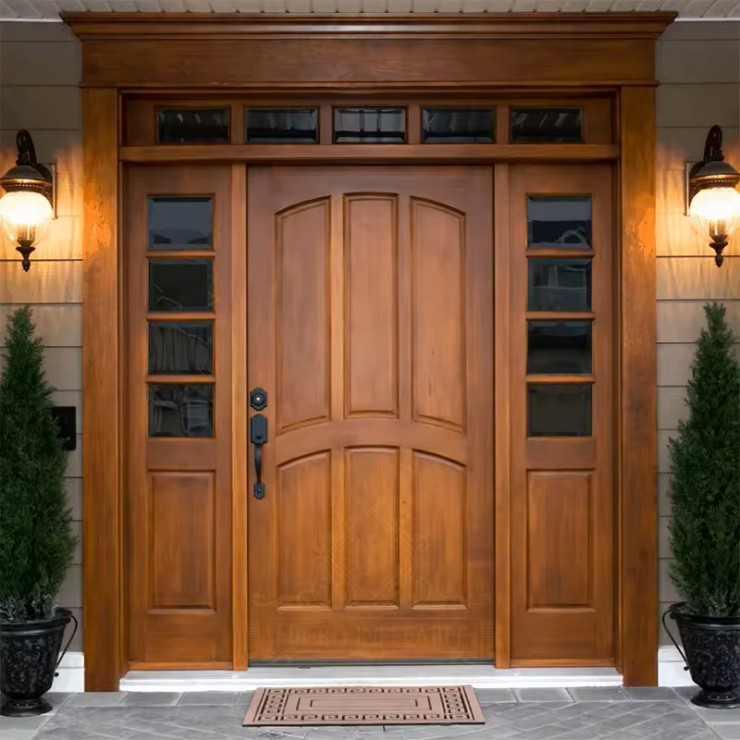
You want something that looks great, lasts long, and doesn’t stress you out with maintenance. You’re not alone. That’s exactly why more and more Toronto homeowners are choosing...
Read More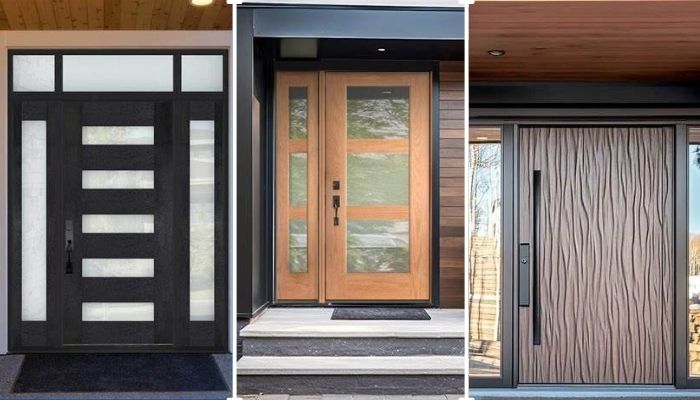
Thinking about replacing your front door? Let’s talk fiberglass. It's one of the smartest upgrades you can make, especially if you're living in Toronto. Whether your current door is drafty, outdated, or just plain boring.
Read More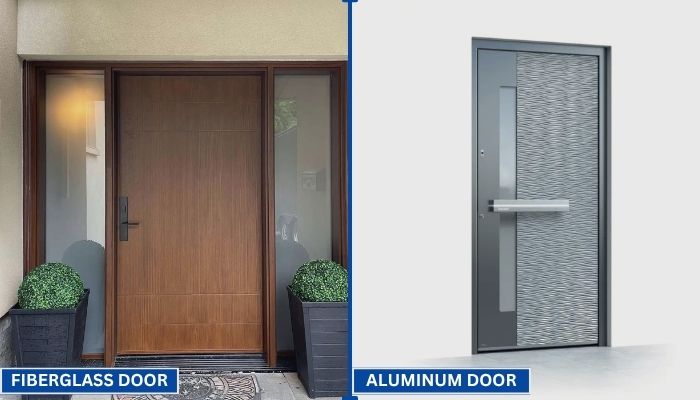
Your front door does more than just open and close. It protects your home, adds curb appeal, and helps control indoor temperature. That’s why picking the right door material matters.
Read More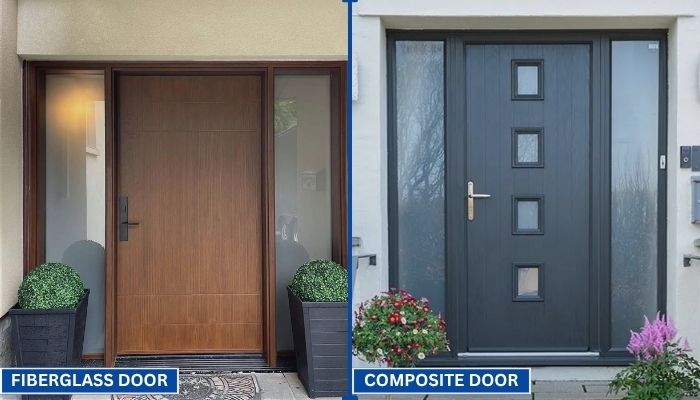
Choosing the right door can be confusing. You want something that looks good, lasts long, and keeps your home secure. Two of the most popular options today are fiberglass and composite doors.
Read More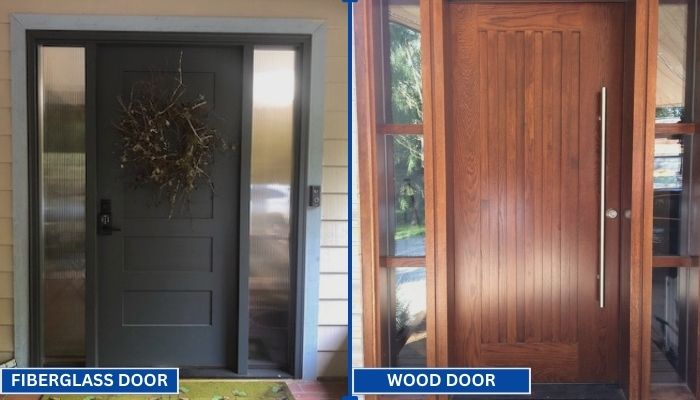
Replacing your front door is a big decision. Wood and fiberglass are two of the most popular materials for entry doors. Each has its own strengths in terms of style, durability, and maintenance. To help you choose the right one for your home, we have to go through a clear comparison.
Read MoreChoosing the right battery pack supplier can determine whether a product performs reliably or fails in the field. The decision reaches beyond price, cell capacity, and attractive product photos. It involves chemistry, thermal management, battery management systems, production discipline, and after-sales support.
Battery researcher Dr. Shirley Meng puts it plainly: “Batteries are the heart of electrification.” Her statement explains why supplier evaluation deserves technical attention. A dependable supplier should provide clear cell specifications, realistic cycle-life data, traceable materials, and test records from controlled conditions. Ask how the battery pack handles heat, vibration, overcharging, storage, and repeated discharge. Request samples before signing a large contract. Test them in the actual device, not only in a laboratory fixture.
Look closely at manufacturing details. Can the supplier explain welding methods, insulation layers, fuse placement, and BMS protection settings? Do engineers respond with measurements, or only promises? A factory visit may reveal loose cables, inconsistent labeling, or surprisingly clean processes. Small details matter.
No supplier is perfect. Neither is every buyer’s checklist. A spreadsheet can still mislead.
Consider warranty terms, replacement procedures, communication speed, and production capacity. A technically strong supplier may struggle with urgent revisions. A low-cost supplier may deliver unstable quality between batches. Compare evidence, not confidence. Confirm certifications and regional requirements with qualified professionals before purchase. The best battery pack partner combines engineering experience, honest limitations, consistent quality control, and the patience to improve designs when real-world testing exposes weaknesses.
Define the pack before comparing suppliers. State nominal voltage, operating voltage, capacity, peak current, dimensions, and usable energy. A 48 V pack may require different protection than a 400 V system. Specify whether capacity means rated or usable ampere-hours. This detail prevents expensive misunderstandings.
Chemistry changes safety, lifespan, weight, and cost. Lithium iron phosphate usually offers strong cycle durability, while nickel-rich lithium-ion cells can provide higher energy density. Ask suppliers for independent test records, not only cell datasheets.
The International Energy Agency reported global battery manufacturing capacity above 2.5 TWh in 2023, showing that supply is expanding rapidly. More suppliers do not always mean better engineering.
For many mobility and industrial applications, 150–265 Wh/kg at pack level is a practical screening range. Confirm how the figure was measured. Was it based on the complete pack, including housing, busbars, cooling, and battery management electronics?
BloombergNEF reported an average lithium-ion pack price of 139 dollars per kWh in 2023. Price still needs context. A lighter pack may reduce payload losses, but a cheaper pack may require earlier replacement.
Request cycle testing, low-temperature performance, thermal propagation evidence, and production traceability. I have seen promising prototypes miss their capacity target after enclosure integration. Real conditions are less forgiving. Allow room for error.
We’ll Come To You!
Quality New Windows & Doors. Competitively Priced!
Christine R.
Please, enter a valid value