
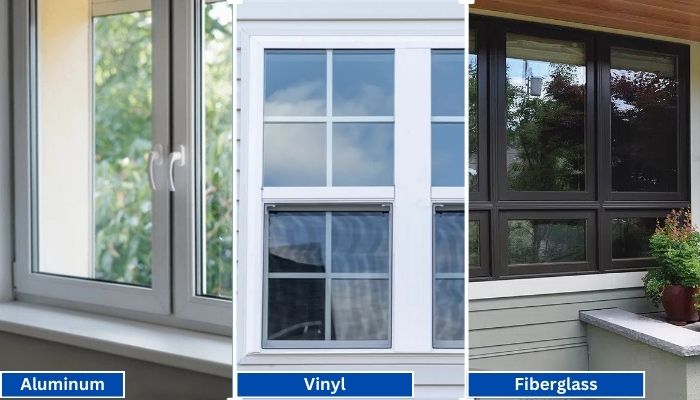
Vinyl generally has the shortest lead times because it is widely produced in standard configurations. Fiberglass is mid-range, especially for factory-painted colors.
Read More
PROUDLY CANADIAN COMPANY OWNED & OPERATED IN TORONTO SINCE 1989!
Vinyl generally has the shortest lead times because it is widely produced in standard configurations. Fiberglass is mid-range, especially for factory-painted colors.
Read More
Vinyl windows have become the go-to choice for homeowners in Toronto, thanks to their durability, energy efficiency, and low maintenance requirements. Whether you're upgrading your home for better insulation or enhancing
Read More
Thinking about changing your front door? A fiberglass Dutch door might have caught your eye. It’s not just a door. It’s part style statement, part smart functionality.
Read More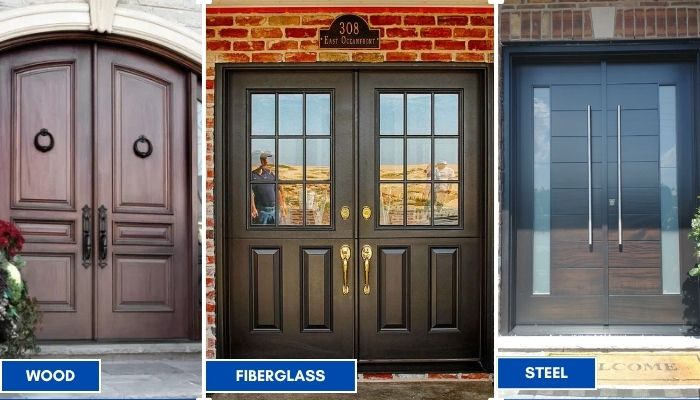
Thinking about replacing your front doors? Double doors are a bold upgrade. They look great, let in more light, and make moving big stuff easier. But the material you choose makes all the difference; especially here in Toronto.
Read More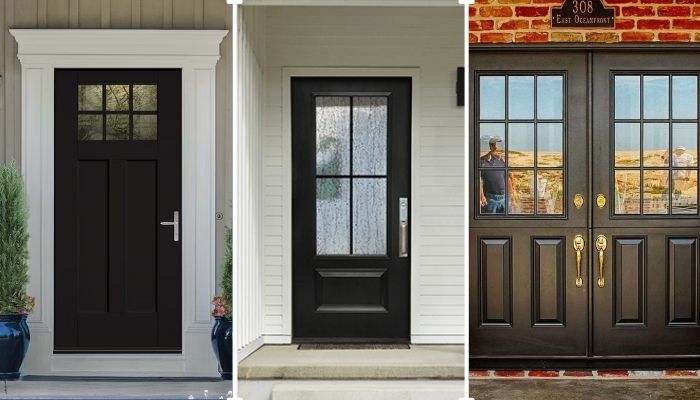
Thinking of giving your home that cozy, farmhouse charm? Let’s talk doors. Specifically, the fiberglass front doors in farmhouse style. You get the rustic look, without the rot, warping, or constant upkeep that comes with wood.
Read More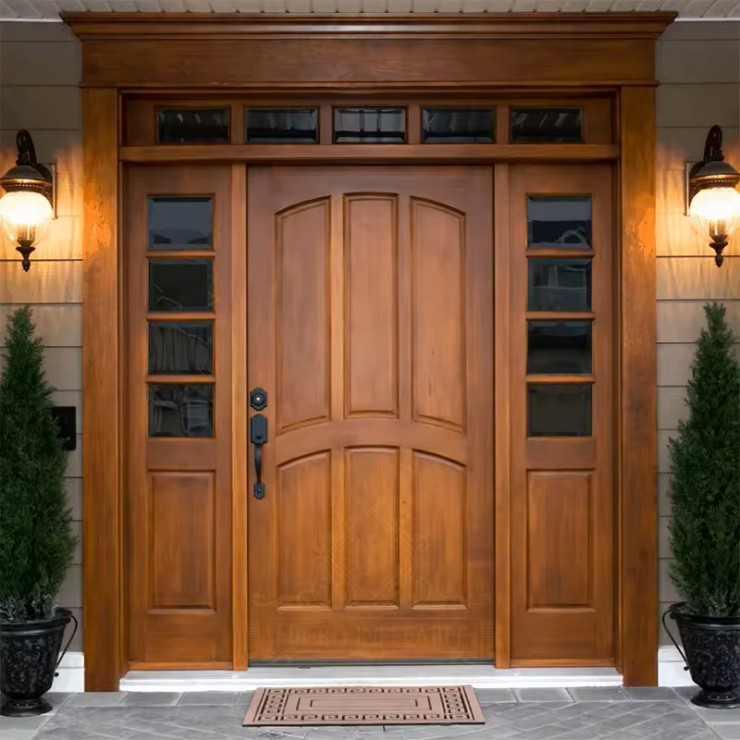
You want something that looks great, lasts long, and doesn’t stress you out with maintenance. You’re not alone. That’s exactly why more and more Toronto homeowners are choosing...
Read More
Thinking about replacing your front door? Let’s talk fiberglass. It's one of the smartest upgrades you can make, especially if you're living in Toronto. Whether your current door is drafty, outdated, or just plain boring.
Read More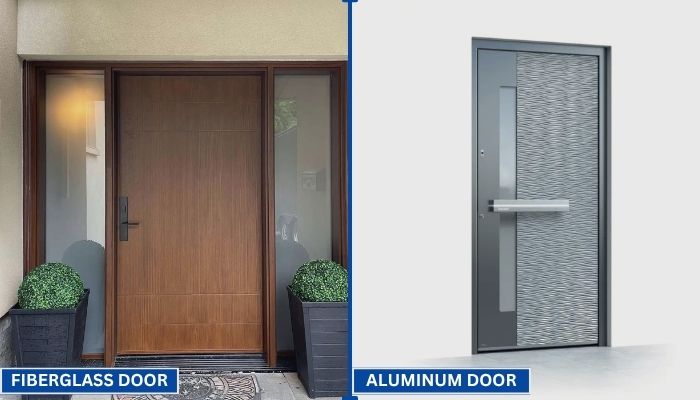
Your front door does more than just open and close. It protects your home, adds curb appeal, and helps control indoor temperature. That’s why picking the right door material matters.
Read More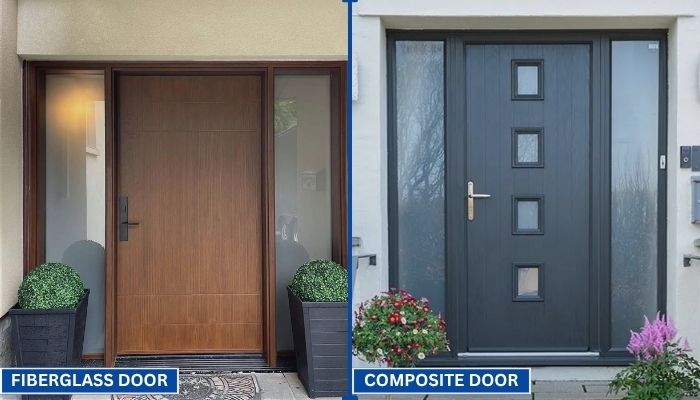
Choosing the right door can be confusing. You want something that looks good, lasts long, and keeps your home secure. Two of the most popular options today are fiberglass and composite doors.
Read More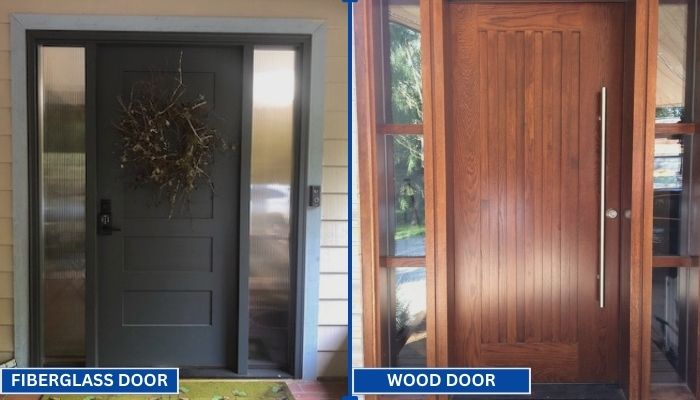
Replacing your front door is a big decision. Wood and fiberglass are two of the most popular materials for entry doors. Each has its own strengths in terms of style, durability, and maintenance. To help you choose the right one for your home, we have to go through a clear comparison.
Read MoreChoosing the right Spunlace Fabric supplier can shape product quality, production stability, and customer trust. A reliable supplier should provide more than attractive prices. They should understand fiber selection, web formation, hydroentanglement, drying, finishing, and packaging. These details affect softness, strength, absorbency, lint levels, and roll consistency. A sample may look excellent under showroom lights. Production performance can still differ.
Start by defining your application clearly. Medical wipes, cosmetic pads, household cleaning cloths, and industrial materials require different specifications. Confirm basis weight, width, fiber composition, tensile strength, elongation, absorbency, and surface feel. Ask for recent test reports and production samples. Check whether the reported results match recognized testing methods. Small differences matter.
Look beyond the product sheet. Review the supplier’s factory experience, quality-control process, traceability system, and delivery record. A dependable manufacturer should explain how incoming fibers are inspected and how defects are handled. Request information about equipment maintenance, batch identification, and corrective actions. Certifications can support credibility, but they should be verified rather than accepted blindly.
Ask practical questions. Can they reproduce the same texture? Can they meet peak-season demand? How quickly do they communicate when a roll fails inspection? These answers reveal operational maturity. One common mistake is choosing the lowest quote before confirming hidden costs, minimum order quantities, or packaging requirements. I have seen buyers focus on price and later pay more through delays, rework, and unstable quality. The cheapest option is not always economical. A careful comparison protects both performance and long-term cooperation.

Before contacting a spunlace fabric supplier, define how the fabric must perform. Start with the end use, such as wipes, medical textiles, filtration layers, or personal care products. Each application needs different properties. Record the required fiber composition, basis weight, width, roll length, and color. Do not rely on vague terms like “soft” or “strong.”
Make the requirements measurable. Specify absorbency time, liquid retention, dry strength, wet strength, thickness, elongation, and lint level. If the fabric touches skin, request softness testing and information about processing residues. If it will be converted at high speed, check roll hardness, winding consistency, and edge quality. A practical specification might require 50 gsm material, 160 cm width, low lint, and stable performance after repeated handling. Exact values depend on the product design.
Request samples made with the proposed fiber blend and production method. Test them under real conditions, including temperature, humidity, folding, cutting, and packaging. Compare at least three sample lots when consistency matters. Keep test records with dates, equipment, and results. A first specification is rarely perfect. I once underestimated the effect of fabric thickness on converting speed. That small gap created avoidable waste. Leave room for review, but never leave critical requirements undefined. Ask the supplier which tests they perform, how often they inspect production, and whether their reports match independent testing methods.
| Requirement Dimension | Typical Specification Options | Example Starting Requirement | What to Confirm with the Supplier | Why It Matters |
|---|---|---|---|---|
| End Use | Wipes, medical drapes, wound-care materials, hygiene products, filtration media, or industrial cleaning materials | Disposable cleaning wipe requiring high absorbency and low lint | Experience with the intended application, converting process, and regulatory requirements | The correct fabric structure depends on the final product and its operating environment |
| Fiber Composition | 100% viscose, 100% polyester, 100% polypropylene, or blended fibers | 70% viscose / 30% polyester for absorbency combined with wet strength | Declared fiber ratio, fiber origin, recycled content, and compliance documentation | Fiber type affects absorbency, strength, softness, chemical resistance, and disposal considerations |
| Basis Weight | Approximately 25–200 g/m², depending on application | 50 ± 5 g/m² for a general-purpose disposable wipe | Nominal weight, tolerance, test conditioning, and batch-to-batch uniformity | Basis weight influences coverage, strength, absorbency capacity, softness, and material cost |
| Fabric Width | Custom slit width or roll width, commonly specified in millimeters | 1,600 mm finished roll width with ±2% tolerance | Usable width, edge quality, roll winding, splice frequency, and width tolerance | Accurate width reduces trimming waste and improves converting-line efficiency |
| Thickness | Often approximately 0.20–1.50 mm, depending on basis weight and bonding pattern | 0.55 ± 0.08 mm under an agreed test pressure | Test pressure, number of readings, compression behavior, and thickness tolerance | Thickness affects hand feel, cushioning, fluid retention, and folding performance |
| Tensile Strength | Specify separately in machine direction and cross direction, usually in N/5 cm or N/25 mm | MD ≥ 55 N/5 cm; CD ≥ 30 N/5 cm for a durable wipe | Test direction, gauge length, jaw separation, conditioning, and minimum values | Adequate strength helps prevent tearing during wet handling, folding, and packaging |
| Elongation | Commonly specified by direction, with values varying by fiber blend and bonding intensity | MD 25–60%; CD 40–90% for a conformable material | Elongation at break, test speed, direction, and acceptable tolerance | Elongation affects drape, conformability, dimensional stability, and converting accuracy |
| Absorbency | Absorption capacity, absorption time, and wicking rate | Absorption capacity ≥ 5 g/g; absorption time ≤ 5 seconds | Test liquid, sample size, immersion time, drainage method, and conditioning | Absorbency determines cleaning efficiency, fluid handling, and user experience |
| Surface Structure | Plain, embossed, apertured, patterned, or textured surface | Moderately textured surface for improved pickup without excessive skin friction | Pattern repeat, aperture size, surface uniformity, and compatibility with the intended contact surface | Surface design influences pickup performance, softness, grip, and visual appearance |
| Wet Strength | Specify retained tensile strength after contact with water or the intended liquid | At least 70% of dry MD strength after 60 seconds of wetting | Test liquid, wetting time, drainage procedure, and minimum retained-strength percentage | Wet strength is essential when the material must remain intact during use |
| Lint and Particle Release | Low-lint, standard-lint, or application-specific particle limits | Low-lint grade for optical, medical, or precision-cleaning use | Lint test method, particle-size limits, cleanroom controls, and packaging cleanliness | Low lint helps prevent surface contamination and product defects |
| Softness and Hand Feel | Soft, medium, firm, or application-specific tactile profile | Soft hand feel suitable for repeated skin contact | Softness test results, finishing agents, odor, skin-contact suitability, and retained feel after wetting | Hand feel affects comfort, perceived quality, and suitability for personal-care applications |
| Color and Appearance | White, natural, dyed colors, or custom visual requirements | White fabric with consistent shade and no visible foreign matter | Color tolerance, whiteness requirements, dye fastness, stains, holes, and edge defects | Consistent appearance supports quality control and brand-neutral product presentation |
| Chemical Compatibility | Water, alcohol-based solutions, detergents, oils, disinfectants, or other formulations | No visible degradation after 24-hour contact with the specified cleaning solution | Compatibility test data, formulation details, discoloration, odor, swelling, and strength retention | Chemical resistance reduces tearing, residue, discoloration, and performance loss |
| Cleanliness and Safety | General hygiene grade, controlled-environment grade, or medical-use grade | Controlled production and sealed packaging for a non-sterile hygiene product | Microbial control, foreign-matter control, safety data, and applicable compliance documents | The required cleanliness level must match the risk profile of the finished product |
| Packaging and Roll Format | Rolls, sheets, folded packs, perforated rolls, or center-pull formats | Perforated rolls with controlled roll diameter and sealed moisture-resistant packaging | Core diameter, roll length, outside diameter, perforation interval, labels, and pallet configuration | Correct roll format prevents line stoppages and reduces storage and handling problems |
| Quality Control | Incoming-material inspection, in-process inspection, final inspection, and retained samples | Inspection plan covering basis weight, width, tensile strength, appearance, and packaging | Certificate of analysis, inspection records, sampling plan, calibration records, and complaint process | Documented controls make supplier performance measurable and repeatable |
| Sampling and Approval | Laboratory sample, production trial, pilot roll, or first-article approval | Approve one laboratory sample followed by a production-scale trial roll | Sample size, lead time, revision control, trial criteria, and approval procedure | A structured approval process helps identify converting and performance issues before mass production |
| Order and Supply Capacity | Minimum order quantity, monthly capacity, standard lead time, and emergency capacity | Initial order of 1–5 metric tons with regular replenishment every 4–8 weeks | Minimum order quantity, production schedule, capacity allocation, lead time, and backup arrangements | Supply capability must match forecast demand and prevent production interruptions |
| Sustainability Requirements | Recycled fiber content, biodegradable fiber options, wastewater control, and packaging reduction | Declared fiber content with supporting chain-of-custody or material documentation | Material declarations, recycled-content verification, environmental permits, and wastewater-management records | Clear sustainability evidence supports responsible sourcing and accurate product claims |
| Cost and Total Value | Price per kilogram, price per square meter, conversion yield, freight, and defect cost | Evaluate delivered cost per finished unit rather than fabric price alone | Quotation basis, Incoterms, payment terms, yield assumptions, surcharge policy, and claim handling | The lowest fabric price may not provide the lowest total production cost |
Note: The numerical values above are practical starting points for supplier discussions. Final specifications should be validated against the finished product, intended use, applicable regulations, and an agreed test method.
We’ll Come To You!
Quality New Windows & Doors. Competitively Priced!
Christine R.
Please, enter a valid value