
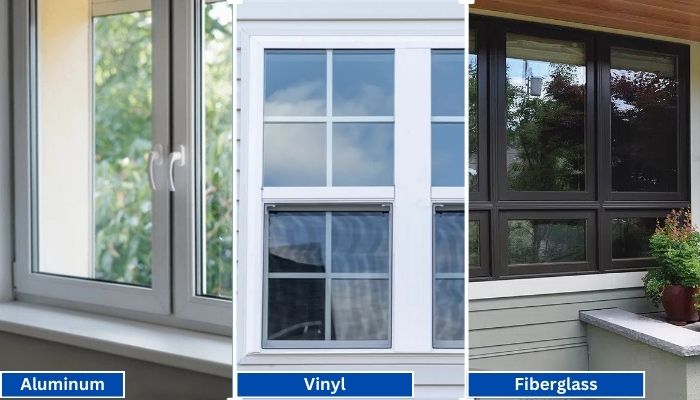
Vinyl generally has the shortest lead times because it is widely produced in standard configurations. Fiberglass is mid-range, especially for factory-painted colors.
Read More
PROUDLY CANADIAN COMPANY OWNED & OPERATED IN TORONTO SINCE 1989!
Vinyl generally has the shortest lead times because it is widely produced in standard configurations. Fiberglass is mid-range, especially for factory-painted colors.
Read More
Vinyl windows have become the go-to choice for homeowners in Toronto, thanks to their durability, energy efficiency, and low maintenance requirements. Whether you're upgrading your home for better insulation or enhancing
Read More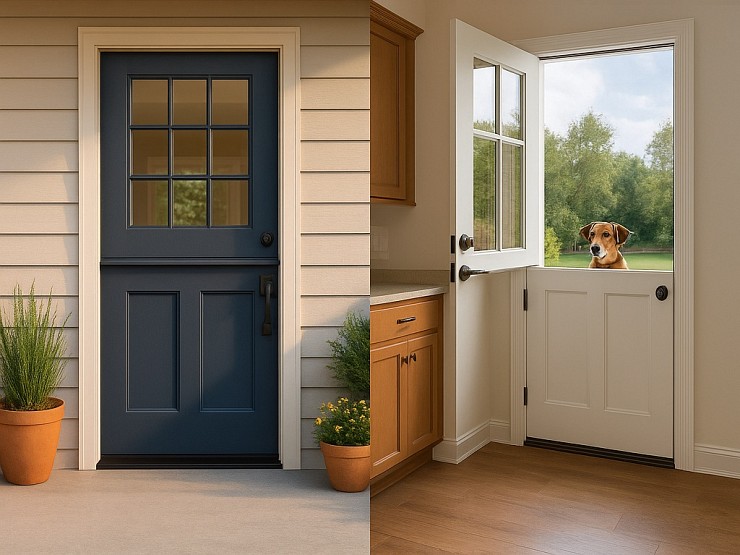
Thinking about changing your front door? A fiberglass Dutch door might have caught your eye. It’s not just a door. It’s part style statement, part smart functionality.
Read More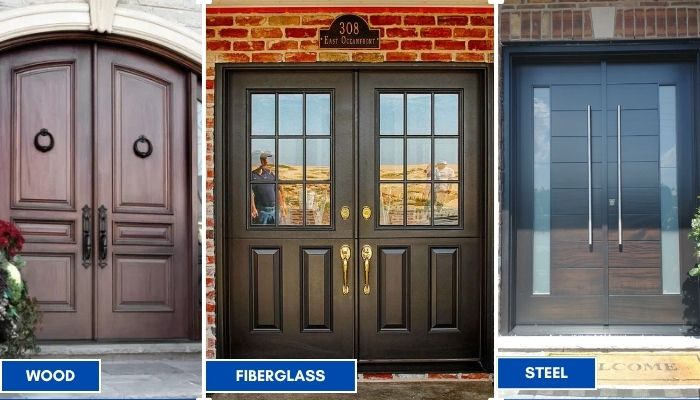
Thinking about replacing your front doors? Double doors are a bold upgrade. They look great, let in more light, and make moving big stuff easier. But the material you choose makes all the difference; especially here in Toronto.
Read More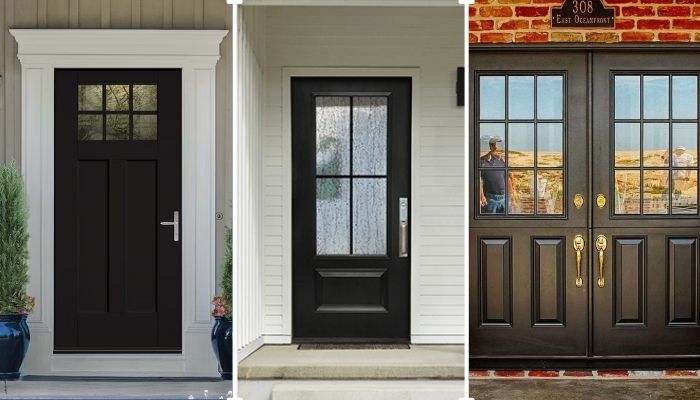
Thinking of giving your home that cozy, farmhouse charm? Let’s talk doors. Specifically, the fiberglass front doors in farmhouse style. You get the rustic look, without the rot, warping, or constant upkeep that comes with wood.
Read More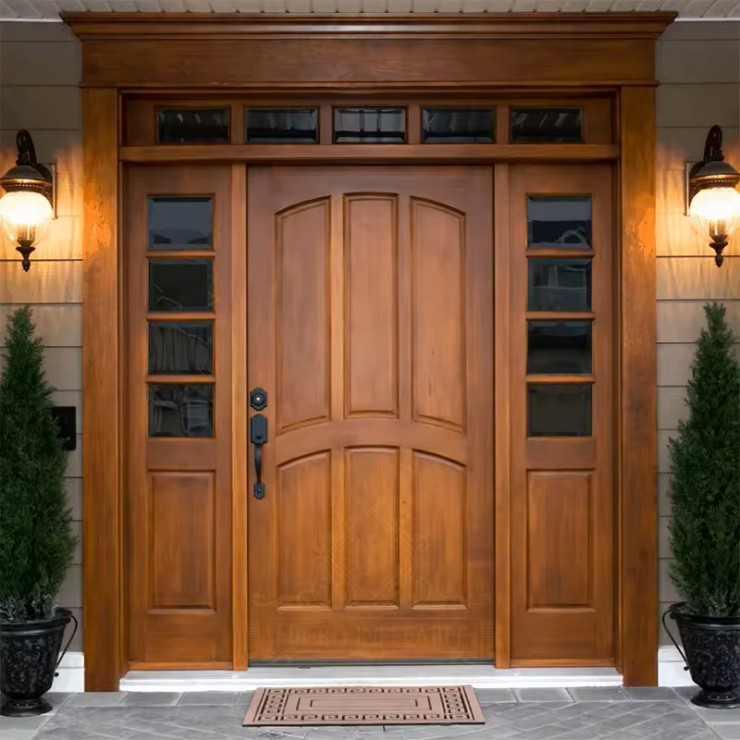
You want something that looks great, lasts long, and doesn’t stress you out with maintenance. You’re not alone. That’s exactly why more and more Toronto homeowners are choosing...
Read More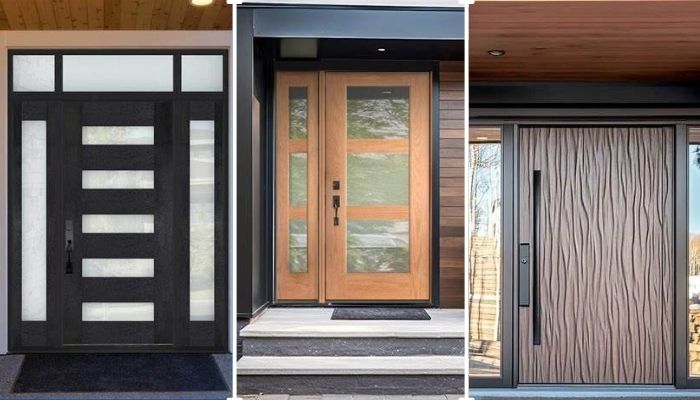
Thinking about replacing your front door? Let’s talk fiberglass. It's one of the smartest upgrades you can make, especially if you're living in Toronto. Whether your current door is drafty, outdated, or just plain boring.
Read More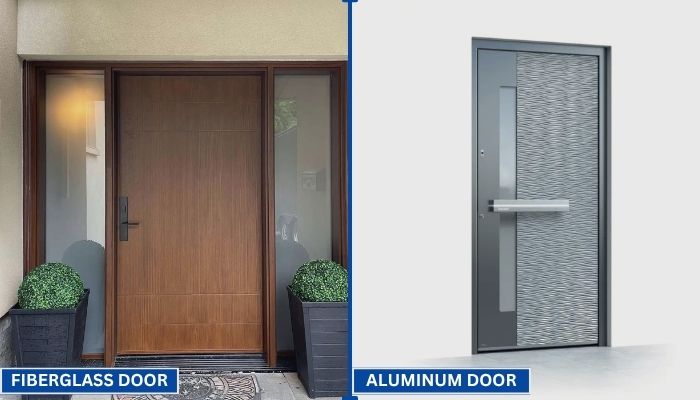
Your front door does more than just open and close. It protects your home, adds curb appeal, and helps control indoor temperature. That’s why picking the right door material matters.
Read More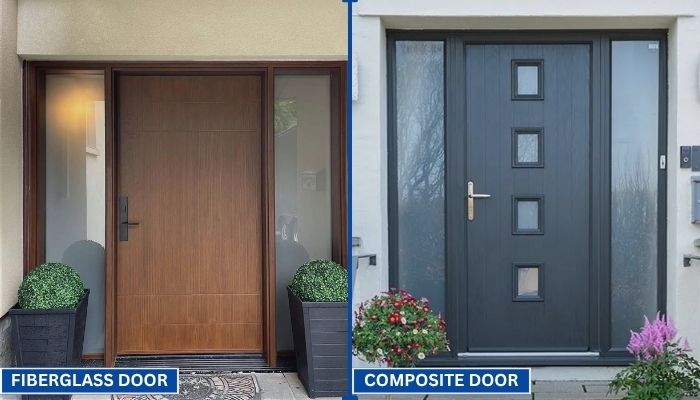
Choosing the right door can be confusing. You want something that looks good, lasts long, and keeps your home secure. Two of the most popular options today are fiberglass and composite doors.
Read More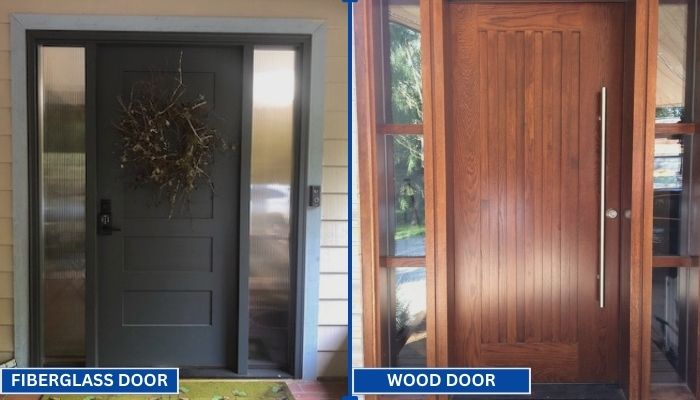
Replacing your front door is a big decision. Wood and fiberglass are two of the most popular materials for entry doors. Each has its own strengths in terms of style, durability, and maintenance. To help you choose the right one for your home, we have to go through a clear comparison.
Read MoreChoosing a China-based File Cabinet manufacturer requires more than comparing catalog prices. It requires evidence.
Grand View Research estimated the global office furniture market at approximately USD 54 billion in 2023. Its report also projects steady growth through 2030. This expansion creates more supplier choices, but it can hide major quality differences. CSIL’s World Office Furniture research identifies China as a significant production and export hub. However, market size does not prove factory reliability. That distinction matters.
An experienced buyer should examine steel thickness, weld consistency, powder-coating coverage, drawer alignment, and lock performance. Small details matter. Ask for material certificates, factory audit records, product test reports, and recent export references. Request close-up photographs of drawer runners and cabinet corners. A polished website proves little.
Check whether the manufacturer operates under a documented quality system, such as ISO 9001. For workplace storage, also review applicable standards, including EN 14073 requirements where relevant. Destination-market safety and chemical regulations must guide the final decision. Do not assume one certificate covers every country.
Compare samples before approving a large order. Measure the cabinet, open each drawer repeatedly, and inspect the coating under bright light. The cheapest quotation can become expensive through damage, replacement, and delayed delivery. That is not always obvious at the beginning.
A strong supplier should explain steel grades, production capacity, packaging methods, warranty terms, and corrective-action procedures. Request a written inspection plan. Then verify it independently when possible. Some factories will look excellent during a video call. A physical audit may still reveal weaknesses. That uncomfortable possibility deserves attention. Reliable selection combines report-based research, hands-on testing, transparent communication, and careful reflection.
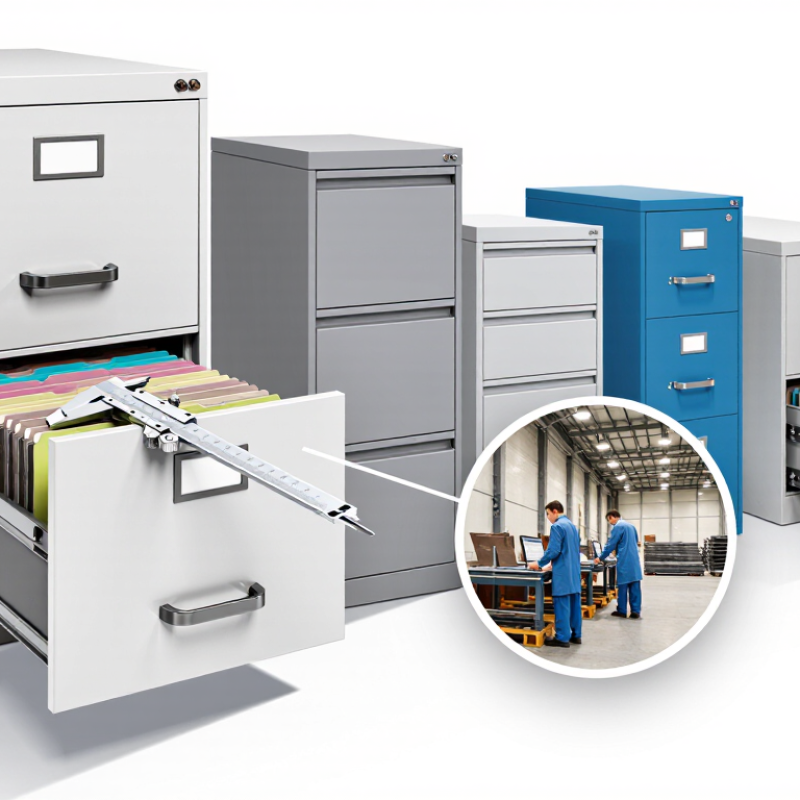
Choosing a file cabinet starts with its type, not its appearance. Vertical cabinets suit narrow offices and store folders in deep drawers. Lateral cabinets hold files side by side, making daily retrieval faster. Mobile cabinets save floor space but need stable rails and careful weight distribution. Measure your folders, available wall space, and walking clearance before comparing suppliers.
Capacity should be checked by usable drawer width, depth, and load rating. A cabinet may look large but lose space through thick runners or internal frames. For routine records, estimate current files and add room for future growth. Leave some empty space. Overfilled drawers jam easily and create unnecessary stress on the cabinet structure.
Steel thickness commonly ranges from 0.6 to 1.2 mm. A 0.6 mm panel can suit light office use when reinforced with folded edges and strong runners. Thicker 0.8–1.0 mm steel offers better resistance for frequent opening and heavier files. Around 1.2 mm may support demanding environments, but thickness alone does not prove quality. Check weld points, drawer alignment, anti-tilt mechanisms, surface coating, and tested load data.
In practical inspections, a thin panel with poor reinforcement often feels weaker than expected. I have also seen heavy cabinets with disappointing drawers. That detail deserves attention. Ask for material certificates, dimensional drawings, and sample testing before placing a large order.
We’ll Come To You!
Quality New Windows & Doors. Competitively Priced!
Christine R.
Please, enter a valid value