
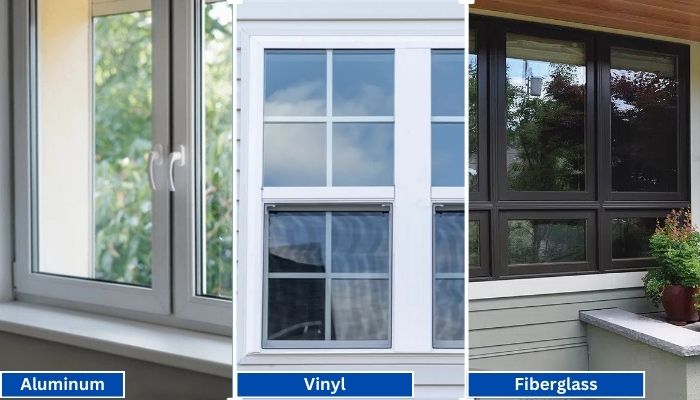
Vinyl generally has the shortest lead times because it is widely produced in standard configurations. Fiberglass is mid-range, especially for factory-painted colors.
Read More
PROUDLY CANADIAN COMPANY OWNED & OPERATED IN TORONTO SINCE 1989!
Vinyl generally has the shortest lead times because it is widely produced in standard configurations. Fiberglass is mid-range, especially for factory-painted colors.
Read More
Vinyl windows have become the go-to choice for homeowners in Toronto, thanks to their durability, energy efficiency, and low maintenance requirements. Whether you're upgrading your home for better insulation or enhancing
Read More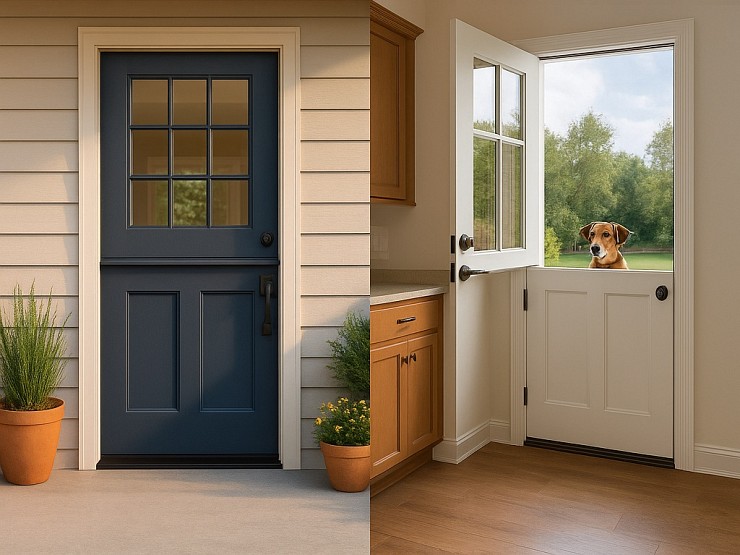
Thinking about changing your front door? A fiberglass Dutch door might have caught your eye. It’s not just a door. It’s part style statement, part smart functionality.
Read More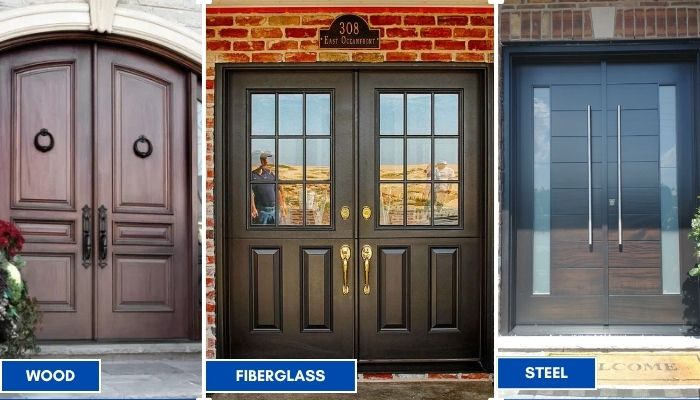
Thinking about replacing your front doors? Double doors are a bold upgrade. They look great, let in more light, and make moving big stuff easier. But the material you choose makes all the difference; especially here in Toronto.
Read More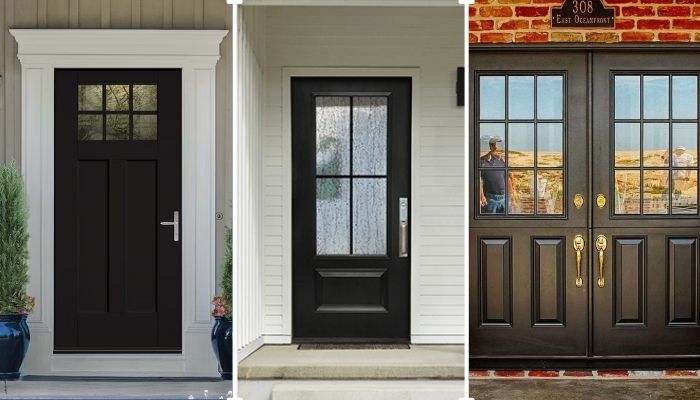
Thinking of giving your home that cozy, farmhouse charm? Let’s talk doors. Specifically, the fiberglass front doors in farmhouse style. You get the rustic look, without the rot, warping, or constant upkeep that comes with wood.
Read More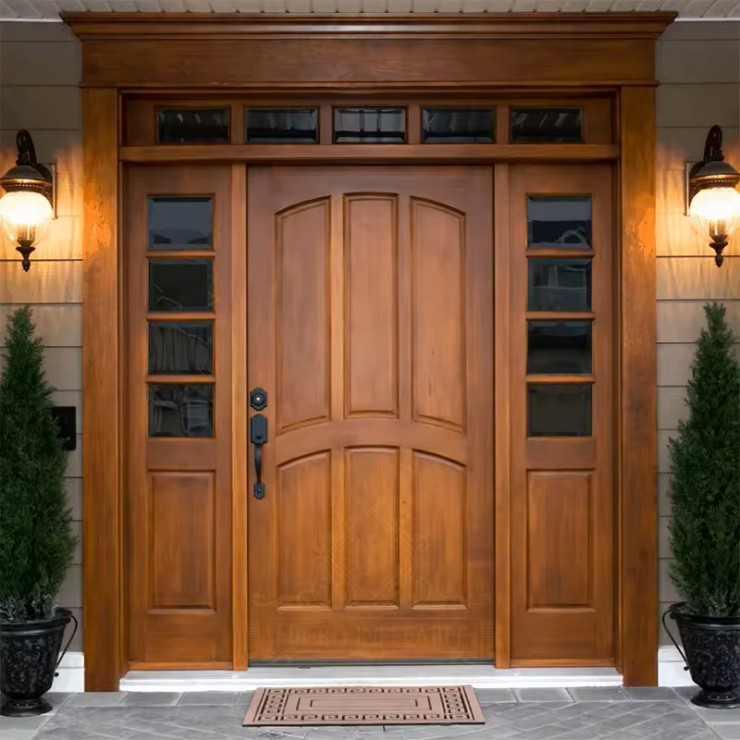
You want something that looks great, lasts long, and doesn’t stress you out with maintenance. You’re not alone. That’s exactly why more and more Toronto homeowners are choosing...
Read More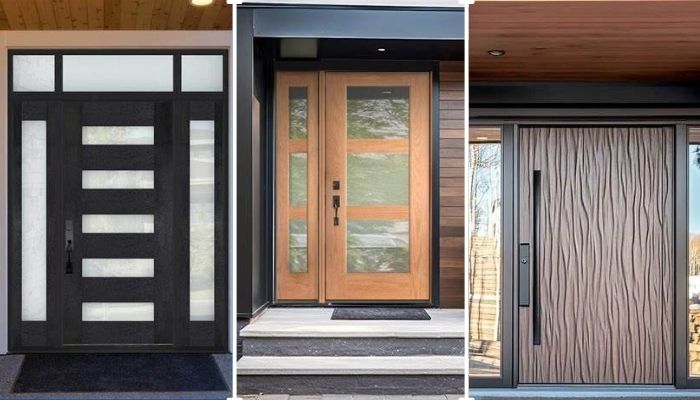
Thinking about replacing your front door? Let’s talk fiberglass. It's one of the smartest upgrades you can make, especially if you're living in Toronto. Whether your current door is drafty, outdated, or just plain boring.
Read More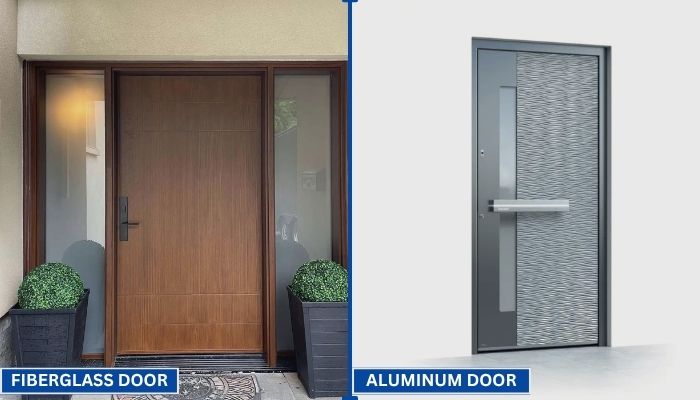
Your front door does more than just open and close. It protects your home, adds curb appeal, and helps control indoor temperature. That’s why picking the right door material matters.
Read More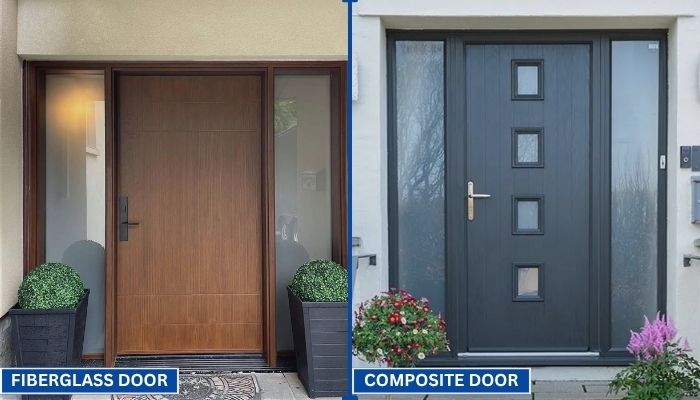
Choosing the right door can be confusing. You want something that looks good, lasts long, and keeps your home secure. Two of the most popular options today are fiberglass and composite doors.
Read More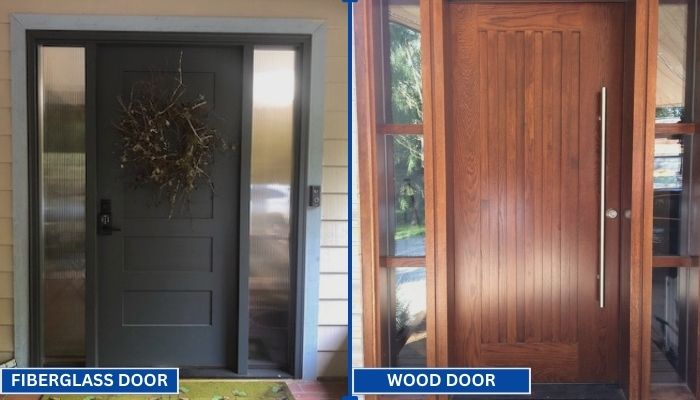
Replacing your front door is a big decision. Wood and fiberglass are two of the most popular materials for entry doors. Each has its own strengths in terms of style, durability, and maintenance. To help you choose the right one for your home, we have to go through a clear comparison.
Read MoreChoosing reliable Hinged Shower Door suppliers in China requires more than comparing prices online. A professional supplier should understand bathroom design, glass safety, hardware performance, and international project requirements. Their catalog may look impressive, but real capability appears in samples, factory records, and consistent production quality.
Look closely at the door structure. Check the glass edges, hinge alignment, seals, handle finish, and opening movement. A well-made door should close smoothly without scraping the floor. Ask for glass specifications, material details, quality inspection reports, and packaging photos. Clear answers matter. So does traceability.
Experience is often visible in small details. Strong suppliers explain lead times honestly and identify risks before production begins. They should provide sample approval, production updates, and practical after-sales support. Factory audits, video inspections, and independent testing can strengthen your decision. A polished website proves little.
No supplier is perfect. Even experienced manufacturers can face color variation, shipping delays, or communication gaps. The important question is how they respond. Do they document the issue? Do they offer a workable solution? Do they improve the process afterward?
This guide explores how to compare China’s top Hinged Shower Door suppliers with greater confidence. It considers product quality, engineering knowledge, customization, pricing, compliance awareness, and service reliability. With careful questions and realistic expectations, buyers can reduce costly surprises and build a dependable long-term partnership.
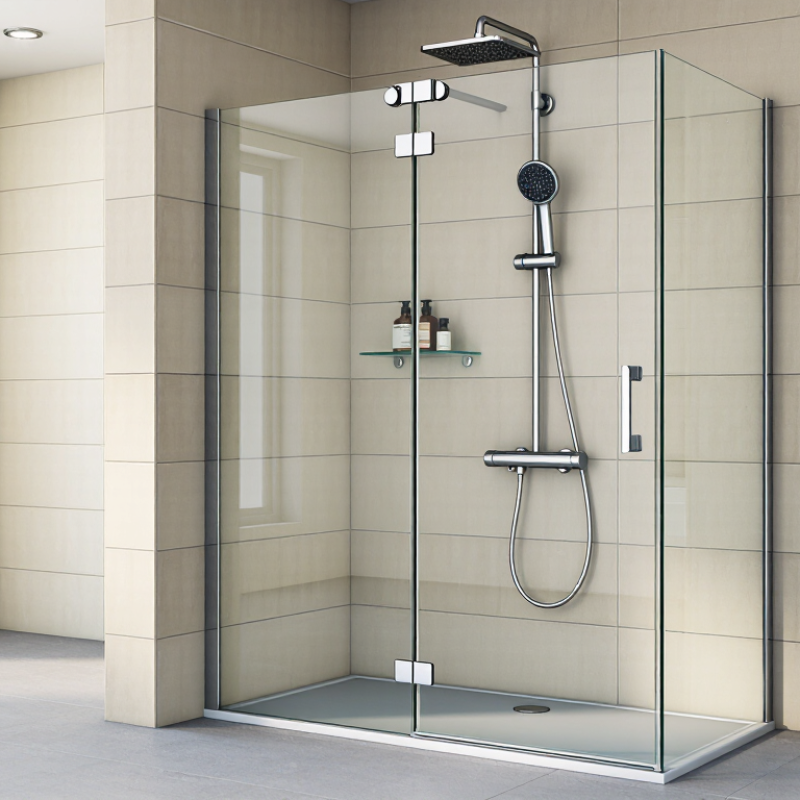
For a hinged shower door, specify 6–10 mm tempered glass, then match thickness to panel size and hinge capacity. A 10 mm panel may feel more substantial, but it also adds weight and puts greater load on hinges and wall fixings. Ask suppliers for glass thickness records, tempering traceability, and the maximum panel dimensions their tested hardware supports. Thickness alone does not prove safety.
Use ANSI Z97.1 compliance as a documented requirement, not a checkbox. ANSI Z97.1-2015 (R2020) defines impact-test classifications, including Class A at 400 ft-lb and Class B at 150 ft-lb. Request the full test report and confirm the tested glass type, thickness, and classification match your proposed door. The standard’s impact results do not, by themselves, verify the complete door assembly or its installation. That distinction is easy to miss.
Tips: Compare the report with the actual quotation. Check the glass markings, hinge load rating, and edge finish. If a supplier cannot link test records to the specified panel, pause and ask for clarification. I would not assume a thicker pane is automatically the better choice.
We’ll Come To You!
Quality New Windows & Doors. Competitively Priced!
Christine R.
Please, enter a valid value