
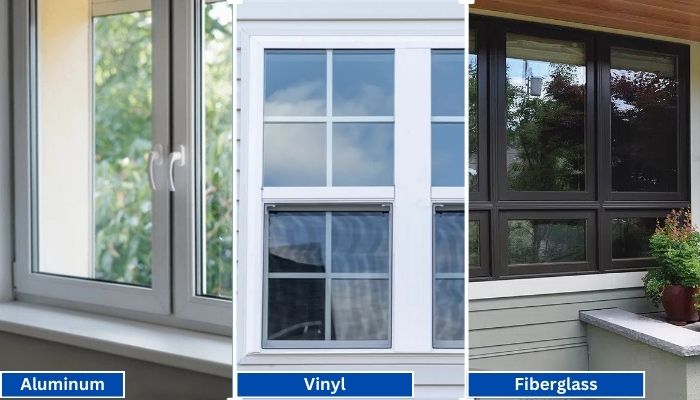
Vinyl generally has the shortest lead times because it is widely produced in standard configurations. Fiberglass is mid-range, especially for factory-painted colors.
Read More
PROUDLY CANADIAN COMPANY OWNED & OPERATED IN TORONTO SINCE 1989!
Vinyl generally has the shortest lead times because it is widely produced in standard configurations. Fiberglass is mid-range, especially for factory-painted colors.
Read More
Vinyl windows have become the go-to choice for homeowners in Toronto, thanks to their durability, energy efficiency, and low maintenance requirements. Whether you're upgrading your home for better insulation or enhancing
Read More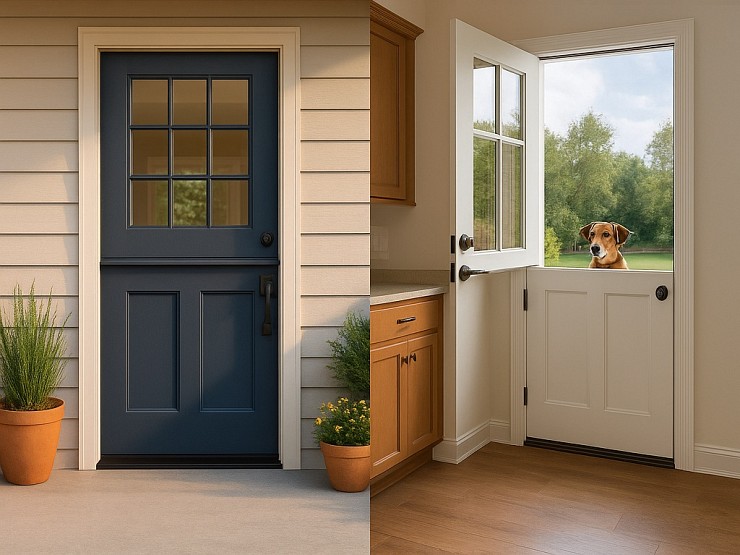
Thinking about changing your front door? A fiberglass Dutch door might have caught your eye. It’s not just a door. It’s part style statement, part smart functionality.
Read More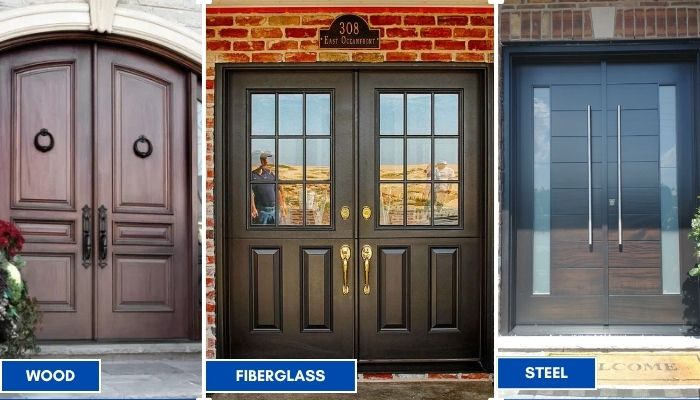
Thinking about replacing your front doors? Double doors are a bold upgrade. They look great, let in more light, and make moving big stuff easier. But the material you choose makes all the difference; especially here in Toronto.
Read More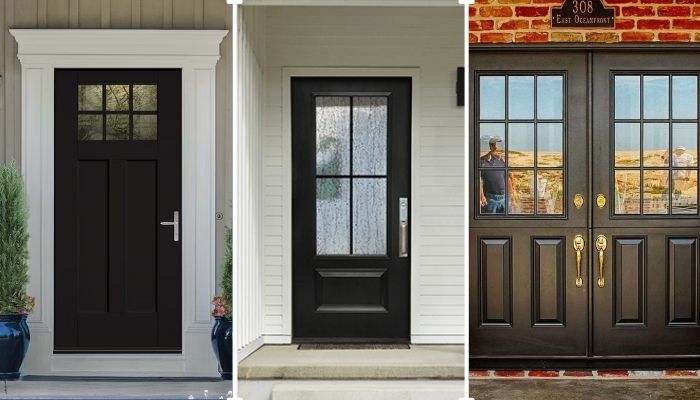
Thinking of giving your home that cozy, farmhouse charm? Let’s talk doors. Specifically, the fiberglass front doors in farmhouse style. You get the rustic look, without the rot, warping, or constant upkeep that comes with wood.
Read More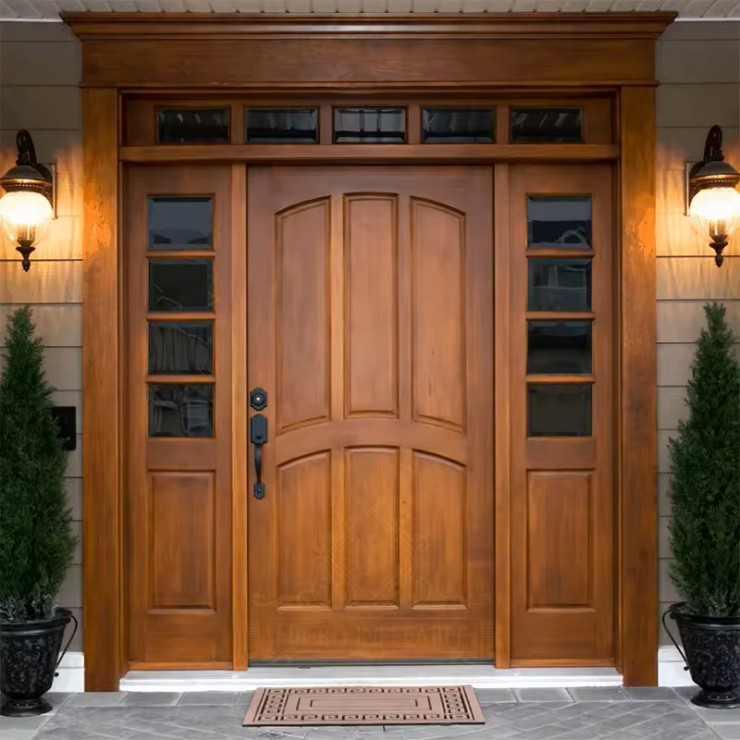
You want something that looks great, lasts long, and doesn’t stress you out with maintenance. You’re not alone. That’s exactly why more and more Toronto homeowners are choosing...
Read More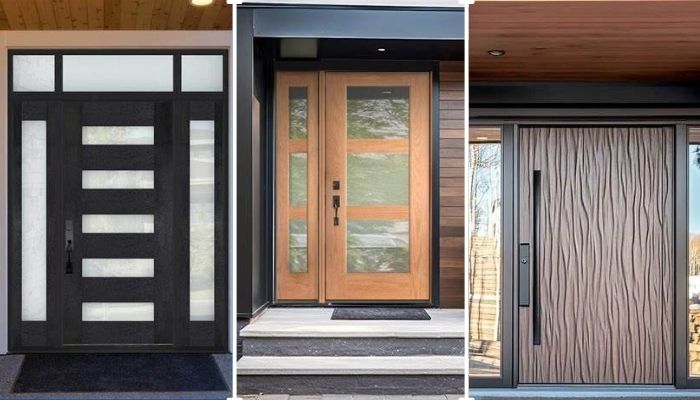
Thinking about replacing your front door? Let’s talk fiberglass. It's one of the smartest upgrades you can make, especially if you're living in Toronto. Whether your current door is drafty, outdated, or just plain boring.
Read More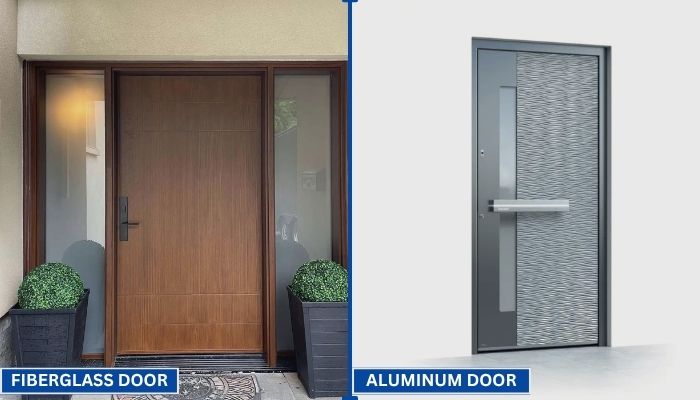
Your front door does more than just open and close. It protects your home, adds curb appeal, and helps control indoor temperature. That’s why picking the right door material matters.
Read More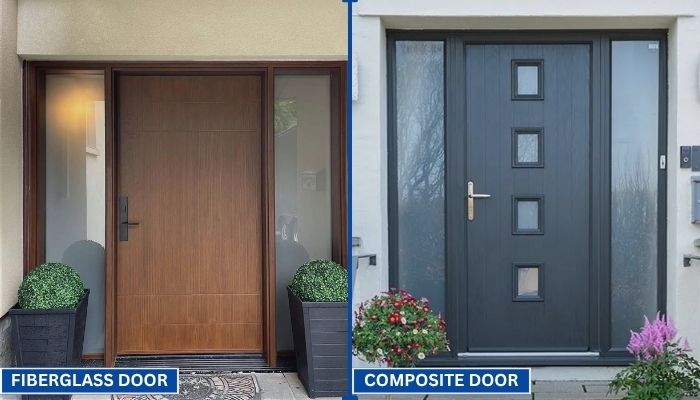
Choosing the right door can be confusing. You want something that looks good, lasts long, and keeps your home secure. Two of the most popular options today are fiberglass and composite doors.
Read More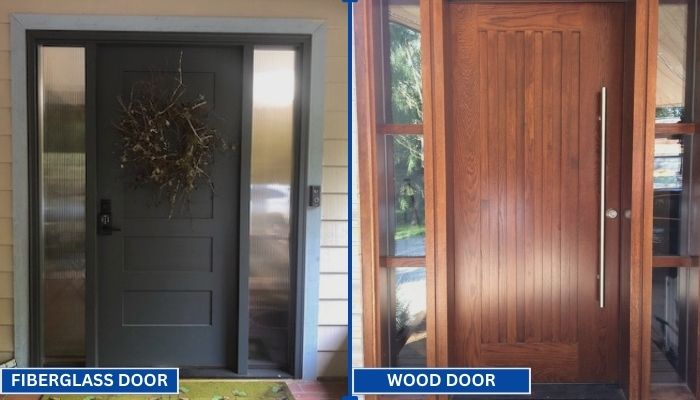
Replacing your front door is a big decision. Wood and fiberglass are two of the most popular materials for entry doors. Each has its own strengths in terms of style, durability, and maintenance. To help you choose the right one for your home, we have to go through a clear comparison.
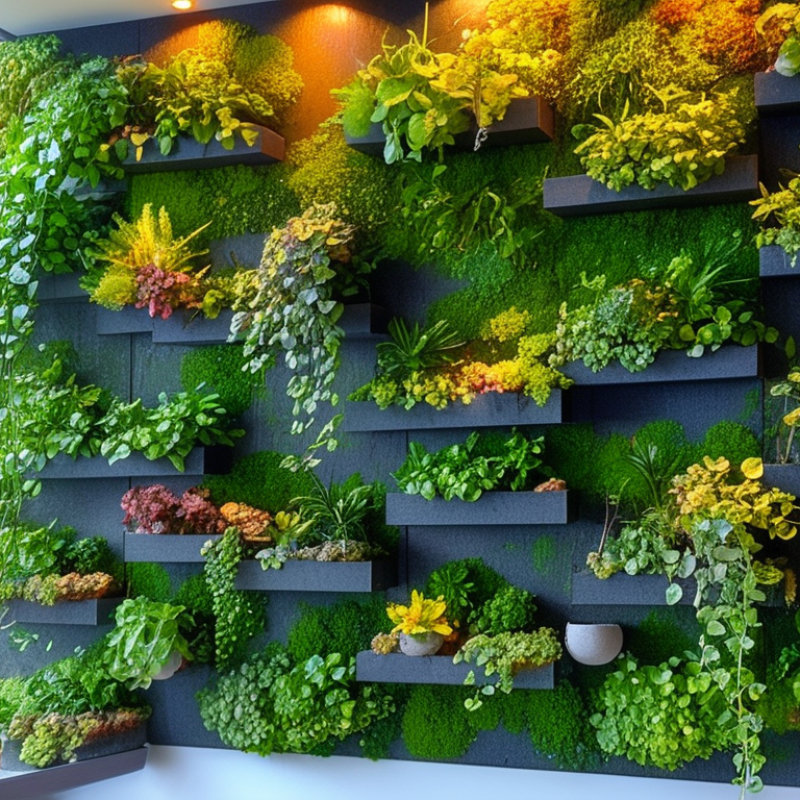
Read MoreCreating a stunning Plant Wall can transform your home into a lush, vibrant space. According to renowned horticulturist Dr. Jane Green, “A Plant Wall not only beautifies a room but also improves air quality.” This highlights the dual benefits of such installations.
Incorporating a Plant Wall requires careful thought. You need to choose the right plants. Not every plant thrives in every environment. Consider light, humidity, and maintenance needs. It’s essential to pick varieties that complement each other visually and texturally.
Moreover, the structure of your Plant Wall matters. Wall-mounted systems can vary greatly. Some are modular, while others are more static. Each choice impacts aesthetics and functionality. As you plan, reflect on your space’s unique characteristics. Your vision should guide the design, ensuring it feels personal and inviting. A well-thought-out Plant Wall can be a rewarding project, yet it demands patience and effort.
Choosing the right location for your plant wall is essential for its success. Plants need appropriate light to thrive. According to a report from the National Gardening Association, nearly 60% of indoor plant failures stem from insufficient light. Consider a spot where your wall will receive bright, indirect sunlight for several hours each day. This can be near a window or in a well-lit room.
Air circulation is another factor. A cramped area can lead to mold or pests. Aim for a location that allows for adequate air flow. Research indicates that good air circulation can reduce the risk of diseases in indoor plants by up to 20%. Don’t shy away from experimenting with different placements. You might find that a spot you initially dismissed becomes perfect for specific plant types.
Consider the wall structure as well. Ensure it can support the weight of the plants and their containers. Not all walls are suitable for a plant wall. A solid, sturdy base is vital. If the wall is too weak, plants can fall, causing a mess. Think about how often you'll care for these plants. If the location is inconvenient, you may find it difficult to maintain them. Remember, your willingness to interact with your plant wall makes all the difference.
We’ll Come To You!
Quality New Windows & Doors. Competitively Priced!
Christine R.
Please, enter a valid value