
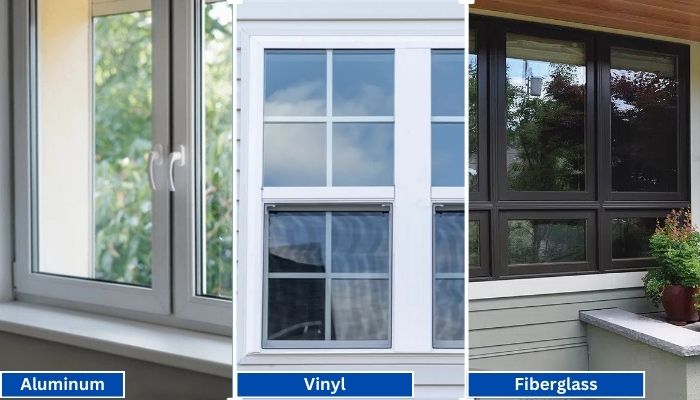
Vinyl generally has the shortest lead times because it is widely produced in standard configurations. Fiberglass is mid-range, especially for factory-painted colors.
Read More
PROUDLY CANADIAN COMPANY OWNED & OPERATED IN TORONTO SINCE 1989!
Vinyl generally has the shortest lead times because it is widely produced in standard configurations. Fiberglass is mid-range, especially for factory-painted colors.
Read More
Vinyl windows have become the go-to choice for homeowners in Toronto, thanks to their durability, energy efficiency, and low maintenance requirements. Whether you're upgrading your home for better insulation or enhancing
Read More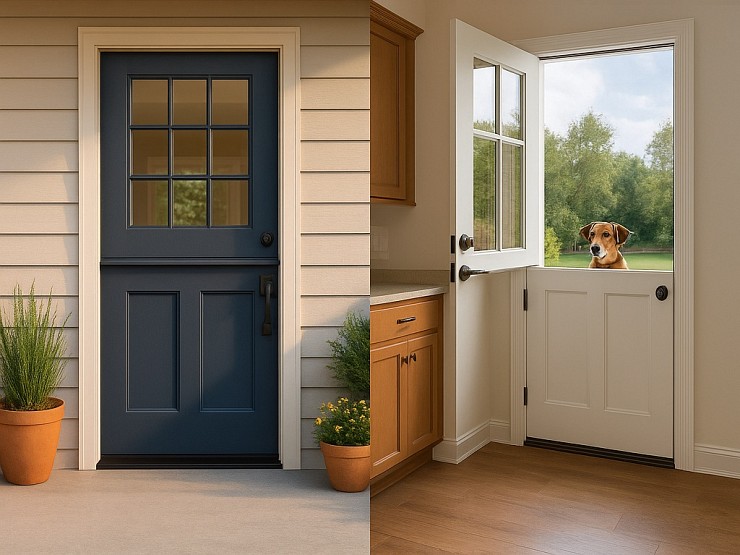
Thinking about changing your front door? A fiberglass Dutch door might have caught your eye. It’s not just a door. It’s part style statement, part smart functionality.
Read More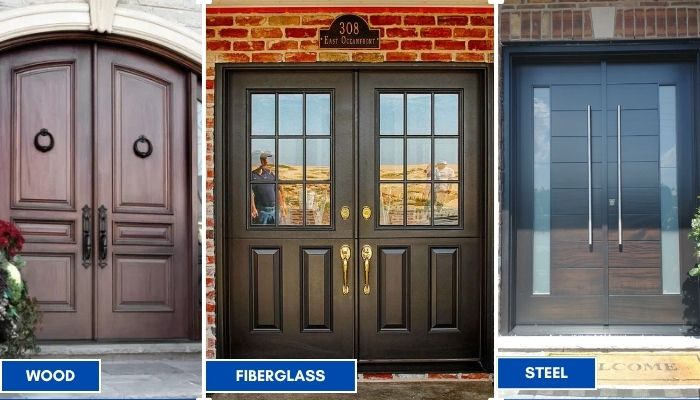
Thinking about replacing your front doors? Double doors are a bold upgrade. They look great, let in more light, and make moving big stuff easier. But the material you choose makes all the difference; especially here in Toronto.
Read More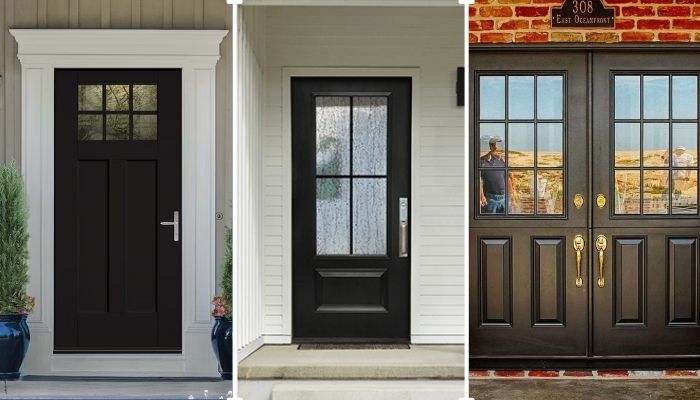
Thinking of giving your home that cozy, farmhouse charm? Let’s talk doors. Specifically, the fiberglass front doors in farmhouse style. You get the rustic look, without the rot, warping, or constant upkeep that comes with wood.
Read More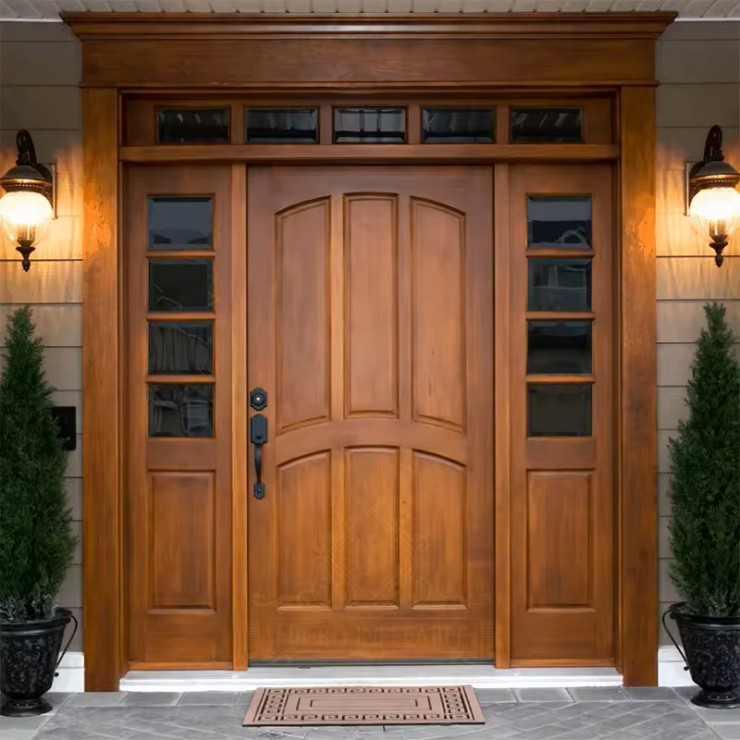
You want something that looks great, lasts long, and doesn’t stress you out with maintenance. You’re not alone. That’s exactly why more and more Toronto homeowners are choosing...
Read More
Thinking about replacing your front door? Let’s talk fiberglass. It's one of the smartest upgrades you can make, especially if you're living in Toronto. Whether your current door is drafty, outdated, or just plain boring.
Read More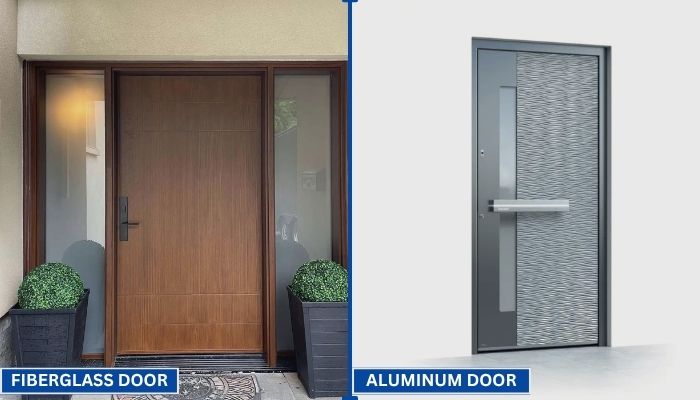
Your front door does more than just open and close. It protects your home, adds curb appeal, and helps control indoor temperature. That’s why picking the right door material matters.
Read More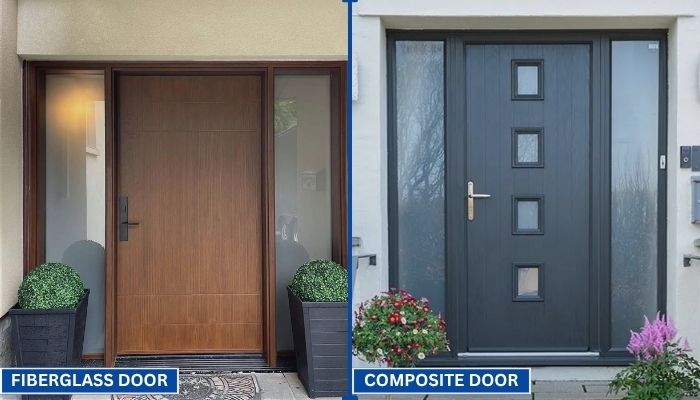
Choosing the right door can be confusing. You want something that looks good, lasts long, and keeps your home secure. Two of the most popular options today are fiberglass and composite doors.
Read More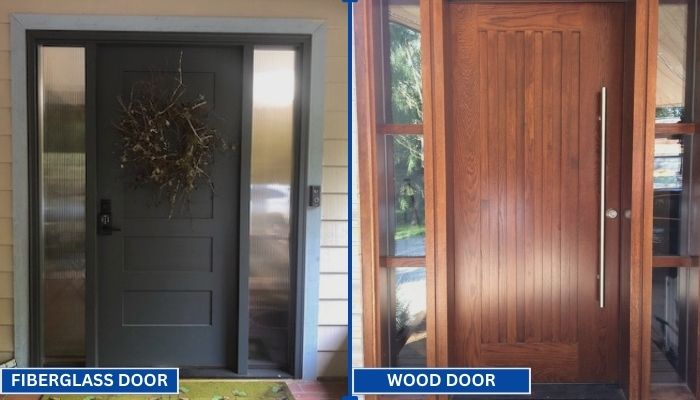
Replacing your front door is a big decision. Wood and fiberglass are two of the most popular materials for entry doors. Each has its own strengths in terms of style, durability, and maintenance. To help you choose the right one for your home, we have to go through a clear comparison.
Read MoreA Dementia Clock is more than an ordinary wall clock. It can display the day, date, time, and sometimes the period of day. This matters when memory loss makes familiar routines feel uncertain. A large, clear display may help someone recognize whether it is morning, afternoon, or evening. That small cue can reduce repeated questions and support calmer daily decisions.
Dementia-care educator Teepa Snow often teaches, “Meet the person where they are.” This principle explains why a Dementia Clock should fit the individual, not simply look impressive. Some people need bold lettering and strong contrast. Others may benefit from gentle lighting, a familiar room position, or an alarm for medication and meals. Families should observe real behavior. A feature that seems helpful may become confusing at night.
The device is not a cure. It cannot restore lost memories. It may not work equally well for every person. Still, it can provide a steady visual anchor beside a bed, kitchen table, or favorite chair. This guide explores how a Dementia Clock supports orientation, routines, communication, and caregiver confidence. It also considers limitations, including poor visibility, incorrect settings, and dependence on technology. The best choice is rarely the most complicated one. It is the clock that feels understandable, useful, and respectful in everyday life.
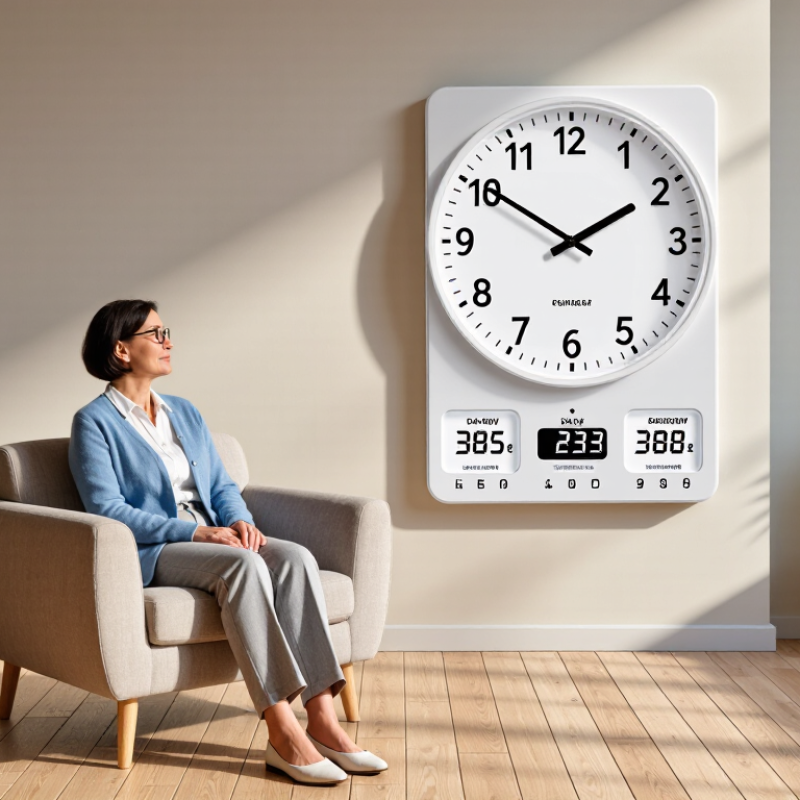
A dementia clock usually refers to the clock-drawing test, a brief cognitive screening activity. A clinician asks a person to draw a clock, add numbers, and set a specific time. The task looks simple. It examines several abilities at once, including planning, attention, memory, spatial awareness, and understanding of instructions.
The test can help identify changes that deserve closer assessment. For example, missing numbers, crowded spacing, or incorrect hands may signal cognitive difficulties. However, one drawing cannot diagnose dementia. Education, vision loss, hand weakness, anxiety, and limited drawing experience can affect the result. A hurried drawing may also reflect confusion, not dementia. This is where careful interpretation matters. The test is useful, but imperfect.
Tips: Use a quiet room and speak clearly. Give the same instructions each time. Avoid correcting the drawing during the task. Record the person’s words, pauses, and approach, not only the final clock. Compare results over time with professional guidance. If changes appear, discuss them with a qualified healthcare provider. A clock can open a conversation, but it should never label a person.
We’ll Come To You!
Quality New Windows & Doors. Competitively Priced!
Christine R.
Please, enter a valid value