
canada flag

PROUDLY CANADIAN COMPANY OWNED & OPERATED IN TORONTO SINCE 1989!

CALL NOW

Windows | Doors Blog

What Is an Electro Hydraulic Valve and How Does It Work?

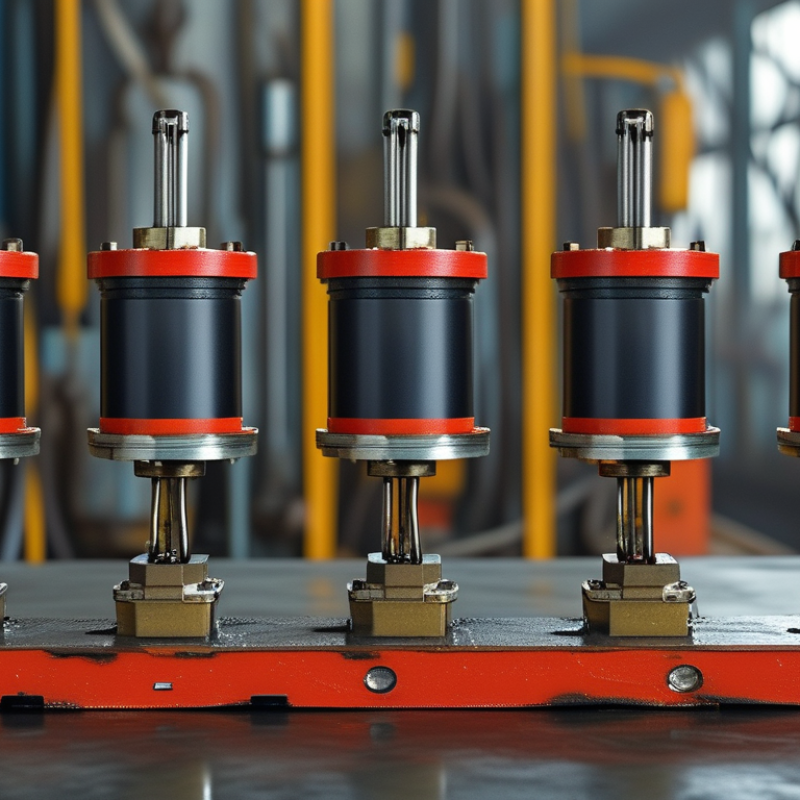
An Electro-Hydraulic Valve connects electronic control with hydraulic force. It receives an electrical signal, then directs pressurized fluid toward a cylinder or motor. A small coil may shift a spool, open a pilot stage, or regulate pressure. The result is controlled movement, braking, clamping, or lifting.

“Fluid power is the technology that uses pressurized fluids to transmit and control power.” — Anthony Esposito, author of Fluid Power with Applications. His definition provides a useful starting point, but an Electro-Hydraulic Valve involves more than pressure alone. Engineers must consider flow rate, response time, contamination, temperature, and actuator load. A valve that performs well on a test bench may react differently beside a hot pump or a vibrating machine.

The operating process becomes clearer through a simple example. A controller sends current to the solenoid. The magnetic force moves the valve spool. Fluid then travels through selected passages, creating pressure across the actuator. When the signal changes, the spool returns, often through a spring or proportional command. Small details matter. A clogged filter can slow movement. Low voltage can weaken the response. Excessive leakage can reduce holding force.

This explanation is not perfect. Real systems include delays, heat, friction, and pressure spikes. Those imperfections deserve attention. Understanding them helps technicians diagnose faults safely and helps designers select the correct valve architecture. This guide explains the main types, internal components, working sequence, practical applications, and maintenance factors behind an Electro-Hydraulic Valve.
What Is an Electro Hydraulic Valve and How Does It Work?

Electro-Hydraulic Valves: Definition and Basic Function

What Is an Electro Hydraulic Valve and How Does It Work?

An electro-hydraulic valve combines electrical control with pressurized fluid power. Its electrical section receives a signal from a controller. That signal moves a solenoid, motor, or proportional actuator. The actuator changes a spool or poppet position inside the valve body. Fluid then travels through selected passages.

In basic operation, an input signal represents a requested flow rate, pressure, or direction. The valve converts that request into mechanical movement. A spool may open gradually, allowing measured fluid flow to a cylinder or hydraulic motor. A directional version switches paths, while a pressure-control version limits or regulates force. This interaction gives machines smoother motion than a purely manual valve. Small errors matter. Contamination, wiring resistance, and coil heat can change the response.

From field inspections, technicians often verify supply voltage, connector condition, and fluid cleanliness before adjusting settings. They also compare commanded movement with actual pressure and travel. A slow response may indicate a clogged filter, worn internal surfaces, or an incorrect signal. Not every delay indicates valve failure. Temperature and load can mislead diagnosis. Reliable installation requires correct sizing, suitable seals, clean connections, and testing under realistic operating conditions. The details matter. A neat electrical signal does not guarantee perfect hydraulic movement.

What Is an Electro Hydraulic Valve and How Does It Work? - Electro-Hydraulic Valves: Definition and Basic Function
Data Dimension Typical Information Definition and Basic Function
Definition Electrically controlled hydraulic valve An electro-hydraulic valve uses an electrical input signal to control the direction, pressure, or flow of hydraulic fluid in a pressurized circuit.
Energy Conversion Electrical signal to hydraulic action An electronic command energizes a solenoid or drives an electro-mechanical actuator, which changes the position of a hydraulic control element.
Main Control Variables Direction, pressure, and flow Directional valves control actuator movement, pressure valves regulate system force, and flow-control valves adjust actuator speed.
Primary Components Valve body, spool or poppet, actuator, spring, seals, and ports The valve body guides hydraulic fluid, while the spool or poppet opens, closes, or restricts flow paths. Springs commonly return the valve to a defined position when the signal is removed.
Electrical Actuation Solenoid, proportional actuator, or servo actuator On/off solenoids provide discrete positions. Proportional and servo actuators allow more precise control of spool position, flow, or pressure.
Hydraulic Ports Pressure, tank, and working ports A typical directional circuit includes a pressure port connected to the pump, a tank or return port connected to the reservoir, and one or more working ports connected to an actuator.
Operating Sequence Command, actuation, flow change, and response The controller sends a signal, the actuator shifts the internal control element, hydraulic flow is redirected or metered, and the connected cylinder or motor responds.
Control Signal Types Digital or analog Digital signals generally produce an on/off response. Analog signals, such as voltage or current commands, can produce variable valve opening and smoother motion.
Common Valve Functions Directional, pressure, and flow control Directional valves determine movement direction; pressure valves limit or regulate pressure; flow valves control the rate of hydraulic fluid movement.
Typical Hydraulic Medium Mineral-based or synthetic hydraulic fluid The fluid transfers power, lubricates internal parts, and helps remove heat. The selected fluid must be compatible with the valve seals and operating conditions.
Response Behavior Fast response with possible switching transients Electro-hydraulic valves can react quickly, but response is affected by electrical delay, spool movement, fluid compressibility, pressure changes, and load characteristics.
Pressure Rating Application-specific; commonly specified in bar or MPa The allowable pressure depends on the valve design and must not be exceeded. The system rating is determined by the lowest-rated connected component.
Flow Rating Application-specific; commonly specified in L/min Flow capacity indicates how much hydraulic fluid can pass through the valve under defined pressure-drop conditions. Excessive flow can increase heat and reduce control accuracy.
Neutral or De-Energized Position Normally closed, normally open, or defined center condition When the actuator is not energized, the valve may block flow, connect ports, or unload the pump depending on its internal configuration and spring arrangement.
Feedback Options None, position feedback, pressure feedback, or external sensor feedback Feedback enables a controller to compare the desired and actual condition, improving accuracy in position, pressure, speed, or force control.
Advantages Remote control, automation, precision, and high power density Electrical control allows integration with sensors, programmable controllers, and safety systems while hydraulic power provides high force and compact actuator size.
Limitations Fluid cleanliness, heat generation, leakage, and tuning requirements Contamination can damage precision parts, throttling can generate heat, seals may wear, and proportional or servo systems may require careful adjustment.
Common Applications Mobile machinery, industrial automation, presses, lifting systems, and material handling Electro-hydraulic valves are used where electronic control and hydraulic power must work together to manage motion, force, speed, or load holding.
Maintenance Priorities Filtration, fluid condition, electrical connections, seals, and leakage inspection Regular maintenance helps preserve response quality and service life. Hydraulic cleanliness and correct fluid level are especially important for reliable operation.
Basic Safety Principle Relieve stored hydraulic and electrical energy before servicing Hydraulic systems can retain dangerous pressure after shutdown. Lockout procedures, pressure release, suitable protective equipment, and manufacturer-approved methods are essential.
Note: Actual pressure, flow, voltage, response time, and temperature limits vary by valve design and application. Always verify the technical specifications for the selected system.

Key Components and Their Roles in the Valve Assembly

An electro-hydraulic valve converts an electrical command into controlled fluid movement. Its assembly combines electrical and hydraulic parts. The solenoid coil creates a magnetic field when current reaches it. A movable armature transfers that force to a spool or poppet. This small movement changes the opening between inlet, outlet, and return ports. Pressure then drives the actuator. Simple in principle. Real systems are less forgiving.

The valve body provides pressure passages and mounting surfaces. Precision-machined lands on the spool meter flow, while springs return it when the signal disappears. Seals prevent internal leakage and protect the coil area from hydraulic fluid. A compact driver or controller regulates current, rather than merely switching power on and off. This matters because force depends on current, temperature, and stroke position. Some assemblies include a position sensor for closed-loop correction. It can detect incomplete travel before motion becomes unstable.

Clean fluid is essential. Fine contamination can make a spool stick, even when the wiring tests correctly. During service, I check connectors, coil resistance, filter condition, and manual spool movement. I also compare commanded position with measured response. A valve may pass a bench test yet react slowly after heat builds inside a machine. That detail is easy to miss. Designers must match flow capacity, pressure rating, response time, and seal material to the application. Otherwise, a precise controller cannot rescue an unsuitable valve.

How Electrical Signals Control Hydraulic Fluid Flow

What Is an Electro Hydraulic Valve and How Does It Work?

An electro hydraulic valve converts an electrical command into controlled fluid movement. A controller sends voltage, current, or pulse-width signals to a solenoid. The coil creates a magnetic force. That force shifts a spool, opens an orifice, or adjusts a pilot stage. Pressurized oil then moves an actuator with measured speed and force.

A 4–20 mA signal commonly represents valve position or flow demand. A 4 mA command may hold the spool nearly closed. A 20 mA command can produce maximum movement. Proportional valves offer smoother control than simple on-off valves. Servo valves provide finer accuracy, but they need cleaner oil and careful tuning. In commissioning, technicians often watch pressure gauges while changing signals slowly. The response is never perfectly instant. Oil temperature, contamination, wiring resistance, and spool friction all affect performance.

Grand View Research estimated the global hydraulic equipment market exceeded USD 40 billion in 2023, showing the scale of systems relying on precise fluid control. ISO 4413 also stresses safe hydraulic design, including pressure control and predictable operation.

Tips: Check signal type before wiring. Confirm whether the valve expects voltage, current, or PWM. Filter and shield control cables near motors. Keep oil clean. A small particle can create a large positioning error. Record command, pressure, and actuator speed during testing; these notes often reveal faults that software alone misses.

The Step-by-Step Operating Process of an Electro-Hydraulic Valve

What Is an Electro Hydraulic Valve and How Does It Work?

The Step-by-Step Operating Process of an Electro-Hydraulic Valve

An electro-hydraulic valve converts an electrical command into controlled fluid movement. Its process begins when a controller sends voltage to the solenoid coil. The energized coil creates a magnetic field and pulls an armature. That movement shifts a spool or opens a pilot passage. Small movement matters here.

Pressurized hydraulic oil then enters the selected port. The valve directs oil toward an actuator, such as a cylinder or hydraulic motor. Pressure builds against the actuator surface, producing force or rotation. In a proportional valve, increased current usually creates greater spool movement and flow. The relationship is not perfectly linear. Oil temperature, contamination, and pressure changes can affect it.

When the controller reduces or removes the electrical signal, the spring or opposing control pressure returns the valve toward its neutral position. Flow may stop, reverse, or move through a return port. A technician can verify this sequence by checking coil voltage, listening for spool movement, and measuring pressure at each port. Never assume the actuator is inactive because the coil is quiet. Stored hydraulic pressure may remain. This step is often underestimated. In practice, valve response can be slower than expected, especially with cold oil or a restricted filter. Careful inspection should include wiring, seals, fluid cleanliness, and the valve’s fail-safe position.

Common Applications and Performance Considerations

What Is an Electro Hydraulic Valve and How Does It Work?

An electro-hydraulic valve uses an electrical signal to control hydraulic flow, pressure, or direction. A controller sends current to a solenoid or proportional actuator. The actuator then shifts a spool, opening or restricting an oil passage. Small signal changes can produce smooth cylinder movement. Larger signals usually create greater flow or pressure, depending on the valve design.

Common applications include injection molding machines, hydraulic presses, mobile equipment, turbine controls, and industrial test systems. In a press, the valve can regulate ram speed during forming. In mobile machinery, it helps control lifting, steering, or attachment movement. Response time matters in robotic equipment. A delayed valve may create vibration, inaccurate positioning, or unsafe operating behavior.

Performance depends on more than electrical input. Engineers should check rated flow, operating pressure, leakage, hysteresis, and response time. Oil cleanliness is critical; fine particles can make a spool stick. Temperature also changes oil viscosity and affects repeatability. During commissioning, technicians should monitor pressure near the actuator, not only at the pump. That detail often reveals hidden restrictions. Feedback sensors can improve accuracy, but they add wiring, calibration, and failure points. A perfect response is rarely realistic. Designers sometimes oversize valves for safety, yet excessive capacity can reduce control resolution. Careful sizing usually matters more than maximum power.

Read Our 5-Star Testimonials

quotes

Amazing service and quality products. Installation was on time and on budget. Our windows look awesome. Edan gave us his full attention from the first call and every step of the way after. Highly recommend.

Adam Rivers Reviewer Image

Adam Rivers

quotes

New windows and door for basement and new metal/glass back door for main house - even through my indecisiveness and the covid-19 challenges Ayal and his installers were patient with me and I am very happy with the look and quality of the install.

homestars logo image
Geraint Reviewer Image

Geraint

quotes

It was a pleasure dealing with Jack and all Delco's stuff. The windows arrived on the date for which were promised. The quality of the service, product and workmanship were excellent. I would gladly recommend Delco to anyone need Windows and Doors

Ruven Y. Reviewer Image

Ruven Y.

quotes

We're so happy with our new front door. Very high quality finish, beautiful window. Installation was impeccable and done very quickly. Hinge and 3-point lock mechanism fit perfectly and feel very solid. Very attentive customer service. Door really ups our curb appeal!

homestars logo image
Jim Bird Reviewer Image

Jim Bird

quotes

I just had my front door replaced and cannot say enough good things about this company. From start to finish their professionalism is outstanding, and the workmanship excellent. Would highly recommend

Maureen Fuller Reviewer Image

Maureen Fuller

quotes

Delco supplies my windows and doors for renovations throughout the GTA. Edan and his staff are the best. Well priced quality products and personalized service. Highly recommended.

homestars logo image
Noah Klar Reviewer Image

Noah Klar

quotes

We have 3 sliding doors and a double front door replaced. All work was done professionally but well qualified craftsman. Watching them work it was clear they new what they were doing and work is first class.

homestars logo image
R. Pierce Reviewer Image

R. Pierce

quotes

We used Delco to replace our windows and patio door and door glass inserts. We are very happy with the quality of the windows and patio door and were very impressed with the installers as well who were very professional and clean. Thank you Nasho and George for your hard work and patience. Also, a big thank you to Ayal who always returned my calls and answered all my questions.

homestars logo image
Sandra Reviewer Image

Sandra

quotes

Delco provided all the exterior doors for our new home build. Ayal was great and the company is very customer service oriented. The doors look beautiful, the hardware is high end and the install went very well. Overall we are very happy with the product and service.

homestars logo image
Sarah Reviewer Image

Sarah

quotes

Ayal and Edan were great to work with. They provided extensive product knowledge and had a great selection in their showroom. The windows and doors changed the whole look of the house and gave a much needed modern yet classic update. Great quality and workmanship! Thank you!

Stephanie Lannaci Reviewer Image

Stephanie Lannaci

quotes

Both my wife and I could not have been happier with the product and service displayed by the owner and the installers. They had kept true to there word and the timelines. The process was catered to our schedule and was seamless.

Fabrizio Macieri Reviewer Image

Fabrizio Macieri

quotes

Had a great experience with Delco. They were professional and did a great job on time.

Joey Oliveira Reviewer Image

Joey Oliveira

quotes

Our experience with Delco Doors has been very good. We needed to replace out front door. Our old 6 feet Steel doors were removed and replaced with Delco 8 feet Fiberglass Doors. The installation went very smoothly, and the guys made sure that everything was fitting squarely and tight. They cleaned up after they were done and were very pleasant to work with. Would highly recommend them.

Angie Gandhi Reviewer Image

Angie Gandhi

quotes

A fantastic company to deal with from start to finish. They were professional, courteous and the project was completed in the timeframe agreed upon. Would highly recommend Delco.

homestars logo image
Linda Reviewer Image

Linda

quotes

I would recommend Delco Windows and Doors without any hesitation. The quality of the products is very good, the installation exceeded my expectations and the responsiveness and punctuality is impressive.

homestars logo image
Serban Dinca Reviewer Image

Serban Dinca

quotes

Very good and timely service. A pleasure to work with Edan Next time I need windows and doors I will definitely call them again

Adrian Nema Reviewer Image

Adrian Nema

quotes

Recently ordered a custom window from Delco. We are extremely happy with the level of customer service - Elyse went out of her way to notify us when the window came in and came in to work on her day off so we could come pick up the window. If we need another window we will definitely come back to Delco!

Jonathon & Sheri Mcintosh Reviewer Image

Jonathon & Sheri Mcintosh

quotes

I would highly recommend this company, the final product was beyond my expectations, My new front door makes my house standout so happy thank you Delco Windows and doors. I will definitely use Delco Windows and doors again in the future thanks to Edan and the installers

Maria Reviewer Image

Maria

quotes

Existing door replacement is a delicate project. I am very satisfied with job well done by Ayal Jack and his installer. Highly professional team, they know their business well, easy to deal with, very accommodating. He guided us step by step to select the best fit for our purpose.

homestars logo image
Alfy Reviewer Image

Alfy

quotes

I would highly recommend this company. They were very easy to deal with, accommodating and professional. The final product was beyond my expectations. The products completely transformed the front of my house and for sure increased its value and curb appeal. Thanks!

homestars logo image
Mi Reviewer Image

Mi

quotes

Happy experience from start to finish. Thank you to Edan for going out of his way to meet us late one evening and his helpful consultation in the showroom especially thank you to the extremely professional, clean and friendly crew of installers. Everything was as promised, the men arrived on time, their work was immaculate and complete, their craftsmanship beyond reproach.

Esther Tobin Reviewer Image

Esther Tobin

We’ll Come To You!

GET A FREE QUOTE

Quality New Windows & Doors. Competitively Priced!

Christine R.

Please, enter a valid value