
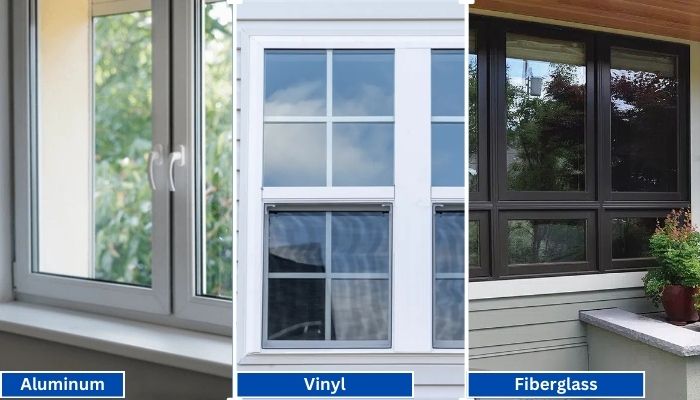
Vinyl generally has the shortest lead times because it is widely produced in standard configurations. Fiberglass is mid-range, especially for factory-painted colors.
Read More
PROUDLY CANADIAN COMPANY OWNED & OPERATED IN TORONTO SINCE 1989!
Vinyl generally has the shortest lead times because it is widely produced in standard configurations. Fiberglass is mid-range, especially for factory-painted colors.
Read More
Vinyl windows have become the go-to choice for homeowners in Toronto, thanks to their durability, energy efficiency, and low maintenance requirements. Whether you're upgrading your home for better insulation or enhancing
Read More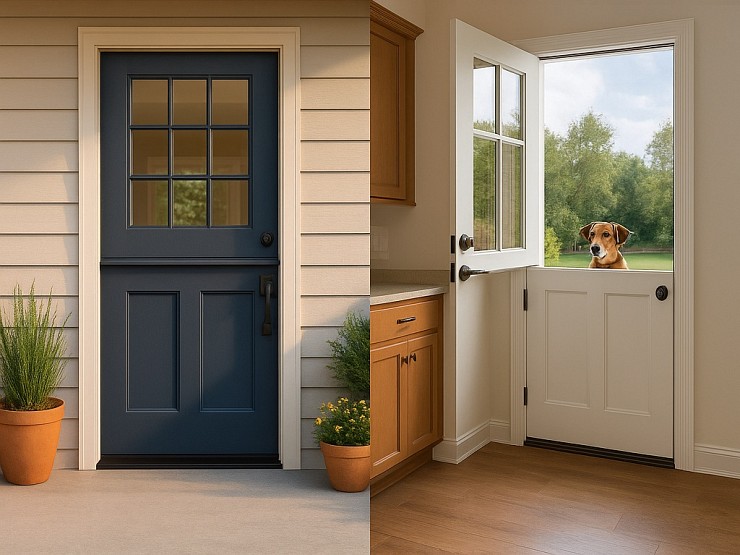
Thinking about changing your front door? A fiberglass Dutch door might have caught your eye. It’s not just a door. It’s part style statement, part smart functionality.
Read More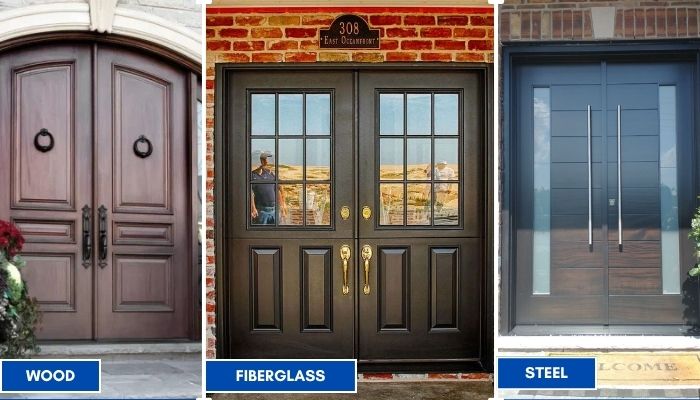
Thinking about replacing your front doors? Double doors are a bold upgrade. They look great, let in more light, and make moving big stuff easier. But the material you choose makes all the difference; especially here in Toronto.
Read More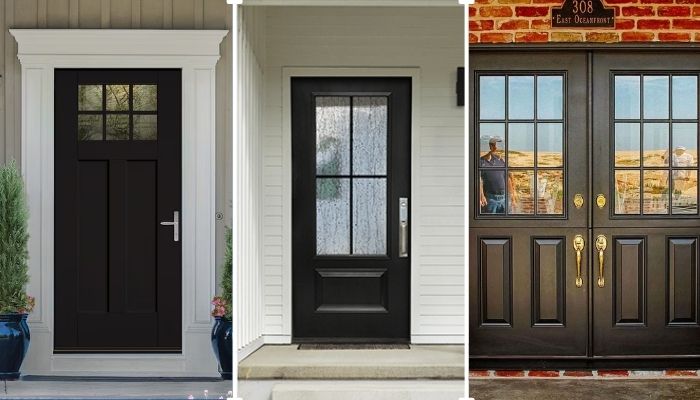
Thinking of giving your home that cozy, farmhouse charm? Let’s talk doors. Specifically, the fiberglass front doors in farmhouse style. You get the rustic look, without the rot, warping, or constant upkeep that comes with wood.
Read More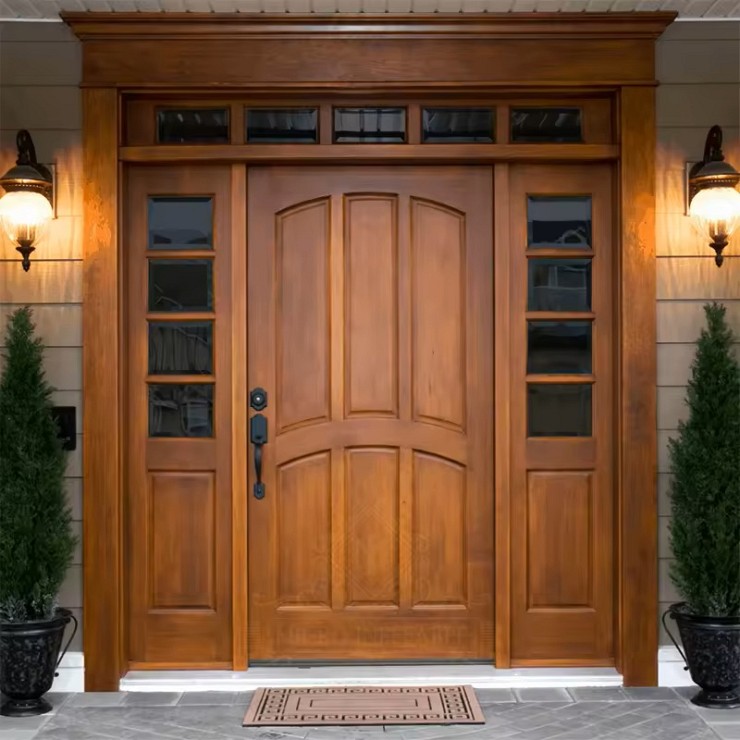
You want something that looks great, lasts long, and doesn’t stress you out with maintenance. You’re not alone. That’s exactly why more and more Toronto homeowners are choosing...
Read More
Thinking about replacing your front door? Let’s talk fiberglass. It's one of the smartest upgrades you can make, especially if you're living in Toronto. Whether your current door is drafty, outdated, or just plain boring.
Read More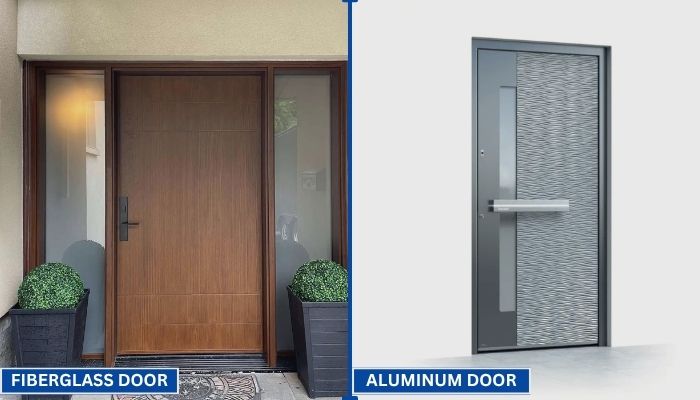
Your front door does more than just open and close. It protects your home, adds curb appeal, and helps control indoor temperature. That’s why picking the right door material matters.
Read More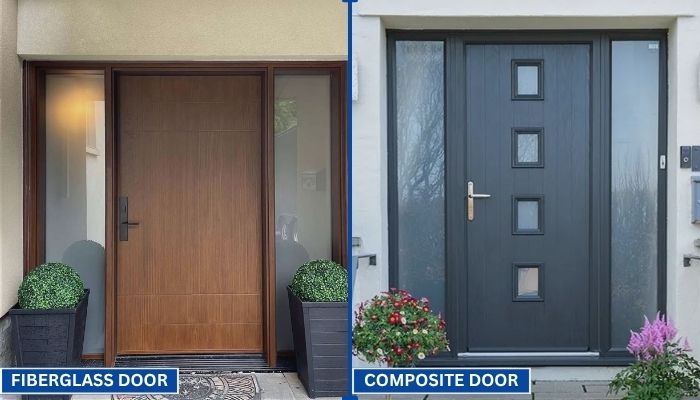
Choosing the right door can be confusing. You want something that looks good, lasts long, and keeps your home secure. Two of the most popular options today are fiberglass and composite doors.
Read More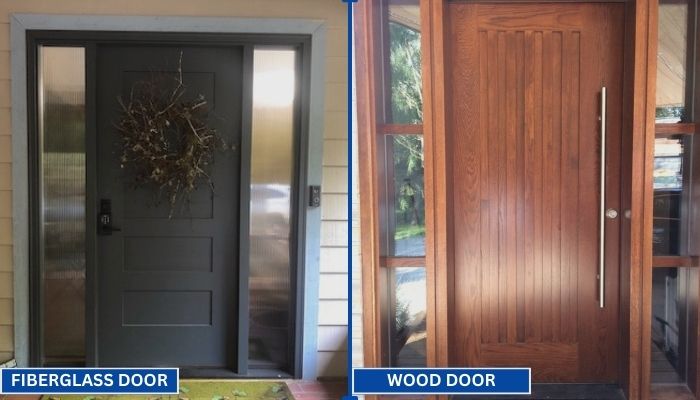
Replacing your front door is a big decision. Wood and fiberglass are two of the most popular materials for entry doors. Each has its own strengths in terms of style, durability, and maintenance. To help you choose the right one for your home, we have to go through a clear comparison.
Read MoreFinding reliable Crystals suppliers in 2026 takes more than admiring bright color or polished photos. Buyers need evidence they can check: clear product descriptions, consistent grading language, disclosed treatments, and invoices that identify each stone. A certificate can help when relevant, but it should come from a qualified gemological laboratory and match the item being sold. For common mineral specimens, detailed photographs and honest descriptions may be more useful than impressive paperwork.
Gemologist and author Richard W. Hughes is known for emphasizing evidence and careful gem identification. A practical paraphrase of that approach is: “Let verifiable details outrank polished sales language.” That principle can guide every supplier conversation. Ask where the material was sourced, what is known about its treatment, and whether the seller accepts independent inspection. Check return terms before paying. Compare the answers with the listing, invoice, and physical stone.
Look closely at the details. Does the seller show the crystal from several angles, including any chips or inclusions? Are dimensions and weight stated clearly? Do replies address specific questions, or rely on vague promises such as “perfect quality”? A professional supplier should explain uncertainty rather than hide it. Small inconsistencies matter.
Even experienced buyers can miss a detail. That happens. This guide will help readers assess supplier transparency, documentation, product photos, reviews, and after-sale support. It will also flag warning signs without treating every small seller as untrustworthy. Reliable sourcing is rarely instant; it grows through careful checks, clear records, and honest communication.

Before contacting crystal suppliers, define what you actually need. List the crystal types, intended use, preferred shapes, approximate dimensions, and expected order volume. “Clear quartz” alone is vague; note whether you need polished points, tumbled stones, or rough pieces. Be specific. A small sketch or reference photo can prevent confusion about shape and finish.
Set practical quality requirements. Describe acceptable color variation, visible inclusions, surface chips, and size tolerance. For example, you might accept natural color differences but reject pieces with sharp cracks. Decide whether each item needs individual sizing or whether a range is acceptable. Also set a target price, delivery window, packaging preference, and a minimum order quantity you can manage. These details help you compare supplier responses fairly.
Ask what information the supplier can provide about origin, grading, stock consistency, and handling. Request clear photos of current inventory, not only polished catalogue images. If possible, order a small sample before committing to a larger quantity. Check it in daylight and under indoor lighting. Keep records. You may revise your requirements after seeing real stones; that is useful, not a failure. A highly detailed specification can also exclude suitable material, so leave room for natural variation where appearance allows it.
We’ll Come To You!
Quality New Windows & Doors. Competitively Priced!
Christine R.
Please, enter a valid value