
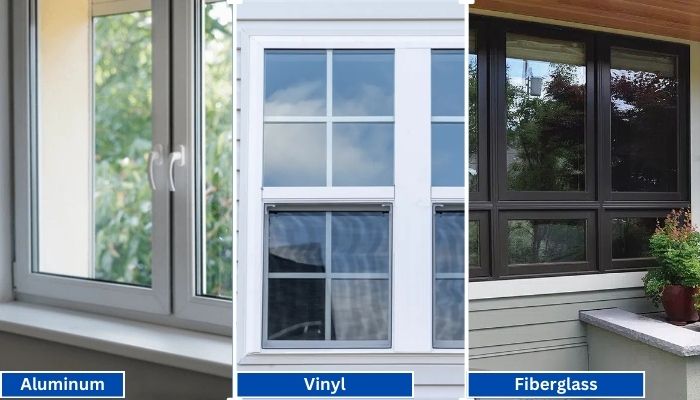
Vinyl generally has the shortest lead times because it is widely produced in standard configurations. Fiberglass is mid-range, especially for factory-painted colors.
Read More
PROUDLY CANADIAN COMPANY OWNED & OPERATED IN TORONTO SINCE 1989!
Vinyl generally has the shortest lead times because it is widely produced in standard configurations. Fiberglass is mid-range, especially for factory-painted colors.
Read More
Vinyl windows have become the go-to choice for homeowners in Toronto, thanks to their durability, energy efficiency, and low maintenance requirements. Whether you're upgrading your home for better insulation or enhancing
Read More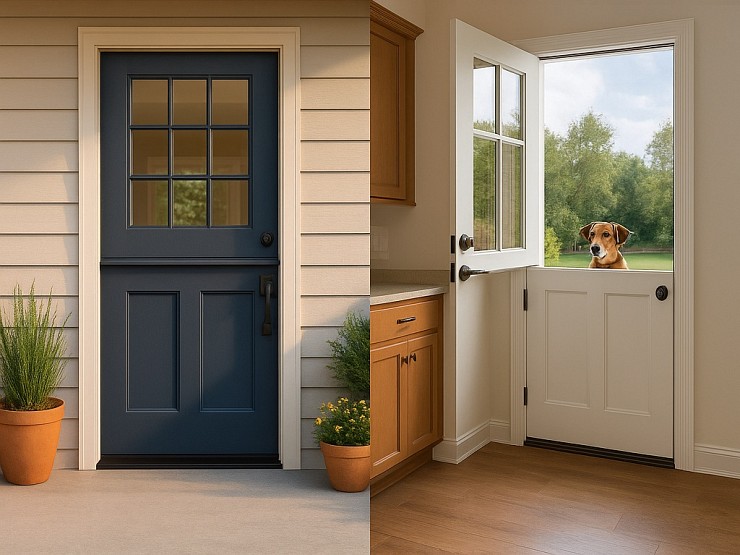
Thinking about changing your front door? A fiberglass Dutch door might have caught your eye. It’s not just a door. It’s part style statement, part smart functionality.
Read More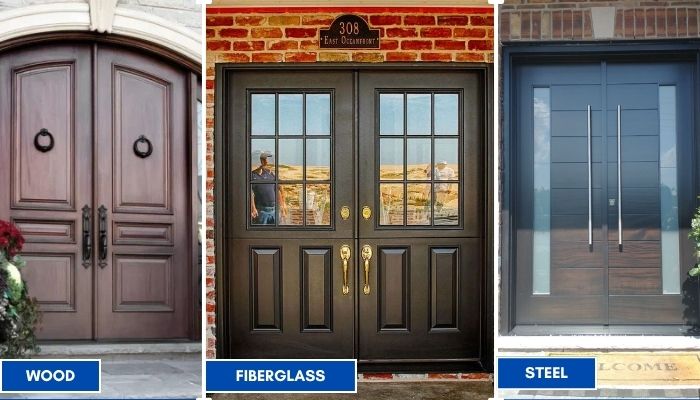
Thinking about replacing your front doors? Double doors are a bold upgrade. They look great, let in more light, and make moving big stuff easier. But the material you choose makes all the difference; especially here in Toronto.
Read More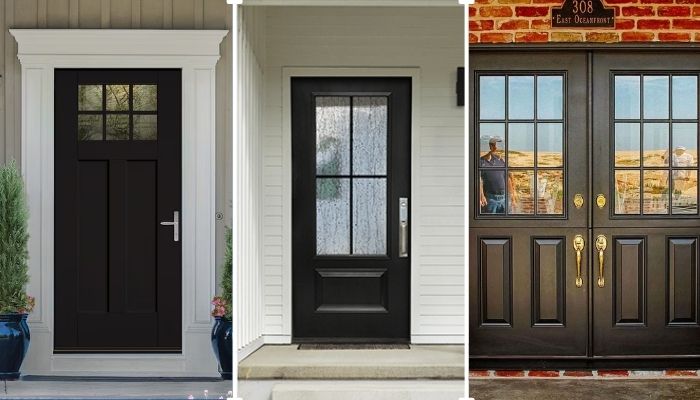
Thinking of giving your home that cozy, farmhouse charm? Let’s talk doors. Specifically, the fiberglass front doors in farmhouse style. You get the rustic look, without the rot, warping, or constant upkeep that comes with wood.
Read More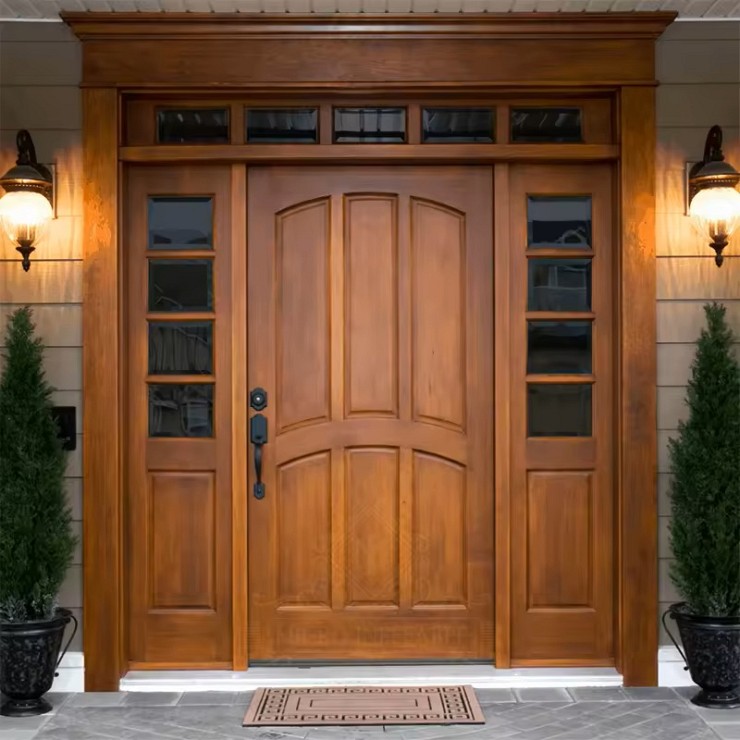
You want something that looks great, lasts long, and doesn’t stress you out with maintenance. You’re not alone. That’s exactly why more and more Toronto homeowners are choosing...
Read More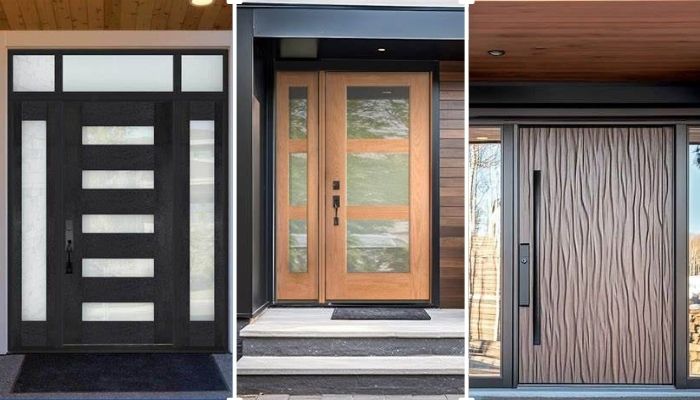
Thinking about replacing your front door? Let’s talk fiberglass. It's one of the smartest upgrades you can make, especially if you're living in Toronto. Whether your current door is drafty, outdated, or just plain boring.
Read More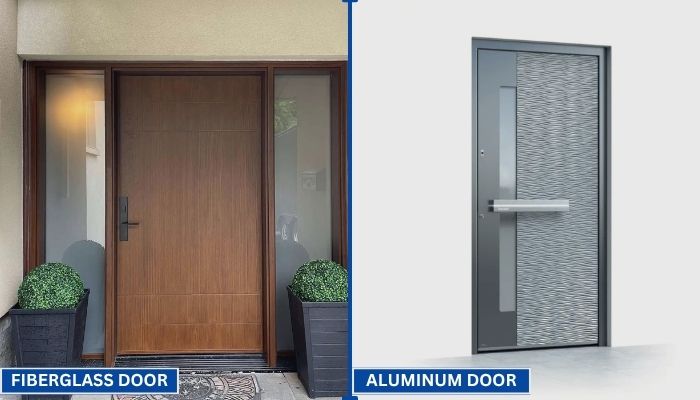
Your front door does more than just open and close. It protects your home, adds curb appeal, and helps control indoor temperature. That’s why picking the right door material matters.
Read More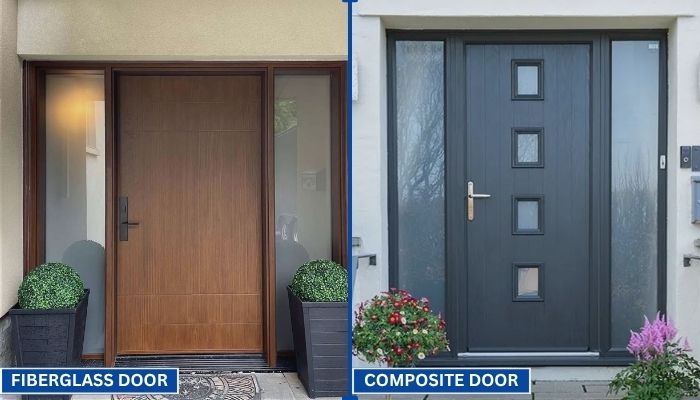
Choosing the right door can be confusing. You want something that looks good, lasts long, and keeps your home secure. Two of the most popular options today are fiberglass and composite doors.
Read More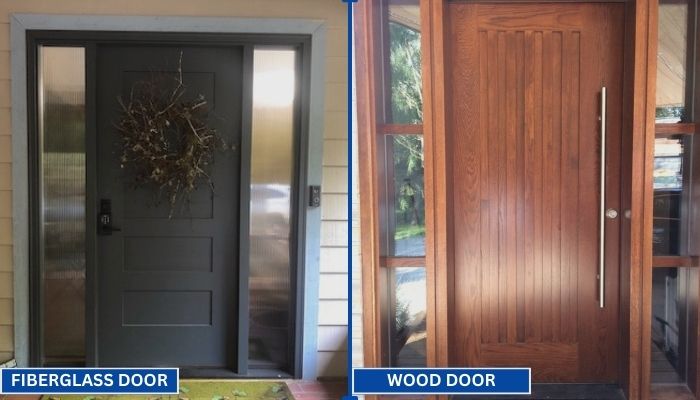
Replacing your front door is a big decision. Wood and fiberglass are two of the most popular materials for entry doors. Each has its own strengths in terms of style, durability, and maintenance. To help you choose the right one for your home, we have to go through a clear comparison.
Read MoreFISHING TACKLES are the tools that connect an angler to the water: rods, reels, lines, hooks, and other essentials. The right setup can make a quiet morning at a local pond feel more manageable. A rod that is too stiff, or line that is too heavy, may make casting awkward and bite detection harder. Small choices matter.
Tom Rosenbauer, a longtime fishing educator and author, offers a useful principle, paraphrased here: choose gear for the fish and water, not the label. That means considering your target species, fishing location, and technique before buying equipment. A beginner fishing from a dock may need a different rod and reel than someone casting from a boat. There is no single perfect kit. Conditions change, and so should your choices.
Start with the basics. Check that the rod feels comfortable in your hand, the reel operates smoothly, and the line suits your intended fishing style. Then consider practical details, such as storage, durability, and budget. More gear does not always mean better preparation. Easy to overlook. Even experienced anglers can carry items they rarely use. This guide explains what fishing tackle includes and how to choose it with care, while leaving room to adjust as your skills and fishing conditions develop.
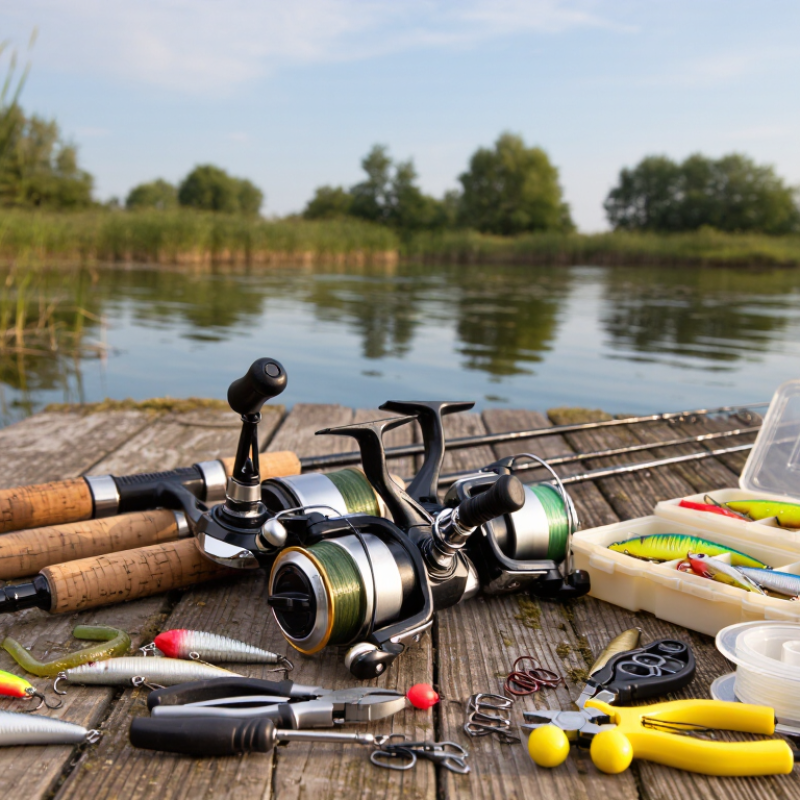
Fishing tackle is the equipment used to present bait, manage a fish, and bring it safely to shore. The basic setup usually includes a rod, reel, and fishing line. The rod helps cast and control the line; the reel stores line and retrieves it. Hooks hold bait or lures, while weights help them sink. A float can keep bait at a chosen depth and signal a bite.
Small parts matter. Swivels can reduce line twist, and a leader adds a section of line between the main line and hook. Lures imitate prey with movement, shape, or color; natural bait offers scent and texture. Pliers help remove hooks, and line cutters make quick changes easier. A measuring tool can help check a catch before keeping it. The right mix depends on the fish, water depth, current, and cover.
Choose tackle that suits the conditions, not just the biggest fish you might encounter. A light line and small hook may work well in clear, calm water, while heavier gear can help around weeds or submerged branches. Match the rod and reel to the line’s recommended range, and check knots before casting. There is no perfect setup. Even careful choices sometimes need adjustment when wind, bait, or fish behavior changes. I may still carry more tackle than I use, which adds weight without always adding value.
We’ll Come To You!
Quality New Windows & Doors. Competitively Priced!
Christine R.
Please, enter a valid value