
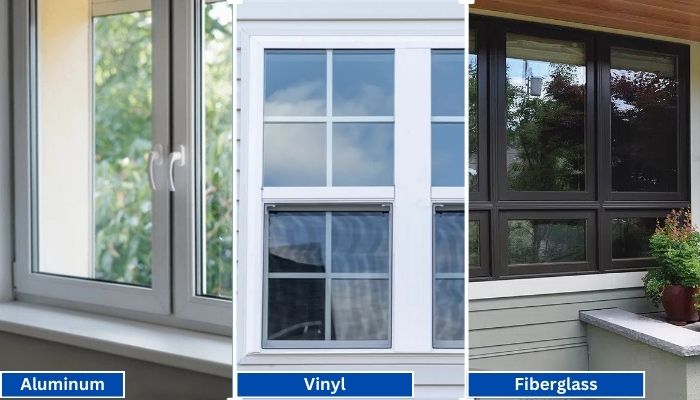
Vinyl generally has the shortest lead times because it is widely produced in standard configurations. Fiberglass is mid-range, especially for factory-painted colors.
Read More
PROUDLY CANADIAN COMPANY OWNED & OPERATED IN TORONTO SINCE 1989!
Vinyl generally has the shortest lead times because it is widely produced in standard configurations. Fiberglass is mid-range, especially for factory-painted colors.
Read More
Vinyl windows have become the go-to choice for homeowners in Toronto, thanks to their durability, energy efficiency, and low maintenance requirements. Whether you're upgrading your home for better insulation or enhancing
Read More
Thinking about changing your front door? A fiberglass Dutch door might have caught your eye. It’s not just a door. It’s part style statement, part smart functionality.
Read More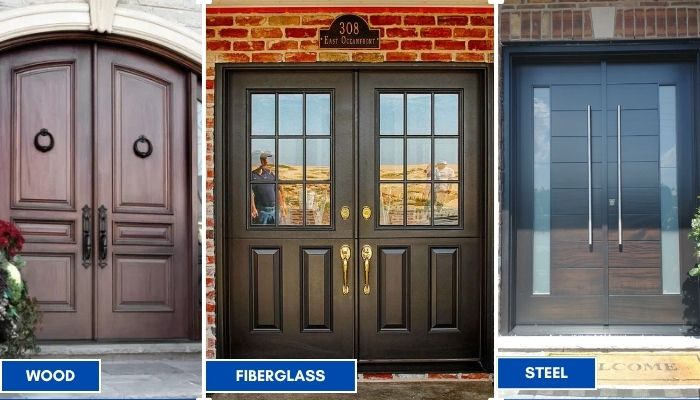
Thinking about replacing your front doors? Double doors are a bold upgrade. They look great, let in more light, and make moving big stuff easier. But the material you choose makes all the difference; especially here in Toronto.
Read More
Thinking of giving your home that cozy, farmhouse charm? Let’s talk doors. Specifically, the fiberglass front doors in farmhouse style. You get the rustic look, without the rot, warping, or constant upkeep that comes with wood.
Read More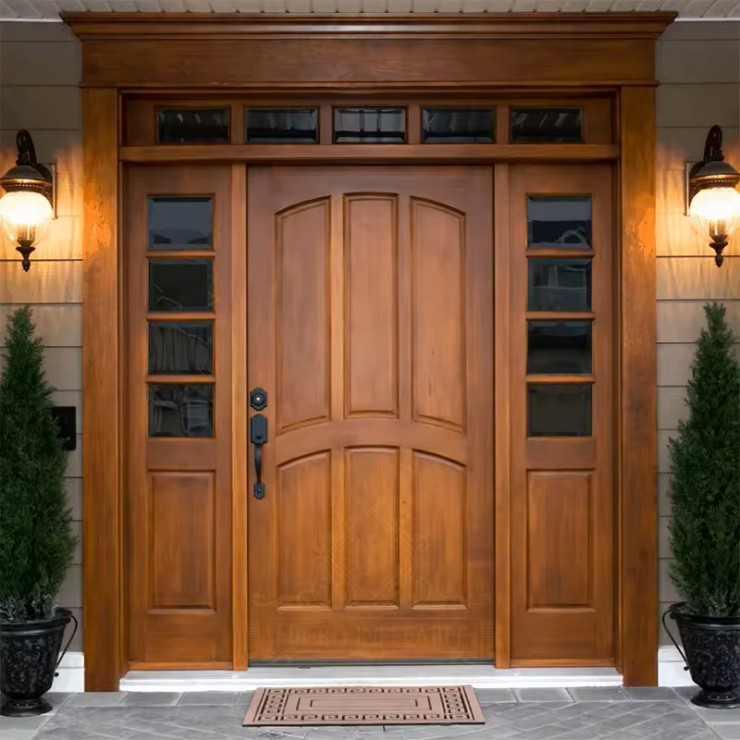
You want something that looks great, lasts long, and doesn’t stress you out with maintenance. You’re not alone. That’s exactly why more and more Toronto homeowners are choosing...
Read More
Thinking about replacing your front door? Let’s talk fiberglass. It's one of the smartest upgrades you can make, especially if you're living in Toronto. Whether your current door is drafty, outdated, or just plain boring.
Read More
Your front door does more than just open and close. It protects your home, adds curb appeal, and helps control indoor temperature. That’s why picking the right door material matters.
Read More
Choosing the right door can be confusing. You want something that looks good, lasts long, and keeps your home secure. Two of the most popular options today are fiberglass and composite doors.
Read More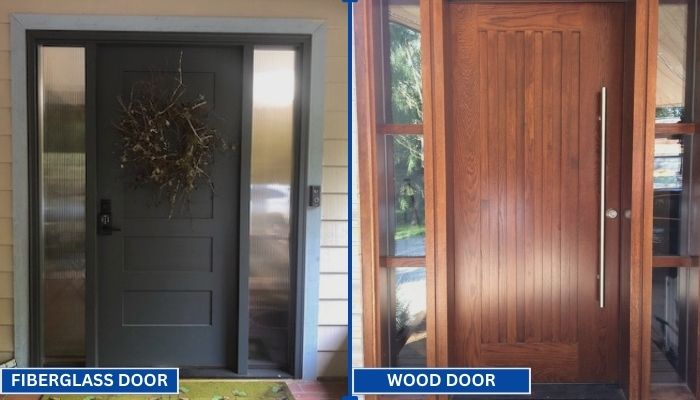
Replacing your front door is a big decision. Wood and fiberglass are two of the most popular materials for entry doors. Each has its own strengths in terms of style, durability, and maintenance. To help you choose the right one for your home, we have to go through a clear comparison.
Read MoreBuying a Flow Valve for international service is not a simple catalog exercise. The wrong choice can create leakage, unstable control, unexpected shutdowns, or expensive maintenance. A valve that looks suitable on paper may fail when exposed to abrasive slurry, corrosive chemicals, high pressure, or frequent cycling.
Philip L. Skousen, author of the respected Valve Handbook, emphasizes a practical engineering principle: “A valve must be selected for the service, not merely for the line size.” That reminder should guide every global purchase. Buyers need to examine media type, operating temperature, pressure range, connection standard, body material, trim, actuator performance, and required certifications. They should also confirm whether replacement parts are available near the installation site.
Details matter.
A stainless-steel body may resist corrosion, yet its seat material could remain unsuitable for the process fluid. A pneumatic actuator may perform well, but only with clean and stable air supply. These small mismatches often appear after installation, not during quotation review.
This guide presents ten practical Flow Valve buying tips for global buyers. It focuses on supplier evaluation, technical documentation, inspection, delivery risks, and long-term service. Some recommendations may seem obvious. They are still frequently missed. No checklist can remove every uncertainty, either. Field conditions change, specifications are incomplete, and even experienced teams sometimes approve a convenient option too quickly.
A careful buyer asks harder questions before signing. That extra effort can protect process reliability, operating budgets, and the reputation of the entire project.

Before buying a flow valve, define its exact role in the system. Is it regulating flow, isolating equipment, preventing reverse movement, or stopping an emergency release? One valve rarely performs every function well. Map the pipeline around it. Note the fluid, operating temperature, pressure range, pipe size, and expected flow rate. A valve installed near a pump may need to manage pressure changes, while one before a storage tank may need accurate throttling.
The buying decision should follow the duty, not the product description. Calculate the required flow coefficient and check the pressure drop at normal and peak flow. Excessive pressure loss can waste energy and create unstable control. Cavitation may damage internal surfaces and produce a sharp, rattling sound. Confirm material compatibility with the fluid, including seals and stem components. Consider actuator speed, available power, fail-open or fail-closed behavior, and how often the valve will cycle. Small details matter.
Field teams often overlook maintenance access. Leave room for inspection, actuator removal, and gasket replacement. Verify that the valve’s position can be observed locally or remotely. A spreadsheet may show perfect sizing, yet actual flow conditions can differ after installation. This is where careful testing matters. Record inlet and outlet pressure, operating temperature, response time, and leakage during commissioning. Recheck the selection if the system behaves differently. Good engineering includes admitting that the first assumption may be wrong.
| No. | Buying Tip | Flow Valve Role in the System | Data to Confirm Before Purchase | Recommended Selection Focus | Typical Verification | Risk if Overlooked |
|---|---|---|---|---|---|---|
| 1 | Define the valve’s primary function | The valve may isolate, regulate, divert, prevent reverse flow, or relieve pressure. | Required function, normal position, operating frequency, and fail-safe requirement. | Select the valve design according to the duty rather than choosing only by pipe size. | Review the process flow diagram and valve schedule. | Poor control, unsafe shutdown, or unnecessary pressure loss. |
| 2 | Match the valve to the fluid | The valve must contain and control the process medium without excessive corrosion, swelling, or contamination. | Fluid name, concentration, viscosity, solids content, pH, toxicity, and cleanliness requirements. | Check body, trim, seat, seal, and lining compatibility with the medium. | Compare material compatibility data and chemical-resistance information. | Leakage, shortened service life, product contamination, or sudden failure. |
| 3 | Calculate the required flow capacity | The valve establishes or limits the desired flow rate under defined system conditions. | Minimum, normal, and maximum flow; inlet and outlet pressure; temperature; and fluid density or specific gravity. | Use the applicable flow coefficient, such as Cv or Kv, and check the operating range. | Perform a valve-sizing calculation for liquid or gas service. | Insufficient capacity, unstable control, or excessive energy consumption. |
| 4 | Check pressure and temperature ratings | The valve forms part of the pressure boundary and must remain safe throughout the operating envelope. | Design pressure, maximum and minimum temperature, pressure class, and transient conditions. | Confirm pressure-temperature ratings for the complete valve assembly, including seals. | Review rating tables, design calculations, and pressure-test records. | Body deformation, seal failure, leakage, or pressure-boundary rupture. |
| 5 | Select the correct connection and size | The valve connects safely to the piping system while maintaining alignment and flow continuity. | Nominal pipe size, connection type, dimensional standard, face-to-face length, and installation space. | Verify flange drilling, thread details, end preparation, and flow direction. | Compare certified drawings with the piping layout and interface dimensions. | Installation delays, misalignment, gasket problems, or connection leakage. |
| 6 | Evaluate shutoff and leakage requirements | The valve prevents unwanted flow when closed and protects equipment during isolation. | Permitted leakage rate, isolation purpose, pressure differential, and safety classification. | Choose the appropriate seat design and leakage class for the application. | Review applicable seat-leakage test results, such as ISO 5208 or API 598 where relevant. | Uncontrolled flow, energy loss, emissions, or unsafe maintenance conditions. |
| 7 | Consider actuation and control needs | An actuator positions the valve and determines how quickly and reliably the system responds. | Required torque or thrust, cycle time, control signal, available utilities, and fail position. | Match manual, pneumatic, electric, or hydraulic actuation to the control strategy. | Check actuator sizing, mounting interface, travel limits, and emergency operation. | Slow response, actuator overload, loss of control, or incorrect shutdown behavior. |
| 8 | Assess cavitation, flashing, and water hammer | The valve manages pressure changes that can create noise, vibration, vapor formation, or damaging transients. | Upstream and downstream pressure, vapor pressure, fluid temperature, closing time, and line velocity. | Use suitable trim, staged pressure reduction, controlled closing, or surge protection where required. | Complete a hydraulic transient or cavitation assessment. | Noise, vibration, erosion, pipe damage, or premature valve failure. |
| 9 | Verify standards and documentation | Documentation demonstrates that the valve meets the project’s technical, safety, and regulatory requirements. | Required design, testing, material, traceability, inspection, and regional compliance documents. | Specify applicable standards, inspection points, certificates, and language requirements in the purchase order. | Check material certificates, dimensional reports, test certificates, and manuals. | Customs delays, rejected equipment, difficult approval, or unclear maintenance procedures. |
| 10 | Plan maintenance and total cost | The valve must remain serviceable over its expected operating life, not only meet the initial purchase price. | Expected cycles, spare-parts availability, inspection intervals, downtime cost, delivery time, and local service capability. | Compare purchase cost, energy loss, maintenance, replacement parts, and operational risk. | Review the maintenance manual, spare-parts list, warranty terms, and lifecycle-cost estimate. | Unexpected downtime, high operating cost, or prolonged equipment outages. |
Note: Final valve selection should be based on the complete process data, applicable codes, and a qualified engineering review.
We’ll Come To You!
Quality New Windows & Doors. Competitively Priced!
Christine R.
Please, enter a valid value